




















High-Performance Titanium Clad Steel for Pressure Vessels
In the high-stakes world of chemical processing, material failure is not an option. Custom titanium clad steel plates represent the pinnacle of engineering for pressure vessels, blending the extreme corrosion resistance of titanium with the structural integrity and cost-efficiency of carbon steel. As of 2026, these materials are the gold standard for projects adhering to ASTM B898 and ASME Section VIII requirements.
Overcoming Metallurgical Barriers: The Bonding Interface
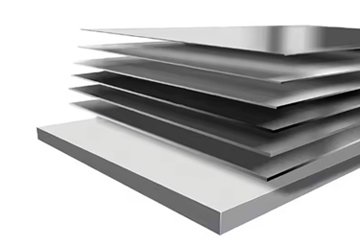
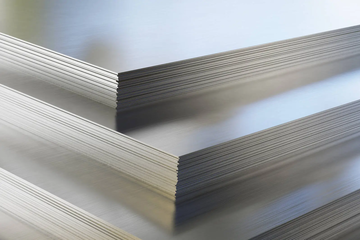
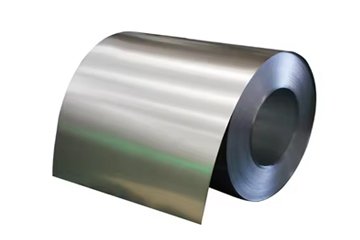
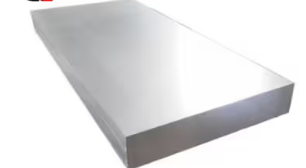
Titanium clad steel plates provide a corrosion-resistant barrier of titanium metallurgically bonded to a high-strength steel backing. This composite material ensures chemical resistance for pressure vessels while reducing total material costs by up to 50% compared to solid titanium construction.
The primary challenge in creating high-grade titanium clad steel plates is the metallurgical incompatibility between titanium and steel. Direct fusion welding often results in brittle intermetallic compounds that crack under pressure.
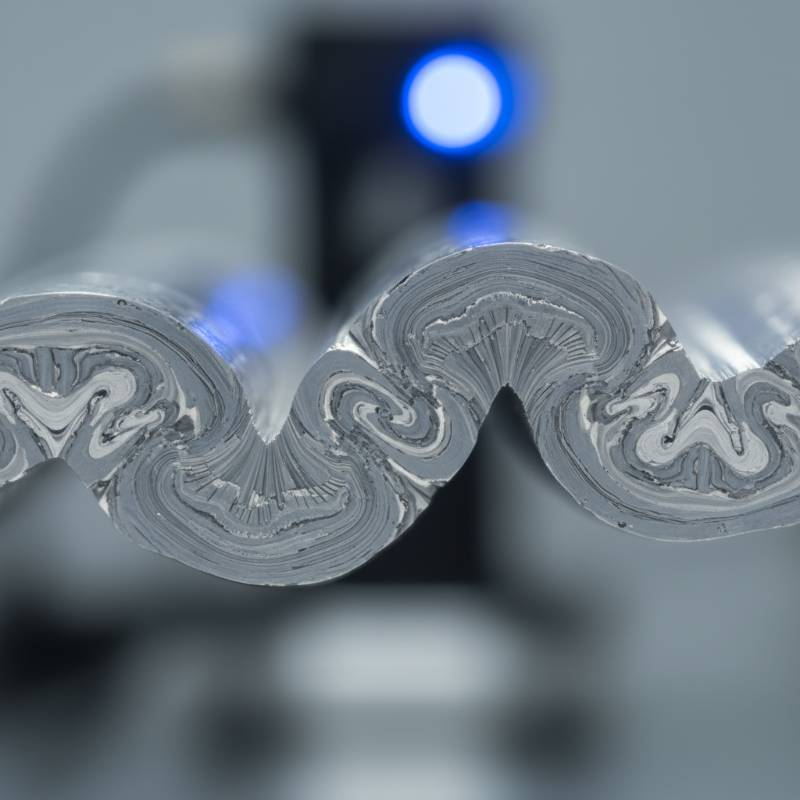
"Metallurgical bonding in clad plates is achieved through high-velocity impact (explosion) or heat-pressure cycles (rolling), creating a wave-like interface characterized by intense plastic deformation."
This "wave" interface is essential. It increases the surface area of the bond and creates a mechanical interlock that prevents delamination during the extreme thermal cycling common in chemical reactors.
Explosion Bonding vs. Roll Bonding: Process Comparison
Choosing the right cladding process depends on your vessel's specific pressure and thickness requirements. In 2026, advanced explosion bonding remains the preferred method for heavy-duty chemical applications.
| Feature | Explosion Bonding | Roll Bonding |
|---|---|---|
| Bond Strength | Exceptional (>140 MPa) | Good (100-140 MPa) |
| Max Thickness | Virtually unlimited | Limited by mill capacity |
| Application | ASME Clad Vessels, Heavy Wall | Thin sheets, Heat Exchangers |
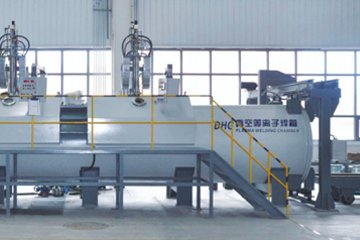
Explosion bonding uses controlled detonations to "cold weld" the titanium to the steel. This process is crucial for ASME Section VIII compliance, as it maintains the base metal's properties without heat-affected zone (HAZ) degradation.
The 4-Point Integrity Verification Protocol (IVP)
At China Titanium Factory, we utilize a proprietary quality control framework known as the 4-Point Integrity Verification Protocol (IVP). This ensures every plate exceeds global standards before shipment.
UT Scanning (100%): Total ultrasonic testing of the interface to ensure 0% non-bonded area.
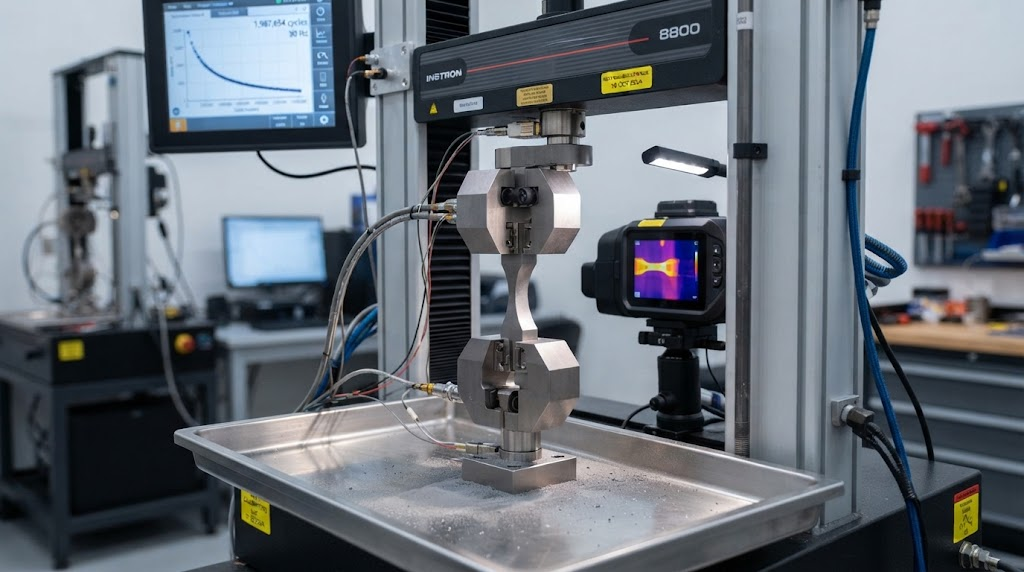
Shear Strength Validation: Destructive testing to confirm the bond exceeds the 140 MPa threshold.
Interface Micro-Analysis: SEM imaging to verify the absence of brittle intermetallic phases.
Thermal Shock Endurance: Cycling the material between -50°C and 450°C to simulate real-world reactor stress.
Economic Evaluation: Cost Savings for Heavy-Wall Vessels
Based on our 2026 market data, the transition from solid titanium to titanium clad steel is a financial necessity for large-scale infrastructure. For vessels with a wall thickness greater than 20mm, the cost-benefit ratio shifts dramatically.
Capital Expenditure (CAPEX) Savings: Using a 2mm titanium cladding on a 50mm carbon steel base provides the same corrosion protection as a 52mm solid titanium plate but at 30% to 50% lower total material cost. This allows engineers to allocate budget toward advanced sensors or safety systems.
Technical Specifications and Shear Strength Standards
While ASTM B898 mandates a minimum shear strength of 140 MPa, our manufacturing process consistently produces values between 190 MPa and 240 MPa. This "over-engineering" provides a safety buffer for high-pressure chemical reactions.
Cladding Materials: Gr.1, Gr.2, Gr.7, Gr.12 Titanium.
Base Materials: SA516 Gr.70, SA387, Q345R.
Thickness Range: Cladding (2mm - 15mm) / Base (10mm - 300mm).
Industrial Applications and Case Studies
Our titanium clad materials are foundational in the production of Purified Terephthalic Acid (PTA). A recent 2026 project involved a 400-ton PTA reactor where the use of explosion-bonded plates reduced the project's lead time by 15% due to improved weldability compared to solid titanium alloys.
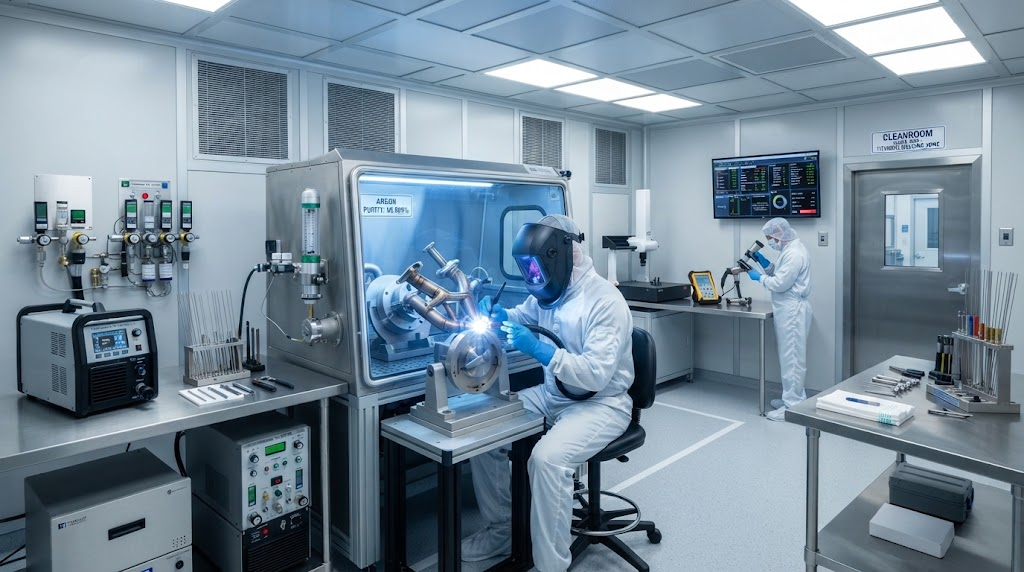
Beyond reactors, these plates are essential for heat exchanger tube sheets and multi-stage flash (MSF) desalination evaporators. Our custom fabrication services ensure that each plate is cut and beveled for immediate integration into your production line.
Frequently Asked Questions
Can titanium clad steel be welded easily?
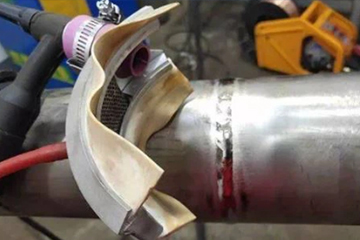
Yes, but it requires a specialized "batten strap" or "silver inlay" technique. You weld the steel base first, then apply a titanium cover strip to maintain corrosion continuity. We provide detailed welding procedures with every order.
What is the typical lead time for custom plates?
In 2026, standard custom orders take 6 to 10 weeks. This includes the explosion bonding process, heat treatment, leveling, and the full 4-Point IVP testing suite.
Does the cladding affect the pressure rating of the steel?
According to ASME Section VIII, the cladding thickness is usually considered "corrosion allowance" and is not calculated toward the structural pressure-bearing strength, though the metallurgical bond ensures it stays intact under vacuum or high pressure.
Ready to Optimize Your Pressure Vessel Design?
Stop overpaying for solid titanium. Contact China Titanium Factory today for a technical consultation and a detailed cost-comparison quote for your next chemical processing project.
Get a Technical Quote