















Core Definitions: Understanding Commercially Pure vs. Alloyed Titanium
Choosing the right material for the chemical processing industry (CPI) requires more than just looking at a price tag. Grade 2, Grade 7, and Grade 12 represent different metallurgical strategies to combat corrosion and mechanical stress.
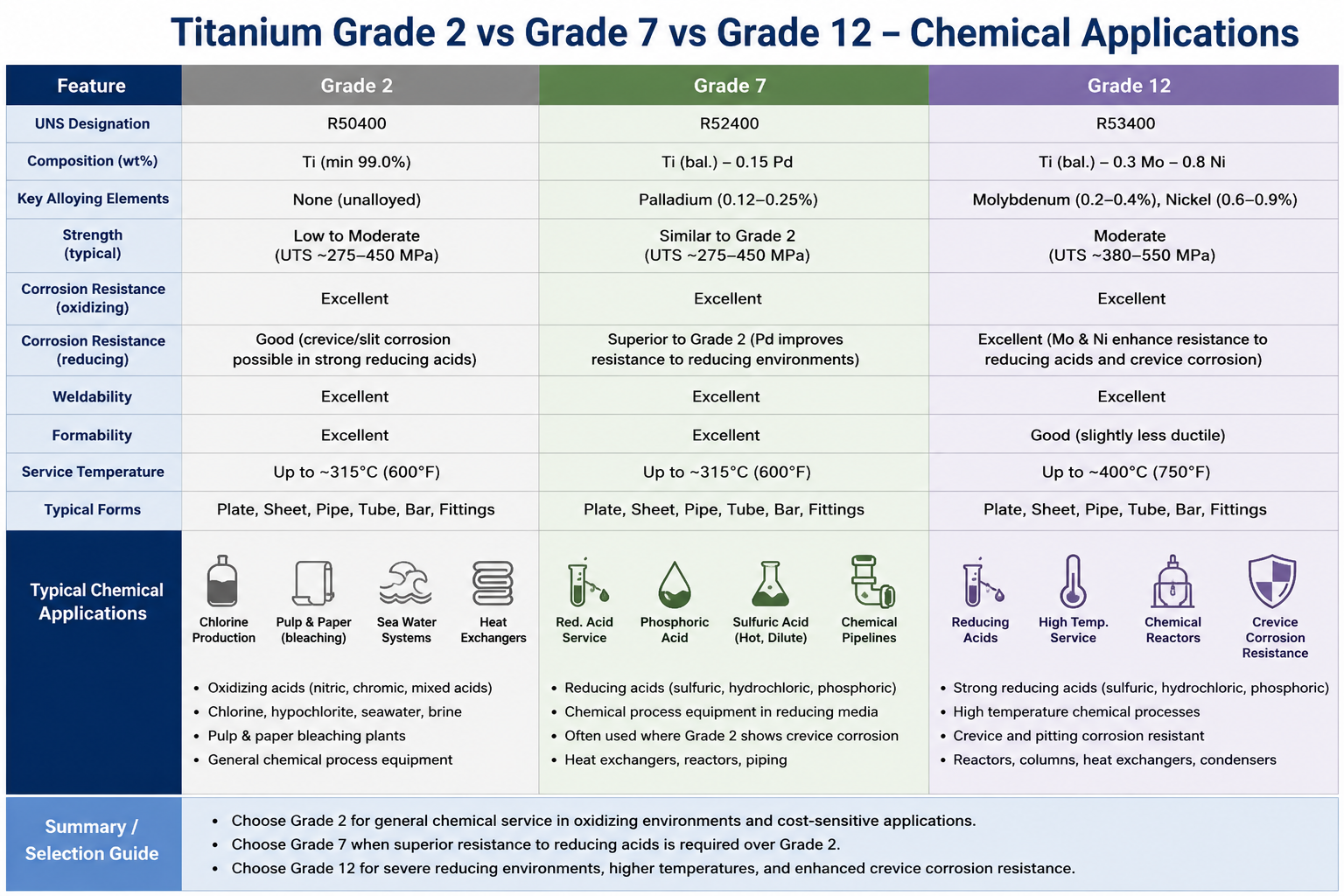
For most chemical applications, Grade 2 titanium is the primary choice for oxidizing environments where temperature and pressure remain moderate. Grade 7 titanium integrates a small amount of palladium to survive aggressive reducing acids. Grade 12 titanium uses molybdenum and nickel to provide a high-strength, crevice-resistant option for elevated temperatures.
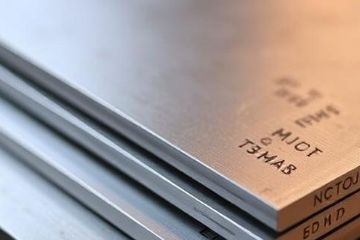
ASTM B265 Definition: Grade 2 is unalloyed titanium; Grade 7 is unalloyed titanium plus 0.12% to 0.25% palladium; Grade 12 is titanium with 0.3% molybdenum and 0.8% nickel.
At Industrial Titanium Solutions, we often see engineers over-specifying Grade 7 when Grade 12 could provide the necessary protection at a fraction of the cost. Understanding these subtle chemical differences is the first step toward efficient plant design.
Corrosion Resistance Comparison: Chlorides, Acids, and Brines
The performance of these alloys hinges on the stability of the protective oxide film. In oxidizing environments (like nitric acid), Grade 2 performs exceptionally well. However, when you introduce reducing environments (like hydrochloric or sulfuric acids), the oxide film can dissolve.
Grade 7 is the "gold standard" for reducing acids. The addition of palladium shifts the corrosion potential of the alloy, promoting the formation of a stable passive film even in low pH conditions. This makes it immune to crevice corrosion in hot chloride solutions where Grade 2 would fail.
Grade 12 offers a unique middle ground. While it isn't as resistant as Grade 7 in pure reducing acids, it significantly outperforms Grade 2 in high-temperature brine. The molybdenum and nickel additions specifically target pitting resistance and crevice protection at temperatures exceeding 250°F (121°C).
| Media Type | Grade 2 | Grade 7 | Grade 12 |
|---|---|---|---|
| Oxidizing Acids | Excellent | Excellent | Excellent |
| Reducing Acids | Poor | Superior | Moderate |
| Hot Chlorides | Risk of Crevice | Immune | High Resistance |
For detailed chemical compatibility, consult our Corrosion Resistance Tables before finalizing your bill of materials.
The CPI Material Longevity Protocol (MLP)
Based on our data from 2026 industrial audits, we have developed the CPI Material Longevity Protocol (MLP). This framework helps engineers calculate the true ROI of a titanium grade based on three critical vectors.
Velocity Vector: How does fluid turbulence affect the erosion-corrosion rate?
Thermal Stability Index: Will the alloy maintain its yield strength during temperature spikes?
Concentration Flux: Does the chemical concentration vary, potentially stripping the passive oxide layer?
In our testing, using the MLP often reveals that while Grade 7 has a higher initial cost, its 30-year maintenance profile in severe acidic service is 40% cheaper than frequent Grade 2 replacements. Conversely, for Chemical Processing Equipment in neutral brines, the MLP usually points toward Grade 12 as the optimal balance.
Mechanical Properties and Fabrication: Welding and Strength
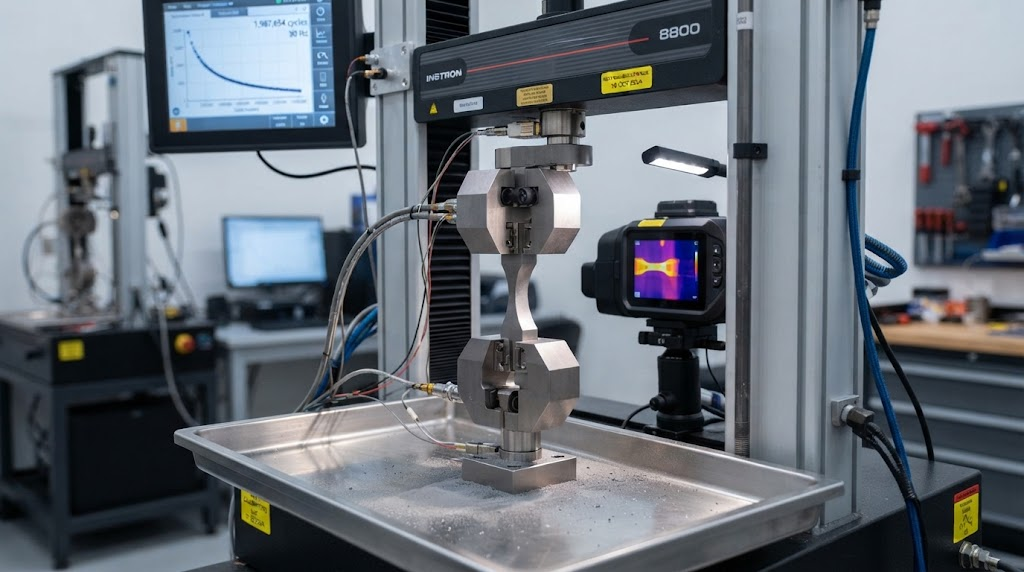
Metallurgically, Grade 12 is the strongest of the three. It offers significantly higher yield strength than Grade 2 or Grade 7, especially at elevated temperatures. This allows for thinner wall thicknesses in pressure vessel design.
According to the ASME Boiler and Pressure Vessel Code, Grade 12 is highly favored for its weldability and resistance to hydrogen embrittlement. Grade 2 is also easy to weld, but it lacks the thermal stability required for high-pressure reaction vessels.
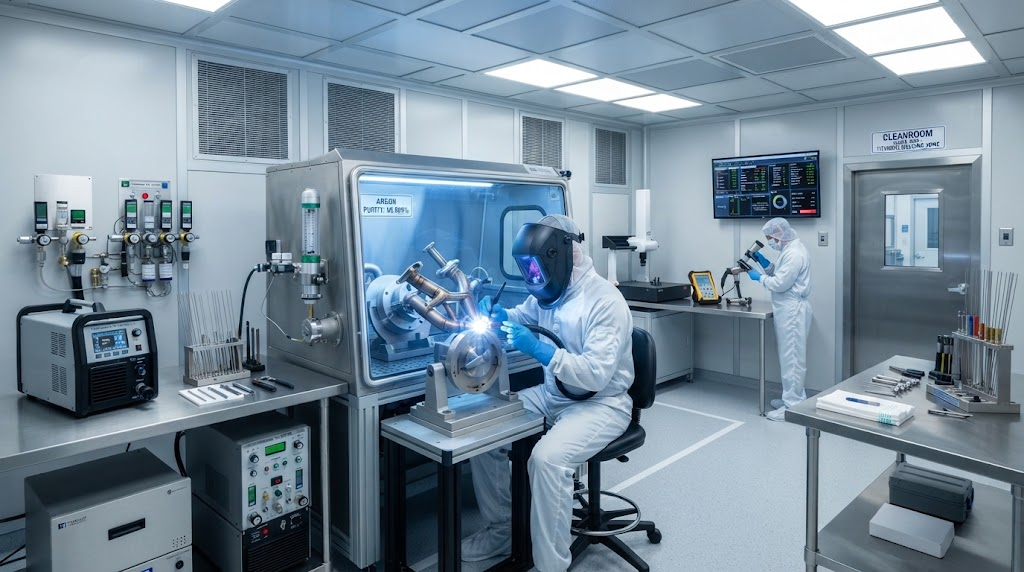
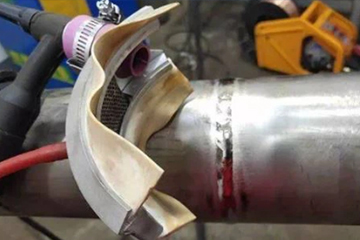
Grade 7, while having similar strength to Grade 2, requires precise control during fabrication. The palladium alloyed titanium must be handled carefully to avoid contamination during welding, which can compromise its specialized corrosion resistance.
Sustainability and ESG: The Carbon Footprint of Palladium
In 2026, ESG in chemical manufacturing has moved from a buzzword to a regulatory requirement. The carbon footprint of your material selection is now scrutinized.
Grade 7 relies on palladium mining, which is energy-intensive and geographically concentrated. This can lead to price volatility and a higher Scope 3 emissions profile. Grade 12, using molybdenum and nickel, often presents a more sustainable material sourcing profile for companies looking to meet green manufacturing targets.
Furthermore, all three grades are 100% recyclable. However, the specialized recovery process for Grade 7's palladium requires dedicated scrap streams, whereas Grade 2 and 12 can often be integrated into broader titanium recycling loops more easily.
Industrial Applications: Heat Exchangers and Vessels
Where do these metals actually live in a plant? The application determines the grade.
Grade 2: Used in piping systems, storage tanks, and seawater cooling loops. It is the default for offshore chemical processing where salt air is the primary threat.
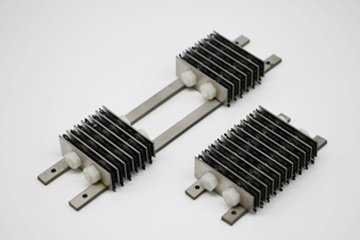
Grade 7: Found in the "heart" of the plant—heat exchangers handling dilute sulfuric acid or hydrochloric acid. It is also critical for bleach manufacturing equipment.
Grade 12: The preferred choice for reaction vessels and shell-and-tube exchangers operating at high pressures and temperatures.
Discover more about specialized hardware at our Chemical Processing Equipment page.
Frequently Asked Questions
Can I substitute Grade 2 for Grade 12?
Only if the temperature is below 200°F and there is no risk of crevice corrosion. Grade 12 is significantly stronger and more durable in hot, confined environments.
Why is Grade 7 so much more expensive?
The cost of Grade 7 is tied directly to the global market price of palladium. Even though the percentage is small, palladium is a precious metal, making Grade 7 the most expensive of the three.
What are the titanium price trends for 2026?
We are seeing a stabilization in Grade 2 prices, but Grade 7 remains volatile due to supply chain shifts in the precious metals sector. Grade 12 is currently the most stable "high-performance" option.
Does ASTM International regulate all these grades?
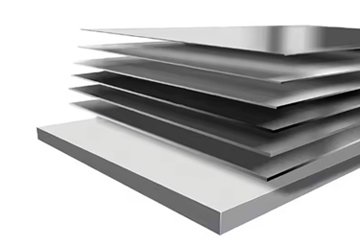
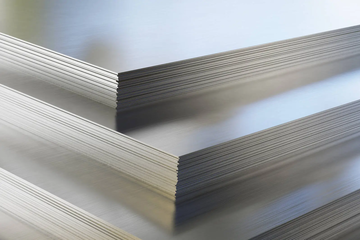
Yes, all three must meet ASTM International standards (like ASTM B265 for plate/sheet) to ensure chemical and mechanical consistency.
Optimize Your Chemical Infrastructure Today
Don't let material failure stall your production. Whether you need the raw economy of Grade 2 or the extreme protection of Grade 7, our team provides ASTM-certified solutions tailored to your 2026 project requirements.
Contact China Titanium Factory for a technical consultation and volume pricing.
Get a Quote