



















Titanium Piping Systems for Chemical Plants: Design, Welding & Standards
Corrosion is the silent thief of the chemical processing industry. For decades, engineers settled for high-nickel alloys or lined steel, only to face premature failures and astronomical maintenance costs.
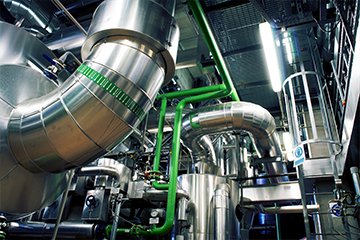
In 2026, the shift toward titanium chemical piping has accelerated. As chemical plants push for higher temperatures and more aggressive concentrations, titanium stands as the ultimate barrier against reactive environments.
Material Selection: Comparing Grade 2 and Grade 7 Titanium
Choosing the right titanium grade is the difference between a 30-year plant lifespan and a catastrophic leak in year two. At ChinaTitaniumFactory, we categorize selection based on the specific redox potential of your process stream.
Grade 2 (UNS R50400) is commercially pure titanium. It offers excellent weldability and is the standard for most oxidizing environments, such as nitric acid or wet chlorine.
Grade 7 (UNS R52400) adds 0.12% to 0.25% palladium. This tiny addition significantly improves corrosion resistance in reducing acids (like hydrochloric or sulfuric acid) and prevents crevice corrosion in high-temperature brine.
Global Engineering Standards: ASME B36.19M and B16.5
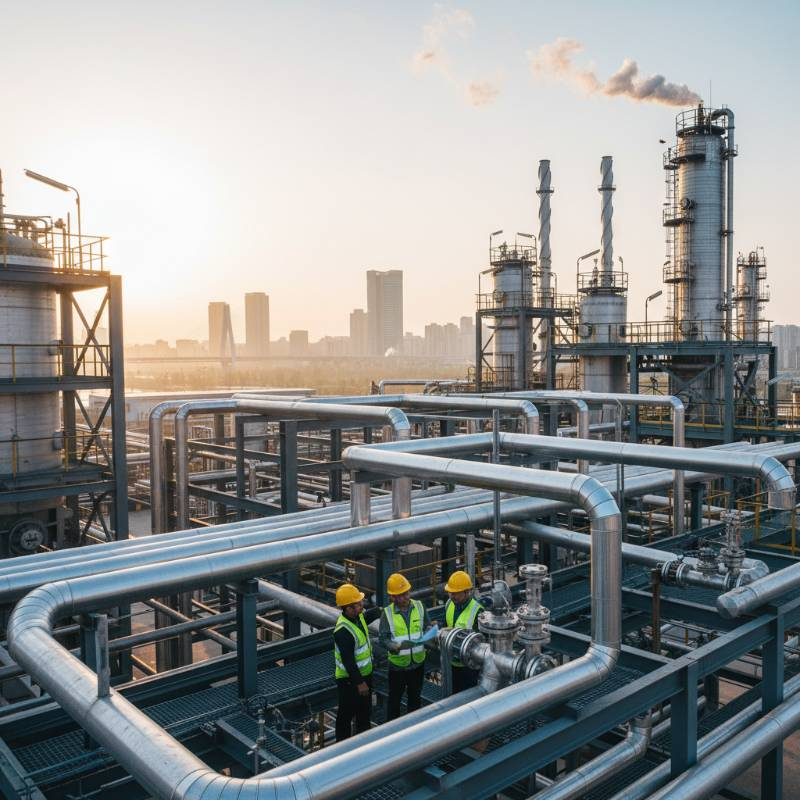
Modern industrial piping systems must comply with strict dimensional and pressure ratings to ensure safety in high-stakes chemical environments.
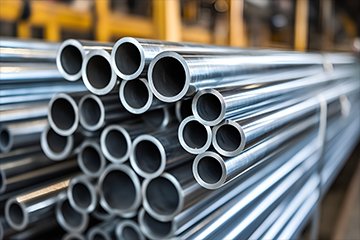
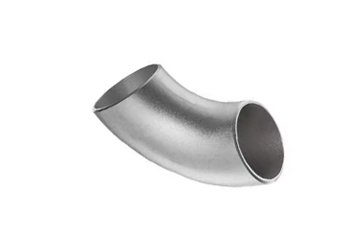
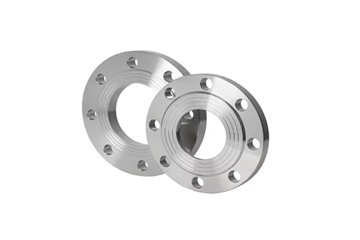
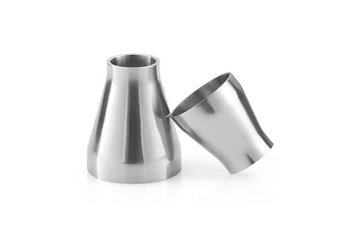
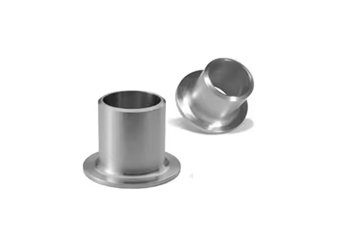
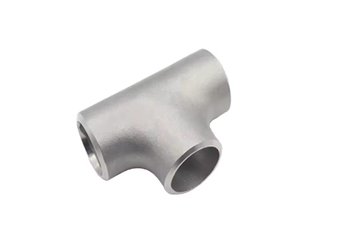
Titanium piping systems are engineered using ASME B36.19M for dimensions and ASME B16.5 for flange specifications. These standards ensure that titanium components, typically ranging from NPS 1/2" to NPS 24", maintain structural integrity under high-pressure loads while utilizing thinner Schedule 10S or 40S walls to optimize material costs.
Standard Dimensions for Titanium Piping
| Pipe Size (NPS) | Wall Thickness (Sch 10S) | Flange Class (ASME B16.5) |
|---|---|---|
| 1/2" | 0.083" (2.11mm) | 150# / 300# |
| 2" | 0.109" (2.77mm) | 150# / 300# |
| 8" | 0.148" (3.76mm) | 150# / 300# |
| 24" | 0.250" (6.35mm) | 150# / 300# |
When specifying titanium flanges, engineers must account for the material's lower modulus of elasticity compared to steel. This often requires careful torque management to prevent flange rotation or gasket creep.
The Triple-Shield Integrity Protocol for GTAW Welding
In our field experience, 90% of titanium failures occur at the weld. Titanium is highly reactive; at temperatures above 800°F (427°C), it absorbs oxygen, nitrogen, and hydrogen, becoming brittle.
To combat this, we utilize what we call the Triple-Shield Integrity Protocol for titanium chemical piping. This framework ensures the molten metal is never exposed to air:
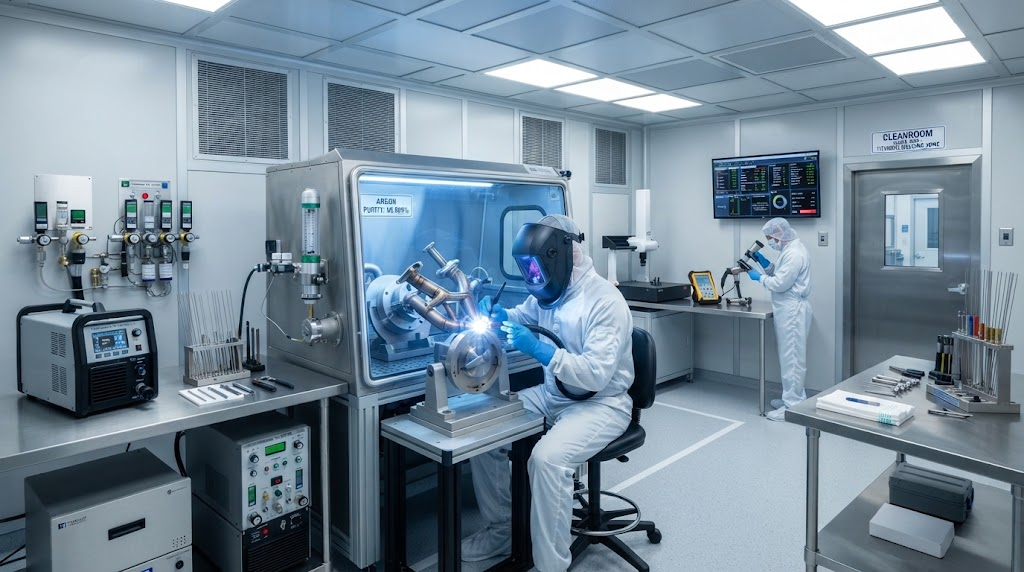
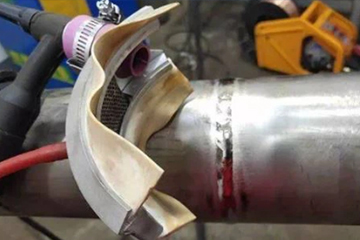
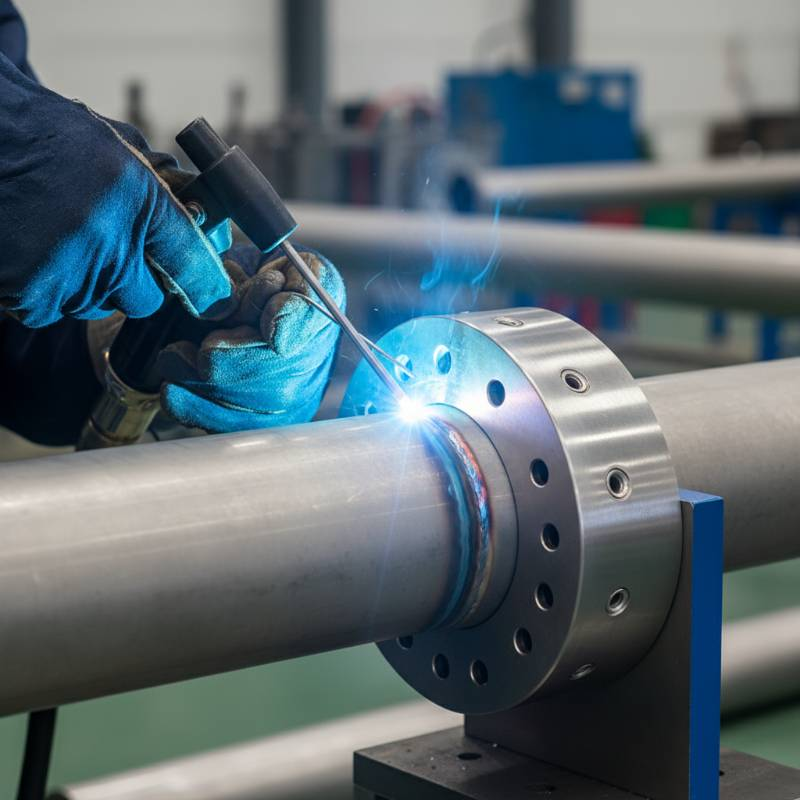
Primary Torch Shielding: Standard GTAW (TIG) torch setup with a large gas lens to provide laminar flow over the immediate weld pool.
Trailing Shield Protection: A custom-fitted attachment that follows the torch, keeping the cooling weld bead under an inert argon blanket until it drops below the critical temperature.
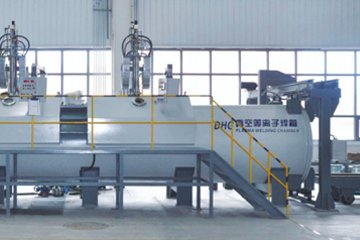
Internal Back-Purging: Filling the entire pipe ID with argon to protect the root pass. We use inflatable bladders to minimize gas consumption while ensuring 100% displacement of oxygen.
Welding Quality Control & Argon Purity
The purity of your gas is non-negotiable. We mandate 99.99% pure Argon with a dew point below -50°C. Any moisture or impurity in the gas line will lead to weld contamination.
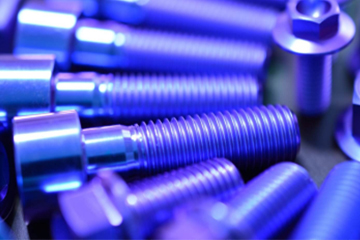
"In titanium welding, the color is your most honest inspector. A silver or light straw color indicates a perfect weld. If you see blue, purple, or gray, the weld is contaminated and must be cut out."
Per AWS D1.9, weld color is a primary indicator of atmospheric contamination. Our inspectors use the following hierarchy:
Silver/White: Excellent (No contamination).
Pale Yellow/Straw: Acceptable (Minimal surface oxidation).
Deep Blue/Purple: Borderline (Requires engineering review).
Dull Gray/White Powder: Reject (Severe embrittlement).
Lifecycle Cost Analysis: ROI of Titanium vs. Stainless Steel
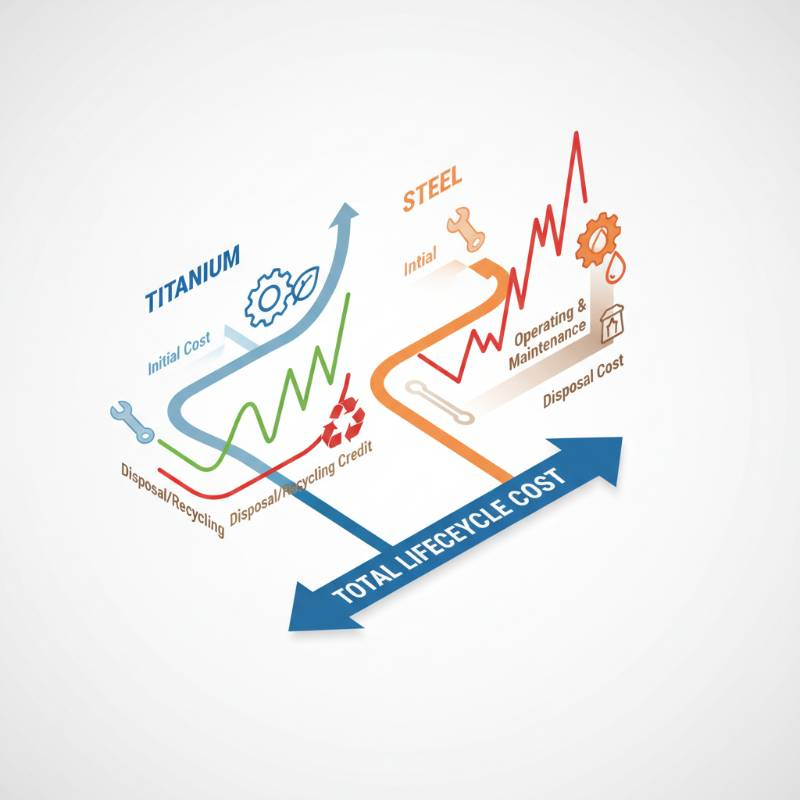
While the initial cost of titanium is higher than 316L stainless steel, the Total Cost of Ownership (TCO) tells a different story. In 2026, sustainability and ESG metrics are driving material selection as much as chemistry.
Based on our data, a titanium system in a high-chloride environment outlasts stainless steel by a factor of four. When you factor in the cost of downtime—which can exceed $50,000 per hour in large-scale chemical plants—the "expensive" titanium system pays for itself within the first 36 months of operation.
Certified Excellence: ASME U-Stamp and CWI Verification
Never source titanium components from uncertified shops. The complexity of the material requires specialized knowledge. We maintain the ASME U-Stamp and employ Certified Welding Inspectors (CWI) to verify every joint.
For engineers currently in the design phase, we offer a specialized Titanium Flange and Pipe Weight Handbook. This resource provides exact weights and dimensions to assist in structural support calculations and logistics planning.
You can reference the latest ASME Boiler and Pressure Vessel Codes for more on material compliance, or consult the American Welding Society for detailed D1.9 procedures.
Frequently Asked Questions about Titanium Piping
Does titanium piping require Post-Weld Heat Treatment (PWHT)?
Generally, no. Commercially pure titanium (Grade 2) does not require PWHT to maintain corrosion resistance. However, in specific stress-corrosion cracking environments, a stress-relief anneal may be recommended.
What gaskets are compatible with titanium flanges?
PTFE and Gylon gaskets are the industry standard for titanium systems. Because titanium is softer than steel, serrated metal gaskets should be avoided as they can damage the flange face.
Can I weld titanium to stainless steel?
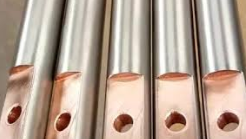
No. Direct welding of titanium to stainless steel creates brittle intermetallic compounds that will fail immediately. Transitioning between these materials requires specialized bimetallic transition joints or mechanical titanium flanges.
Ready to Secure Your Chemical Process?
Don't let corrosion dictate your uptime. Download our Technical Dimensions Guide or request a custom quote for ASME-certified titanium piping systems today.
Contact Our Engineering Team