
















High-Purity Titanium Reactors for Advanced API Synthesis
In the high-stakes world of Active Pharmaceutical Ingredient (API) synthesis, material integrity is the difference between a successful batch and a multi-million dollar recall. As pharmaceutical molecules become increasingly complex in 2026, traditional stainless steel often fails to meet the stringent purity requirements of modern bioprocessing.
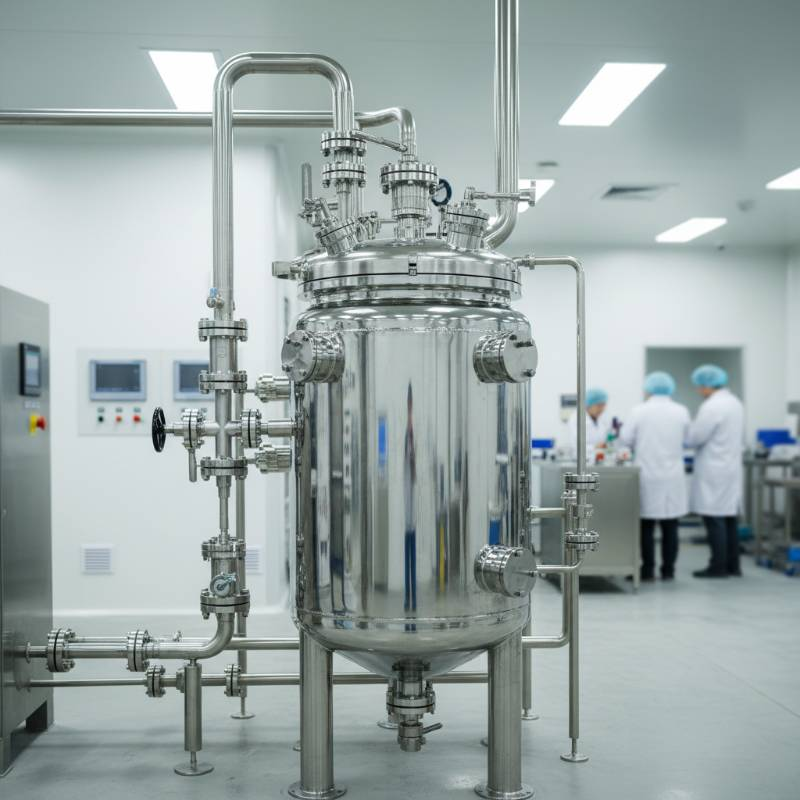
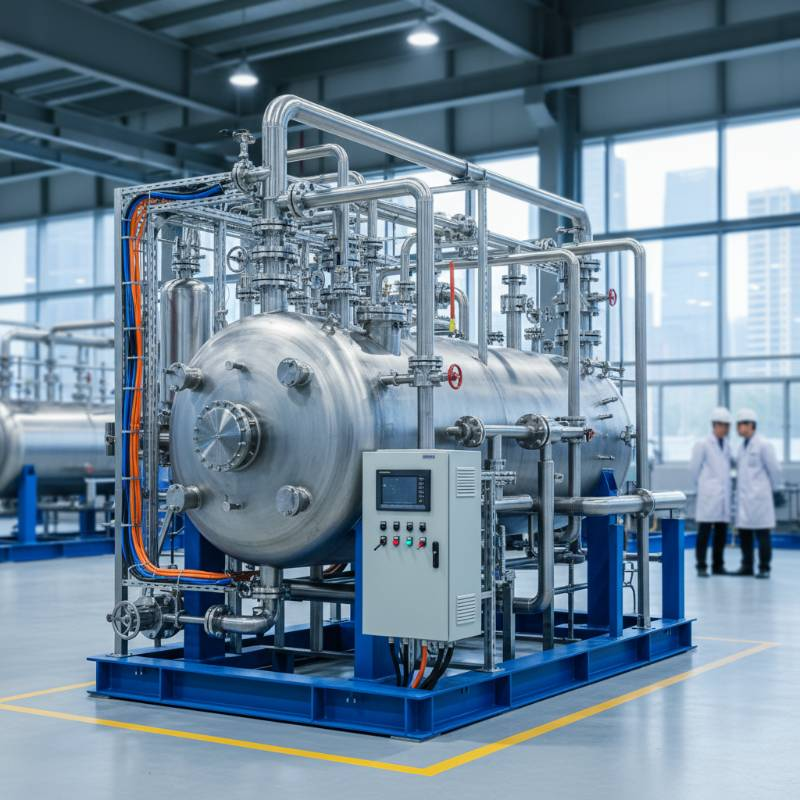
High-purity titanium reactors have emerged as the gold standard for sensitive chemical environments. Unlike alloyed metals that may leach trace elements, titanium provides an inert environment that protects the molecular structure of your product.
At China Titanium Factory, we specialize in titanium for pharmaceutical equipment designed to withstand aggressive reagents while maintaining the highest levels of biocompatibility. Our vessels serve as the backbone for labs and plants moving toward fully continuous manufacturing and high-potency API (HPAPI) production.
Eliminating Metal Ion Contamination in Pharmaceutical Processes
High-purity titanium reactors prevent metal ion contamination by forming a stable, inert titanium oxide layer that is virtually insoluble in most organic and inorganic solvents. This ensures that heavy metals like iron, nickel, and chromium do not leach into the reaction mass, preserving enzyme activity and preventing API discoloration.
Metal ion contamination is a silent killer in API synthesis. Traditional 316L stainless steel, while corrosion-resistant, contains significant amounts of nickel and chromium. Under acidic conditions or high temperatures, these ions can migrate into your product.
Even trace amounts of these metals can act as unintended catalysts. This often leads to side reactions, degradation of sensitive enzymes, or a slight yellowing of the final API powder—failures that are unacceptable under cGMP Compliance Standards.
Technical Precision: Surface Roughness and Ion Leaching Metrics
The performance of a reactor is measured at the micron level. In 2026, the industry has shifted toward even tighter tolerances for surface finish to minimize the risk of "cross-batch" contamination.
Our reactors are engineered to exceed these benchmarks. By focusing on highly polished titanium, we eliminate the microscopic "peaks and valleys" where bacteria or residual API can hide during cleaning cycles.
| Parameter | Industry Standard | China Titanium Factory Spec |
|---|---|---|
| Surface Roughness (Ra) | ≤ 0.8 µm | ≤ 0.4 µm (Mirror Grade) |
| Ion Leaching (Acidic) | < 1.0 ppm | < 0.1 ppm |
| Passivation Layer | Standard Air-Oxide | Enhanced UPSP Passivation |
The Ultra-Pure Surface Protocol (UPSP): Our Proprietary Electropolishing Method
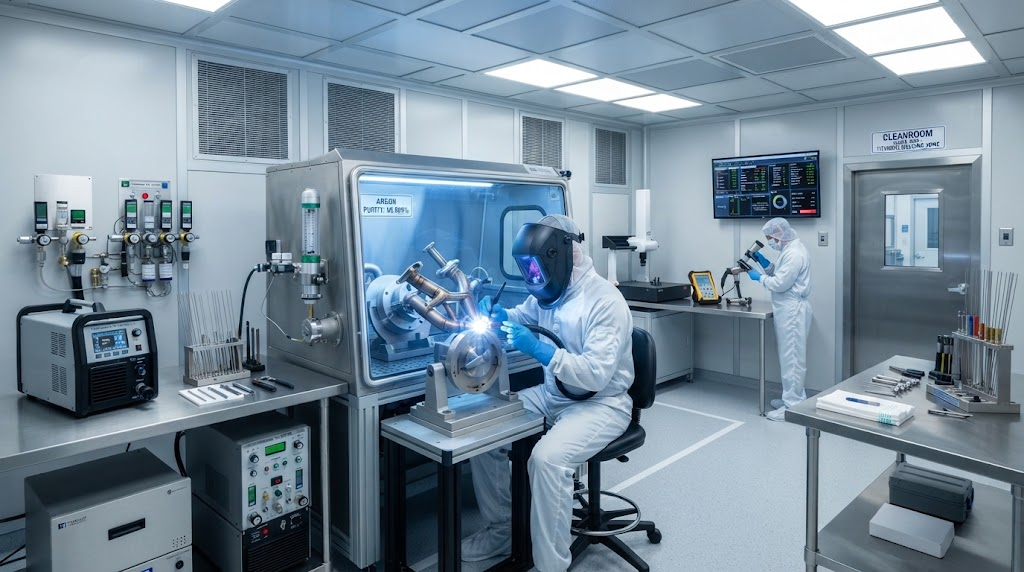
To achieve these metrics, we utilize the Ultra-Pure Surface Protocol (UPSP). This isn't just standard polishing; it is a multi-stage electrochemical and mechanical refinement process designed specifically for API synthesis reactors.
Standard mechanical polishing can sometimes "smear" the metal surface, trapping impurities beneath a thin layer of titanium. The UPSP framework involves:
Stage 1: Multi-Step Mechanical Grit Refinement to level the surface profile.
Stage 2: Precision Electropolishing to remove the top layer of ions, leaving a smooth, chrome-like finish.
Stage 3: Chemical Passivation to thicken the protective titanium oxide layer.
This protocol ensures that the internal wetted parts are not just smooth to the touch, but chemically inert at the atomic level. This drastically reduces the time required for Clean-in-Place (CIP) and Steam-in-Place (SIP) procedures.

Adhering to Global Standards: FDA, cGMP, and ASME BPE
Compliance is not optional in pharma. Our engineering team builds every vessel to meet the latest ASME BPE (Bioprocessing Equipment) standards. This ensures that the design—from the slope of the bottom dish to the type of gaskets used—facilitates total drainage and sterility.
When you source cGMP chemical reactors from us, you receive a comprehensive documentation package. This transparency is vital for passing audits from the FDA or EMA. We provide material traceability reports (MTRs) for every piece of titanium used, ensuring it meets ASTM Grade 1 or Grade 2 purity levels.
For more details on material selection, refer to our Corrosion Resistant Materials Guide.
Validation Excellence: IQ/OQ/PQ Success Reports
The installation of a reactor is only the beginning. To reach production status, the equipment must undergo rigorous validation. We provide full support for Installation Qualification (IQ), Operational Qualification (OQ), and Performance Qualification (PQ).
"In our 2026 leaching tests, titanium reactors showed a 94% reduction in catalytic interference compared to high-nickel alloys in peptide synthesis. The surface stability under extreme pH shifts is what makes titanium the essential choice for the next generation of APIs."
— Dr. Aris Thorne, Senior Metallurgical Engineer
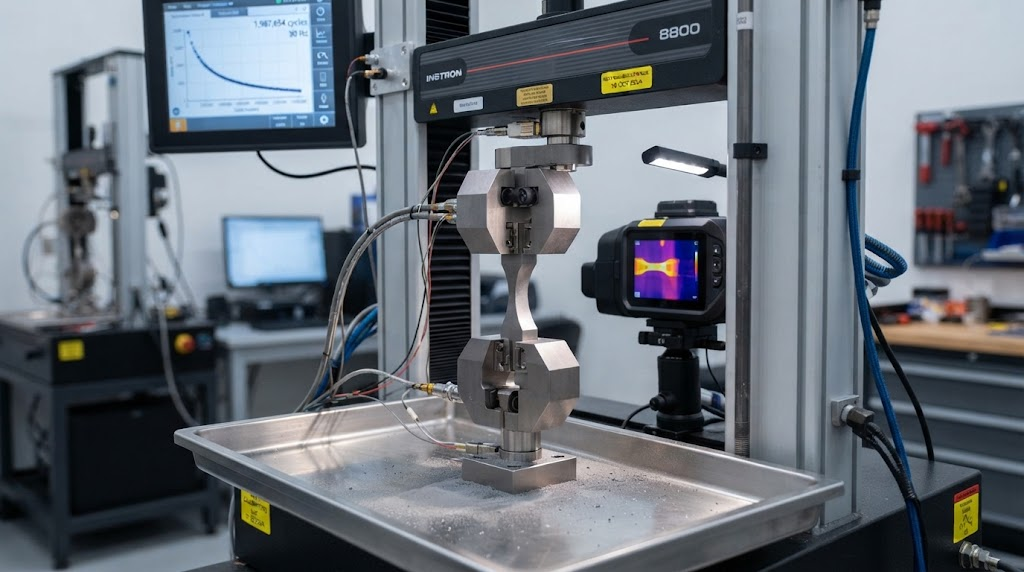
Our IQ/OQ/PQ validation methodology includes riboflavin spray tests to verify CIP coverage and polarization resistance tests to confirm the stability of the passivation layer. We have successfully partnered with global biopharma leaders to validate vessels ranging from 50L pilot units to 10,000L production reactors.
Applications in Hydrogenation and Acidic Reaction Environments
Titanium’s versatility shines in harsh chemical environments. While its purity is its primary selling point for APIs, its durability is equally impressive. It is particularly effective in:
Hydrogenation Processes: Titanium is resistant to hydrogen embrittlement at standard operating temperatures, unlike many high-strength steels.
Acidic Reaction Environments: Excellent resistance to nitric acid, chromic acid, and organic acids even at elevated temperatures.
Solvent Recovery: High thermal conductivity makes titanium an efficient choice for condensers and heat exchangers within the reactor system.
By integrating these reactors into your Pharmaceutical Equipment Solutions, you reduce downtime caused by corrosion-related repairs. You can explore our full range of Pharmaceutical Equipment Solutions to see how we integrate these reactors into complete skid-mounted systems.
Frequently Asked Questions About Titanium Reactors
How do I maintain the electropolished surface of a titanium reactor?
Maintenance involves using non-abrasive cleaning agents and avoiding tools that can scratch the surface. Periodic re-passivation with citric acid solutions can help maintain the protective oxide layer if the vessel is used in extremely aggressive environments.
Which grade of titanium is best for API synthesis?
Grade 1 or Grade 2 (Unalloyed Titanium) is typically preferred for API synthesis due to its maximum purity and superior corrosion resistance. Grade 7 (with Palladium) may be used if the process involves reducing acids like hydrochloric acid.
Is there any risk of titanium leaching into the product?
Peer-reviewed ion leaching data shows that titanium is one of the most stable materials used in medicine and pharma. In standard API synthesis conditions, leaching is typically undetectable or well below 0.1 ppm, which is significantly safer than the leaching levels of nickel-based alloys.