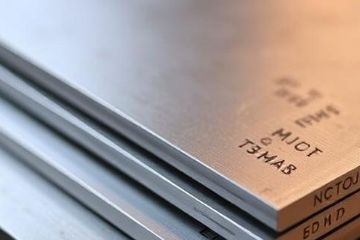
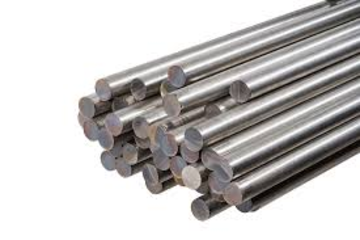
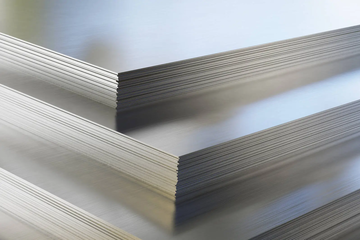
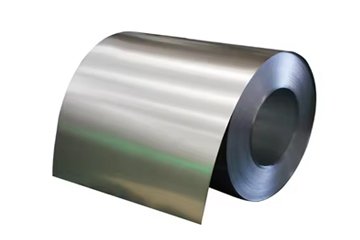
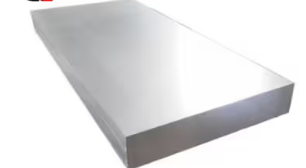
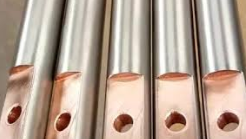
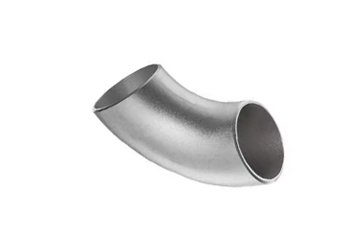
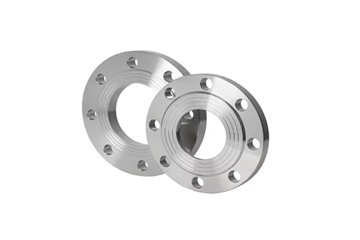
Titanium color is a captivating hue that intrigues many. It is often described as a sleek, metallic gray with a hint of blue or silver. This unique color is named after the metal titanium, renowned for its strength and light weight.
The allure of titanium color extends across various industries. In automotive design, it is favored for its modern and sophisticated appearance. Fashion designers also embrace this color for its luxurious and innovative vibe.
Titanium color is not just about aesthetics. It conveys a sense of durability and technological advancement. This makes it a popular choice in high-end electronics and gadgets.
The color can vary slightly depending on the finish and lighting. It ranges from a darker gray to a lighter silver. This versatility adds to its appeal in design projects.
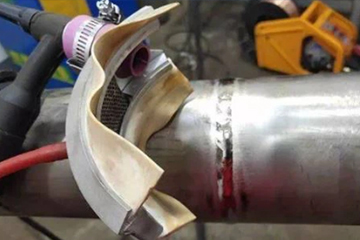
Understanding titanium color involves exploring its scientific properties. The process of oxidation can enhance its color range, revealing blues, purples, and golds. This makes it a favorite in jewelry and decorative items.
In global markets, the term "color titanio" is often used. This highlights its international appeal and recognition. Whether in design, fashion, or technology, titanium color continues to captivate and inspire.

Titanium color is an intriguing blend of subtlety and sophistication. This hue, often likened to a metallic gray, captivates with its understated elegance. It also exhibits a hint of blue or silver, adding depth to its appearance.
The name comes from the metal titanium, which is celebrated for its strength and resilience. This metal’s unique properties, including its resistance to corrosion, give the color its enduring quality.
Appears as a sleek, metallic gray.
Contains hints of blue or silver.
Inspired by the metal titanium.

In different lighting conditions, titanium color can appear darker or lighter. This aspect makes it a versatile choice for various design applications.
Its subtle shimmer is why it is popular in fashion, automotive, and technology industries. The color delivers a modern look that complements contemporary designs.
Titanium color's aesthetic appeal is not its only draw. It also communicates a sense of strength and innovation, reflecting the characteristics of its metallic namesake.
Using titanium color in design projects conveys luxury and durability. These attributes make it a preferred choice for high-end products and sophisticated designs.
In summary, titanium color combines beauty with functionality. Its dynamic qualities make it both a practical and stylish option in many industries.
The Science Behind Titanium’s Color
Titanium's color stems from its unique atomic structure and interactions with light. When light strikes the titanium surface, it reflects and refracts, creating its distinctive metallic sheen.
This process involves the electrons in titanium atoms responding to light waves. The interaction results in a color perceived as a metallic gray with subtle undertones.
Light interacts with titanium's atomic structure.
Reflection and refraction determine color perception.
Electrons influence the visible color.

The appearance can change based on different factors, such as surface finish and environmental conditions. These factors lead to variations in the hue and intensity of the color seen by the human eye.
Titanium's natural oxide layer also plays a role in color formation. This thin layer influences the light reflection characteristics, contributing to the hue's unique look.
In addition, titanium's color changes through chemical processes, like oxidation and anodizing. These processes can modify the oxide layer, enhancing or altering the color spectrum seen on titanium surfaces.
Understanding the science behind titanium's color reveals why it is so versatile. It's this complexity that enriches its appeal across various applications.
Titanium Oxidation Color: Anodizing and Color Variations
Titanium oxidation occurs when it reacts with oxygen, creating a thin oxide layer. This natural process results in color variations depending on the thickness of the oxide layer.
Anodizing, a controlled electrochemical process, enhances these color variations. By adjusting the voltage during anodizing, different oxide thicknesses are achieved, producing a spectrum of colors.
Vivid blues and purples
Rich golds and bronzes
Iridescent greens and yellows

Anodizing is popular because it allows for a wide range of vibrant hues without using dyes or pigments. The colors are durable and resistant to fading, adding to their appeal.
This process is particularly favored for creating unique jewelry and decorative items. The colors lend an artistic flair that metallic gray alone might lack.

Different anodizing techniques can be used to produce patterns or gradients. These visual effects further expand design possibilities, making each piece unique.
Titanium oxidation color variations are not just about aesthetics. They also offer practical benefits, such as reducing surface wear and corrosion. This dual functionality makes anodizing a choice for both artistic and industrial applications.
Whether it’s for a bold statement piece or a subtle accent, anodized titanium offers diverse color possibilities. This versatility continues to drive its popularity across industries.
Titanium Color in Design and Aesthetics
Titanium color holds a special place in modern design. It is associated with sophistication and innovation, which appeals to designers aiming for a futuristic look.
The color’s subtle gray tone, often accompanied by hints of blue or silver, adds depth to artistic projects. It conveys a sense of luxury without being overpowering.

In interior design, titanium color is used to create sleek and clean spaces. Its neutral yet dynamic presence makes it ideal for minimalist and industrial styles.
Complements metallic and non-metallic elements
Works well with neutral or bold palettes
Adds subtle elegance without dominating
Architectural projects often utilize titanium finishes to enhance building exteriors. These structures stand out with their contemporary sheen, offering an inviting yet modern vibe.
Fashion designers also favor titanium for its versatility. It pairs well with bright colors for striking visuals, or with neutrals for a subdued, sophisticated look.
Whether used as an accent or the main focus, titanium color can transform a design project. It offers a balance of modernity and timelessness, making it a staple in creative applications.
Titanium Color in Fashion and Accessories
Titanium color is a favorite in the fashion world. Its unique blend of strength and subtlety attracts designers seeking something different.
The color is often used in high-end jewelry and watches. Its sleek appearance matches well with metallic accents and gemstones.

Jewelry and watches
Sunglasses and eyewear
Clothing and footwear details
In accessories, titanium color provides a modern touch. Sunglasses with titanium frames offer durability and style, perfect for those preferring minimalist elegance.
Footwear designers incorporate titanium color for its chic look. It adds flair to sneakers and boots without being loud or flashy.
Overall, titanium's versatile appeal in fashion is undeniable. Its subtle sophistication and modern aesthetic make it a go-to choice for designers and trendsetters alike.
Titanium Color in Automotive and Technology
Titanium color finds a natural home in the automotive industry. Its ability to mask dirt and scratches makes it a practical choice for car exteriors.
Car enthusiasts appreciate titanium for its modern, sleek look. This color adds a futuristic edge to vehicles, appealing to those who value aesthetics and function.

Car paints and interiors
Gadgets and electronics casings
Aerospace materials
In technology, titanium color signifies sophistication and advancement. It is often used in electronics like phones and laptops for a cutting-edge appearance.
Gadgets in titanium color exude a luxurious feel, enticing tech-savvy consumers. This preference reflects a growing trend towards innovation-driven design.
Aerospace materials also benefit from the use of titanium. Its strength and light weight make it indispensable in crafting high-performing components.
In summary, titanium color’s applications in automotive and technology sectors highlight its blend of beauty and utility. It stands for endurance and elegance, making it a staple in forward-thinking designs.
Color Titanio: Titanium Color in Global Markets
In international contexts, titanium color is often referred to as "color titanio." This Spanish term highlights its widespread appeal across diverse regions.
Color titanio is embraced globally due to its versatility. Its presence is notable in markets ranging from Europe to Latin America.
Consumer electronics in Asia
Fashion items in Europe
Automotive design in Latin America
The universal allure of color titanio is tied to its modern and sophisticated qualities. Consumers in various markets appreciate its elegant yet practical nature.
Its adaptability across industries showcases how a single color can resonate widely. By transcending borders, color titanio brings a cohesive, global appeal to products crafted for modern aesthetics.
Titanium Color Codes and Palettes
Titanium color is often portrayed as a metallic gray with subtle hints of blue or silver. Its color codes are essential in various design applications, ensuring consistency and precision.
Designers use specific color codes to replicate titanium's unique hue in digital and print projects. This helps to maintain a uniform look across different media.
HEX: #878681
RGB: 135, 134, 129
CMYK: 0, 1, 4, 47
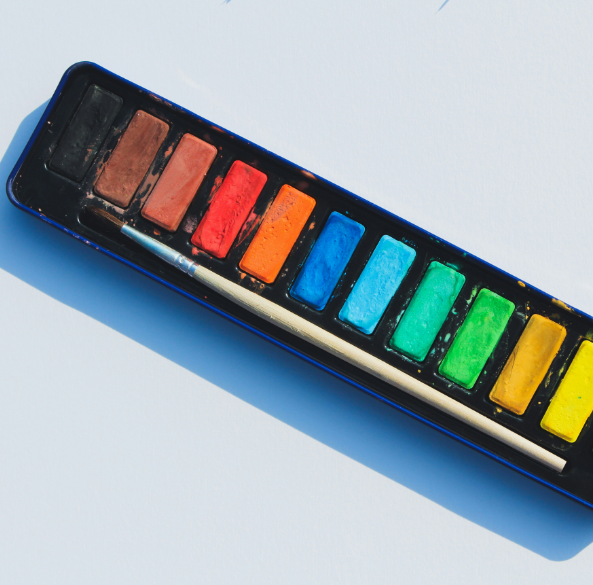
A palette featuring shades of titanium can enhance design projects, adding a modern and sleek touch. Mixing titanium with colors like black, white, or blue creates a striking effect.
Using these codes helps in achieving the desired aesthetic in projects. Designers can explore diverse palettes to expand their creative possibilities, ensuring the sophistication of titanium color shines through in each application.
How to Use Titanium Color in Your Projects
Integrating titanium color into design projects offers a sleek and modern aesthetic. Whether in fashion, technology, or interiors, its appeal is versatile.
When using titanium color, think about the ambiance you want to create. It works excellently in minimalist setups, bringing a sense of sophistication.
Complementary Pairing: Combine titanium with neutral tones like white or beige for a balanced look.
Accent Use: Utilize titanium color for highlighting features, such as trim or tech gadgets.
Material Selection: Choose titanium-finished materials for furniture to achieve a polished effect.

This color serves as a neutral but eye-catching element. It allows vivid colors to stand out while providing a grounded background.
Experiment with textures to enhance the metallic luster of titanium color. Matte or glossy finishes can drastically impact its visual impression in various settings.
Titanium color often raises curiosity and questions. Let’s address some common inquiries to give you deeper insights.
What is titanium color? Titanium color is a sleek, metallic gray that exudes modernity and elegance. It often has undertones of blue or silver.
Why does titanium have a blue tint? The blue tint sometimes seen in titanium is due to oxidation. This natural process can add hues of blue, gold, or purple.
How is titanium color used in design? In design, titanium color symbolizes luxury and innovation. It pairs well with both vibrant and neutral shades.
Where is titanium color most popular? Titanium color is particularly popular in the automotive and tech industries. Its sleek appearance is perfect for modern gadgets and vehicles.
Titanium is strong yet light.
It resists corrosion, enhancing its appeal.
Design uses vary from fashion to interiors.
These questions often arise when exploring this intriguing color. Understanding its traits allows for informed design choices.
Conclusion: The Enduring Appeal of Titanium Color
Titanium color embodies a blend of strength and modern sophistication. Its enduring appeal lies in its adaptability to various applications, from fashion to technology. This versatility continues to make it a favored choice worldwide.
Designers and consumers alike are drawn to its sleek, innovative look. The color's ability to pair well with a broad range of hues further enhances its desirability in multiple markets. This adaptability ensures its relevance across diverse industries and aesthetics.
As trends evolve, titanium color remains a symbol of modernity and elegance. Its unique attributes and ability to evoke a sense of luxury will keep it a staple in design and technology. Embracing titanium color can elevate any project, making a bold statement in contemporary style.



Contact Us
Room 21003, 10th Floor, Unit 2, Building 1, Xianning International Plaza, No.29 Xianning West Road, Beilin District, Xi'an City
Copyright © Xi'an Shiguang Jingyan Technology Co., Ltd. All Rights Reserved.