














High-Performance AMS 4901 Titanium Sheets: The Standard for Aerospace Excellence
Defining AMS 4901: Chemical Composition and Material Grade Comparison
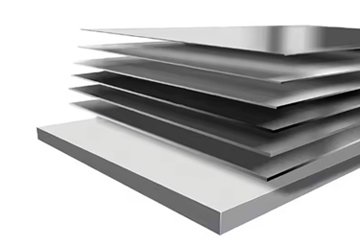
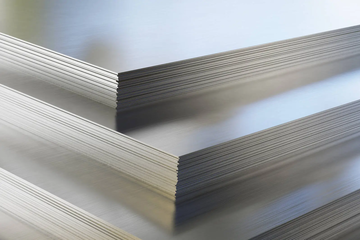
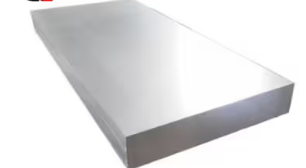
AMS 4901 specifies titanium that is commercially pure (CP-1), annealed, and provided in sheet, strip, or plate form. This grade is prized for its high ductility and cold-formability, making it the "softest" yet most corrosion-resistant of the unalloyed grades.
AMS 4901 titanium sheets offer a unique balance of mechanical properties. While Grade 4 titanium provides higher tensile strength through increased oxygen content, CP-1 (Grade 1) excels where complex forming and maximum resistance to chemical attack are required.
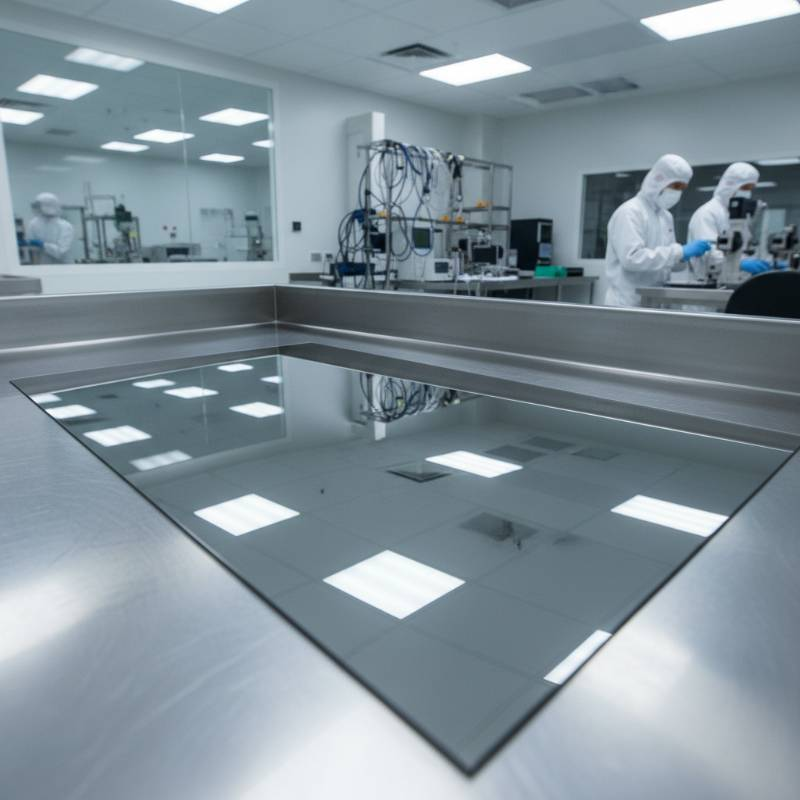
In our technical assessments at China Titanium Factory, we find that the purity of the material dictates its performance in cryogenic environments. Low interstitial elements are the secret to preventing brittle fractures at sub-zero temperatures.
"AMS 4901 is characterized by a maximum iron content of 0.20% and oxygen content of 0.18%, ensuring it retains its crystalline integrity under extreme mechanical stress."
| Property | Value (Typical) |
|---|---|
| Tensile Strength | 35,000 psi (240 MPa) min |
| Yield Strength (0.2% Offset) | 25,000 psi (170 MPa) min |
| Elongation in 2 inches | 24% min |
Compliance and Traceability: Navigating AMS 4901V and MIL-T-9046 Standards
Military and defense projects require more than just material performance; they demand an audit trail. MIL-T-9046 (Type 1, Comp A) overlaps with AMS 4901 but imposes stricter limits on hydrogen content and surface finishes to prevent hydrogen embrittlement during long-term deployment.
We define material reliability through the lens of the latest AMS 4901V revisions. These updates refine the ultrasonic testing requirements for internal voids, ensuring that sheets used in high-pressure propulsion systems are free from microscopic defects.
For procurement officers, sourcing aerospace-grade titanium involves verifying the Mill Test Report (MTR) against these specific military benchmarks. Without 100% traceability, the material cannot be integrated into flight-critical assemblies.
Thermal Stability: Performance from -320°F to 1000°F
The engineering brilliance of AMS 4901 lies in its Specific Load Resistance. This is the ratio of the material's strength to its density at specific operating temperatures. In aerospace, where every gram equals fuel cost, CP-1 titanium outperforms stainless steel by offering comparable strength at 45% less weight.

At cryogenic levels (-320°F), most metals become brittle. AMS 4901 remains ductile. Conversely, at high temperatures up to 1000°F, it maintains excellent dimensional stability, meaning it won't warp or expand significantly, preserving the tight tolerances required for spacecraft airframes.
According to research from ASM International, titanium's low coefficient of thermal expansion is the primary reason it is chosen over aluminum for high-speed atmospheric re-entry components.
The Titan-Shield Integrity Protocol: Our Proprietary Verification Framework
To ensure our AMS 4901 Titanium Sheets exceed industry norms, we utilize the Titan-Shield Integrity Protocol. This is a 4-stage validation process developed to eliminate the risks associated with global supply chain variability.
Phase 1: Interstitial Mapping – Precision chemical analysis to ensure oxygen, nitrogen, and carbon are well below AMS limits.
Phase 2: Grain Refinement Audit – Microstructure analysis to guarantee uniform grain size, which is critical for consistent forming.
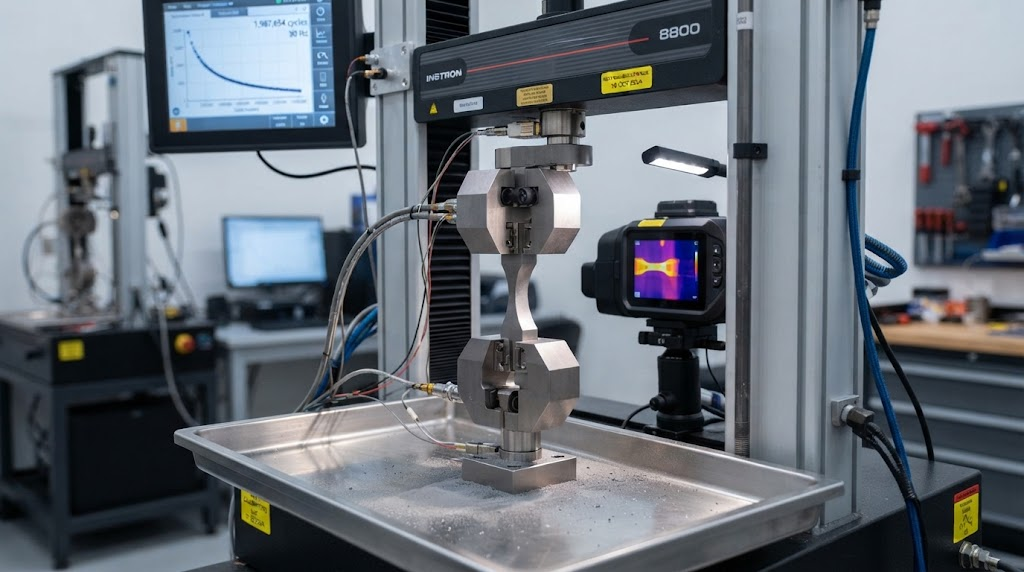
Phase 3: Thermal Gradient Cycling – Stress-testing samples from cryogenic to high-heat states to confirm dimensional stability.
Phase 4: Full Spectrum Traceability – Every sheet is laser-etched with a unique heat number linked to its raw ingot source.
Critical Application Scenarios: From Spacecraft Frames to LNG Liners
The versatility of AMS 4901 allows it to bridge the gap between deep-sea exploration and deep-space missions. In 2026, we are seeing a massive uptick in its use for liquid hydrogen storage tanks for green aviation.
Spacecraft Structural Frames
The high formability of CP-1 allows for the creation of complex, curved structural ribs. These frames support the outer skin of the spacecraft while providing the necessary rigidity to survive launch vibrations.
Thermal Protection Systems (TPS)
Used as heat shields or stand-off panels, industrial titanium solutions involving AMS 4901 protect sensitive electronics from the heat generated by propulsion systems or atmospheric friction.
LNG Ship Liners and Cryogenic Tanks
Liquefied Natural Gas (LNG) must be kept at extremely low temperatures. AMS 4901 sheets serve as the inner lining for transport vessels, resisting the corrosive nature of the sea environment while maintaining structural integrity at -260°F.
Advanced Processing: Welding and Forming AMS 4901 Sheets
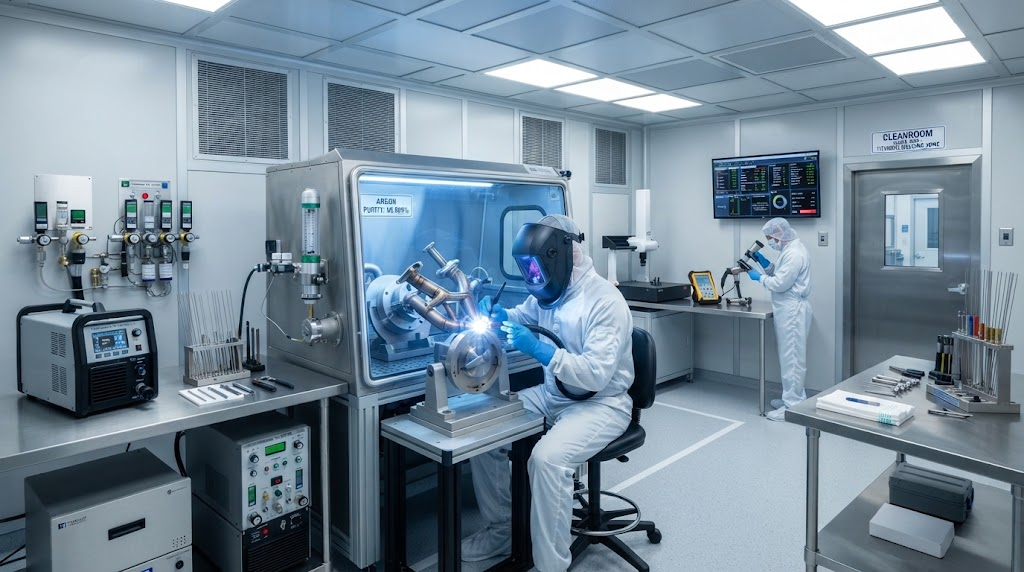
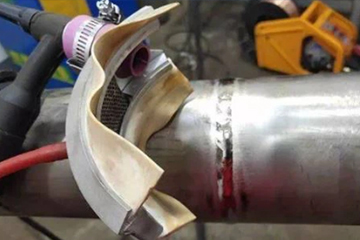
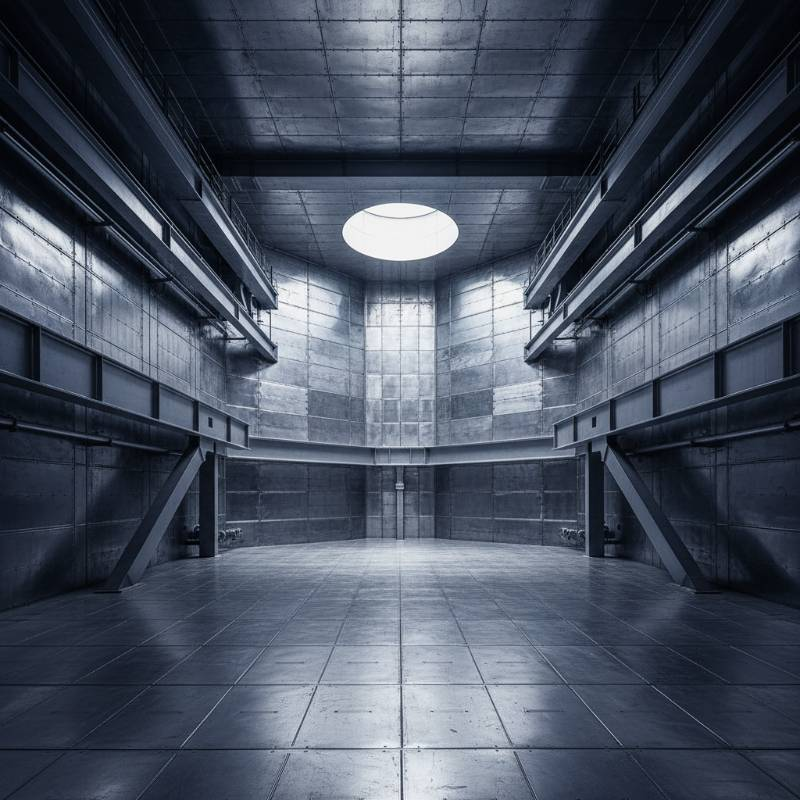
Handling AMS 4901 requires technical finesse. Because titanium is highly reactive to oxygen at high temperatures, all welding must be performed under an inert gas shield (Argon or Helium). TIG welding is the preferred method for maintaining the purity of the weld bead.
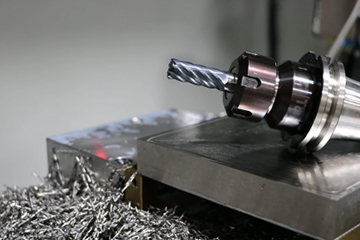
For cold forming, AMS 4901 is exceptionally forgiving. However, engineers must account for "springback"—the tendency of the metal to return to its original shape after bending. Using precision-ground cutting tools and slow feed rates prevents work hardening of the surface.
We recommend consulting the SAE International guidelines for specific bend radii to avoid micro-cracking during the fabrication of tight-diameter tubes or brackets.
Sustainability and the Circular Economy in Titanium Manufacturing
As of 2026, the aerospace industry has pivoted toward a "closed-loop" manufacturing model. Titanium is 100% recyclable without loss of quality. At China Titanium Factory, we have integrated scrap reclamation protocols that reduce energy consumption by 60% compared to primary ore processing.
This commitment to the circular economy is no longer optional. Modern ESG (Environmental, Social, and Governance) data requirements for aerospace contracts now mandate a documented "recycled content" percentage for all metallic components.
Technical FAQ: Troubleshooting AMS 4901 Applications
What is the main difference between AMS 4901 and AMS 4902?
AMS 4901 is Grade 1 titanium (highest purity, lowest strength), whereas AMS 4902 is Grade 2. Grade 2 is slightly stronger due to higher allowable oxygen content but is marginally less ductile than AMS 4901.
Can AMS 4901 be used in salt-water environments?
Yes. It is virtually immune to corrosion in seawater and most chloride environments, making it ideal for offshore LNG applications and desalination plant components.
What is the typical lead time for custom-cut titanium sheets?
Based on current 2026 market dynamics, standard sheets are often in stock. Custom-sized titanium plate manufacturing typically requires 4 to 8 weeks depending on the complexity of the finishing requirements.
Does AMS 4901 require heat treatment after forming?
Usually, no. It is supplied in the annealed condition. However, if extensive cold work has been performed, a stress-relief anneal may be necessary to restore maximum ductility.
Ready to Secure Your Aerospace Supply Chain?
Get precision-engineered AMS 4901 and MIL-T-9046 titanium sheets with full certification and global shipping. Our technical team is ready to assist with your material selection and project specs.
Request a Quote Today