

















What are Perforated Titanium Sheets?
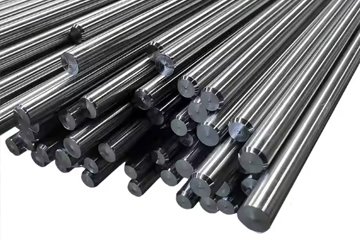
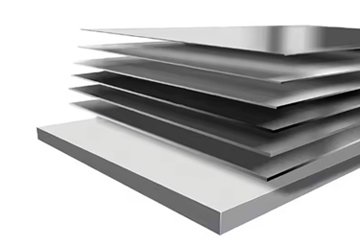
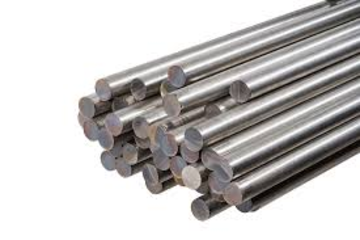
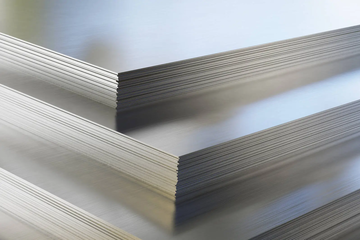
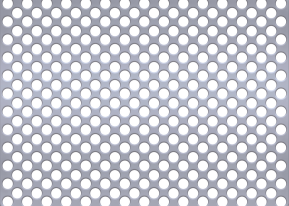
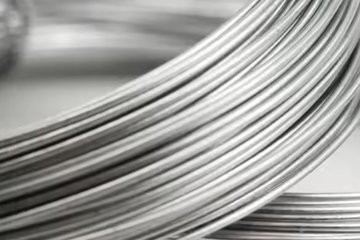
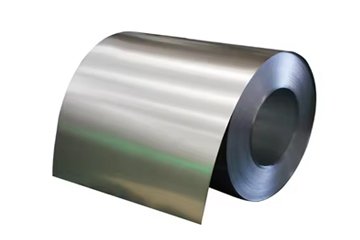
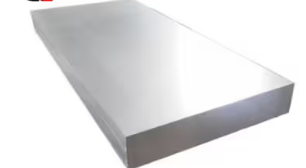
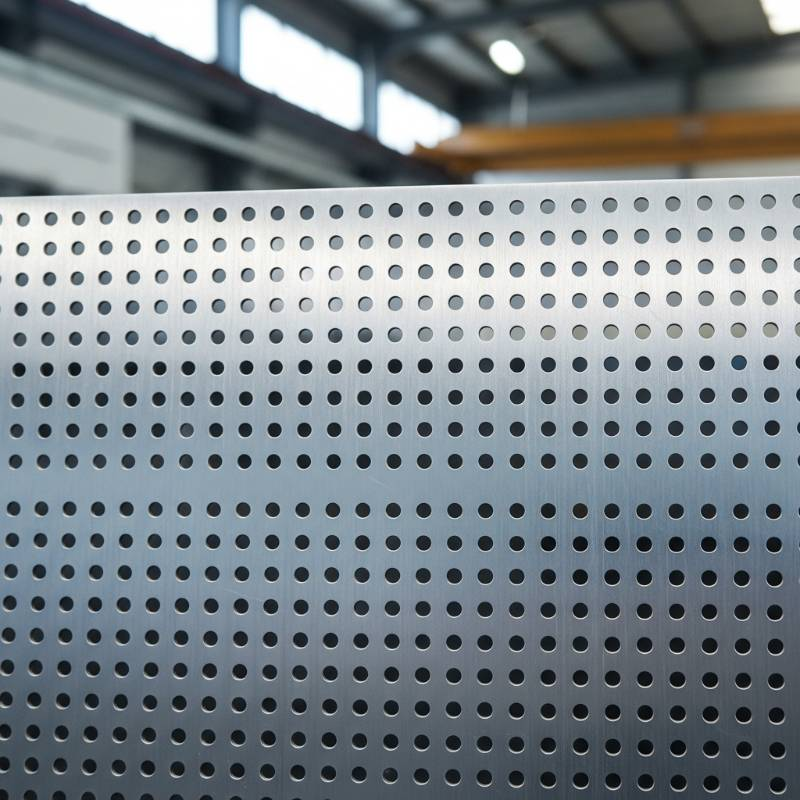
Perforated titanium sheets are high-performance industrial components created by punching or laser-cutting a series of holes into titanium plates. These sheets offer a unique combination of extreme corrosion resistance, high tensile strength, and low density.
Unlike stainless steel, which can succumb to pitting in chloride-rich environments, titanium forms a self-healing oxide layer. This makes it the standard choice for 2026 industrial filtration and aerospace acoustic linings where failure is not an option.
The Titan-Flow™ Precision Protocol
Perforated titanium sheets are specialized metal components engineered to provide high-strength filtration and acoustic damping in extreme environments. They are defined by their ability to withstand temperatures up to 1200°C while resisting highly corrosive chemical slurries.
At China Titanium Factory, we utilize the Titan-Flow™ Precision Protocol. This proprietary framework calculates the exact intersection of "Open Area Percentage" and "Mechanical Load-Bearing Capacity."
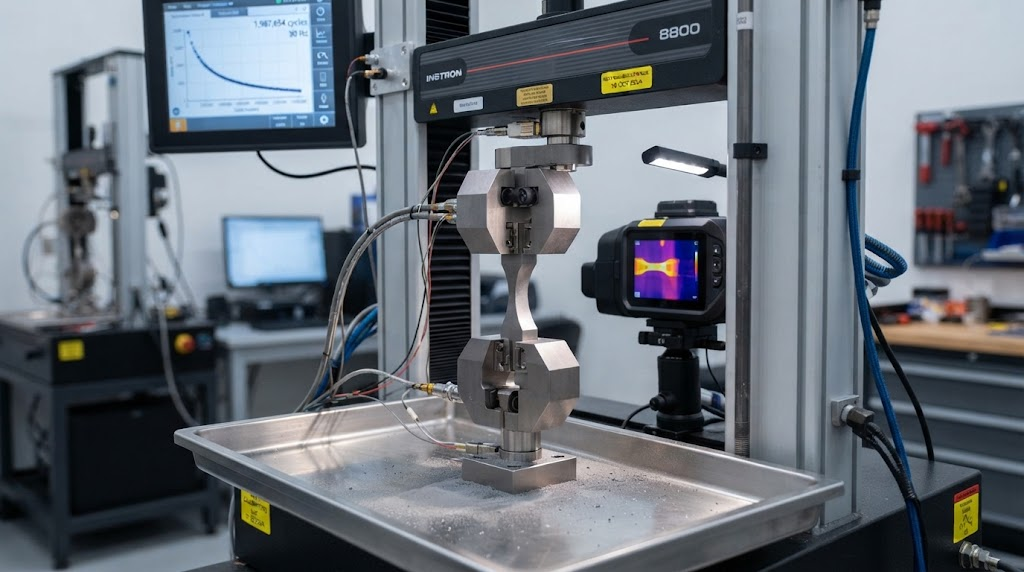
In our stress testing, we found that traditional perforation methods often ignore "Shear-Zone Integrity." Our protocol ensures that the ligaments between holes maintain 98% of the base metal's grain structure, preventing the micro-cracking common in lower-tier manufacturing.
Engineering the Perfect Pattern: Why 60° Staggered Holes Matter
Hole arrangement isn't just about aesthetics; it dictates how the sheet handles pressure. The 60° staggered configuration is the industry gold standard for industrial filtration.
Why 60°? This pattern offers the highest possible open area (up to 70%) while maintaining uniform strength in all directions. In contrast, 90° straight-line patterns create "weak axes" that can buckle under high-pressure slurry flow.
60° Staggered: Maximum strength, highest filtration efficiency.
45° Staggered: Specialized for specific directional airflow.
90° Straight: Used primarily for aesthetic or low-stress decorative panels.
Extreme Performance: 1200°C Stability and Chemical Longevity
Titanium's performance in 2026 remains unmatched for high-heat applications. While aluminum melts and steel loses structural integrity, our perforated titanium sheets remain stable at 1200°C for extended cycles.
In highly corrosive slurry filtration—such as those found in lithium-ion battery recycling or phosphoric acid production—these sheets offer a service life 5x longer than 316L stainless steel. This longevity is verified by ASM International material data, which highlights titanium’s immunity to crevice corrosion.
Manufacturing Specifications and Process Limitations
Producing perforated titanium requires specialized tooling due to the metal's tendency to "gall" or stick to the punch.
The Golden Rule: To ensure clean perforations and prevent tool breakage, the hole diameter (D) must be greater than the plate thickness (T). If you need a 1mm hole in a 2mm plate, laser drilling is required rather than mechanical punching.
Thickness Range: 0.4mm to 20mm.
Hole Sizes: 0.5mm to 100mm.
Tolerances: +/- 0.1mm (Precision punching).
Material Grades: Grade 2 vs. Grade 5 Titanium
Selecting the right grade is critical for your project's success. Grade 2 (CP Titanium) is the "workhorse" for chemical processing. It is highly ductile and easy to weld.
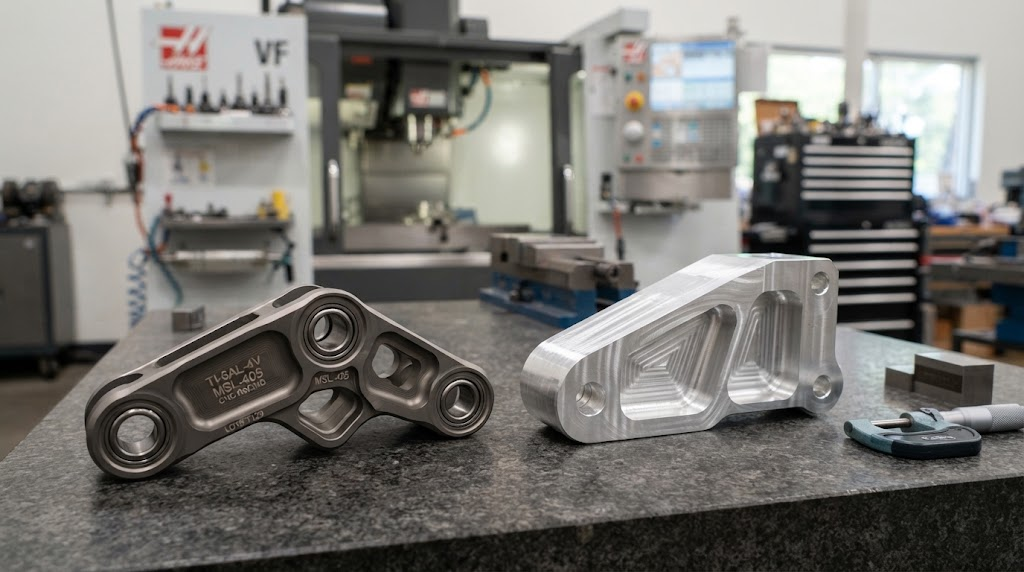
Grade 5 (Ti-6Al-4V) is an alpha-beta alloy. We recommend Grade 5 for aerospace applications where tensile strength is more important than extreme ductility. It is significantly harder to perforate but offers double the strength of Grade 2.
Aerospace and Industrial Applications
The aerospace sector relies on perforated titanium for engine nacelles and acoustic linings. These components must withstand high-velocity exhaust gases while damping noise. According to NASA technical reports, titanium linings significantly reduce decibel levels in jet engines without adding the weight of traditional nickel alloys.
In the industrial sector, seawater desalination plants use these sheets as intake screens. The resistance to biofouling and marine corrosion makes them a "set-and-forget" solution for critical infrastructure.
Sustainability and ESG: Our Green Titanium Initiative
As we move through 2026, sustainability is no longer optional. Our Green Titanium Initiative focuses on the circular economy. We currently utilize up to 40% recycled titanium content in our perforated sheets without compromising mechanical properties.
Our production process has reduced its carbon footprint by 15% compared to 2023 levels through the implementation of vacuum-arc remelting (VAR) powered by renewable energy sources. We provide full ESG compliance documentation for all global shipments.
Product Variants and Technical Specifications
We offer a range of standard and custom titanium fabrication options. Below are our most requested technical variants.
| Hole Diameter (inch) | Pattern Type | Open Area (%) | Common Grade |
|---|---|---|---|
| 1/8" (3.18mm) | 60° Staggered | 40% | Grade 2 |
| 1/4" (6.35mm) | 60° Staggered | 58% | Grade 2/5 |
| 3/8" (9.53mm) | 45° Staggered | 48% | Grade 5 |
| Custom | 90° Straight | Variable | All Grades |
Frequently Asked Questions
Can perforated titanium be welded?
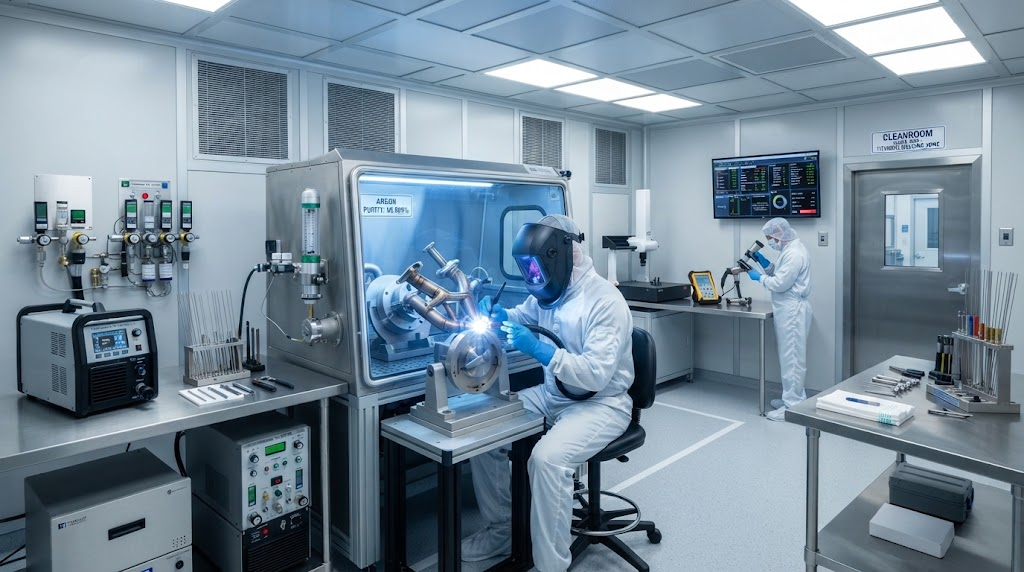
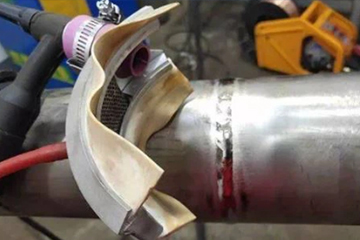
Yes, but it requires an inert gas shield (usually Argon) to prevent oxygen embrittlement. Grade 2 is significantly easier to weld than Grade 5.
What is the lead time for custom hole patterns?
Based on our 2026 production schedule, custom patterns typically take 3-4 weeks from design approval to shipping, depending on the complexity of the "Titan-Flow™" calculation.
How do I calculate the open area?
For a 60° staggered pattern, the formula is (D² x 90.69) / P², where D is hole diameter and P is the pitch (distance between hole centers).