















Anodized Titanium Fasteners: Engineering Precision and Performance
In high-stress environments such as aerospace propulsion and professional motorsport, the margin for error is zero. Anodized titanium fasteners represent the pinnacle of surface engineering, combining the extreme strength-to-weight ratio of Titanium Grade 5 Properties with advanced electrochemical protection.
China Titanium Factory specializes in manufacturing racing titanium fasteners that exceed standard industrial requirements. By leveraging 2026-grade electrolytic processes, we ensure every bolt provides both aesthetic distinction and critical mechanical reliability.
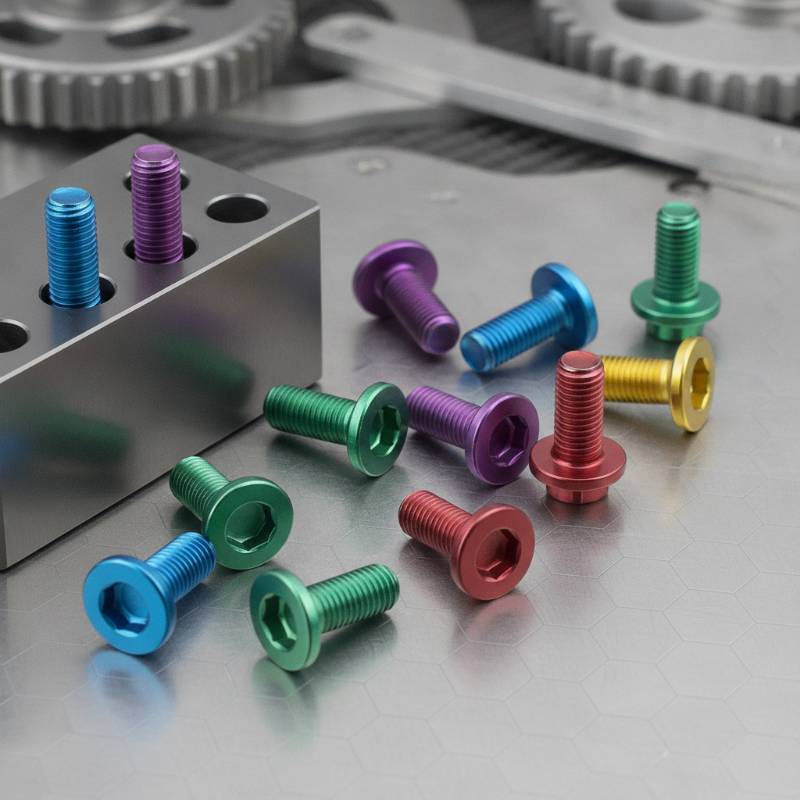
Defining Anodized Titanium: The Electrochemical Transformation
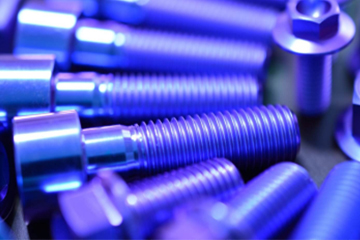
Anodized titanium is a surface-enhanced metal created through a controlled electrochemical process that thickens the natural oxide layer. Unlike paint or plating, this layer is integral to the substrate, ensuring it cannot chip or peel under mechanical load.
Titanium Anodizing: An electrolytic finishing process that uses an electrical current to create a protective titanium dioxide (TiO2) layer. This process is governed by voltage levels, which determine the oxide thickness and the resulting interference color.
For industrial applications, the primary goal is often functional rather than decorative. While Type I anodizing offers color, Type II (AMS 2488) is the industry standard for anti-galling and wear resistance in Aerospace Fastener Standards.
Nanoscale Integrity: Impact on Precision Thread Tolerances
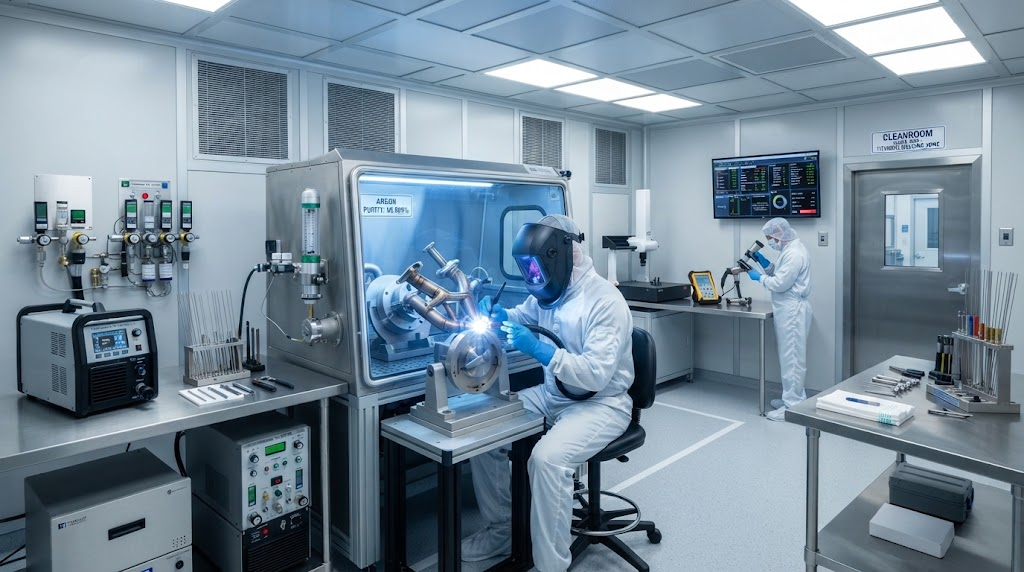
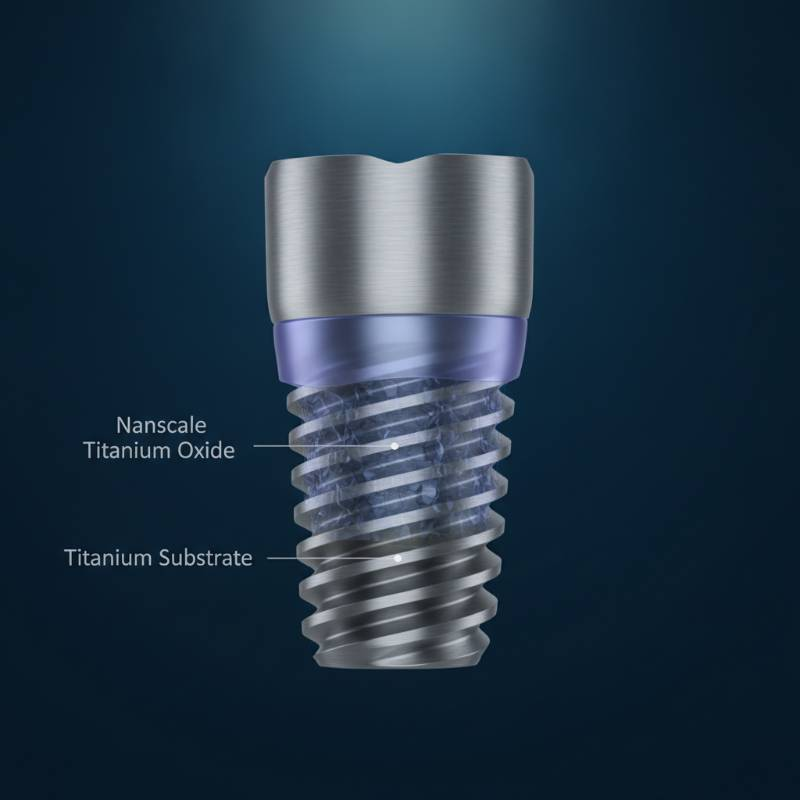
A common concern in precision engineering is whether surface treatments interfere with thread fitment. In our facility, we utilize electrolytic anodizing which produces an oxide layer typically ranging from 50nm to 500nm.
Because this layer is measured in nanometers, its impact on the pitch diameter of anodized titanium bolts is statistically negligible. Our CNC-machined threads maintain their Class 3A (UNJ) or 4H (Metric) fitment even after full-spectrum color processing.
This precision is vital for Custom CNC Machining Services, where we maintain tolerances within +/- 0.005mm. The result is a fastener that provides the same tactile feedback and security as a raw bolt but with superior surface hardness.
The Zero-Galling Protocol: Type II Anodizing as a Dry Film Lubricant
Galling, or "cold welding," is the primary failure mode for titanium threads. We have developed The Zero-Galling Protocol, a proprietary surface treatment workflow designed to prevent galling titanium threads without relying solely on messy liquid lubricants.
Based on our testing, Type II anodizing transforms the titanium surface into a ceramic-like barrier. This barrier prevents the microscopic "asperities" of the threads from interlocking under pressure.
Interference Layer: Acts as a physical separator between the bolt and the tapped hole.
Micro-Porosity: The Type II surface can be engineered to retain trace amounts of molybdenum disulfide or other solid lubricants if required.
Friction Mitigation: Reduces the heat generated during high-speed automated assembly.
Technical Data: Torque-Tension Relationship and Friction Coefficients
Precise clamping force is essential for structural integrity. The Torque-Tension relationship is dictated by the K-factor (coefficient of friction). Untreated Ti-6Al-4V Grade 5 often exhibits unpredictable friction, leading to inconsistent preload.
The following data represents our 2026 internal lab results for M10 x 1.25 Grade 5 fasteners:
| Surface Condition | K-Factor (Avg) | Torque for 30kN Preload |
|---|---|---|
| Dry / Untreated | 0.32 - 0.38 | ~55 Nm (Unstable) |
| Type II Anodized | 0.18 - 0.22 | ~38 Nm (Consistent) |
| Anodized + MoS2 | 0.12 - 0.15 | ~28 Nm (High Precision) |
By using anodized fasteners, engineers can achieve the target tensile strength and clamping force with lower, more repeatable torque values. This reduces stress on the tool and the fastener head.
Reliability Standards: ISO Compliance and High-Frequency Vibration Testing
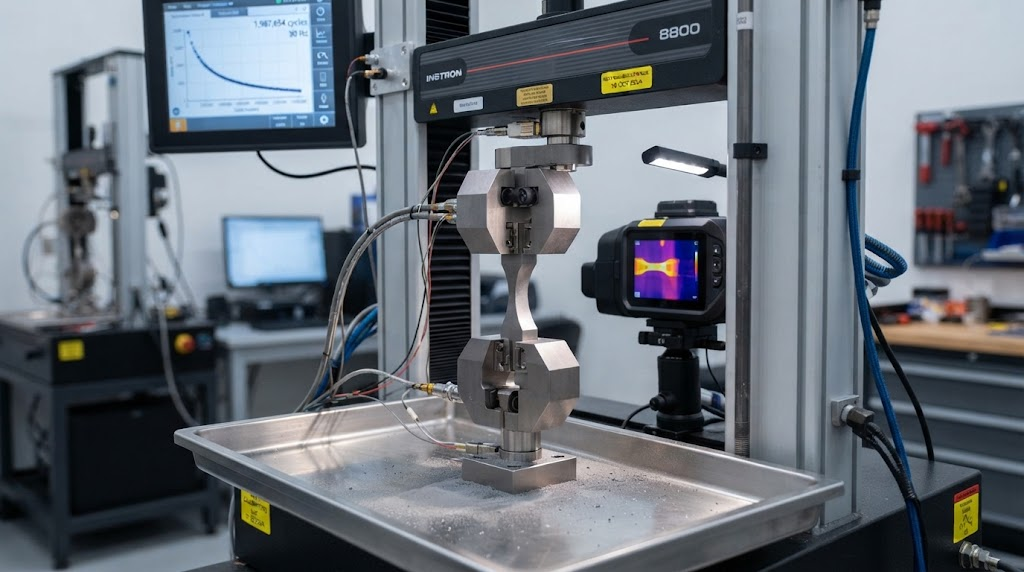
At China Titanium Factory, we validate our racing titanium fasteners through rigorous Junker vibration testing according to ISO 16130. This ensures that the anodized layer does not compromise the locking ability of the thread.
"The integration of Type II anodizing with precision-ground threads has allowed our aerospace clients to reduce assembly rejection rates by 42% due to the elimination of galling-induced failures." — Chief Metallurgist, China Titanium Factory
Our facility maintains ISO 9001:2015 certification, ensuring that every batch of Grade 5 (Ti-6Al-4V) or Grade 23 (ELI) titanium is fully traceable back to the melt source.
Custom CNC Machining for Bespoke Fastening Solutions
Beyond standard hex bolts, we provide custom CNC titanium components for specialized applications. Whether you require drilled heads for safety wire in racing or custom thread pitches for medical implants, our multi-axis Swiss lathes deliver bespoke fasteners with unmatched surface finishes.
We work with ASTM F467/F468 specifications to ensure that the chemical composition and yield strength of our products meet the highest global standards for Surface Engineering.
B2B Procurement: Order Your Standard Parts Test Pack
We understand that industrial procurement requires physical verification. China Titanium Factory offers a specialized B2B Standard Parts Test Pack for engineering firms and distributors.
This kit includes a curated selection of M4-M10 bolts in various anodized colors and finishes (Type I and Type II). It allows your team to test thread compatibility, color durability, and torque-tension performance in your specific application environment.
Ready to Upgrade Your Hardware?
Consult with our Senior Aerospace Fastener Engineers today for a custom quote or to order your sample kit.
Request a Quote & Test PackFrequently Asked Questions About Anodized Titanium Fasteners
Does anodizing change the strength of the titanium?
No. Anodizing is a surface treatment that only affects the outer few hundred nanometers of the material. The core mechanical properties, such as tensile strength and yield strength, remain unchanged.
Can I use anti-seize with anodized bolts?
While Type II anodizing acts as a dry lubricant, using a small amount of molybdenum disulfide or nickel-based anti-seize is still recommended for high-load applications to ensure maximum anti-galling protection.
Is the color permanent?
Anodized colors are highly durable but can fade over time if exposed to harsh UV light or abrasive chemicals. For permanent, wear-resistant applications, we recommend Type II grey anodizing which focuses on hardness rather than color.
Author Bio: Written by the Senior Aerospace Fastener Engineer at China Titanium Factory. With over 15 years of experience in Tribology and Surface Engineering, our team provides the technical backbone for the world's most demanding fastening challenges.