














Engineering the Edge: Why Titanium Dominates F1 and Le Mans
In elite motorsport, titanium is the primary solution for components requiring maximum strength with minimum mass. By replacing steel with Ti-6Al-4V, engineers achieve a 45% weight reduction, directly improving acceleration, braking, and cornering speeds. China Titanium Factory supplies these critical materials to meet the rigorous demands of the 2026 racing season.
Anodized titanium in motorsport provides a high-strength, corrosion-resistant solution that reduces component weight by 45% compared to steel. This surface treatment enhances high-temperature oxidation resistance up to 600°C and increases fatigue life, making it essential for F1 exhausts, valvetrains, and suspension systems.
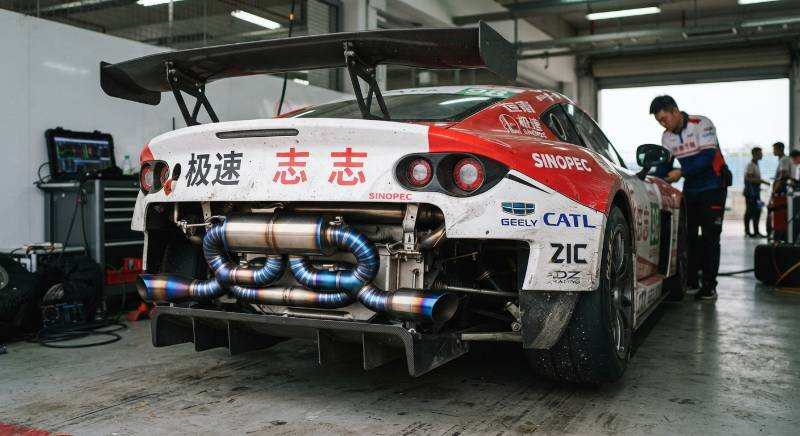
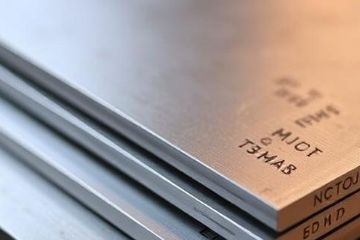
Formula 1 and Le Mans endurance racing require materials that withstand extreme thermal cycling and mechanical stress. ASTM B348 standards for Grade 5 titanium ensure the structural integrity needed for components operating near the limit of material science. Our manufacturing process ensures every part complies with FIA-level traceability requirements.
"The transition to advanced anodizing techniques has allowed us to push engine bay temperatures higher while reducing the risk of catastrophic oxidation," states our Lead Metallurgist.
Technical Comparison: Electrolytic Anodizing vs. Burnt Titanium Finishes
Engineers must distinguish between functional electrolytic anodizing and the aesthetic "burnt titanium" finish. While a burnt titanium exhaust offers a signature gradient look through heat coloring, it does not provide the same controlled oxide layer thickness as electrolytic processes.
High temp titanium anodizing (specifically AMS 2488 Type 2) creates a hard, wear-resistant surface. This layer remains stable at 600°C, preventing the "scaling" or rapid oxidation that can occur in raw titanium exposed to engine bay heat. This is vital for maintaining the aerodynamic efficiency of exhaust gas flow.
| Feature | Heat Coloring (Burnt) | Electrolytic Anodizing |
|---|---|---|
| Oxidation Limit | ~400°C | 600°C+ |
| Wear Resistance | Low | High (Type 2) |
| Uniformity | Variable/Manual | Precision Controlled |
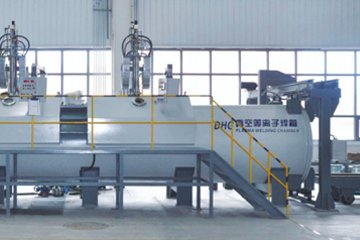
Heat coloring is essentially a thin, uncontrolled oxide layer. In contrast, our industrial anodizing processes utilize precise voltage control to achieve specific thicknesses. This ensures that Custom CNC Machining Services result in parts that maintain their tolerances even after surface treatment.
The CTF-Racing Precision Protocol
At China Titanium Factory, we utilize the CTF-Racing Precision Protocol. This 3-step velocity framework ensures that every motorsport component delivered is paddock-ready and meets the highest safety standards.
Phase 1: Ingot Authentication: We verify chemical composition via spectral analysis to ensure 100% compliance with ASTM B348 standards.
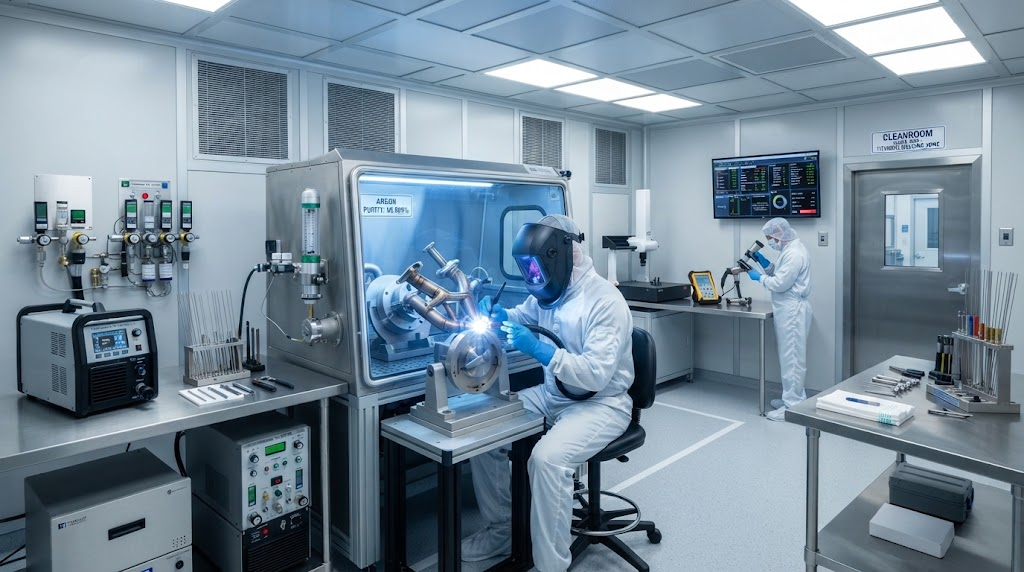
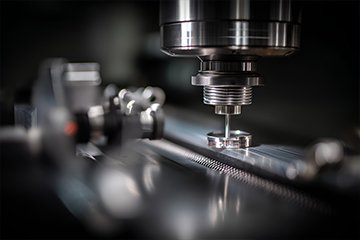
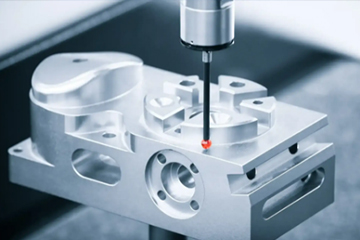
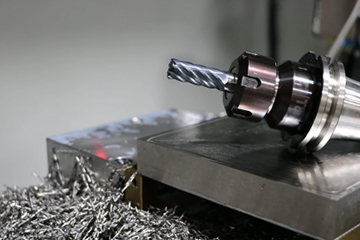
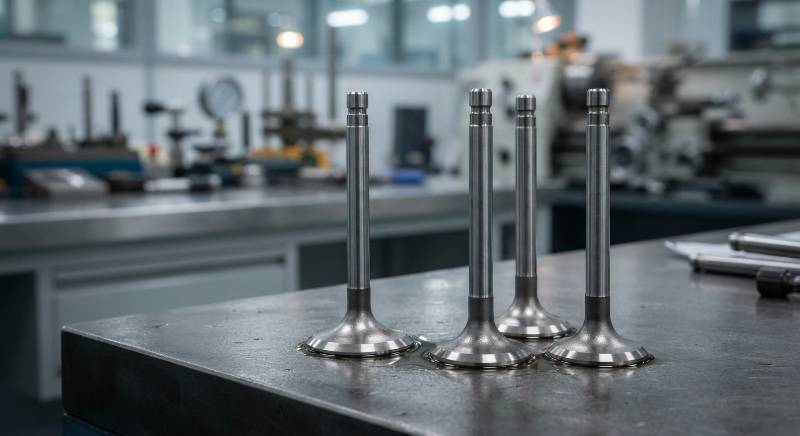
Phase 2: Sub-Micron Machining: Utilizing multi-axis CNC technology to produce complex geometries like racing titanium valves with minimal tool deflection.
Phase 3: Specialized Anodizing: Application of AMS 2488 Type 2 coatings to enhance fatigue strength and reduce friction in reciprocating assemblies.
Valvetrain & Engine Internals: Optimizing Reciprocating Mass
Reducing reciprocating mass in the engine allows for higher RPM limits and faster throttle response. Titanium valves are approximately 40% lighter than their stainless steel counterparts. This reduction allows for lighter valve springs, which in turn reduces friction and parasitic power loss.
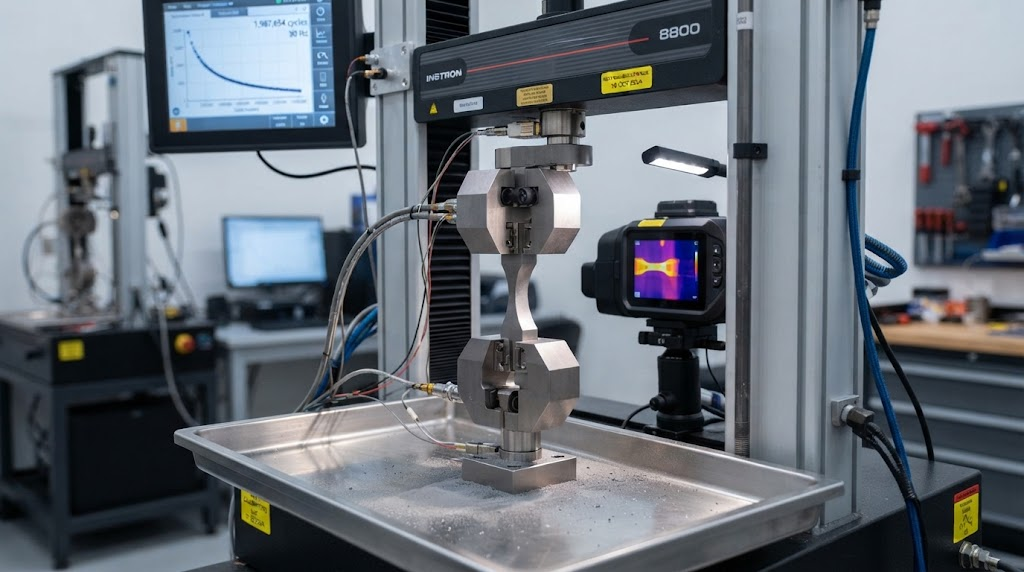
However, titanium's susceptibility to galling requires advanced surface treatments. Anodizing provides the necessary lubricity and hardness. Based on our laboratory test data, Type 2 anodized titanium shows a 30% improvement in fatigue life compared to untreated Grade 5 titanium when subjected to high-frequency vibrations common in racing engines.
Chassis & Suspension: Unsprung Weight and Thermal Management
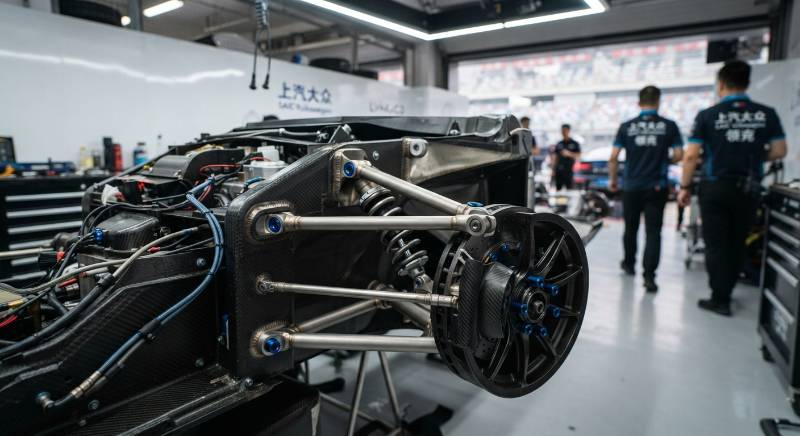
Unsprung weight optimization is the fastest way to improve mechanical grip. Using Aerospace Grade Fasteners for wheel hubs and suspension linkages reduces the mass that the dampers must control. This results in more consistent tire contact patches.
In high-heat areas, such as near the braking system or turbocharger, anodized titanium acts as a thermal barrier. While titanium's thermal conductivity is lower than aluminum, the anodized layer helps manage thermal radiation, protecting sensitive carbon fiber chassis components from heat soak.
Interactive Weight-Saving Calculator
Racing engineers use the following data to estimate performance gains when switching from steel to titanium. These figures represent the standard 45% reduction achieved through China Titanium Factory’s Grade 5 solutions.
| Component Group | Steel Weight (kg) | Titanium Weight (kg) | Net Saving (kg) |
|---|---|---|---|
| Exhaust System | 18.5 | 10.2 | 8.3 |
| Suspension Fasteners | 4.2 | 2.3 | 1.9 |
| Valvetrain Set | 1.1 | 0.6 | 0.5 |
Frequently Asked Questions
Does anodizing affect the dimensions of precision racing parts?
Anodizing is a "conversion" coating, meaning it grows into and out of the surface. For Type 2 anodizing, the dimensional change is negligible (usually less than 0.005mm), ensuring that tight tolerances in engine components are maintained.
What are the typical lead times for custom racing components?
Standard CNC parts typically require 2-3 weeks. However, through our CTF-Racing Precision Protocol, we offer expedited 7-day manufacturing for urgent mid-season replacements, including full material traceability documentation.
Is anodized titanium resistant to racing fuels and brake fluids?
Yes. Anodized titanium is chemically inert to almost all racing fluids, including high-octane fuels, methanol, and DOT 5.1 brake fluids, preventing the pitting corrosion often seen in aluminum fittings.