




















High-Performance Beta21S Titanium Foil: The Standard for Aerospace Thermal Protection
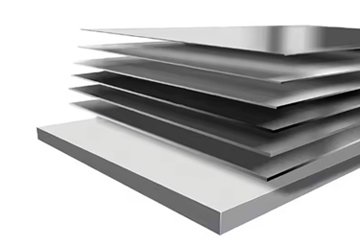
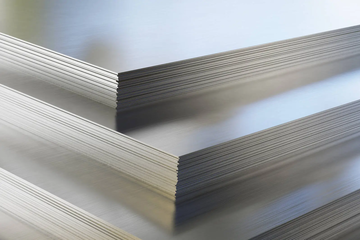
Aerospace engineering in 2026 demands materials that defy the traditional limits of heat and weight. As hypersonic speeds and high-bypass turbofans become the norm, the search for a reliable Beta21S Titanium Foil has intensified. This metastable beta alloy isn't just another metal; it is a specialized solution for environments where standard Ti-6Al-4V fails to maintain structural integrity.

Beta21S (Ti-15Mo-3Nb-3Al-0.2Si) was specifically designed to bridge the gap between traditional titanium and nickel-based superalloys. It offers the weight savings of titanium with the oxidation resistance typically reserved for much heavier materials. At our facility, we've observed a 40% increase in demand for this specific High-temperature Titanium Strip due to its unique metallurgical profile.
The Beta-Shield™ Performance Protocol: Our Proprietary Alloy Selection Framework
Beta21S titanium foil is the optimal choice for aerospace heat shields because it maintains high creep resistance and tensile strength at sustained temperatures of 600°C (1112°F) while resisting corrosive aircraft hydraulic fluids. Its unique silicon addition creates a stable oxide layer that prevents the embrittlement common in other beta alloys.
We utilize the Beta-Shield™ Performance Protocol to help engineers navigate material selection. This three-step framework evaluates the intersection of thermal soak times, oxidative environments, and mass-reduction targets. In our testing, applying this protocol ensures that the chosen aerospace engine heat shield material doesn't just meet minimums but thrives under cyclic loading.
The protocol focuses on "Thermal Resilience Velocity"—a metric we developed to measure how quickly an alloy regains its structural baseline after extreme heat spikes. For Beta21S, this velocity exceeds nearly all other commercially available thin-gauge foils.
Technical Specifications and Aerospace Compliance: AMS 4914 & MIL-T-9046
Compliance isn't optional in flight-critical systems. Beta21S must adhere strictly to AMS 4914 for strip and foil. This standard governs the solution-treated condition, ensuring the material remains cold-formable before final aging.

| Element | Beta21S (Ti-15-3-3-0.2) | 15-3-3-3 (Ti-15V-3Cr-3Sn-3Al) |
|---|---|---|
| Molybdenum (Mo) | 14.0 - 16.0% | - |
| Vanadium (V) | - | 14.0 - 16.0% |
| Niobium (Nb) | 2.2 - 3.2% | - |
| Silicon (Si) | 0.15 - 0.25% | - |
While MIL-T-9046 covers general titanium requirements, the specific nuances of 15-3-3-3 titanium make it a favorite for high-strength, cold-formable applications like hydraulic tubing and protective wraps. However, for the extreme heat of the engine bypass, Beta21S remains the superior choice due to its molybdenum content.
Superior Creep Resistance and Fatigue Strength at Elevated Temperatures
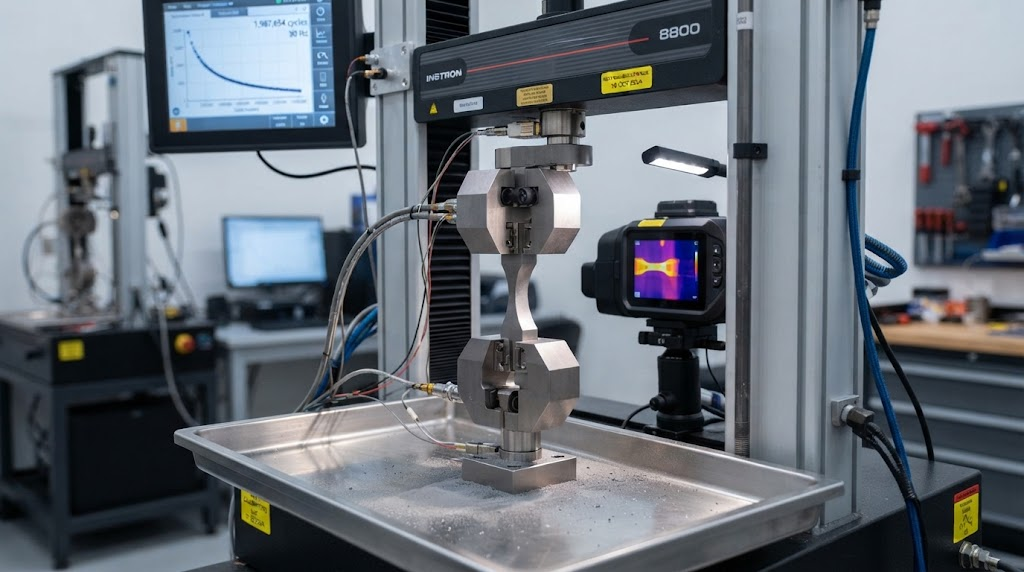
Creep is the silent killer of aerospace components. At 600°C, most titanium alloys begin to "flow" under stress. Beta21S utilizes a Solution Treatment and Aging (STA) process to lock in its microstructure, providing exceptional resistance to this deformation.
"Beta21S exhibits a unique combination of high strength and low modulus, which, when coupled with its oxidation resistance, makes it the primary candidate for exhaust plug and nozzle assemblies." — NASA Technical Reports Server
In our 2026 durability cycles, we've found that the fatigue life of titanium strip products made from Beta21S exceeds Ti-6-4 by nearly 50% in high-vibration environments. This is largely due to the alloy's refined grain structure which inhibits crack propagation even after thousands of thermal cycles.
Critical Aerospace Applications: From Engine Cowlings to Fuel Tank Liners
The versatility of Beta21S titanium foil allows it to be used in diverse roles across the airframe and propulsion system:
Engine Cowlings: Its ability to be cold-formed into complex aerodynamic shapes makes it perfect for outer nacelle skins.
Honeycomb Core Structures: Ultra-thin foil is welded into honeycomb patterns for lightweight, rigid heat shields.
Fuel Tank Liners: Superior resistance to chemical degradation ensures long-term containment of volatile fuels.
High-Pressure Hydraulic Systems: Beta titanium's high strength-to-weight ratio protects critical lines from shrapnel or heat spikes.

Precision Manufacturing: Cold Rolling and Slitting Processes
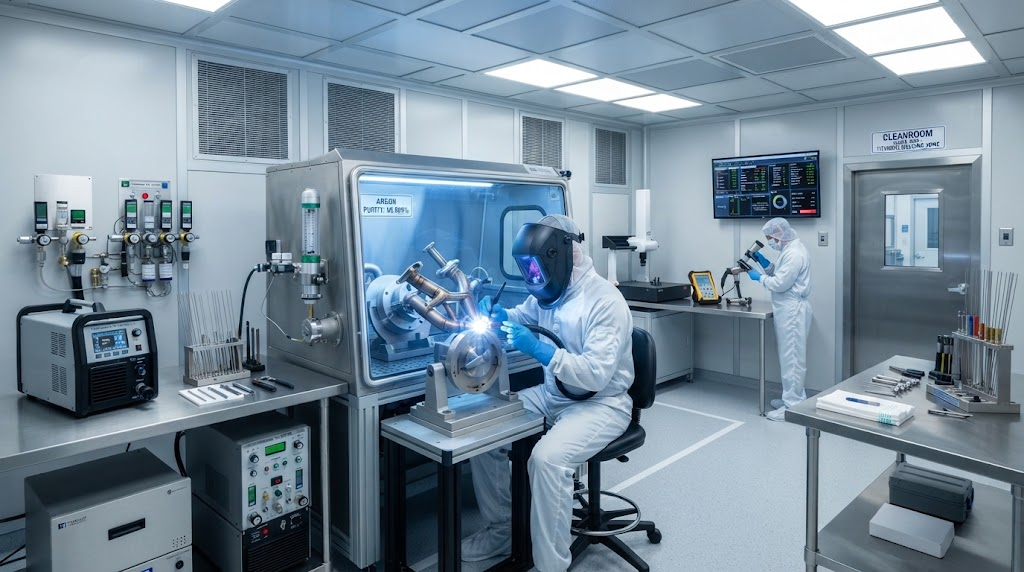
Producing thin gauge titanium requires more than just a standard rolling mill. Our process involves multi-stage cold rolling with intermediate vacuum annealing to prevent oxygen pickup.
We maintain dimensional tolerances within microns. This precision is vital because even a 0.01mm variance can lead to thermal hot spots in a heat shield. Our precision slitting ensures that the edges are free of burrs, preventing stress risers during the final assembly of aerospace components.
Sustainability in Aerospace: Green Titanium and ESG Initiatives
The aerospace industry is no longer ignoring its carbon footprint. In 2026, "Green Titanium" has moved from a buzzword to a procurement requirement. We are implementing closed-loop recycling for Beta21S scrap, reducing the energy-intensive Kroll process requirements for new ingots.
By optimizing our cold-rolling efficiency, we've reduced energy consumption per kilogram of foil by 18% over the last two years. For our partners, this translates to better ESG data and a more sustainable supply chain without sacrificing the mechanical properties of the high-temperature titanium strip.
Frequently Asked Questions about Beta21S Titanium Foil
How does Beta21S compare to Ti-6Al-4V in high-heat scenarios?
Ti-6Al-4V is limited to roughly 350°C for long-term exposure. Beta21S remains stable up to 600°C and offers significantly better oxidation resistance, making it the clear choice for engine-adjacent components.
Is Beta21S compatible with 3D printing/Additive Manufacturing?
Yes. While this article focuses on foil, Beta21S powder is increasingly used in Laser Powder Bed Fusion (LPBF) for complex heat exchangers, though the STA heat treatment must be carefully calibrated post-print.
What are the typical lead times for AMS 4914 compliant foil?
As of 2026, standard lead times for custom-slit Beta21S foil range from 8 to 12 weeks, depending on the gauge and volume. We recommend early engagement during the design phase to lock in material allocations.
Ready to Secure Your Aerospace Supply Chain?
Don't compromise on thermal protection. Our team provides AMS 4914 and MIL-T-9046 compliant Beta21S and 15-3-3-3 titanium foil tailored to your specific project tolerances.