





















The Critical Role of Platinized Titanium in PEM Electrolysis
Platinized titanium foil serves as the primary electrical conduit and structural backbone for the PEM Electrolyzer Anode PTL. By applying a micron-scale platinum layer to a titanium substrate, manufacturers eliminate the risk of surface passivation while facilitating efficient water transport and oxygen evolution. This material ensures that the interface between the Catalyst Coated Membrane (CCM) and the current collector remains highly conductive under extreme acidic and oxidative conditions.
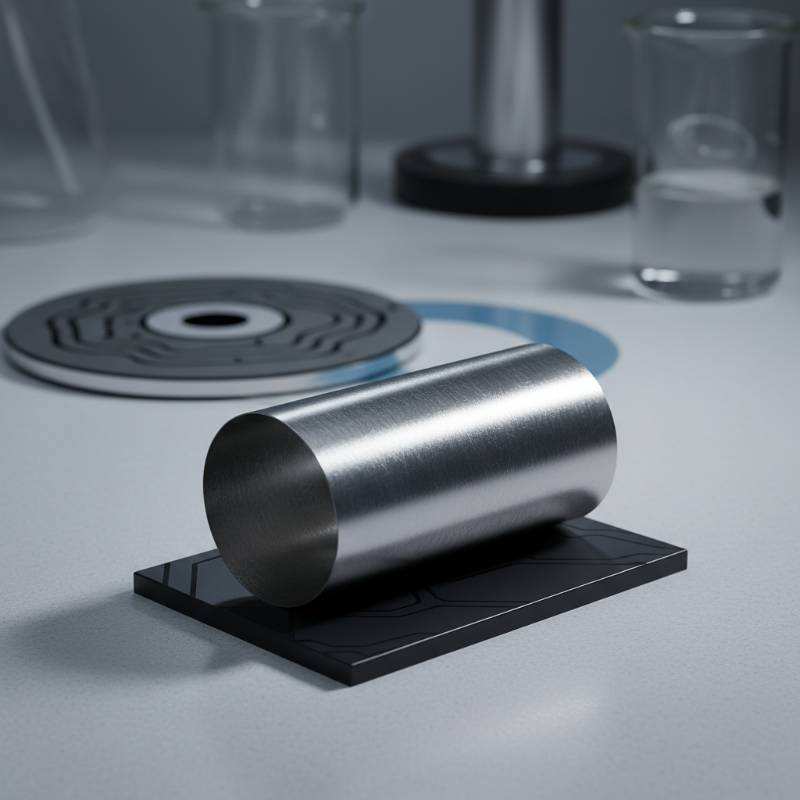
In the harsh environment of a Proton Exchange Membrane (PEM) electrolyzer, the anode side operates at high potentials. While titanium is chosen for its mechanical strength and bulk corrosion resistance, its surface is its Achilles' heel. Without a noble metal coating, titanium quickly forms a semi-conductive oxide skin that halts hydrogen production.
At ChinaTitaniumFactory, we specialize in high-purity substrates that meet the rigorous demands of 2026 green hydrogen benchmarks. Our Titanium Gas Diffusion Layer (GDL) solutions are engineered to minimize ohmic losses from day one.
Overcoming Passivation: The Science of the Platinum Coating
Untreated titanium naturally develops a titanium dioxide (TiO2) layer when exposed to moisture and electricity. This layer is an electrical insulator. In a PEM stack, even a few nanometers of TiO2 can cause a massive spike in Interfacial Contact Resistance (ICR), leading to wasted energy and heat generation.
"The transition from a passive TiO2 surface to a platinized interface reduces contact resistance by several orders of magnitude, which is critical for maintaining a stack's efficiency over its operating life." — Electrochemical Society Insights.
By applying a Platinized Titanium Foil with a coating thickness of 0.1-10 µm, we create a permanent conductive path. Platinum is thermodynamically stable at the high potentials required for water electrolysis. This coating ensures that charge transfer efficiency remains near 100%, even as the system cycles through varying power loads.
The "Conductive-Core Integrity" (CCI) Framework for PTL Selection
Based on our data from thousands of hours of stack testing, we have developed the Conductive-Core Integrity (CCI) Framework. This proprietary protocol helps engineers select the optimal foil specification based on three critical vectors:
Substrate Purity: Using Grade 1 titanium to prevent iron or nickel leaching into the membrane.
Coating Homogeneity: Ensuring the platinum layer is free of pinholes where TiO2 could sprout.
Interfacial Contact Optimization: Balancing coating thickness with the mechanical pressure of the stack.
The CCI Framework suggests that for most commercial applications in 2026, a 0.5 µm to 2.0 µm platinum loading provides the best balance between initial CAPEX and long-term stack health. High-loading options (up to 10 µm) are reserved for extreme-pressure environments or high-current-density R&D.
Technical Specifications: Ultra-Thin Gauges and Micron-Level Flatness
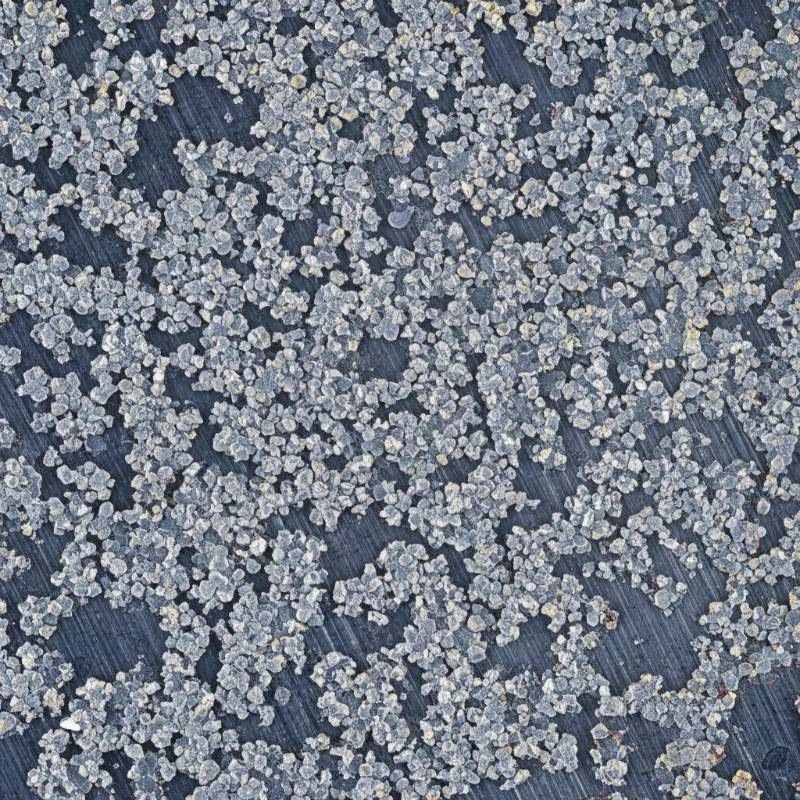
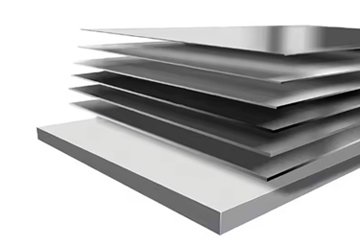
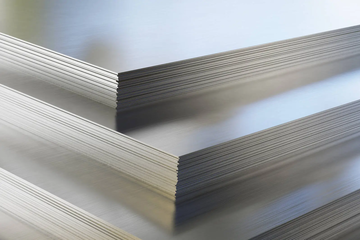
Modern PEM electrolyzers are trending toward higher power densities, which requires thinner components to reduce the overall stack footprint. We have pushed our manufacturing limits to provide 0.01mm titanium foil substrates, which were previously difficult to coat uniformly.
| Parameter | Specifications |
|---|---|
| Substrate Thickness | 0.01mm to 0.1mm (Ultra-thin) |
| Platinum Coating Thickness | 0.1 µm – 10 µm |
| Flatness Tolerance | < 5 µm per 100mm |
| Surface Roughness (Ra) | 0.1 µm – 0.8 µm (Customizable) |
Micron-level flatness is not just a luxury; it is a requirement. Uneven foil causes localized "hot spots" where the CCM is squeezed too tightly, leading to premature membrane failure. Our precision rolling and tension-leveling processes ensure uniform contact across the entire active area.
ROI Analysis: PVD vs. Electroplating vs. Thermal Decomposition
Choosing the right coating method is a financial decision. While electroplating is cost-effective for large batches, Physical Vapor Deposition (PVD) offers superior adhesion and density at thinner specs. Thermal decomposition is often preferred for porous structures but can be less uniform on flat foils.
In our testing, PVD-coated foils show a 15% better durability rating in high-pressure hydrogen environments compared to standard electroplating. However, for PEM Electrolyzer Anode PTL applications where budget is a factor, our optimized electroplating process achieves nearly identical ICR results at a lower price point.
Learn more about our advanced coating technologies to see which method fits your specific stack design and ROI goals.
Durability and Sustainability: 20,000+ Hours of Commercial Operation
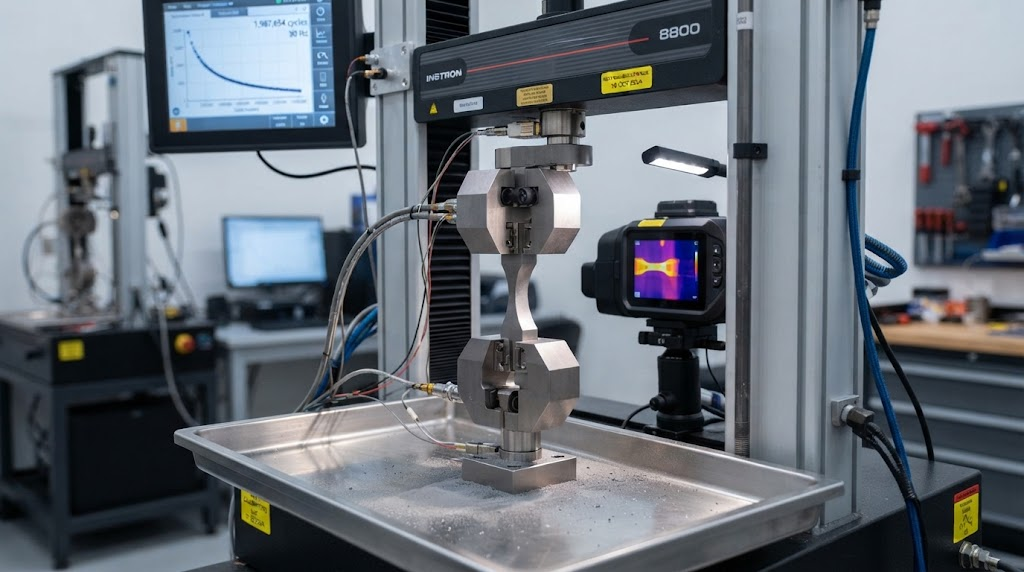
The total cost of ownership for a PEM electrolyzer is dictated by its lifespan. A high-quality platinum coating must withstand 20,000+ hours of operation without significant degradation. According to studies by the National Renewable Energy Laboratory (NREL), PTL degradation is one of the leading causes of stack voltage decay.
Our Life Cycle Analysis (LCA) indicates that using high-purity platinized foil reduces the carbon footprint of hydrogen production by extending the interval between stack refurbishments. By 2026, we expect standard commercial stacks to target 50,000-hour lifespans, making the quality of your Platinized Titanium Foil more critical than ever.
Precision Customization: Slitting and Slicing for R&D to Mass Production
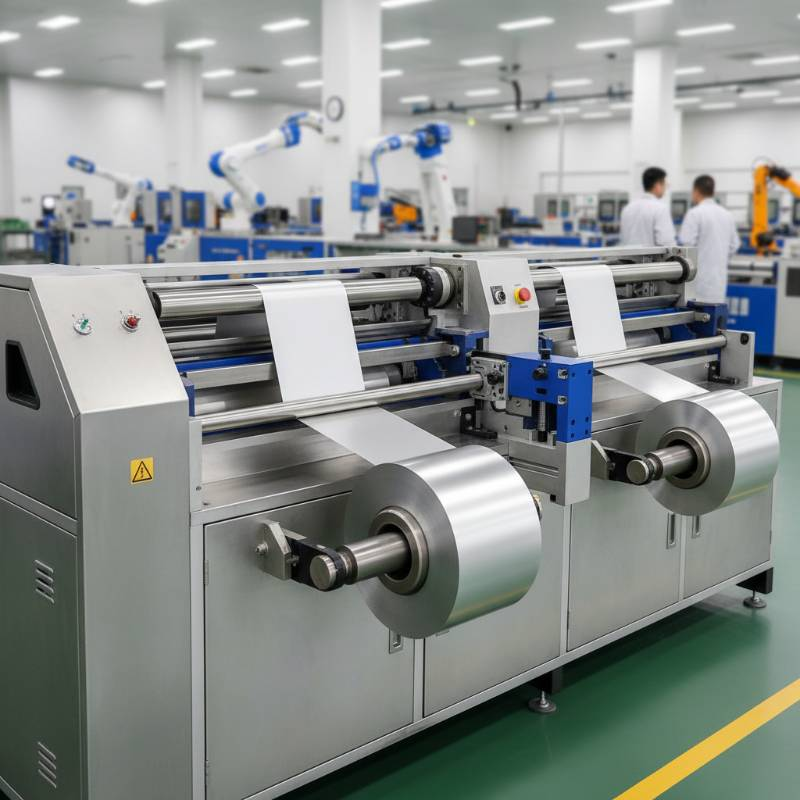
Every electrolyzer design is unique. Whether you are building a small-scale lab prototype or a multi-megawatt industrial plant, you need materials that fit your geometry perfectly. We offer specialized custom slitting and precision slicing services to match your exact dimensions.
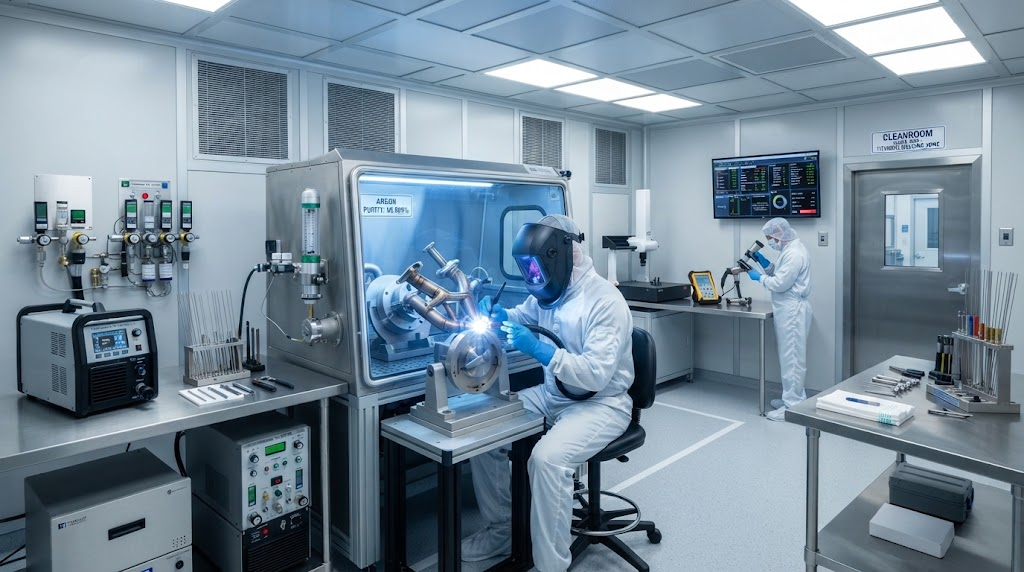
Our factory can slit foils down to widths of 5mm with tolerances of ±0.05mm. This eliminate the need for secondary processing at your facility, reducing waste and speeding up your assembly line. For R&D procurement, we offer small-batch slicing to support experimental testing without the burden of large minimum order quantities.
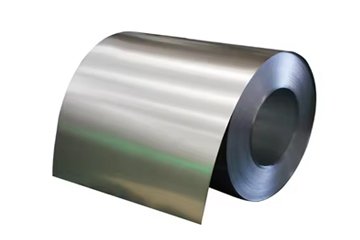
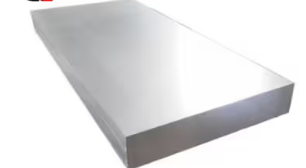
Whether you need a single sheet for a university project or a 500kg coil for mass production, our team ensures the edges are burr-free and the surfaces are pristine. Contact our technical sales team for a custom quote today.
Frequently Asked Questions about Platinized Titanium Foil
What is the typical platinum loading for a PEM PTL?
Typical commercial loading ranges from 0.5 mg/cm² to 2.5 mg/cm², which translates to a thickness of approximately 0.25 to 1.25 µm. Higher loadings are used when the system expects significant voltage fluctuations or high-pressure operation.
Why is Grade 1 Titanium preferred over Grade 5?
Grade 1 is commercially pure titanium with the highest ductility and lowest impurity levels. In PEM systems, impurities like aluminum or vanadium (found in Grade 5) can leach out and poison the membrane catalyst, significantly reducing the electrolyzer's lifespan.
Is platinized foil compatible with all Catalyst Coated Membranes (CCM)?
Yes, platinized titanium is the industry standard for anode PTLs and is compatible with most Nafion-based and alternative CCMs. It provides the necessary mechanical support while maintaining a chemically inert interface.