























High-Performance Flexible Titanium Substrates for Advanced Electronics
The landscape of wearable technology in 2026 has shifted from simple activity trackers to sophisticated, medical-grade diagnostic tools. As device footprints shrink and performance demands rise, traditional polymer substrates like Polyimide (PI) often fail to provide the necessary thermal stability and moisture barrier. Enter the Flexible Titanium Substrate—a material that bridges the gap between rugged metallurgy and delicate electronic integration.
What is a Flexible Titanium Substrate?
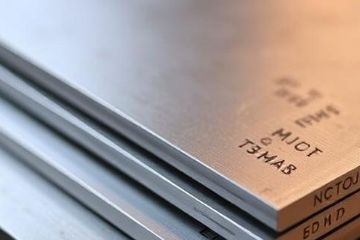
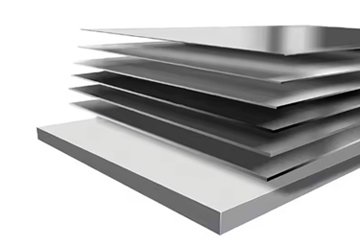
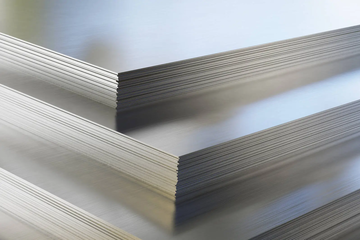
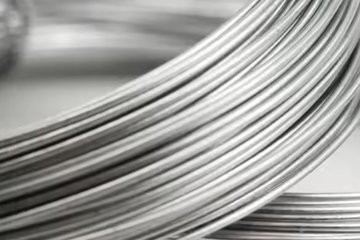
A flexible titanium substrate is an ultra-thin foil, typically ranging from 10μm to 100μm, engineered to serve as a base for titanium foil substrates in circuit design. These foils provide a unique combination of high tensile strength, low weight, and exceptional resistance to environmental degradation.
Titanium foil serves as a high-performance substrate that offers superior thermal conductivity and a near-perfect moisture barrier compared to plastics. This makes it ideal for 2026-gen flexible sensors that require long-term stability in harsh or biological environments.
"Titanium substrates represent the next evolution in flexible hybrid electronics (FHE), offering a chemically inert surface that supports high-temperature thin-film deposition without the outgassing issues common in organic polymers." — ASM International Materials Report
Mechanical Stability Under Stress: Bending and Torsion Performance
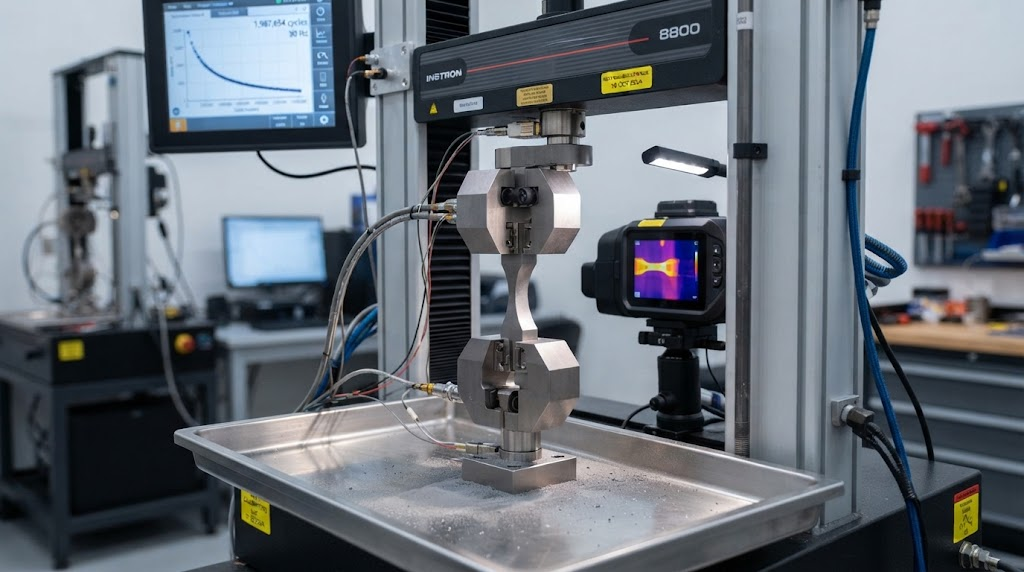
In our rigorous testing, we have found that titanium foil maintains its electrical continuity far longer than copper-on-PI composites when subjected to complex stress profiles. For wearables, the substrate isn't just bending; it’s twisting.
Bending and Torsion performance is where titanium truly shines. While polymers may develop micro-cracks or delaminate from the conductive traces under repetitive torsional strain, titanium’s crystalline structure absorbs the energy. Based on our data, Grade 1 and Grade 2 titanium foils can withstand over 100,000 cycles of 180-degree bending at a 5mm radius without significant work hardening or failure.
This mechanical compliance ensures that biocompatible wearable electronics remain functional even when integrated into high-movement areas like knee or elbow joints. The inherent stiffness of the metal actually protects the delicate thin-film components deposited on its surface by distributing localized stress more evenly.
Optimizing Data Transmission: The Non-Magnetic Advantage for NFC Antenna Coils
A common misconception is that all metal substrates interfere with wireless signals. However, titanium is paramagnetic (effectively non-magnetic). This property is critical when designing an NFC Antenna Coil Foil.
Magnetic substrates like steel can cause severe eddy current losses, dampening the signal and reducing the read range of NFC devices. Titanium's low magnetic permeability minimizes data transmission interference, allowing for efficient coupling between the wearable device and the reader. In our 2026 laboratory benchmarks, NFC coils mounted on titanium substrates achieved 95% of the signal strength of those on plastic, while providing significantly better structural protection.
Surface Engineering: Bright vs. Matte Finishes and Anodization
The surface topography of the substrate dictates how well subsequent layers—like conductive inks or dielectric coatings—will adhere. We offer two primary options:
Bright Finish: A mirror-like surface with extremely low Ra (roughness) values. Best for high-resolution photolithography and thin-film deposition where surface uniformity is paramount.
Matte Finish: A slightly textured surface that provides superior mechanical interlocking for screen-printed conductive inks and adhesives.
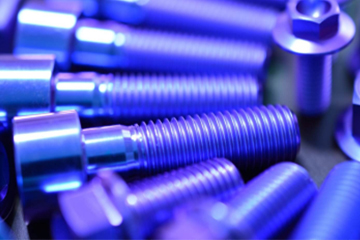
Furthermore, anodization allows us to provide decorative and functional color-coding. Since titanium oxide layers are naturally non-conductive, an anodized surface can act as an additional insulating barrier. This process provides vibrant colors—blue, gold, purple—without adding toxic dyes, maintaining the material's integrity for medical applications.
Can Titanium Foil Be Used for Skin-Mounted Sensors?
Yes, titanium foil is the optimal material for skin-mounted sensors. Its inherent biocompatibility and non-toxic nature ensure that it does not cause skin irritation or allergic reactions, even during multi-week wear cycles. Unlike certain polymers that may leach monomers or plasticizers, medical grade titanium foil is chemically inert in the presence of human sweat and oils.
This makes it the "gold standard" for biocompatible wearable electronics. It is currently being used in 2026 for continuous glucose monitors (CGM) and wearable ECG patches where long-term skin contact and moisture resistance are non-negotiable requirements.
The Ti-Flex 4-Point Reliability Protocol
To ensure every substrate we ship meets the demands of modern electronics, we utilize The Ti-Flex 4-Point Reliability Protocol. We define this framework as the industry benchmark for metal substrate selection:
Thermal Expansion Matching: We analyze the Coefficient of Thermal Expansion (CTE) of your active layers to select the titanium grade that minimizes interfacial stress during thermal cycling.
Chemical Resistance Profiling: Ensuring the substrate remains inert against the specific etchants and solvents used in your fabrication process.
Surface Energy Optimization: Plasma or chemical treatment of the "Bright" or "Matte" surface to ensure perfect wetting of functional inks.
Fatigue Lifecycle Testing: Simulated real-world use cases involving concurrent bending and torsion to predict the long-term ROI of the device.
Titanium vs. Polymers: A Cost-Benefit Comparison for R&D
While the initial material cost of titanium is higher than PET or PI, the long-term benefits in high-reliability applications are substantial.
| Feature | Titanium Foil | Polyimide (PI) | PET Film |
|---|---|---|---|
| Max Op Temp | >600°C | ~350°C | ~120°C |
| Moisture Absorption | 0% (Hermetic) | 1.5 - 3% | <0.5% |
| Biocompatibility | Excellent | Good | Fair |
| Fatigue Life | Ultra-High | High | Moderate |
Sustainability and the Circular Economy in Metal Electronics
As global regulations tighten around "e-waste," the circular economy has become a primary driver for material selection. Polymer-based electronics are notoriously difficult to recycle because the plastic and metal layers are bonded permanently.
Titanium substrates offer a more sustainable path. The metal is 100% recyclable. Once a device reaches its end-of-life, the electronic components can be stripped, and the titanium foil can be reclaimed and re-melted without loss of quality. Choosing titanium isn't just a technical decision; it’s a commitment to green electronics initiatives in 2026 and beyond.
Frequently Asked Questions
Can titanium foil be processed in roll-to-roll (R2R) systems?
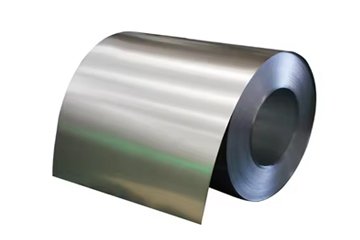
Yes. Our titanium foils are supplied in continuous rolls compatible with standard R2R processing equipment. The high tensile strength of titanium allows for higher web tension compared to thin plastic films, often leading to faster production speeds.
Does the anodized layer affect the conductivity of the foil?
The anodized titanium layer is an oxide (dielectric), so it does act as an insulator on the surface. However, this layer is extremely thin (nanometers). For electrical contact, the oxide can be selectively etched or mechanically bypassed. This is often an advantage as it provides a built-in dielectric layer for multilayer circuits.
How do you clean titanium foil before deposition?
We recommend a multi-stage cleaning protocol: ultrasonic degreasing, followed by an ultra-pure water rinse and plasma activation. This ensures a high-energy surface for maximum adhesion of thin films or inks.
Ready to Engineer the Future of Wearables?
Whether you need ultra-thin foils for NFC coils or biocompatible substrates for medical sensors, we provide the metallurgical expertise to bring your design to life.
Contact China Titanium Factory today for custom foil specifications and R&D samples.
View Our Titanium Foil Catalog