



















What is Grade 23 ELI Titanium? Understanding the ELI Advantage
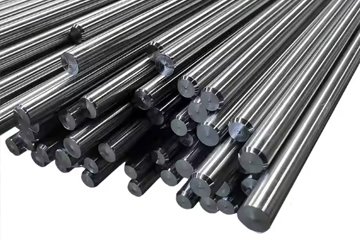
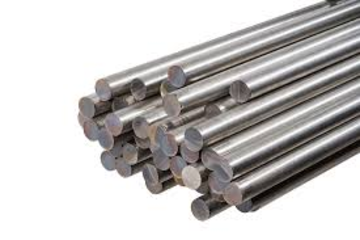
Grade 23 ELI (Extra Low Interstitial) is the high-purity version of Ti-6Al-4V. By strictly limiting oxygen, nitrogen, and iron levels, this alloy achieves a level of ductility and fracture toughness that standard Grade 5 cannot match.
Grade 23 ELI titanium stamping provides the structural foundation for the next generation of implantable devices. This alloy is specifically designed to handle the mechanical stresses of deep drawing while remaining chemically inert within the human body.
"Grade 23 ELI (ASTM F136) is defined by its reduced oxygen content (0.13% max), which significantly improves ductility and reduces the risk of stress corrosion cracking in physiological environments."
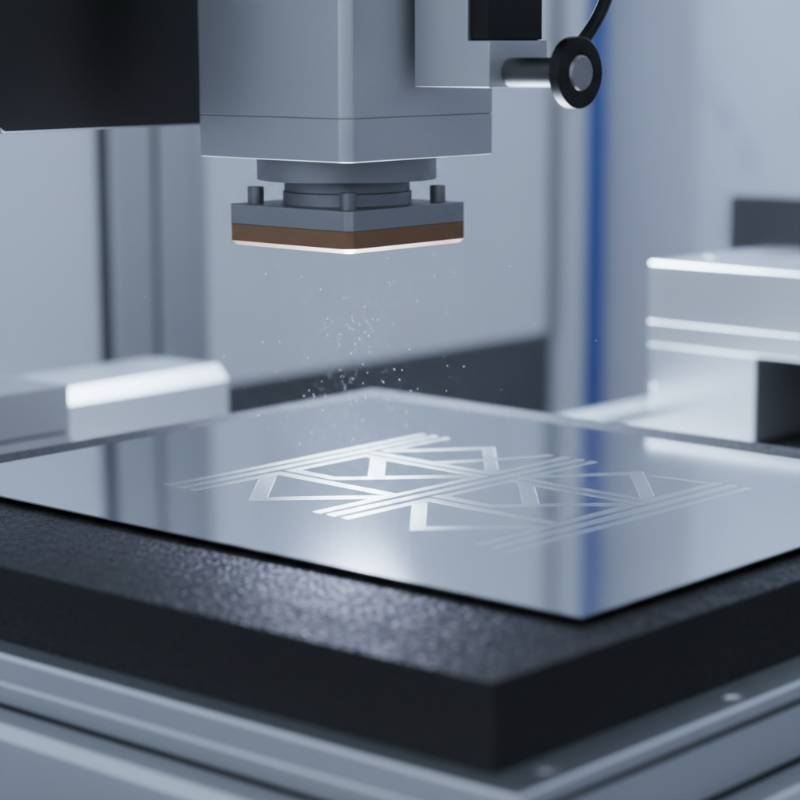
The ELI Advantage: Superior Weldability and Fracture Toughness for Hermetic Seals
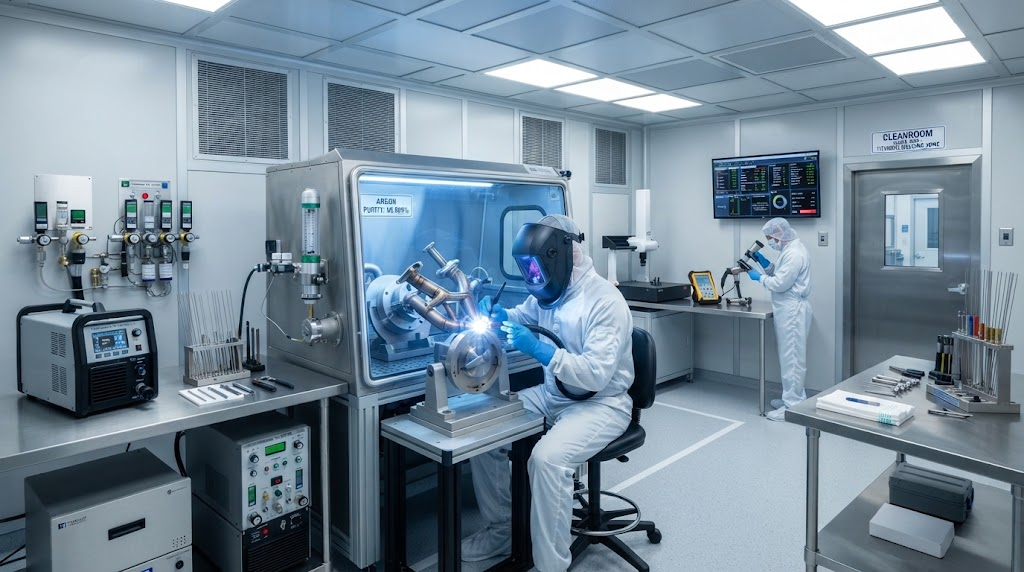
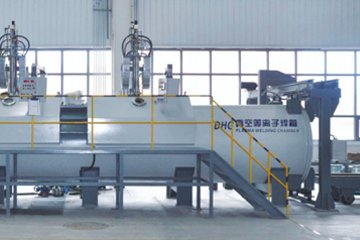
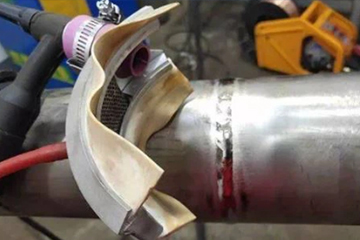
When manufacturing implantable housing foil, the material's reaction to heat is as critical as its strength. The "Extra Low Interstitial" nature of Grade 23 prevents the formation of brittle phases during laser welding.
For devices like pacemakers or neurostimulators, a hermetic seal is life-critical. Our data shows that Grade 23 ELI reduces weld-zone porosity by up to 30% compared to standard alloys. This ensures that delicate internal electronics remain protected from bodily fluids for decades.
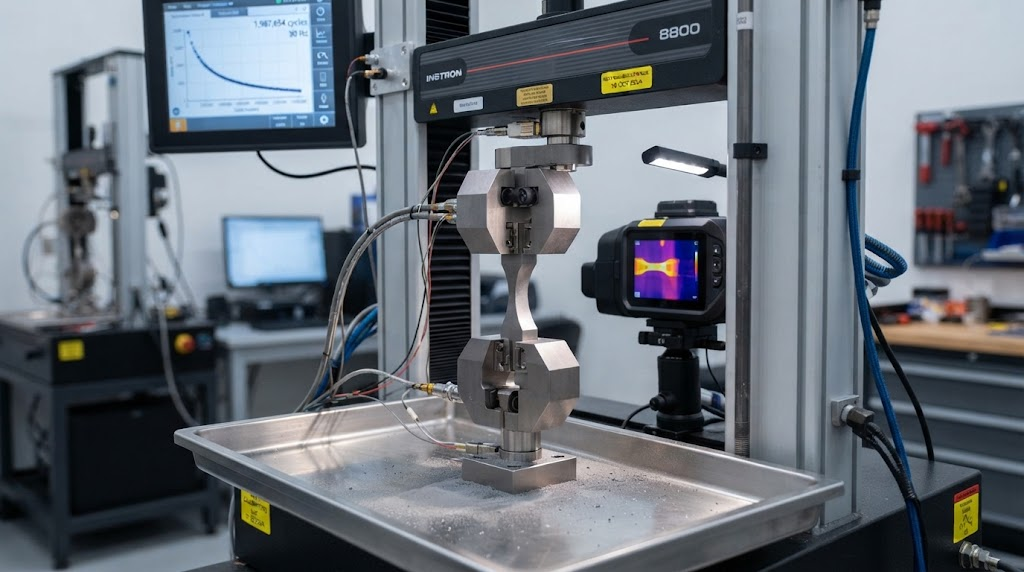
The increased fracture toughness also means the material can withstand the high-cycle fatigue typical of cardiac or orthopedic environments. In 2026, as devices become smaller, the margin for material failure has effectively vanished.
Advanced Medical Device Deep Drawing: Challenges with Ultra-Thin Foils
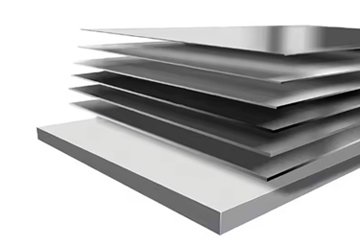
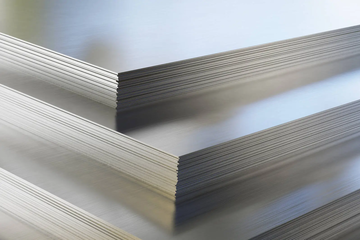
Precision medical device deep drawing involves pushing Grade 23 ELI to its physical limits. We are now seeing demand for foil thicknesses as low as 0.005mm.
Stamping at this scale requires automated processes that account for titanium's notorious "springback." Unlike stainless steel, titanium resists permanent deformation, requiring specialized tool geometry to achieve "zero-defect" dimensional stability.
Automated high-speed stamping of Grade 23 ELI Titanium Foil requires sophisticated lubrication systems. These systems must be medical-grade and entirely removable to avoid biocompatibility issues during post-processing.
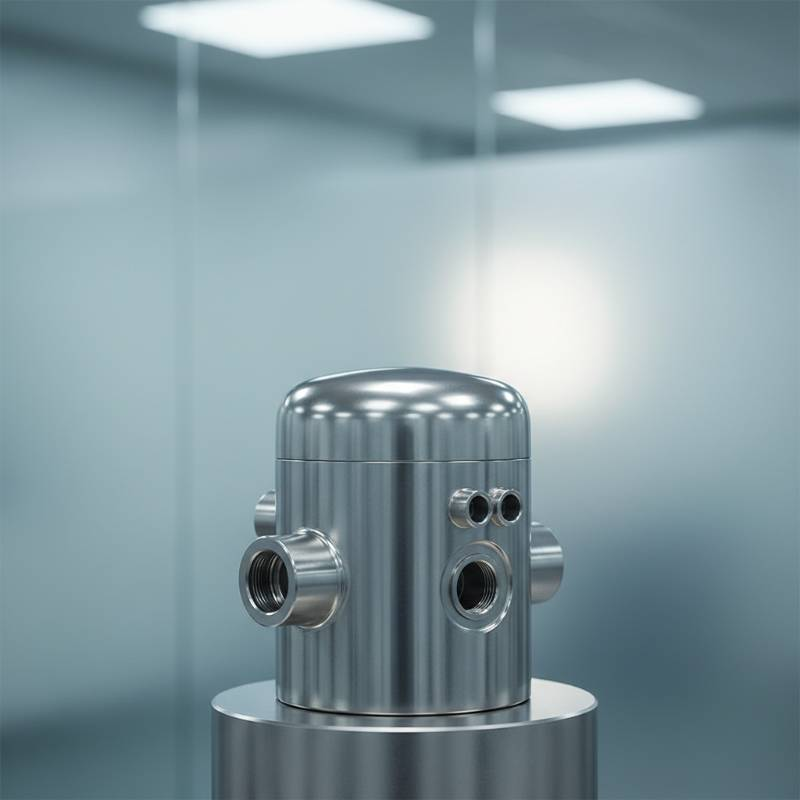
The ELI-Sync™ Precision Protocol: Our Proprietary Stamping Methodology
To master the complexities of titanium, we utilize the ELI-Sync™ Precision Protocol. This is our proprietary four-step framework for ensuring consistent quality in high-volume medical production:
Thermal Mapping: We analyze the material's grain structure before stamping to predict deformation behavior.
Variable-Rate Compression: Adjusting the punch speed dynamically to prevent work-hardening.
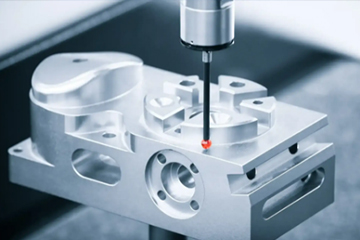
In-Die Metrology: Real-time laser sensors measure part dimensions during the stroke.
Ultrasonic Decontamination: A multi-stage cleaning process that ensures the part is ready for cleanroom packaging.
By using this protocol, we reduce material waste and ensure that every batch meets the strict tolerances required by ISO 13485 standards.
Overcoming Engineering Hurdles: Tooling and Material Utilization
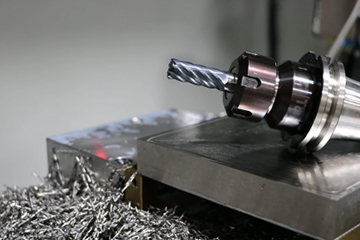
Titanium is aggressive on tooling. Its high strength and low thermal conductivity cause heat to build up at the cutting edge, leading to "galling" or material transfer onto the die.
We solve this through advanced PVD coatings on our tool steel. This reduces friction and extends the life of the die, which is essential for maintaining cost-effectiveness in large-scale production.
In 2026, "Green Titanium" initiatives have also become a priority. Our nesting algorithms maximize titanium foil utilization, and 100% of our Grade 23 scrap is recycled through certified aerospace-grade channels.
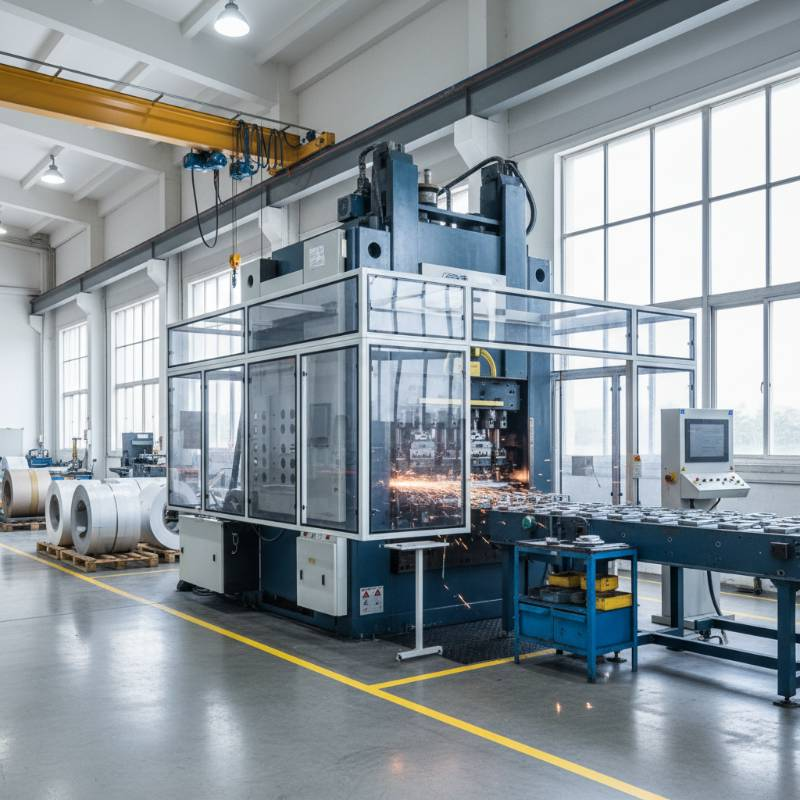
Quality Assurance: ISO 13485 Certification and 100% Traceability
Entering the medical supply chain requires more than just technical skill; it requires a culture of compliance. We view ISO 13485 certification as the "entry ticket" for any serious manufacturer.
Every piece of Grade 23 ELI Titanium Stamping we produce comes with a digital "birth certificate." This includes chemical analysis from the original ingot and mechanical test reports (MTRs) according to ASTM F136.
Our quality management system ensures that every part can be traced back to its specific material lot. This level of accountability is vital for risk management in the event of a field inquiry.
Key Applications in Healthcare Technology
The versatility of precision titanium stamping allows for the creation of incredibly complex, miniature components:
Neurostimulator Enclosures: Ultra-thin housings that protect sensitive pulse generators.
Surgical Micro-parts: High-strength components for robotic surgery end-effectors.
Pacemaker Casings: Deep-drawn shells that provide a lifetime of biocompatible protection.
Bone Staples and Plates: Stamped from Grade 23 ELI for superior fatigue resistance compared to traditional casting.
Frequently Asked Questions
Why is Grade 23 ELI preferred over Grade 5 for medical implants?
Grade 23 ELI has lower oxygen and iron content, which results in significantly better ductility and fracture toughness. This makes it safer for long-term implantation and easier to form into complex shapes without cracking.
What is the minimum thickness for titanium foil stamping?
With modern 2026 technology, we can achieve high-precision stamping on foils as thin as 0.005mm, though most medical enclosures typically range from 0.1mm to 0.5mm depending on the required structural rigidity.
How do you handle titanium springback during deep drawing?
We use our ELI-Sync™ protocol, which involves over-bending calculations and specialized tooling geometries that compensate for the material's elastic recovery, ensuring the final part meets the exact CAD specifications.
Ready to Source Precision Grade 23 ELI Components?
Partner with a manufacturer that understands the rigors of the medical device industry. From prototyping to high-volume ISO 13485 production, we deliver the quality your patients depend on.
Request a Technical Consultation