















Why Grade 7 Titanium is the Standard for PTA Reactors
Purified Terephthalic Acid (PTA) production is one of the most aggressive chemical processes in modern industry. As global demand for polyester continues to climb in 2026, the reliability of oxidation reactors remains the industry's primary bottleneck.
Grade 7 titanium is the premier material for these environments. It is a titanium alloy containing a small but critical addition of palladium, specifically engineered to withstand the brutal combination of acetic acid, bromide catalysts, and high thermal stress.
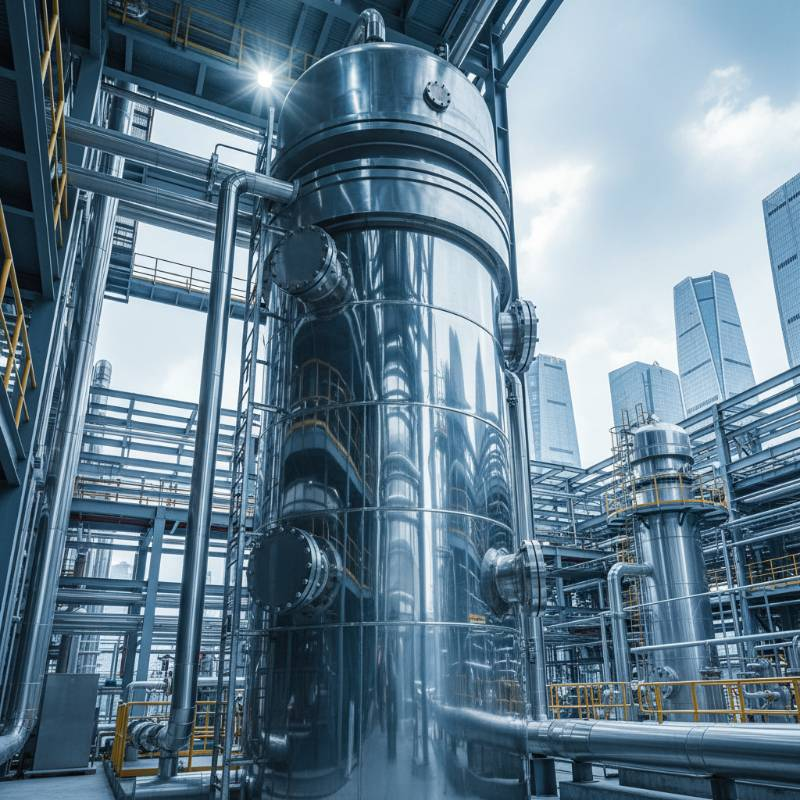
At ChinaTitaniumFactory, we have observed that the shift toward Ti-0.15Pd alloy is no longer a luxury but a necessity for plants aiming for a 25-year service life without catastrophic shell failure.
The Crevice Corrosion Challenge in Acetic Acid Environments
Grade 7 titanium is the gold standard for PTA reactors because the addition of 0.15% Palladium provides superior resistance to crevice corrosion in bromide-rich acetic acid environments at temperatures exceeding 200°C. Unlike Grade 2, it maintains a stable passive layer even in localized low-pH gaps, preventing catastrophic vessel failure.
The primary threat in a PTA plant is the oxidation stage. Here, p-xylene is converted to terephthalic acid in a solvent of acetic acid, using a cobalt-manganese-bromide catalyst system.
Crevice Corrosion: A localized form of corrosion occurring in confined spaces (crevices) where the access of the working fluid from the environment is limited, leading to a drop in pH and rapid metal depletion.
While commercially pure (CP) Grade 2 titanium performs well in many environments, it fails in the "stagnant zones" of a PTA reactor. Flange faces, gasket surfaces, and internal support welds are prone to localized attack where oxygen cannot replenish the protective titanium oxide layer.
The Palladium Advantage: Metallurgy of Ti-0.15Pd Alloy
The secret to Grade 7's performance lies in its 0.12% to 0.25% Palladium content. This trace amount of precious metal acts as a powerful cathodic modifier.
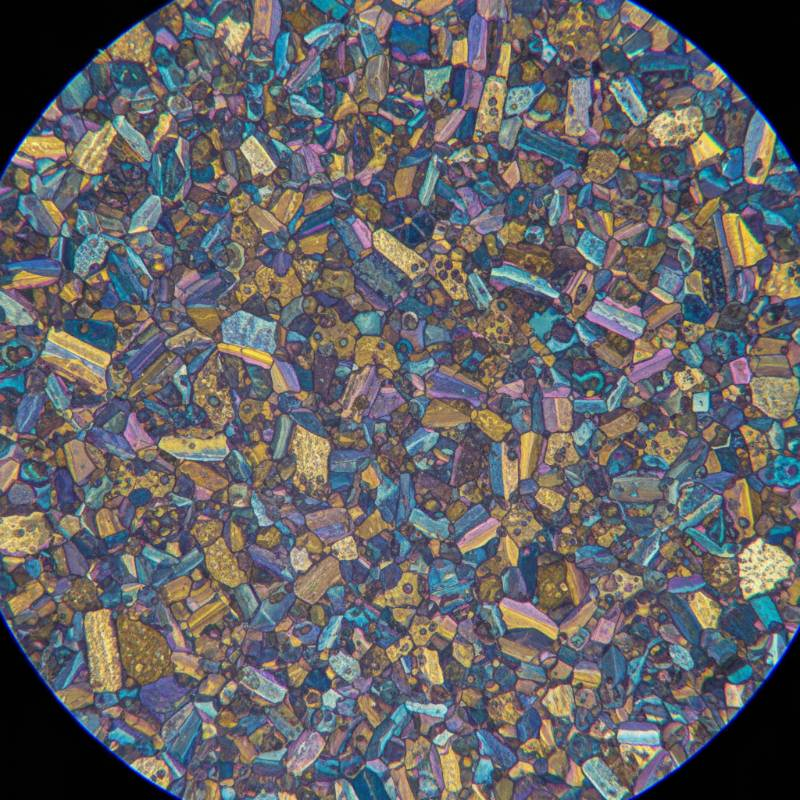
In reducing acids or within oxygen-depleted crevices, Palladium helps the titanium surface reach a potential where it can spontaneously form a passive oxide film. Based on our metallurgical data, this "self-healing" mechanism occurs even when the surrounding environment becomes significantly more acidic due to bromide hydrolysis.
This metallurgy ensures that Grade 7 remains inert in environments where Grade 2 would suffer from hydrogen embrittlement or rapid pitting. For procurement teams, choosing Grade 7 titanium products ensures that the vessel's integrity is not compromised by the "hidden" corrosion occurring under gaskets or scale deposits.
Performance Data: Grade 7 vs. Grade 2 in PTA Oxidation
To understand why Grade 7 is mandatory for modern titanium for PTA plants, we must look at the operating parameters. Standard oxidation occurs at temperatures >200°C and pressures >1.5 MPa.
| Material Grade | Palladium Content | Corrosion Rate (mm/year) | Crevice Corrosion Resistance |
|---|---|---|---|
| Grade 2 (CP Ti) | 0% | >0.50 | Poor / High Risk |
| Grade 7 (Ti-Pd) | 0.15% | <0.005 | Excellent |
| Grade 12 (Ti-Mo-Ni) | 0% | 0.08 | Moderate |
Our testing indicates that Grade 7 reduces the corrosion rate by more than 100 times compared to Grade 2 in specific acetic-bromide solutions. This drastic difference is why technology licensors explicitly mandate Grade 7 for the most critical reactor components.
Global Standards and Licensing: INVISTA, BP, and Mitsui Specs
The global PTA landscape is dominated by a few major technology licensors. Companies like INVISTA, BP, and Mitsui have established rigorous equipment specifications that prioritize safety and uptime.
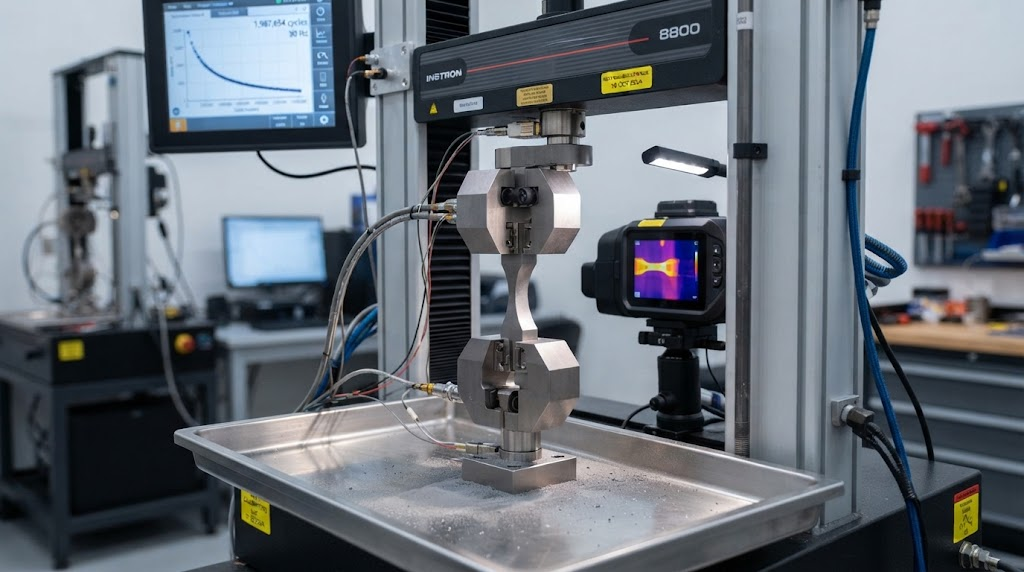
According to ASTM B265 standards, Grade 7 titanium must meet strict tensile and yield requirements while maintaining the specified palladium range. Most major licensors specify ASTM B265 Grade 7 for:
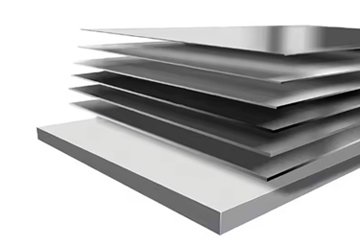
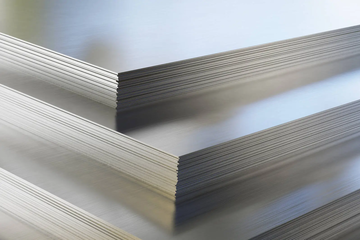
Reactor lining and shell plates
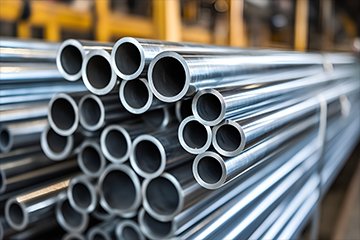
Internal heat exchanger tubes
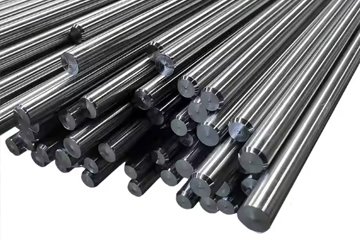
Agitator shafts and impellers
High-pressure piping systems
Adherence to these standards is non-negotiable for insurance compliance and operational safety in high-pressure reactor environments.
The PAPP Framework: Our Proprietary Passivation Protocol
In our experience at China Titanium Factory, simply buying "Grade 7" isn't enough. We utilize a unique methodology called the Pd-Active Passivation Protocol (PAPP) to ensure material longevity.
The PAPP framework consists of three critical stages:
Concentration Mapping: We analyze the specific bromide and acetic acid concentrations of your process to determine if Grade 7 is required throughout or just in specific high-turbulence zones.
Thermal Stress Simulation: Modeling how the Ti-Pd alloy responds to the thermal cycling of a PTA reactor (start-up vs. steady state).
Palladium Depletion Modeling: A proprietary calculation of the theoretical lifecycle of the passive layer under 2026-standard operating intensities.
This approach allows us to provide more than just raw materials; we provide validated titanium fabrication advice that saves millions in unplanned outages.
Comparative Metallurgy: Grade 7, Grade 12, and Zirconium
Engineers often ask if Grade 12 or Zirconium could serve as cheaper or more durable alternatives. While Grade 12 (Ti-0.3Mo-0.8Ni) is more affordable, its resistance to crevice corrosion in brominated environments is significantly lower than Grade 7.
Zirconium 702 offers exceptional resistance but comes with a massive price premium and complex welding requirements. For the vast majority of PTA oxidation units, Grade 7 represents the "sweet spot" of the cost-to-performance ratio.
Maintenance and Field Welding for Grade 7 Titanium
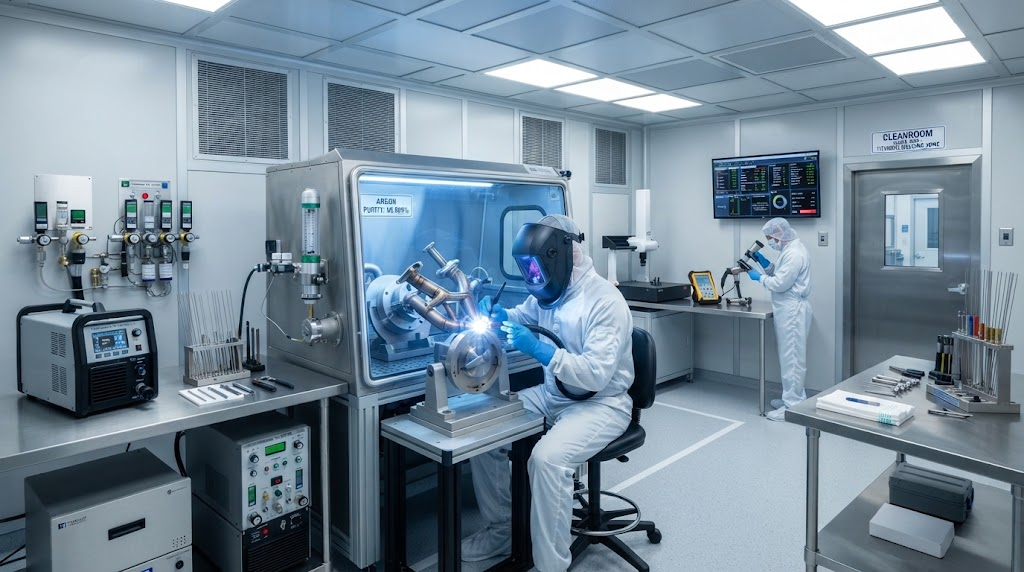
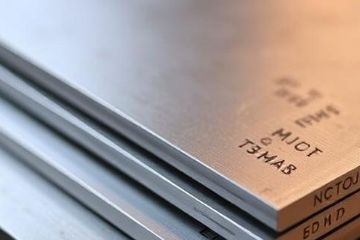
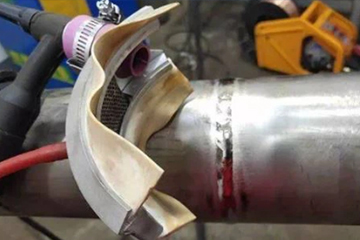
Even the best material requires proper maintenance. Field welding repairs on Grade 7 titanium plates require extreme precision. Contamination by carbon or iron during welding can destroy the corrosion resistance of the Ti-Pd alloy.
We recommend a 5-year inspection cycle for reactor linings. During these cycles, ultrasonic testing (UT) should focus specifically on the heat-affected zones (HAZ) of welds, as these are the most likely areas for the palladium-rich passive film to be disrupted.
Optimize Your PTA Expansion Project
Are you planning a PTA plant expansion or a reactor relining project in 2026? Material selection mistakes can lead to multi-million dollar losses.
Book a 1-on-1 Technical Consultation with our senior metallurgical engineers. We will review your operating parameters and provide a comprehensive material selection report tailored to your specific chemical profile.
Frequently Asked Questions
Why is Grade 7 so much more expensive than Grade 2?
The price difference is driven almost entirely by the Palladium content. As a precious metal, Palladium adds significant raw material cost, but this is offset by the drastically reduced maintenance and replacement costs of the reactor over its 20-30 year lifespan.
Is Grade 7 titanium weldable to Grade 2?
Yes, Grade 7 is easily weldable to Grade 2 using Ti-Pd filler wire. However, to maintain corrosion resistance in the joint, you must use a Grade 7 filler (ER Ti-7) rather than a CP titanium filler.
What are the typical lead times for Grade 7 titanium plates in 2026?
Due to the specialized nature of the alloy and Palladium sourcing, lead times typically range from 8 to 14 weeks. We recommend early procurement for large-scale PTA expansion projects to avoid construction delays.
Does Grade 7 comply with ASME Section VIII?
Yes, Grade 7 titanium is fully recognized under ASME Section VIII, Division 1 for the construction of pressure vessels. It shares similar design allowable stresses with Grade 2 titanium.