
















The Mechanism: Understanding Titanium Hydride (TiH2) Formation
Titanium hydrogen embrittlement occurs when atomic hydrogen diffuses into the titanium lattice, reacting to form brittle titanium hydride (TiH2) crystals. This process typically triggers at temperatures above 80°C (176°F) in environments with extreme pH levels or when titanium is coupled with less noble metals.
At ChinaTitaniumFactory, we have analyzed numerous field failures where standard Grade 2 titanium was misapplied. The chemistry is straightforward but lethal to equipment: atomic hydrogen (H) is smaller than the titanium atoms and migrates into the interstitial spaces of the alpha titanium phase.
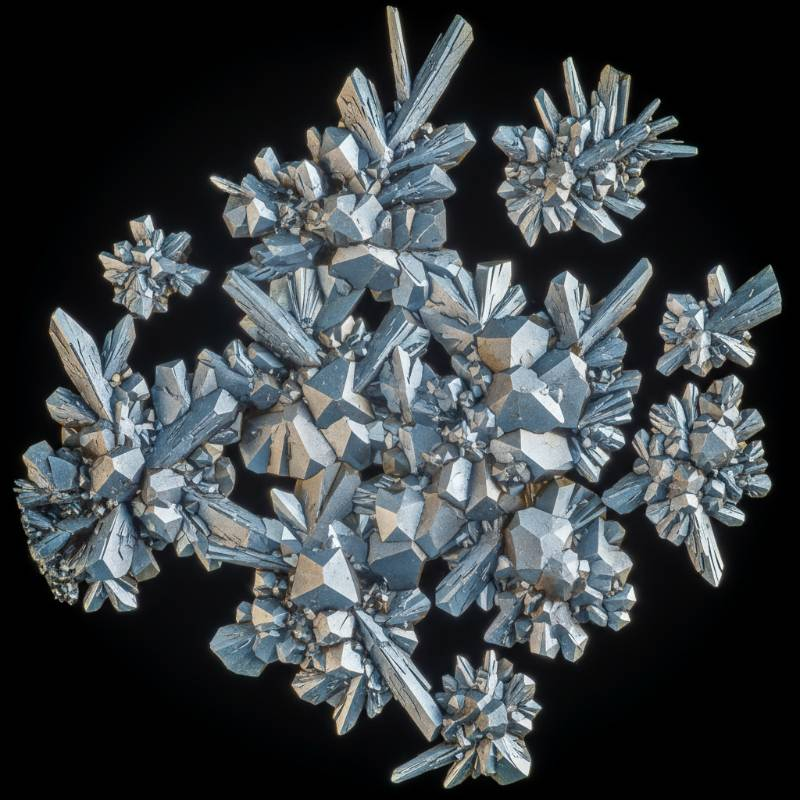
Once the solubility limit of hydrogen is exceeded, these atoms precipitate as hydrides. These hydrides are significantly less dense and much more brittle than the surrounding metal matrix. As they grow, they create internal stresses that lead to micro-cracking and eventual catastrophic failure of titanium reactors and pressure vessels.
"Hydrogen embrittlement is not a surface phenomenon; it is a deep-structural transformation that turns a ductile metal into a glass-like substance."
Critical Thresholds: Temperature, pH, and Hydrogen Limits
Prevention starts with data. Through our 2026 stress-testing protocols, we have identified specific environmental "red zones" where titanium is most vulnerable. Chemical plant maintenance teams must monitor these three variables with precision.
Environmental Red Zones
Temperature: Risks escalate once the metal surface temperature exceeds 80°C (176°F). Below this, hydrogen diffusion is generally too slow to cause rapid embrittlement.
pH Levels: Titanium is exceptionally stable in neutral ranges. However, environments with a pH < 3 (highly acidic) or pH > 12 (highly alkaline) strip the protective oxide layer, facilitating hydrogen absorption.
Initial Content: Per ASTM and AMPP/NACE standards, the initial hydrogen content in raw material must be kept below 0.015% (150 ppm).
| Condition | Safe Range | Danger Zone |
|---|---|---|
| Operating Temperature | < 75°C | > 80°C |
| Environment pH | 3.0 to 12.0 | < 3 or > 12 |
| Surface Potential | > -0.7V (vs Ag/AgCl) | < -1.0V (Overprotection) |
The Three Primary Drivers of Titanium Failure
Our titanium equipment failure analysis reveals three common operational mistakes that lead to hydrogen ingress.
1. Galvanic Corrosion
When titanium is coupled with a less noble metal (like carbon steel) in an electrolyte, the titanium becomes the cathode. Hydrogen ions are reduced on the titanium surface, forming atomic hydrogen that is then absorbed into the metal. This is a frequent issue in titanium heat exchangers with mixed-metal tube sheets.
2. Cathodic Overprotection
Engineers often try to protect nearby steel components by applying a cathodic current. If the potential is driven too negative (typically below -1.0V), the excess current forces hydrogen into the titanium. We call this "killing with kindness."
3. High-Temperature Dry Hydrogen
Titanium relies on a moisture-stabilized oxide layer for protection. In 100% dry hydrogen gas at elevated temperatures, this oxide layer cannot regenerate. Without this barrier, hydrogen enters the titanium lattice with zero resistance.
The Ti-Safe™ 4-Step Integrity Assessment Framework
To assist global chemical plants, we have pioneered the Ti-Safe™ Framework. This proprietary methodology ensures that titanium piping and equipment remain ductile throughout their service life.
Environmental Mapping: We audit the process chemistry for pH fluctuations and temperature spikes that exceed the 80°C threshold.
Galvanic Risk Audit: Every flange and connection is checked for dissimilar metal contact. We insist on non-conductive isolation kits.
Hydrogen Diffusion Modeling: Using 2026 simulation software, we predict the rate of hydrogen migration based on the specific titanium grade and pressure profile.
Microstructural Verification: Periodic metallographic analysis of "witness coupons" to detect early-stage hydride needles before they cause cracks.
Advanced Inspection: NACE Standards and Metallographic Testing
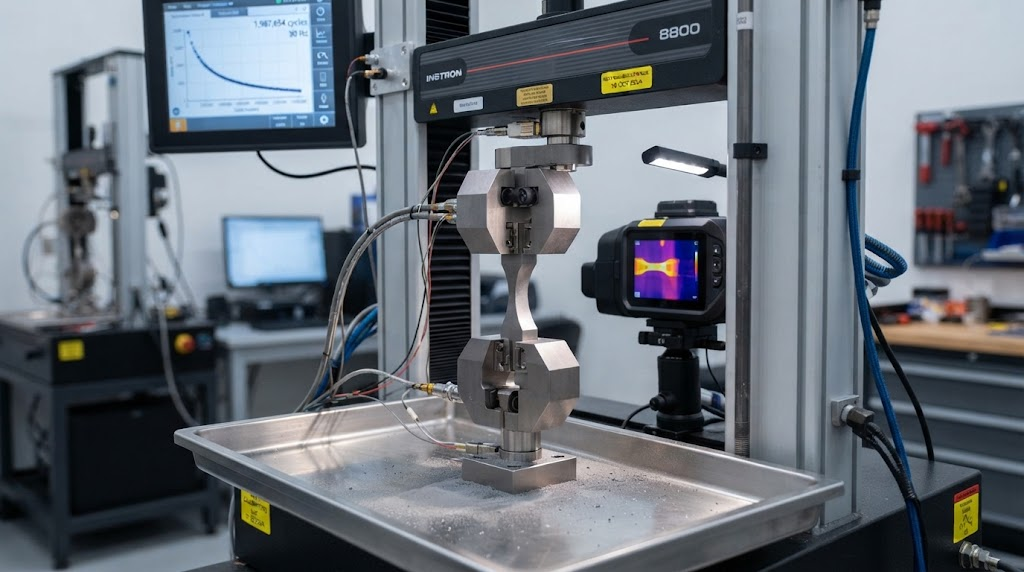
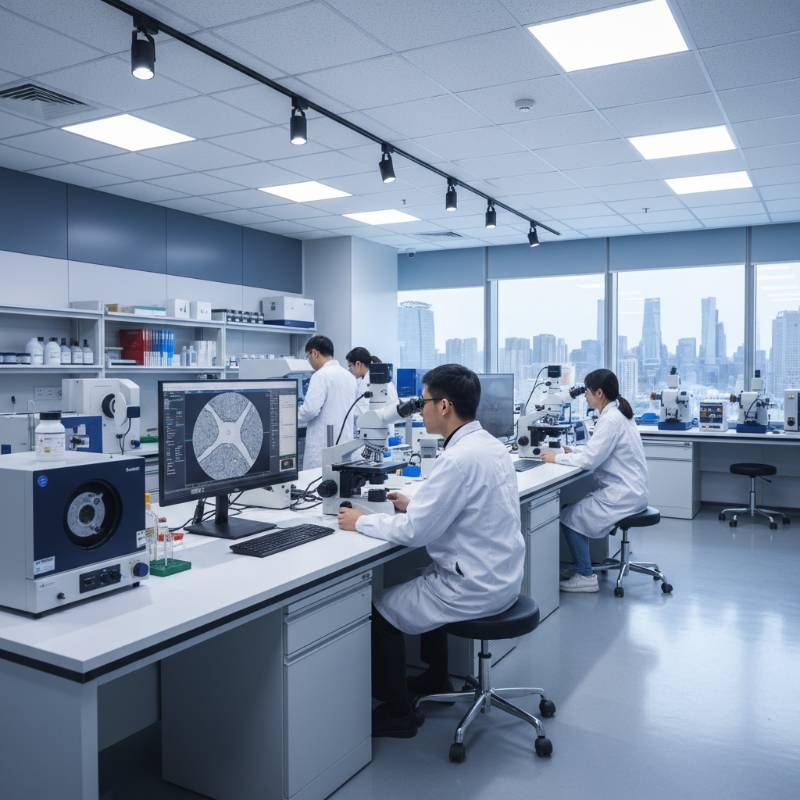
Traditional NDT (Non-Destructive Testing) like Dye Penetrant or Ultrasound often fails to catch hydrogen embrittlement until a crack has already formed. Following NACE/AMPP failure analysis guidelines, the most reliable method is metallographic analysis.
Under a high-magnification microscope, hydrides appear as dark, needle-like (acicular) crystals. These needles usually align along the grain boundaries of the alpha titanium. If your inspection reveals more than a 2% volume fraction of hydrides, the component is likely compromised and requires immediate replacement.
Mitigation Strategies: Noble Metals and Surface Treatments
If your process operates in the "danger zone," switching materials or treating the surface is the only way to ensure longevity. Based on our data at China Titanium Factory, the following strategies are most effective:
Utilize Palladium-Alloyed Grades
Grade 7 and Grade 11 titanium contain small amounts of palladium. This noble metal acts as a catalyst to facilitate the recombination of atomic hydrogen into molecular hydrogen (H2) on the surface, preventing it from entering the metal. This is the "gold standard" for acidic environments.
Thermal Oxidation Treatment
By heating titanium in a controlled oxygen environment, we can thicken the protective TiO2 (rutile) layer. This enhanced barrier significantly slows down hydrogen diffusion rates, providing a cost-effective alternative to expensive alloys.
Frequently Asked Questions About Titanium Embrittlement
Can hydrogen embrittlement be reversed by heating?
Partially. While vacuum annealing can remove some hydrogen, it cannot "heal" the cracks or damage caused by existing hydride precipitates. Once the mechanical integrity is lost, replacement is usually the only safe option.
Does welding increase the risk?
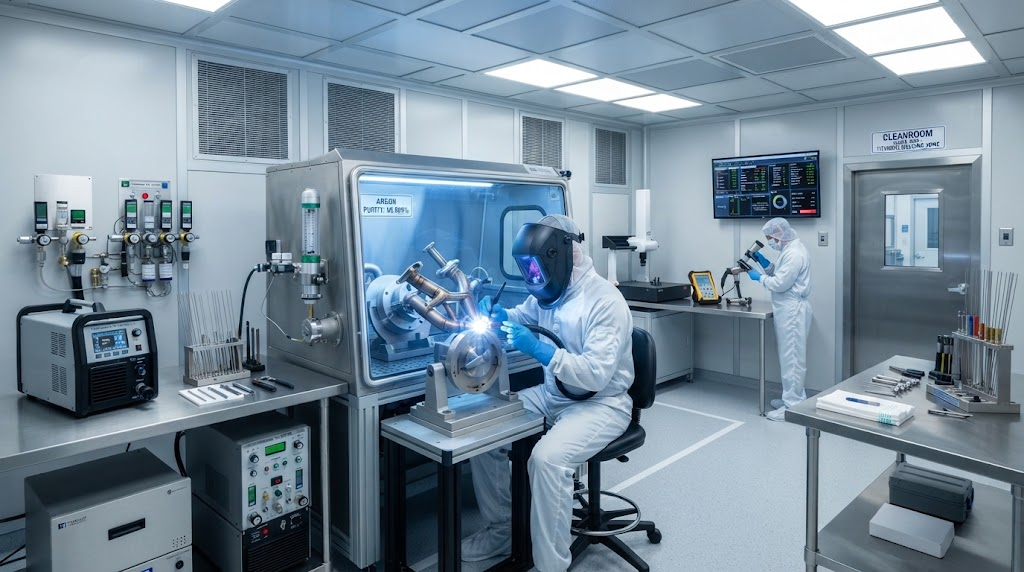
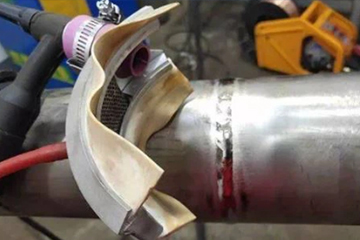
Yes. Poor shielding during welding titanium allows the metal to absorb hydrogen from moisture in the air. Always use high-purity argon shielding and ensure the weld zone is bone-dry.
Which titanium grade is most resistant?
Grade 7 (Ti-0.15Pd) is the most resistant to hydrogen embrittlement in reducing acid environments due to the cathodic modification provided by the palladium.
Expert Failure Analysis and Laboratory Diagnostics
Suspect hydrogen damage in your facility? Don't wait for a leak. We offer emergency equipment online diagnostics and full-scale laboratory metallographic analysis.
Mail us a sample of your failed component, and our engineers will provide a comprehensive report within 48 hours.
Contact Our Metallurgy Lab