

















The Evolution of Thermal Management: High Heat-Transfer Titanium Strips
In 2026, the industrial demand for compact, high-efficiency thermal systems has reached a tipping point. Traditional heat exchange materials often struggle with the dual pressure of aggressive corrosion and the need for smaller footprints.
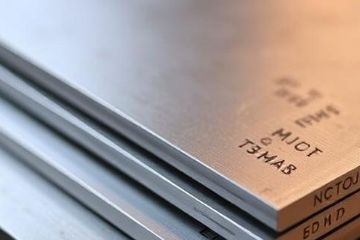
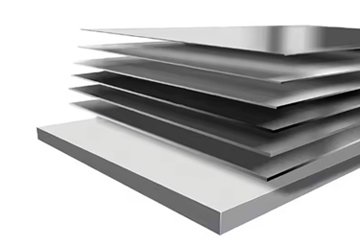
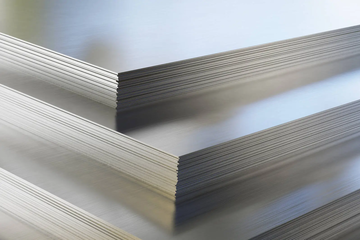
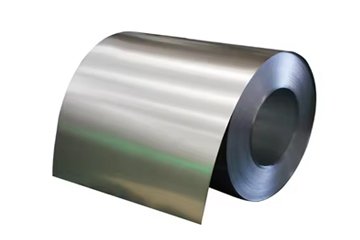
We see the Plate heat exchanger titanium strip as the primary solution to this bottleneck. By integrating advanced surface geometries directly into the coil, engineers can now achieve thermal fluxes previously thought impossible.
This shift isn't just about changing metals; it's about re-engineering the interface between the fluid and the solid. Modern Titanium coil for PHE production now focuses on micro-topography to manage boundary layer turbulence.
What is HEET Technology? Achieving a 24% Performance Boost
High Heat-Transfer Titanium Strips utilizing HEET technology optimize evaporation by using surface micro-texturing to trigger early-stage nucleate boiling. This process increases the effective surface area and disrupts the laminar boundary layer, yielding a verified 24% boost in evaporation heat transfer performance.
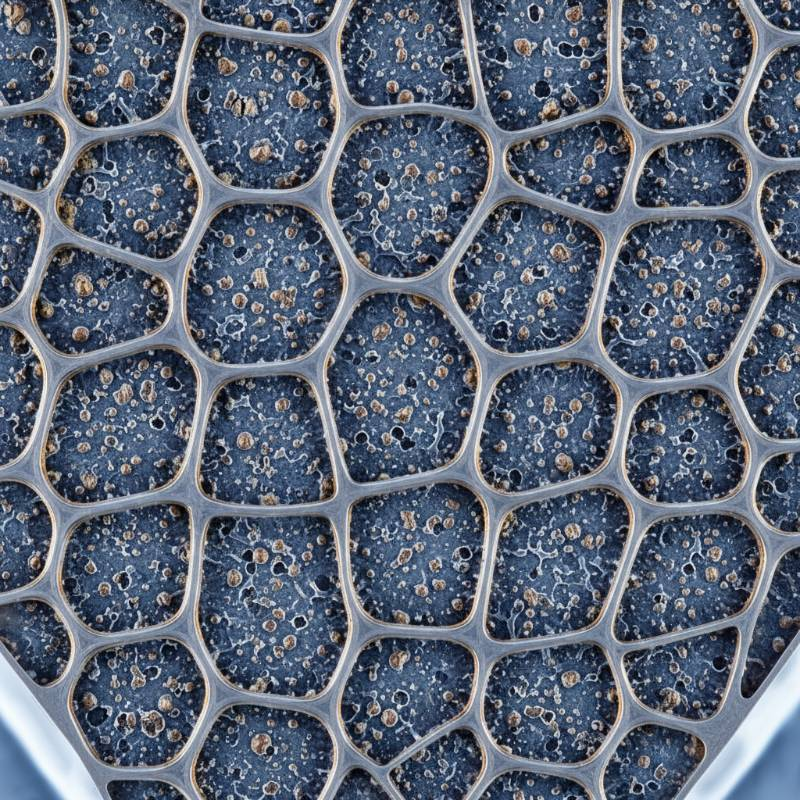
Based on our data, standard smooth titanium surfaces allow for "bubble coalescence." This creates a thin vapor film that acts as an insulator, slowing down heat transfer.
"HEET (High-Efficiency Evaporation Technology) creates specific nucleation sites that force bubbles to detach faster, maintaining a high-liquid-contact ratio on the plate surface."
Recent studies published by academic researchers confirm that these surface modifications drastically reduce the "boiling lag" in industrial evaporators. Our internal testing at China Titanium Factory mirrors these findings, showing consistent 24% gains in RO preheater efficiency.
Material Selection: ASTM B265 Grade 1 vs. Grade 2 for Deep Drawing
Selecting the right grade of titanium is a balance between structural strength and the ability to form complex plate patterns. For most PHE applications, the ASTM B265 Grade 1 strip is the superior choice.
The primary differentiator is elongation. When a strip undergoes deep drawing to create the "herringbone" or "chocolate bar" patterns in a PHE plate, the material must stretch without thinning or cracking.
| Property | Grade 1 (Unalloyed) | Grade 2 (Unalloyed) |
|---|---|---|
| Elongation | 24% - 30% | 20% - 25% |
| Formability | Excellent (Deep Drawing) | Good (Standard Forming) |
| Yield Strength | 170 - 310 MPa | 275 - 450 MPa |
Grade 1's elongation (15-30%) allows for tighter radii and deeper channels. This enables engineers to design plates with higher turbulence-inducing geometries without risking micro-fractures in the material matrix.
The "Tri-Phase Thermal Integrity Protocol": Our Proprietary Selection Framework
We define material success through a specialized methodology we call the Tri-Phase Thermal Integrity Protocol. This framework ensures that the selected titanium strip survives the press and thrives in the field.
1. Stress-Strain Mapping (Formability)
Before production, we analyze the specific draw depth of your PHE plate design. We match the coil's grain orientation to the primary stress points of the plate to prevent "orange peel" textures during pressing.
2. Thermal Flux Simulation (Efficiency)
Using the HEET technology parameters, we simulate the heat transfer coefficient ($h$) across the plate. This ensures the 24% efficiency gain is realized under your specific flow rates and temperature differentials.
3. Lifecycle Corrosion Assessment (Sustainability)
We evaluate the chloride concentration and pH levels of the working fluids. This step confirms whether Grade 1 is sufficient or if a palladium-stabilized alloy (like Grade 7 or 11) is required for extreme acidity.
Critical Applications in Harsh Environments
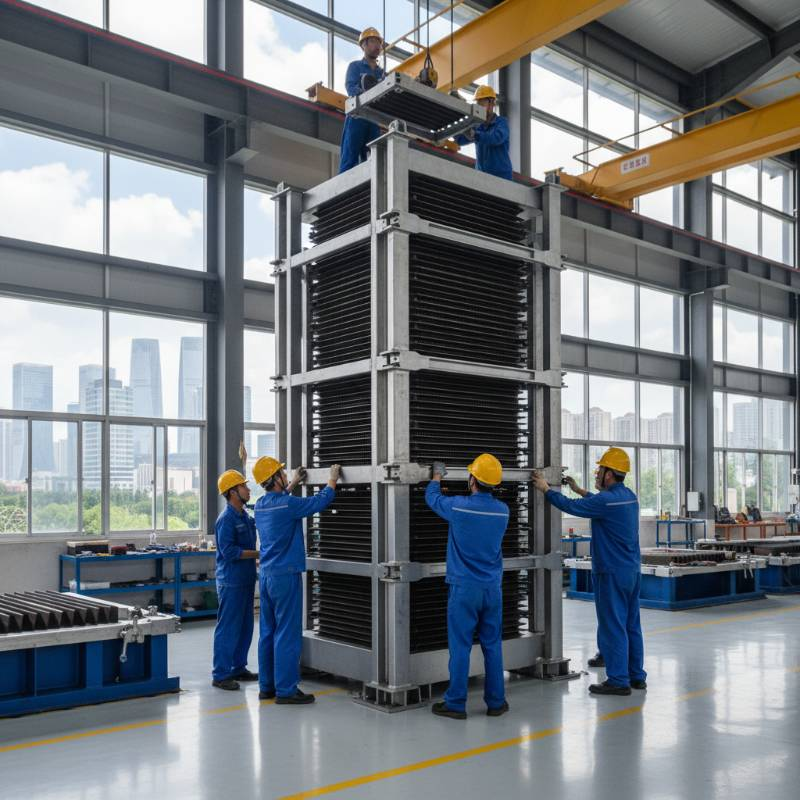
High-efficiency titanium strips are no longer "optional" in certain sectors. They are the baseline for operational survival.
Offshore Oil Platforms: Titanium’s immunity to seawater corrosion makes it essential. These strips handle high-pressure cooling loops where stainless steel would fail via pitting within months.
Nuclear Power Condensers: Reliability is non-negotiable. The high fatigue strength of ASTM B265 titanium ensures that thermal cycling doesn't lead to plate failure over decades of service.
RO Preheaters: In Desalination, maximizing the temperature of feed water using waste heat is key. The 24% efficiency boost from HEET technology directly reduces the energy cost per gallon of fresh water produced.
Sustainability and Global Standards: Beyond ASTM B265
In 2026, material sourcing is as much about carbon footprint as it is about chemistry. We prioritize mine-to-mill transparency, ensuring our titanium production aligns with modern ESG goals.
While ASTM B265 provides the technical baseline, we also adhere to ASME Section II and NACE MR0175 for sour gas environments. This dual compliance ensures our High Heat-Transfer Titanium Strips are ready for global deployment in any regulated industry.

Frequently Asked Questions about Titanium PHE Strips
Does the HEET texture make the plates harder to clean?
Surprisingly, no. Because the micro-texturing promotes turbulence, it actually inhibits the settling of particulates, a phenomenon known as "self-cleaning" flow. However, standard CIP (Clean-in-Place) protocols should still be followed.
Why choose Grade 1 over Grade 2 for deep drawing?
Grade 1 has lower oxygen and iron content, which results in higher ductility. If your plate design has deep, complex channels, Grade 1's 15-30% elongation ensures the metal flows into the die without tearing.
Is titanium more efficient than stainless steel?
While stainless steel has a slightly higher raw thermal conductivity, titanium allows for much thinner plate walls (0.4mm to 0.6mm) due to its superior corrosion resistance. Combined with HEET technology, the overall heat transfer coefficient ($U$) is significantly higher with titanium.