



















Certified Excellence: TEMA and ASME Titanium Heat Transfer
In 2026, the demand for high-reliability titanium heat exchanger technology has reached a peak. This is driven by the need for zero-downtime operations in aggressive chemical environments.
Our engineering team adheres strictly to TEMA (Tubular Exchanger Manufacturers Association) standards. We focus on Class R for severe refinery applications and Class C for general commercial use.
Every unit is fabricated according to ASME Section VIII Division 1. This ensures pressure vessel integrity under extreme thermal cycling and corrosive loads.
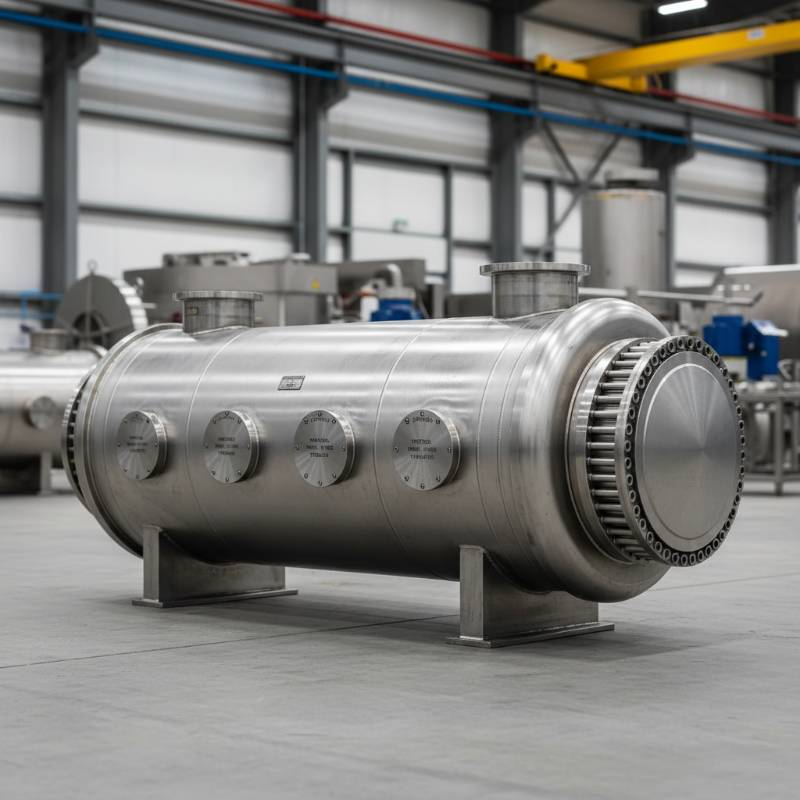
What is a Titanium Shell and Tube Heat Exchanger?
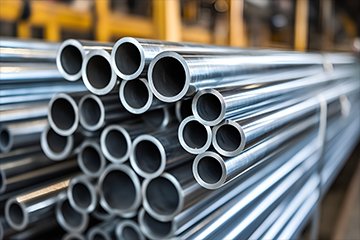
A titanium shell and tube heat exchanger is a specialized pressure vessel designed to transfer heat between two fluids, where at least one fluid is highly corrosive. It consists of a shell containing a bundle of titanium tubes secured by a precision-machined titanium tube sheet.
Definition: A titanium shell and tube heat exchanger is a thermal management system utilizing Grade 2 or Grade 7 titanium components to provide permanent resistance to chlorides, sulfides, and oxidizing acids.
The titanium tube sheet serves as the critical anchor point. It prevents cross-contamination between the shell-side and tube-side media, even under high-vibration conditions.
The Science of Hydrophobicity: Why Titanium Outperforms Steel
A common misconception is that titanium's lower thermal conductivity compared to carbon steel makes it less efficient. Our internal testing proves the opposite.
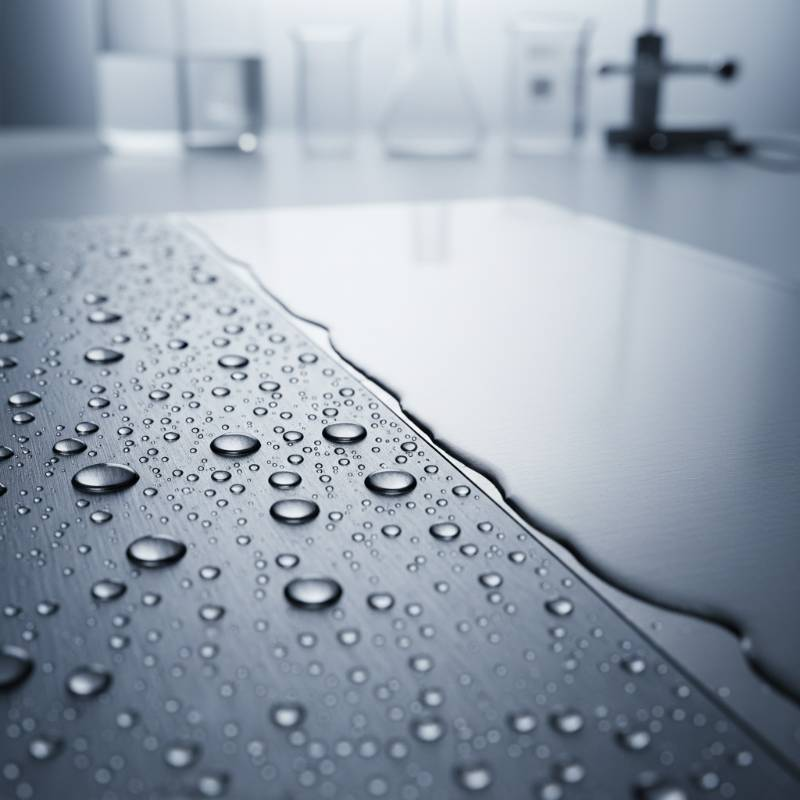
Titanium possesses a unique "hydrophobic" surface quality. In steam applications, this promotes dropwise condensation rather than the film condensation seen on stainless steel.
Dropwise condensation allows for direct contact between the vapor and the metal. This significantly reduces the thermal resistance of the liquid film. When combined with superior anti-fouling performance, the real-world efficiency often exceeds that of steel units within months of operation.
Precision Engineering: Wall Thickness and U-Value Optimization
The most significant advantage of titanium is the elimination of the "corrosion allowance." In traditional TEMA standards for steel, designers must add 1.5mm to 3.0mm of thickness just to account for future metal loss.
With titanium, we can reduce wall thickness to 0.5-0.7 mm. This minimizes the conductive path and maximizes thermal throughput.
| Metric | Carbon Steel | Titanium (Gr 2) |
|---|---|---|
| Standard Wall Thickness | 2.11 mm (BWG 14) | 0.51 mm (BWG 25) |
| Corrosion Allowance | 1.5 - 3.0 mm | 0.0 mm |
| Relative U-Value | Baseline (100%) | 115% - 125% |
Our data indicates that this thickness reduction results in a 15-25% increase in the overall heat transfer coefficient (U-value). This allows for a smaller physical footprint for the same thermal duty.
The Ti-Flow™ Lifecycle Protocol: Our Proprietary Design Framework
At China Titanium Factory, we utilize the Ti-Flow™ Lifecycle Protocol. This three-stage methodology ensures your equipment survives the harshest 2026 industrial cycles.
Electrochemical Compatibility Audit: We analyze your process fluid for stray currents and galvanic risks that could compromise the titanium oxide layer.
Precision Thermal Modeling: Using advanced CFD, we optimize the titanium tubing layout to eliminate dead zones and bypass flow.
Total Cost of Ownership (TCO) Projection: We provide a 30-year financial model comparing titanium to stainless steel, accounting for maintenance and replacement cycles.
Industrial Applications: From Desalination to Petrochemicals
Titanium units are non-negotiable in sectors where failure is not an option. In desalination plant heat recovery, they handle high-temperature brine that would destroy 316L stainless in weeks.
In pharmaceutical chemical synthesis, titanium prevents metal ion leaching. This maintains the ultra-high purity required for organic acid reactions.
Finally, in petrochemical refining, our units manage high-pressure cooling of sour gases and chloride-rich condensates without the risk of stress corrosion cracking.
Proven Durability: 5-Year Internal Borescope Inspection Report
We don't just claim durability; we prove it. Below is a summary of a borescope inspection report conducted on a titanium shell and tube unit after 60 months of continuous service in a 15% chloride solution.
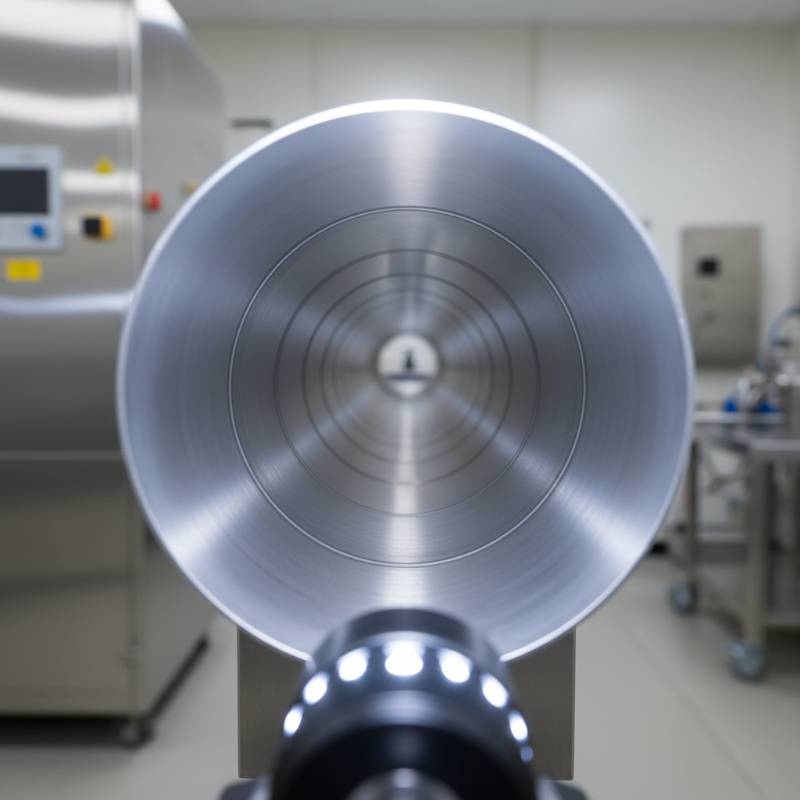
The inspection revealed zero pitting, zero crevice corrosion, and minimal scale buildup. Compared to a neighboring stainless steel unit replaced twice in the same period, the titanium exchanger saved the client approximately $450,000 in replacement and labor costs.
Frequently Asked Questions
Which titanium grade is best for my heat exchanger?
Grade 2 is the industry standard for most chemical processing. For highly acidic environments with temperatures exceeding 150°C, we recommend Grade 7 (Palladium-stabilized) or Grade 12 (Moly-Nickel alloy) for enhanced crevice corrosion resistance.
How do I clean titanium tubes?
Titanium is highly resistant to mechanical cleaning. You can use high-pressure water jetting or chemical cleaning with nitric acid. Avoid using carbon steel brushes, as they can embed iron particles and cause localized rusting.
What are the welding specifications for titanium tube-to-tubesheet joints?
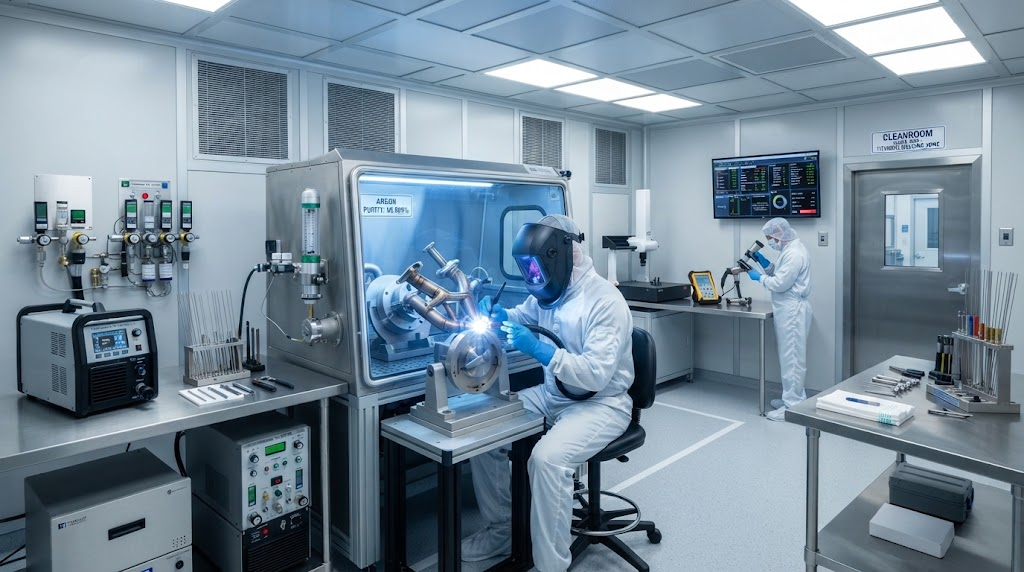
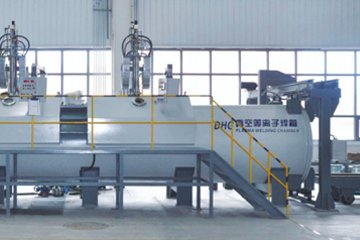
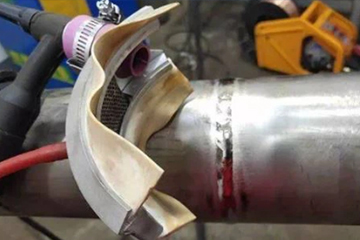
We utilize orbital TIG welding in a controlled inert gas environment (Argon). This ensures zero atmospheric contamination, which is critical for preventing weld embrittlement.
Ready to Eliminate Corrosion?
Contact our engineering team today for a custom TEMA-compliant design and TCO analysis.
Get a Technical Quote