















Acetic acid is a cornerstone of the global chemical industry, serving as a precursor for everything from vinyl acetate monomer (VAM) to purified terephthalic acid (PTA). However, the chemical environment inside an acetic acid plant is notoriously brutal.
In 2026, as production capacities scale to meet rising demand for sustainable polymers, the industry relies more heavily than ever on titanium in acetic acid production. Choosing the right alloy isn't just about performance—it's about survival in environments that would dissolve standard stainless steels in days.
Methanol Carbonylation: The Monsanto and Cativa Processes
The vast majority of the world's acetic acid is produced via methanol carbonylation. This involves reacting methanol with carbon monoxide in the presence of a catalyst and a promoter, typically methyl iodide.
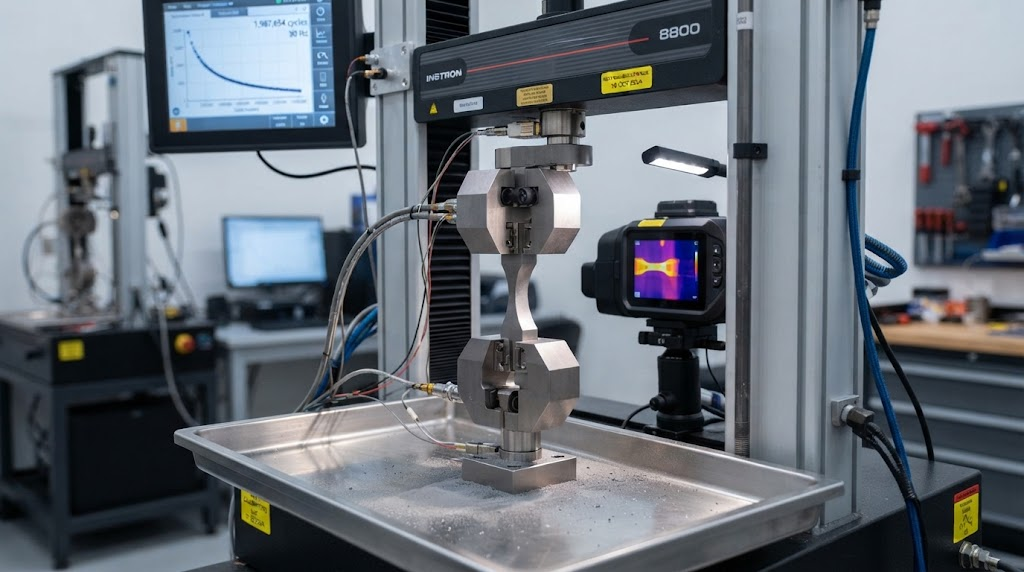
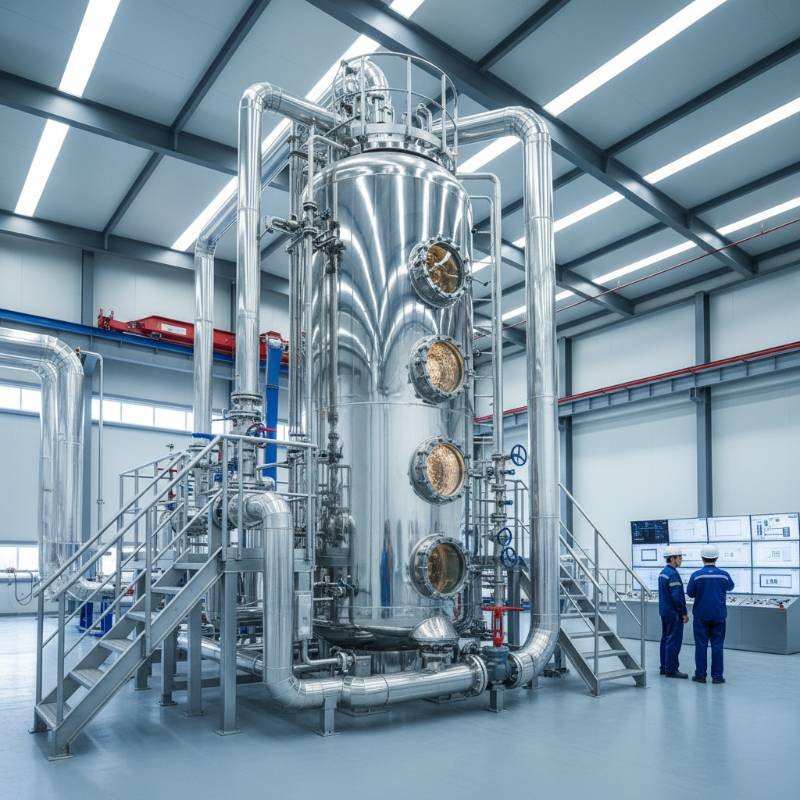
High-purity titanium is the industry standard for absorbers and distillation columns in methanol carbonylation because it maintains a stable passive oxide film even in the presence of aggressive iodide catalysts and high-temperature organic acids. While stainless steels suffer from rapid pitting and general thinning, titanium’s corrosion rate in these 150-200°C environments remains exceptionally low, often under 0.01 mm/yr.
The Monsanto Process
Developed in the 1960s, the Monsanto process uses a rhodium-based catalyst. It requires high water concentrations to stay stable, which increases the corrosivity of the mixture. Titanium equipment in acetic acid manufacture became the primary solution to mitigate this aqueous halide stress.
The Cativa Process
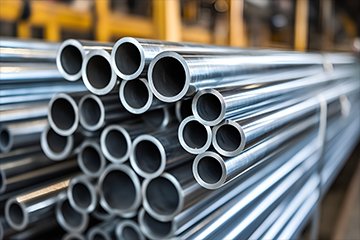
The Cativa process, licensed by BP, utilizes an iridium catalyst. It is more efficient and uses less water, but the concentration of methyl iodide remains a significant corrosion threat. Our experience at ChinaTitaniumFactory shows that Cativa-based plants require specific titanium piping systems to handle high-velocity iodide streams.
Combating Iodide Catalyst Corrosion with High-Purity Titanium
The real "villain" in acetic acid synthesis is methyl iodide. Under the 150-200°C temperatures required for synthesis, iodides can trigger severe Stress Corrosion Cracking (SCC) in most nickel alloys.
Based on our data, high-purity titanium (Grade 2) and palladium-enhanced titanium (Grade 7) are the only materials that offer a "self-healing" mechanism. If the protective TiO2 layer is scratched, the presence of trace moisture in the process helps the titanium re-passivate instantly.
"In boiling acetic acid and iodide mixtures, titanium’s corrosion rate is consistently measured at<0.01 mm/yr, making it virtually immune to the general thinning that plagues other metals."
The Ti-Vantage Protocol: A Proprietary Selection Framework
We define the Ti-Vantage Protocol as our specialized 3-step methodology for ensuring 25-year equipment lifespans in acetic acid environments. This goes beyond standard ASTM checks.
Step 1: Halide Mapping: We analyze the exact methyl iodide and HI (hydrogen iodide) concentrations at every stage of the distillation train.
Step 2: Thermal Gradient Syncing: Titanium’s expansion coefficient is matched against the thermal cycles of the distillation column to prevent mechanical fatigue.
Step 3: Stress Profile Audit: We identify potential dead zones in heat exchangers where iodide salts might accumulate and cause localized crevice corrosion.
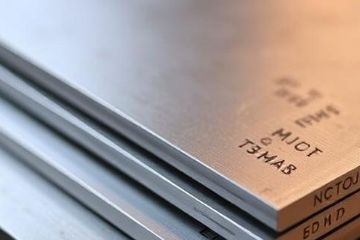
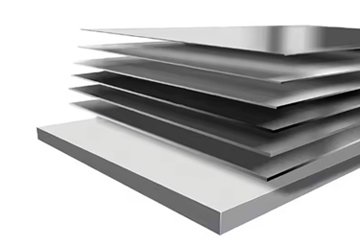
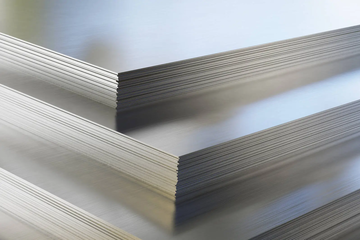
By applying this protocol, we help engineers select between Grade 7 titanium sheets for high-risk zones and Grade 2 for more stable sections.
Critical Equipment: Distillation Columns and Absorbers
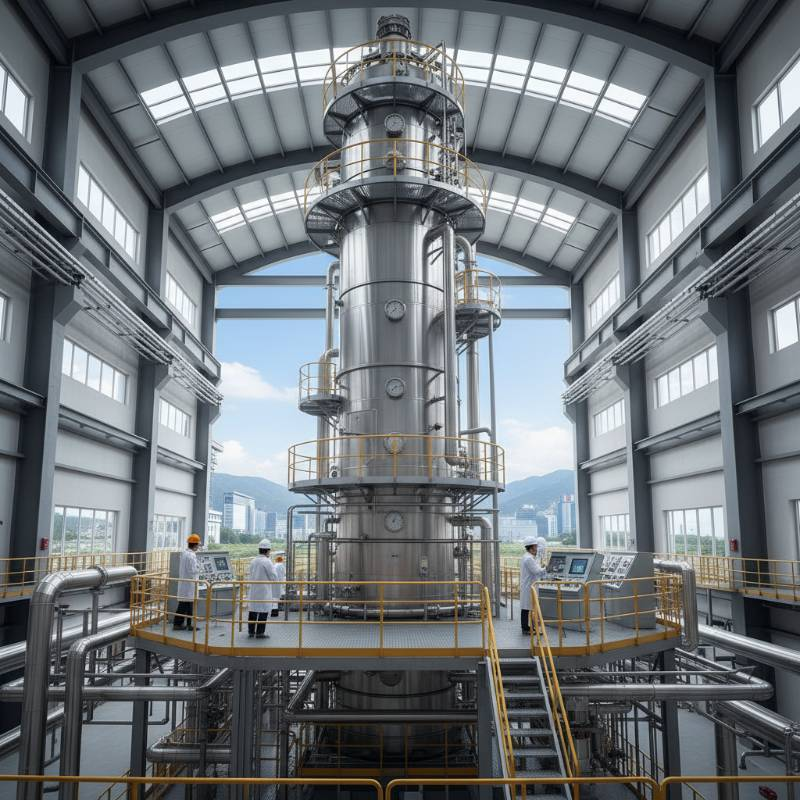
The most demanding applications for titanium are the titanium distillation columns. These towers must separate acetic acid from water, catalysts, and heavy ends.
Palladium-Stabilized Alloys (Grade 7 & 11)
In the "dry" sections of the column where water content is low, the risk of crevice corrosion increases. Grade 7 titanium, which contains approximately 0.15% palladium, is the gold standard here. The palladium shifts the corrosion potential of the alloy into the passive region, ensuring the protective oxide film remains intact even in reducing conditions.
| Material | Temp (°C) | Corrosion Rate (mm/yr) |
|---|---|---|
| Stainless Steel 316L | 150 | >1.5 (Rapid Pitting) |
| Nickel Alloy C276 | 150 | 0.12 - 0.25 |
| Titanium Grade 2 | 150 | <0.01 |
Adhering to Global Standards and PDP Specifications
Major technology licensors like Celanese and BP provide strict Process Design Packages (PDP) that dictate material choices. These specifications often mandate titanium for any component coming into contact with the reactor effluent or the light-ends column feed.
Adhering to AMPP (formerly NACE) standards is also critical for managing hydrogen embrittlement. While titanium is highly resistant to acetic acid, improper cathodic protection or the presence of stray currents can lead to hydrogen absorption. Our fabrication processes at ChinaTitaniumFactory include post-weld stress relieving to mitigate these risks.
Lifecycle Cost Analysis: Titanium vs. Zirconium
Zirconium is occasionally used in acetic acid plants, particularly in the most concentrated, high-temperature mineral acid zones. However, for 95% of the methanol carbonylation loop, titanium offers a much better Return on Investment (ROI).
Titanium is significantly lighter and easier to weld than zirconium, leading to lower installation costs. In 2026, the sustainability factor has also become a driver; titanium is more readily recyclable within the global supply chain, reducing the overall carbon footprint of the plant’s lifecycle.
Advanced Fabrication: Specialized Welding for Titanium
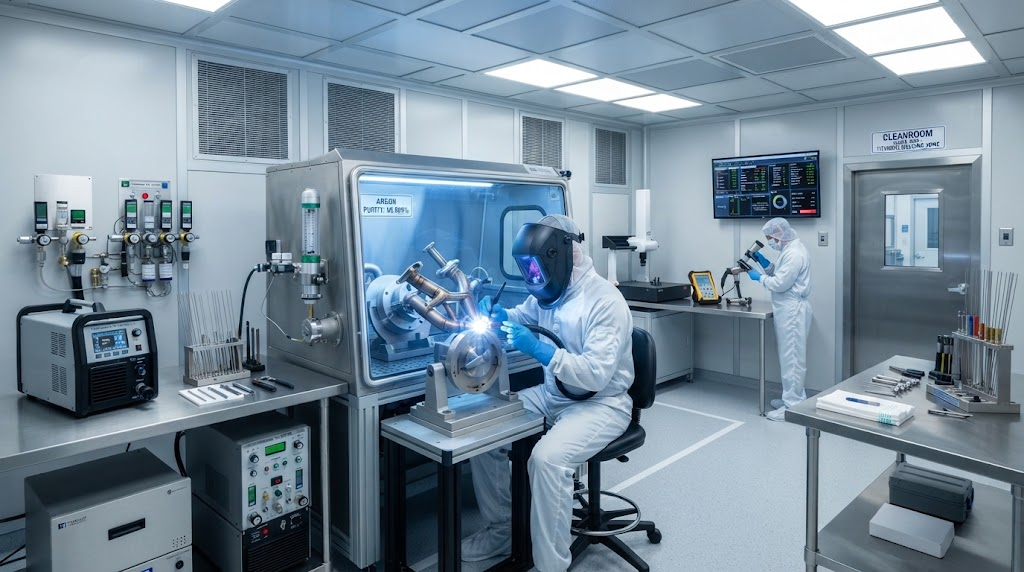
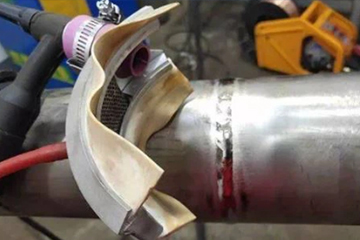
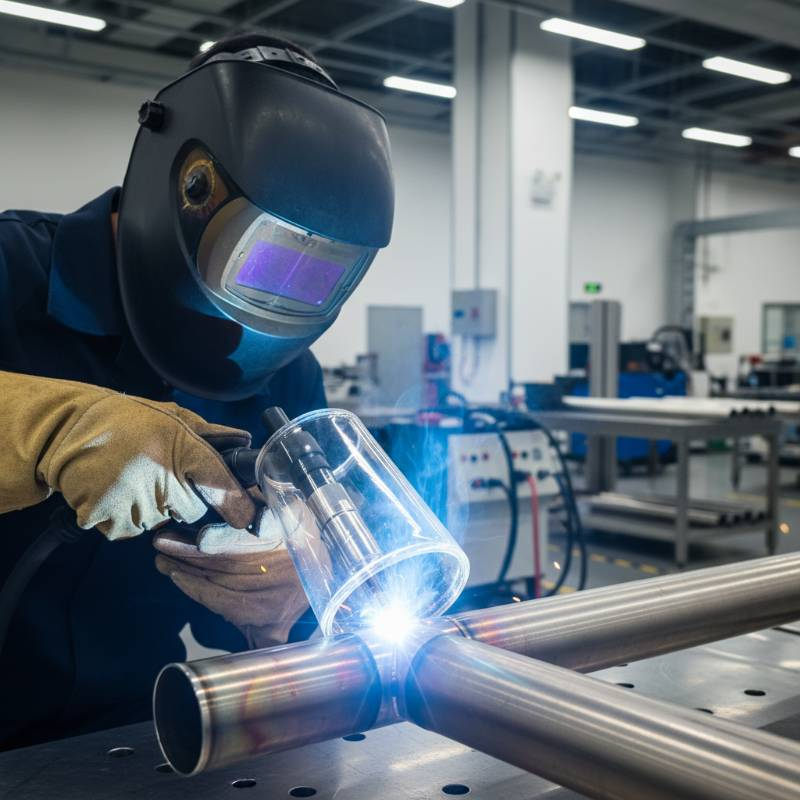
Fabricating titanium equipment in acetic acid manufacture requires "clean room" conditions. Any contamination from carbon steel dust or even skin oils during welding can lead to premature failure in the field.
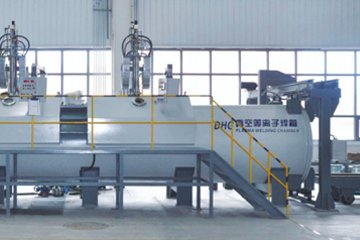
We utilize advanced inert gas shielding (Argon) for both the face and the root of the weld. This ensures that the weld zone is as corrosion-resistant as the base metal. For large-scale titanium heat exchangers, we employ orbital welding to maintain consistent penetration and purity across thousands of tube-to-tubesheet joints.
Frequently Asked Questions
Does titanium suffer from hydrogen embrittlement in acetic acid?
Generally, no. Titanium is safe in acetic acid up to very high temperatures. However, if the process is contaminated with certain reducing acids or if the titanium is in electrical contact with more noble metals, hydrogen absorption can occur. Using Grade 7 or Grade 12 alloys significantly reduces this risk.
Why is Grade 7 preferred over Grade 2 in some sections?
Grade 7 contains palladium, which enhances its resistance to crevice corrosion. In acetic acid distillation, "tight" spots like gasket faces or under-deposit areas can become oxygen-depleted. Grade 7 remains passive in these conditions where Grade 2 might struggle.
What is the typical lead time for a titanium distillation column?
In 2026, due to optimized global supply chains, a custom-engineered titanium column typically has a lead time of 24 to 36 weeks, depending on size and complexity.
Ready to Secure Your Acetic Acid Production?
Don't let iodide corrosion compromise your uptime. Our engineering team specializes in PDP-compliant titanium fabrication for the world's largest chemical producers.
Get a Technical Consultation