























What are Impressed Current Cathodic Protection Anodes?
Corrosion is an electrochemical tax on industrial operations. To stop it, engineers rely on impressed current cathodic protection anodes. Unlike sacrificial anodes that waste away to protect a structure, ICCP anodes are relatively inert components in a forced-current system.
"We define ICCP anodes as high-performance electrodes that facilitate the discharge of protective current from an external DC power source into the electrolyte, effectively forcing the protected structure to become the cathode."
At China Titanium Factory, we focus on the electrochemical stability of these components. By using an external rectifier, these systems can provide significantly higher current outputs than galvanic systems. This makes them the only viable choice for high-resistivity soils or massive offshore structures where "set-it-and-forget-it" sacrificial anodes simply fail to provide enough throw.
Material Comparison: MMO, HSCI, and Platinum-Clad Anodes
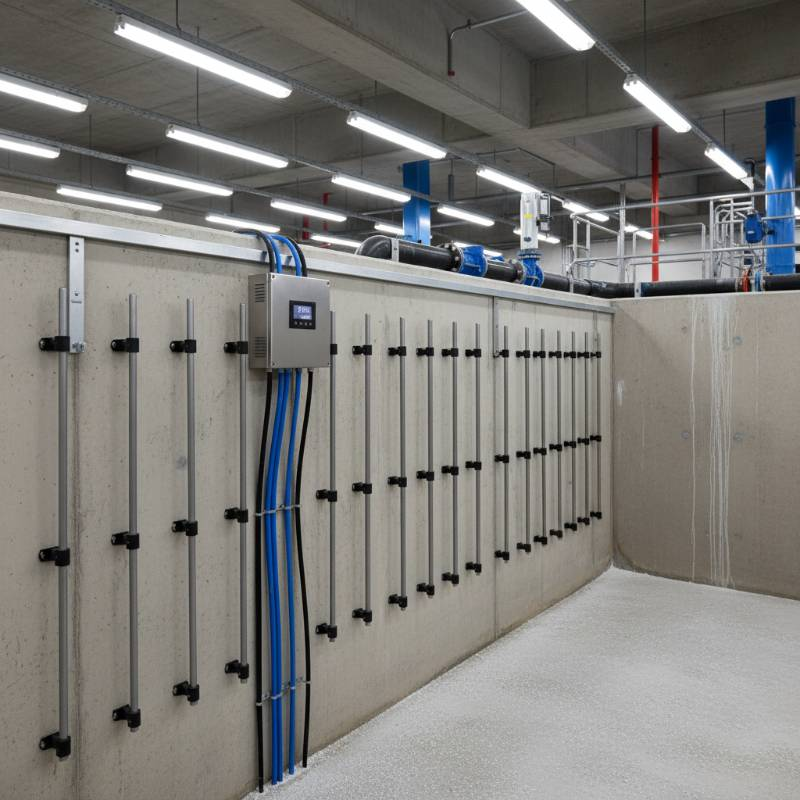
Choosing the wrong material is an expensive mistake. The choice depends on the environment (seawater vs. soil), the required current density, and the target lifespan. According to our internal performance benchmarks, MMO coated titanium anodes offer the best balance of longevity and cost for 90% of modern applications.
| Anode Material | Consumption Rate | Current Density | Typical Environment |
|---|---|---|---|
| Mixed Metal Oxide (MMO) | 1.0 mg/A-yr | 100–600 A/m² | Soil, Seawater, Mud |
| High Silicon Cast Iron (HSCI) | 0.2–0.5 kg/A-yr | 10–50 A/m² | Deep Wells, Brackish Water |
| Platinum-Clad Niobium | 8.0 mg/A-yr | 1000+ A/m² | High-Velocity Seawater |
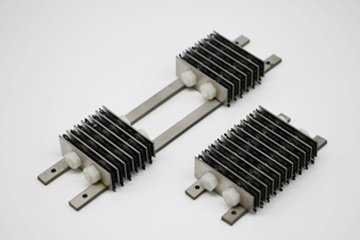
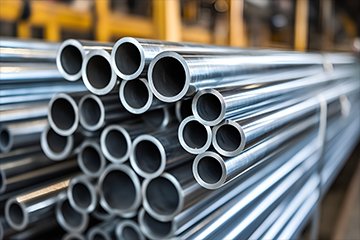
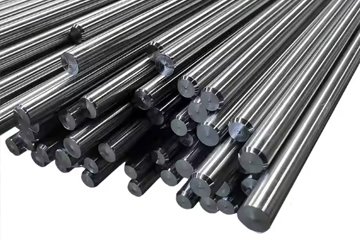
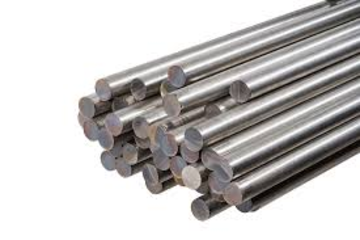
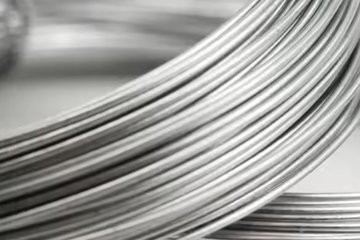
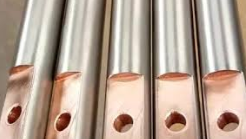
MMO anodes utilize a dimensionally stable titanium substrate. Even as the oxide coating discharges current, the titanium remains intact. This stability is why they have largely replaced graphite and lead-silver anodes in critical infrastructure. For specialized chemical processing, custom titanium electrodes can be engineered to meet specific current output profiles.
The ICCP-360 Reliability Framework: Our Proprietary Design Protocol
A system is only as good as its weakest link. To ensure zero failures, we implement the ICCP-360 Reliability Framework. This three-step process moves beyond basic AMPP (NACE) standards to provide localized precision.
1. Environmental Resistivity Mapping (ERM)
Soil and water chemistry change. We don't guess; we map. By measuring localized resistivity at various depths, we determine the exact placement for impressed current cathodic protection anodes to minimize power consumption.
2. Material-Specific Calibration (MSC)
We match the coating thickness of the MMO to the required current density. If your project demands a 25-year life, the iridium/ruthenium ratio must be calibrated to that specific discharge rate. Standard "off-the-shelf" anodes often fall short because they ignore this variable.
3. Redundant Monitoring Integration (RMI)
The Golden Rule of ICCP: Protection is only as reliable as the stability of the electrolyte-anode interface. We integrate permanent reference electrodes (Silver/Silver Chloride or Zinc) to provide real-time feedback loops to the rectifier.
Engineering Excellence: Groundbed Configuration and Rectifier Selection
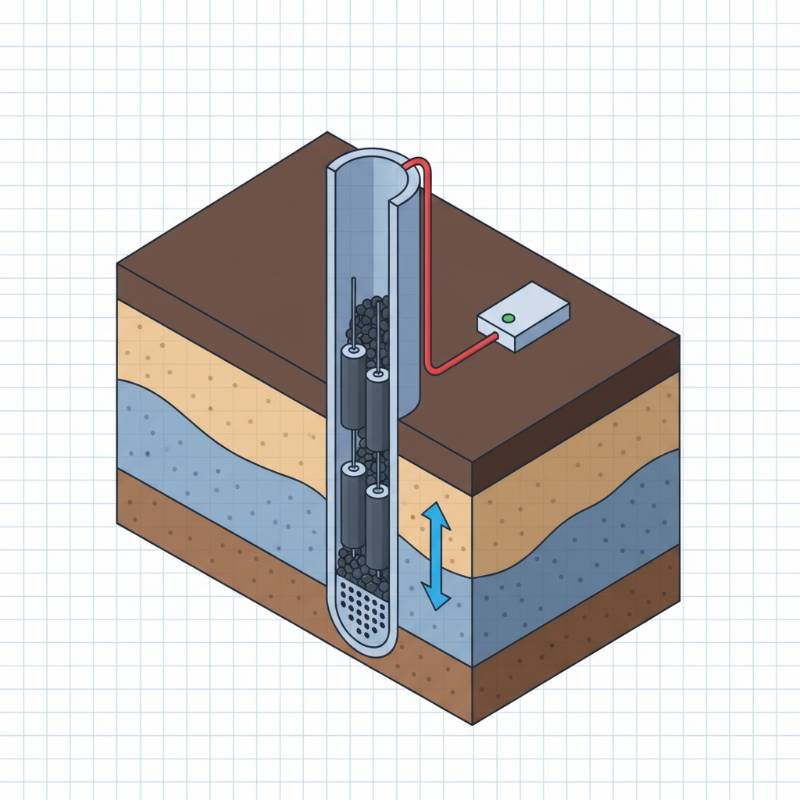
The configuration of the anode groundbed determines the "current throw." In congested urban areas or tight industrial footprints, deep well groundbeds are the standard. They place the anodes 50 to 300 feet below the surface, avoiding interference with nearby pipelines.
Shallow groundbeds, including horizontal or vertical arrays, work best in open environments. Regardless of the layout, the Transformer Rectifier (TR) unit is the heart of the system. Modern TR units now feature remote monitoring capabilities, allowing engineers to adjust current output from a smartphone. Reliability starts with the source.
Global Industry Applications for ICCP Anodes
Where there is water or moist soil, there is corrosion. Our anodes are deployed across diverse sectors:
Offshore Platforms: Protecting jackets and subsea structures where replacement costs are astronomical.
Marine Vessels: Ship hulls and internal sea chests require precise current control to prevent over-protection (which causes hydrogen embrittlement).
Underground Pipelines: Oil, gas, and water transmission lines extending hundreds of miles.
Reinforced Concrete: Bridges and parking garages in coastal areas use MMO ribbon anodes to prevent rebar expansion and spalling.
Compliance with ISO 15589-2 is mandatory for offshore applications to ensure international safety and environmental standards are met.
Annual Maintenance Checklist and System Troubleshooting
System neglect is the primary cause of ICCP failure. Follow this checklist to ensure longevity:
Rectifier Output: Check Voltage and Amperage. A sudden drop in current often indicates a broken header cable.
Structure-to-Electrolyte Potential: Use a portable reference electrode to verify the -850mV (CSE) "on" potential or -100mV polarization shift.
Visual Inspection: Check for heat damage at the rectifier terminals.
Anode Resistance: If resistance increases significantly, the backfill (coke breeze) may be drying out or the anode may be nearing the end of its life.
Common issues like "reference electrode drift" can lead to over-protection. If you see paint blistering on a ship hull, your current density is likely too high. Calibration is key.
Protect Your Industrial Assets Today
Don't let corrosion compromise your infrastructure. Our engineering team provides custom-designed impressed current cathodic protection anodes tailored to your specific environment.
Frequently Asked Questions About ICCP Anodes
What is the life expectancy of an MMO ICCP anode?
With proper design and current density management, MMO anodes typically last between 20 and 30 years. Life expectancy is directly proportional to the thickness of the precious metal oxide coating and the discharge current.
Why choose ICCP over sacrificial (galvanic) anodes?
ICCP is preferred for large structures, high-resistivity environments, or where the "current demand" is high. While ICCP requires an external power source and more maintenance, it offers adjustable output and a much longer service life compared to sacrificial systems.
What is the role of coke breeze backfill?
In soil applications, anodes are surrounded by carbonaceous backfill (coke breeze). This lowers the anode-to-earth resistance and ensures the electrochemical reaction occurs on the surface of the coke, extending the life of the primary anode.