








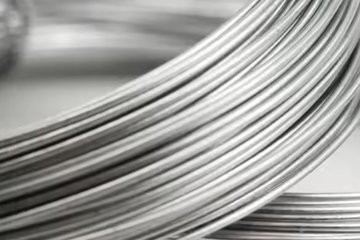
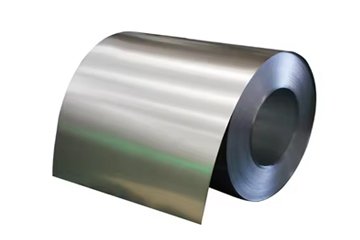
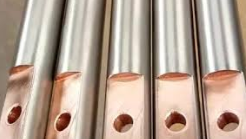











Choosing between Grade 5 and Grade 23 titanium isn't just about strength. It’s about failure margins. On paper, both alloys share the same DNA: 6% Aluminum and 4% Vanadium. However, the "ELI" designation in Grade 23—standing for Extra Low Interstitials—represents a critical shift in chemical purity that dictates how a part behaves under extreme fatigue or inside a human body.
Defining the 'ELI' Advantage: What Extra Low Interstitial Means for Your Project
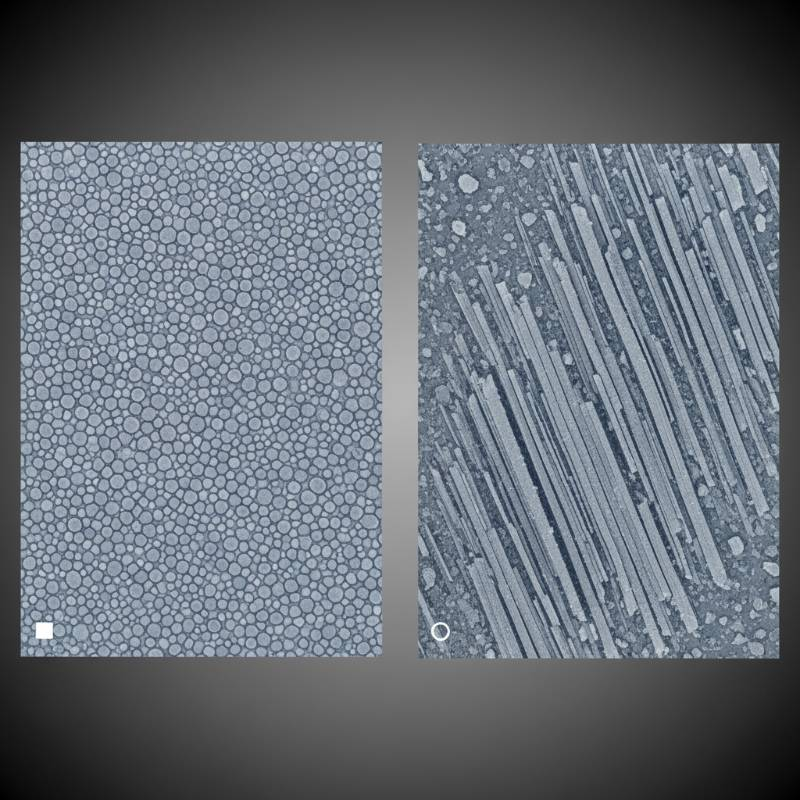
In the world of metallurgy, "interstitials" are small atoms like oxygen, nitrogen, and hydrogen that lodge themselves into the spaces between the larger titanium atoms. In standard Grade 5, these elements provide a slight boost in hardness. But there's a trade-off. They make the metal brittle.
"ELI (Extra Low Interstitial) titanium is a higher-purity version of Ti-6Al-4V. By strictly limiting oxygen and iron levels, Grade 23 achieves significantly better ductility and fracture toughness, especially in cryogenic or high-fatigue environments."
At China Titanium Factory, we define Ti-6Al-4V ELI properties by their ability to resist crack propagation. If a Grade 5 component develops a microscopic crack, it may fail catastrophically. A Grade 23 component is more likely to deform before it breaks. This "Golden Rule" of material selection—The Ductility-Purity Axiom—states that as interstitial impurities decrease, fracture toughness increases exponentially, regardless of static tensile strength.
Technical Specifications: Comparing ASTM F136 and AMS 4928 Standards
Engineers must distinguish between the regulatory standards governing these materials. Grade 5 is typically certified to AMS 4928 (aerospace) or ASTM B348 (industrial). Grade 23, however, must meet the rigorous ASTM F136 standard for surgical implants.
| Element | Grade 5 (AMS 4928) | Grade 23 (ASTM F136) |
|---|---|---|
| Oxygen (O) | 0.20% Max | 0.13% Max |
| Iron (Fe) | 0.40% Max | 0.25% Max |
| Nitrogen (N) | 0.05% Max | 0.03% Max |
| Hydrogen (H) | 0.015% Max | 0.012% Max |
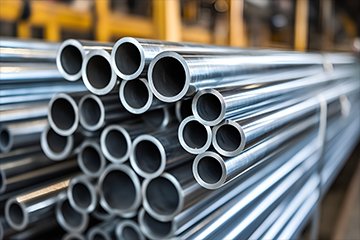
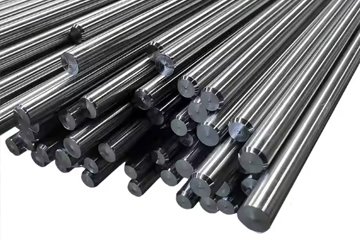
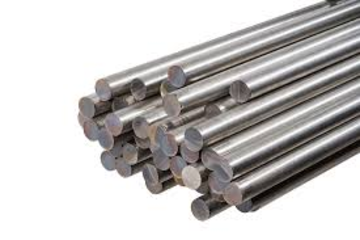
The reduction in oxygen is the most influential change. Even a 0.07% difference fundamentally alters the lattice structure. For procurement officers, sourcing an ASTM F136 compliant titanium rod ensures that the material has undergone more stringent processing to remove these gas-phase impurities.
The 'VAR-Purity Protocol': Our Proprietary Approach to Eliminating Inclusions
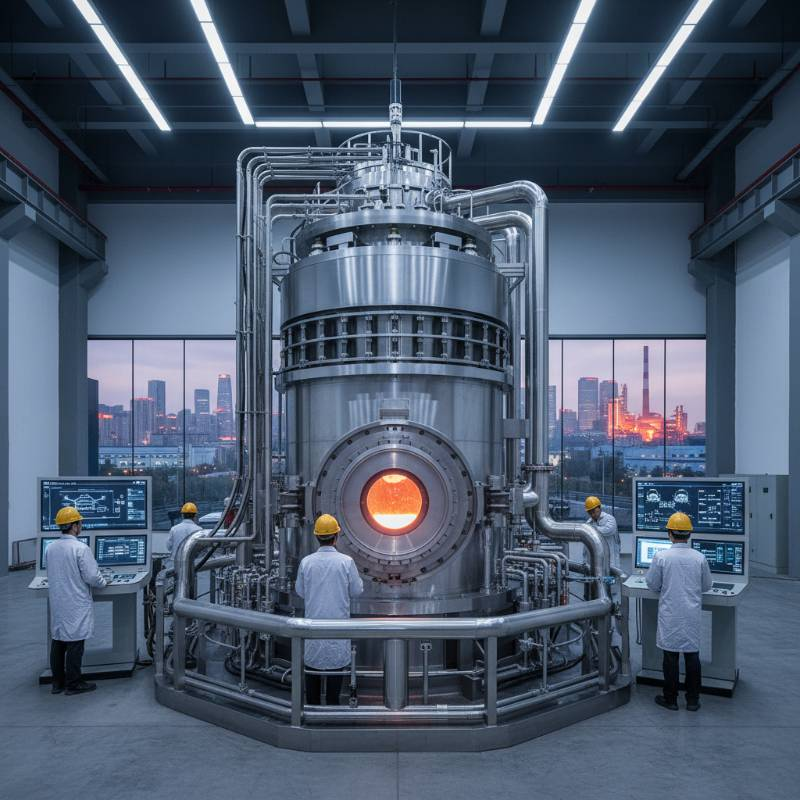
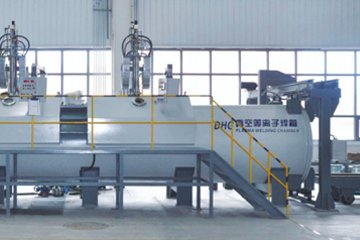
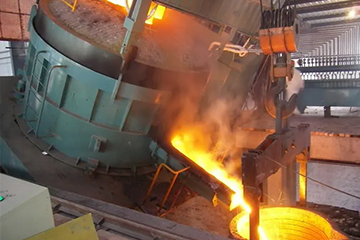
Achieving ELI status requires more than just high-quality raw sponge. It requires precise melting. At China Titanium Factory, we utilize our proprietary VAR-Purity Protocol to ensure material integrity. This framework centers on our 15T VAR (Vacuum Arc Remelting) equipment.
High-density inclusions (HDIs) are the enemy of aerospace and medical engineering. By using double or triple VAR melting cycles, we eliminate the risk of tungsten inclusions or nitrided sponge particles that can lead to fatigue failure. This level of manufacturing authority is why our materials are trusted in life-critical applications. According to our analysis, 15T VAR melting provides a more uniform thermal gradient, resulting in a more consistent grain structure than smaller, less stable furnaces.
Biocompatibility and Medical Excellence: Why Grade 23 Dominates the Healthcare Sector
In the human body, the environment is surprisingly corrosive. Grade 23 is the "Gold Standard" for medical grade titanium. Its superior biocompatibility stems from its low iron content. Lower iron levels reduce the risk of adverse tissue reactions and metallic ion release over decades of use.
Whether it is for orthopedic implants, dental implant material, or surgical instruments, Grade 23 offers a modulus of elasticity that is closer to human bone than most other metals. This reduces "stress shielding," where the implant takes too much load and causes the surrounding bone to weaken. When failure is not an option, ELI is the only choice.
Aerospace and Industrial Fasteners: Optimizing Strength-to-Weight Ratios
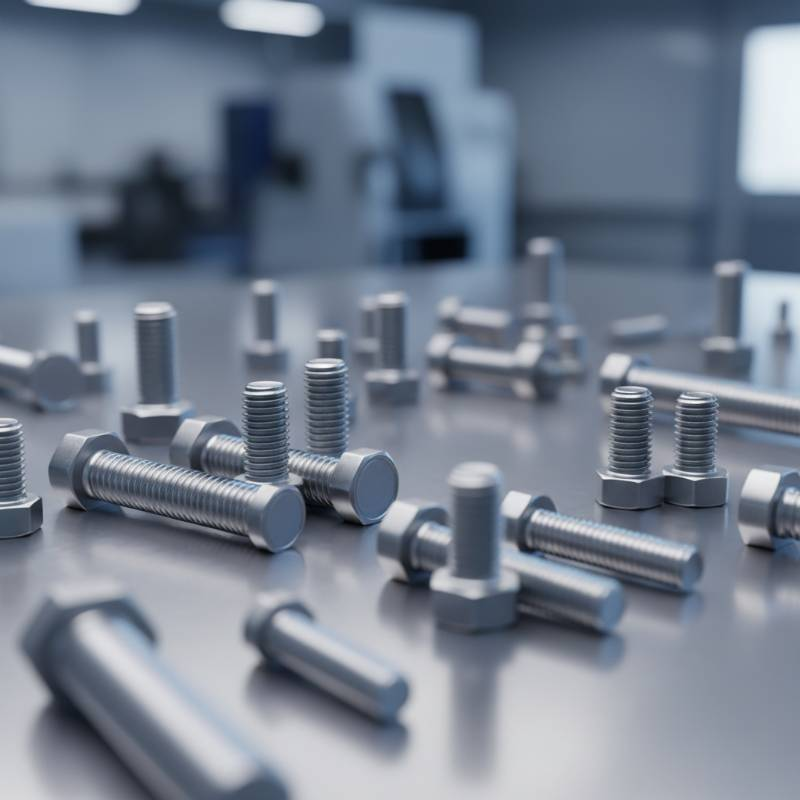
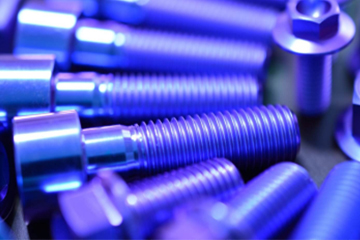
While Grade 5 is ubiquitous in aerospace for generic brackets and housings, Grade 23 is increasingly specified for aerospace fasteners used in the engine and primary structural joints. These components face extreme vibration and temperature fluctuations. The enhanced ductility of ELI titanium prevents the fasteners from shearing under sudden impact or thermal expansion.
Furthermore, the corrosion resistance of both grades is excellent, but Grade 23’s refined chemistry offers a slight edge in salt-spray environments common in naval aviation. For industrial procurement, the decision often comes down to a cost-benefit analysis of the "total lifecycle cost" rather than the initial price per kg.
Resources and Material Support
Navigating titanium grades can be complex. To help our partners, we provide a suite of technical guides:
Titanium Bar Machining Guide: Tips for high-speed cutting of ELI alloys.
Material Certification Services: How we verify ASTM F136 compliance.
Aerospace Titanium Inventory: Real-time stock of Grade 5 and Grade 23.
For more detailed metallurgical data, refer to ASTM International or the ASM International materials database.
Frequently Asked Questions About Grade 5 and Grade 23 Titanium
Can I substitute Grade 5 for Grade 23?
Generally, no—especially not in medical or critical aerospace applications. While Grade 5 is stronger in pure tension, it lacks the fracture toughness required by ASTM F136. However, you can often substitute Grade 23 for Grade 5, as it meets or exceeds the mechanical requirements of Grade 5 while offering better safety margins.
Is Grade 23 titanium more expensive?
Yes. The refined melting process (VAR-Purity Protocol) and the higher quality of raw sponge required to keep oxygen levels low result in a higher titanium price per kg for Grade 23 compared to Grade 5.
Does ELI titanium have better weldability?
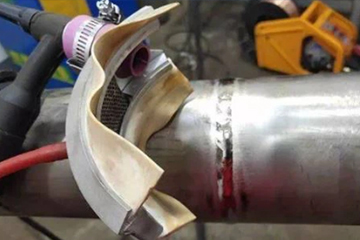
Yes. Lower interstitial elements generally improve weldability by reducing the risk of weld embrittlement. Grade 23 is preferred for complex welded assemblies in cryogenic pressure vessels.
Ready to Secure High-Purity Titanium?
Whether you need ASTM F136 compliant rods for medical devices or AMS 4928 bars for aerospace, our 15T VAR melting facility ensures unrivaled purity.
Get a Quote Today