























What is an Industrial Electrolytic Cell Titanium Anode?
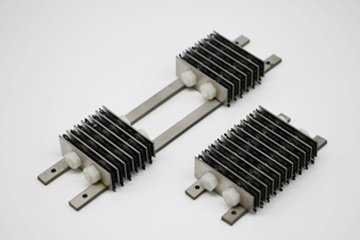
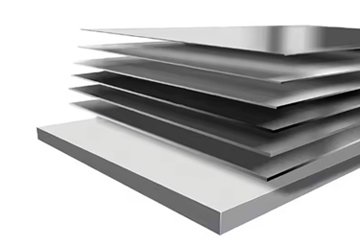
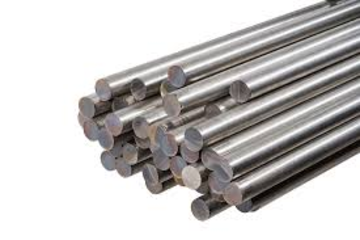
In high-output electrochemical systems, the anode is the heart of the reaction. An industrial electrolytic cell titanium anode serves as the positive electrode where oxidation occurs. Unlike traditional materials, these are often referred to as Dimensionally Stable Anodes (DSA). They maintain their shape and size throughout the entire electrolysis process.
"We define the industrial titanium anode as a composite structure consisting of a Grade 1 or Grade 2 titanium substrate activated by a precious metal oxide coating to facilitate specific electrochemical reactions."
Engineers favor titanium because of its exceptional corrosion resistance in aggressive media. When the power supply is engaged, the titanium substrate forms a protective oxide layer, while the specialized coating handles the electron transfer. This synergy prevents the electrode from dissolving, a common failure point in lead-acid or graphite-based systems.
Advanced MMO Coating Technology and Material Science
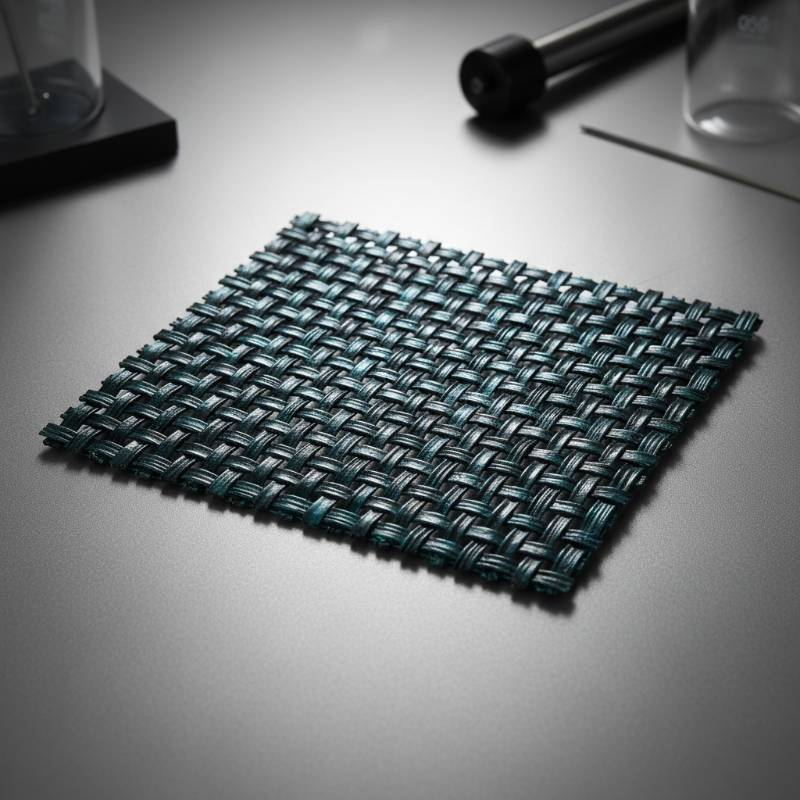
The substrate provides the structure, but the coating provides the performance. Mixed Metal Oxide (MMO) coatings typically involve thermal decomposition of noble metal salts. Ruthenium-Iridium coatings are standard for chlorine evolution, while Iridium-Tantalum excels in oxygen evolution environments.
At China Titanium Factory, we analyze the micro-morphology of these coatings to ensure "cracked-mud" structures are minimized. High electrocatalytic activity depends on the surface area available at the molecular level. If the coating is too thin, the substrate passivates. If it is too thick, internal stresses cause delamination.
The Role of the Titanium Substrate
The titanium substrate must be chemically etched to create a rough surface. This mechanical anchoring is vital. According to research published by the Electrochemical Society, the bond strength between the MMO layer and the titanium base determines the ultimate service life of the cell.
The DuraCore™ 5-Point Efficiency Protocol for Anode Longevity
To standardize quality, we developed the DuraCore™ Protocol. This is our proprietary framework for manufacturing high-performance electrodes. It moves beyond basic specifications to focus on operational reality.
Substrate Purity Verification: Using only ASTM B265 Grade 1 titanium to prevent impurity-driven hot spots.
Surface Kinetic Activation: A multi-stage chemical etching process to increase effective surface area by 300%.
Precision Layering: Applying coatings in multiple micro-layers with intermediate thermal processing.
Thermal Stress Relief: Controlled cooling cycles to prevent micro-fractures in the catalytic oxide.
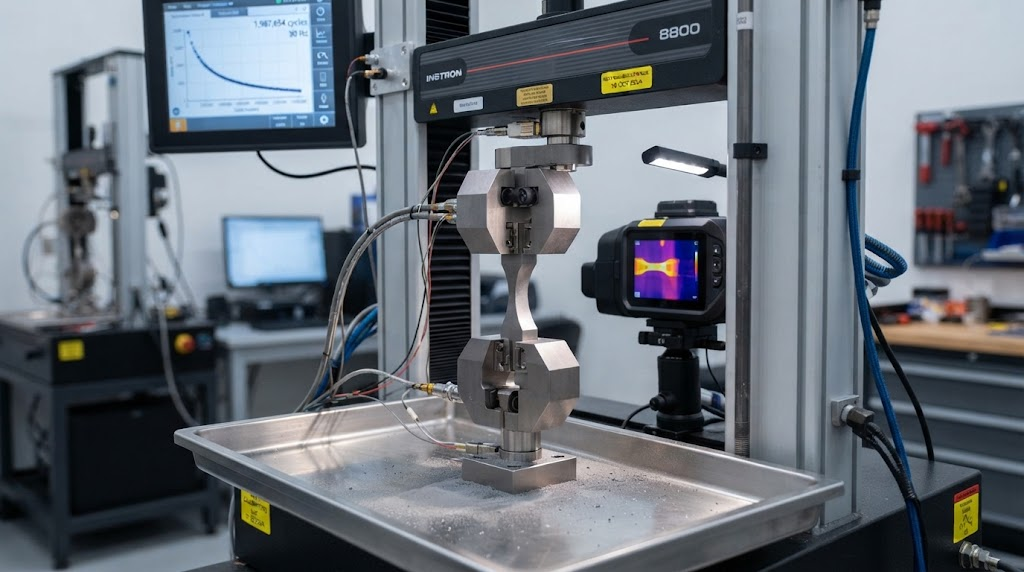
Electrochemical Stress Testing: Accelerated life testing in simulated industrial electrolytes.
The Golden Rule of Anode Longevity: Catalytic activity is worthless without substrate adhesion. If the coating peels, the energy efficiency of the industrial electrolytic cell collapses instantly.
Key Industrial Applications: From Chlor-Alkali to Water Treatment
The versatility of the industrial electrolytic cell titanium anode makes it indispensable across several sectors. Each application requires a specific coating formulation to handle varying pH levels and ion concentrations.
Advanced Wastewater Treatment
In electro-oxidation, these anodes destroy organic pollutants and pathogens. They are critical for cooling tower water treatment and swimming pool salt chlorination. The durability of the titanium electrode assembly ensures these systems run 24/7 with minimal intervention.
Electro-winning of Metals
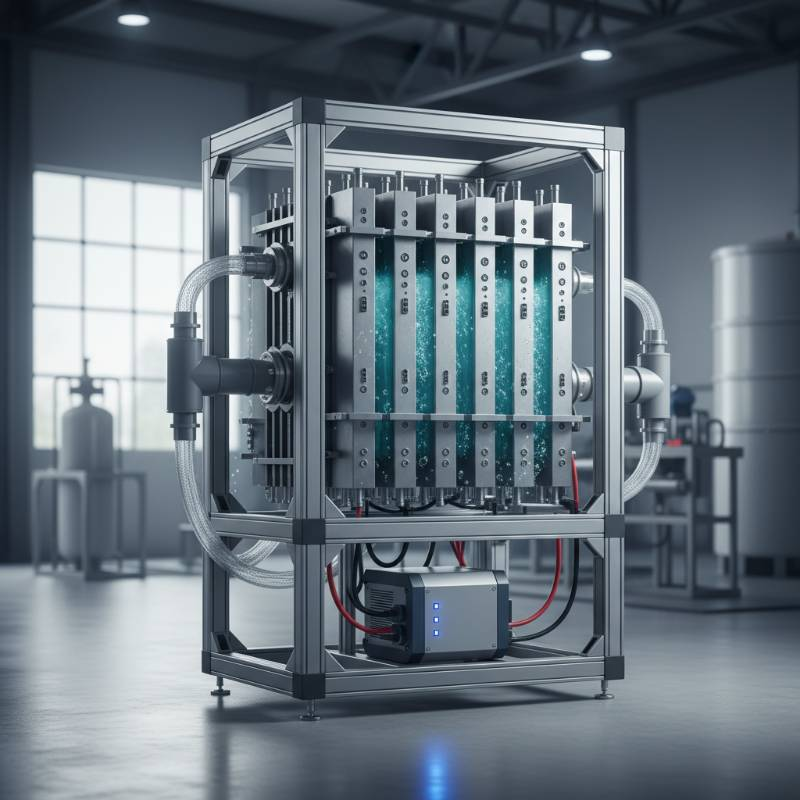
Mining operations use titanium anodes to recover metals like copper, nickel, and cobalt from leach solutions. Unlike lead anodes, titanium doesn't contaminate the cathode product, resulting in higher purity metals and lower sludge production.
Technical Specifications and Operating Parameters
Selection depends on the specific chemistry of your electrolyte. Below are the standard operating ranges for our high-performance anodes.
| Parameter | Standard Range | Optimized Range |
|---|---|---|
| Current Density | < 2000 A/m² | Up to 7500 A/m² (Specific coatings) |
| Operating Temperature | 5°C - 60°C | Up to 80°C |
| pH Range | 0 - 14 | Application Dependent |
| Fluoride Ion Limit | < 50 ppm | Requires Pre-treatment |
Maximizing ROI: Energy Savings and Maintenance Lifecycle
Electricity accounts for up to 70% of operational costs in electrolysis. Reducing the cell voltage by even 100mV can save thousands of dollars annually per cell. High-quality titanium anodes lower the overpotential required for the reaction, directly impacting your bottom line.
Maintenance shouldn't involve replacement. We offer professional re-coating services. When the catalytic activity drops, the titanium substrate is stripped, cleaned, and re-coated. This process restores the anode to 100% efficiency at a fraction of the cost of a new assembly.
According to AMPP (formerly NACE), proper material selection in corrosive environments is the single most effective way to reduce long-term industrial overhead.
Industrial Electrolytic Cell FAQ
How long does a titanium anode typically last?
Lifespan varies by application. In chlor-alkali cells, they can last 5-8 years. In high-current density electroplating, the interval might be 12-24 months. Proper current distribution is the key factor.
Can I use titanium anodes in solutions containing fluorides?
Fluoride ions aggressively attack the titanium oxide layer. We generally advise against it unless the concentration is extremely low or specific protective measures are taken. Contact our technical support for a compatibility check.
What causes anode passivation?
Passivation occurs when the MMO coating is depleted or damaged, allowing a non-conductive titanium dioxide layer to form. This increases resistance and eventually stops the current flow.
Ready to Optimize Your Electrolytic Process?
Lower your energy costs and extend your equipment lifecycle with our DuraCore™ certified titanium anodes.
Request a Technical Consultation