
















High-Performance Large Scale Titanium Forgings
Industrial operations in 2026 demand materials that survive where others fail. Large scale titanium forgings provide the backbone for critical infrastructure, from massive chemical centrifuges to high-torque pump shafts. These components must withstand extreme pressure, corrosive slurry, and cyclic fatigue without breaking a sweat.
At China Titanium Factory, we engineer massive forgings that bridge the gap between theoretical metallurgy and practical durability. Whether you are building subsea propulsion systems or global-scale desalination plants, the integrity of your forging determines your uptime.
What is Large Scale Titanium Forging?
Large scale titanium forging is a thermomechanical manufacturing process where massive titanium ingots are shaped using compressive forces from hydraulic presses. This process refines the grain structure of the metal, eliminating internal voids and creating a "flow" that follows the part's geometry, significantly enhancing mechanical properties compared to casting or machining from bar stock.
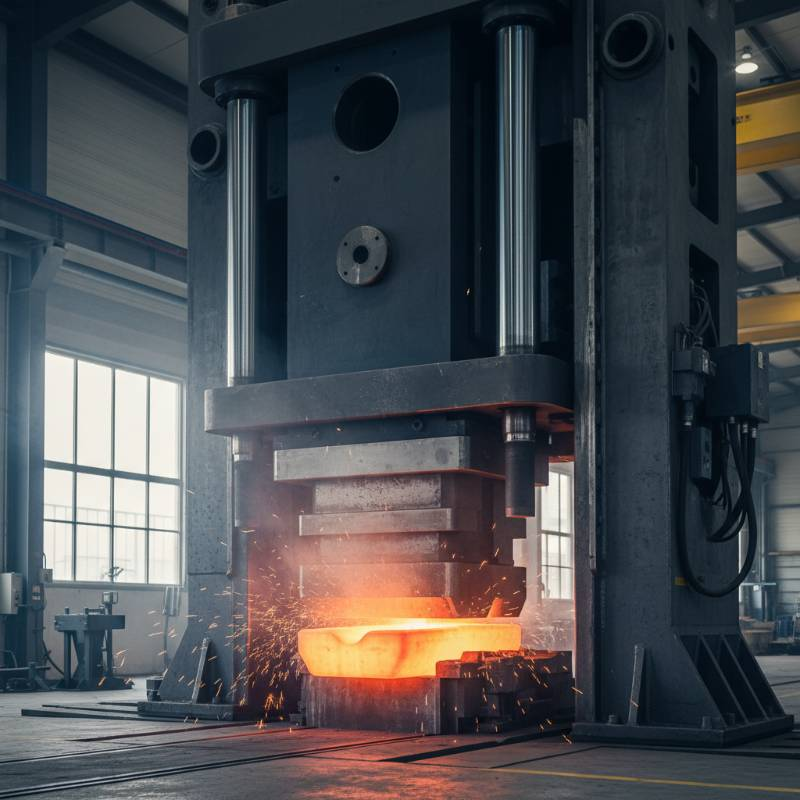
In our experience, the transition from ingot to finished forging requires a deep understanding of Titanium Alloy Specifications. The process isn't just about changing shape; it's about controlling the phase transformation of the alloy to reach peak performance.
The Ultra-Integrity Forging Protocol
We don't just "hit metal with a hammer." We utilize a proprietary methodology called the Ultra-Integrity Forging Protocol. This framework ensures that every cubic inch of a 10-ton forging possesses the same metallurgical properties as a small test coupon.
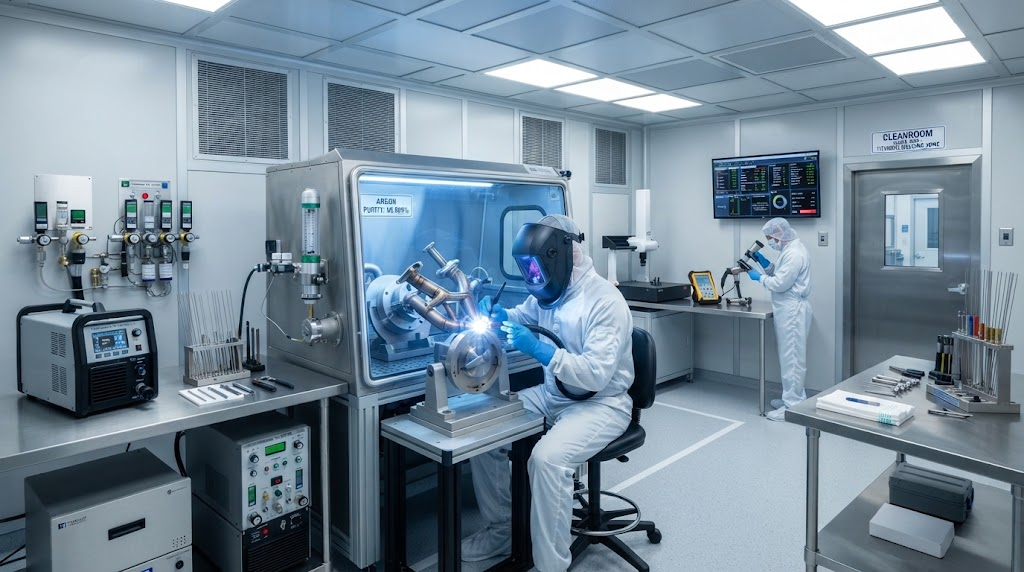
Thermal Precision: We use AI-monitored furnaces to maintain a +/- 5°C window, preventing the formation of brittle alpha-case.
Grain Refinement: Multiple upsetting and drawing operations break down the coarse as-cast structure into a fine, equiaxed grain.
Stress Relief: Controlled cooling cycles prevent residual stress that can cause warping during final machining.
Ultrasonic Verification: Every forging undergoes 100% volumetric NDT to ensure zero internal defects.
"By 2026, we've integrated real-time microstructural modeling into our press controls. We no longer guess how the grain is moving; we see it digitally before the first blow is even struck."
— Dr. Chen Wei, Chief Metallurgist
Manufacturing Excellence: Open-Die vs. Closed-Die Forging
Choosing the right forging method is vital for cost and performance. For massive pump shafts and chemical centrifuge rotors, open-die forging is often the gold standard. It allows for the production of parts exceeding 20 meters in length.
Conversely, closed-die forging (or precision forging) is utilized for complex, near-net shapes where material waste must be minimized. This is common in aerospace structural members where the Custom Forging Services we provide can reduce machining time by up to 40%.
Material Performance in Extreme Environments
The Chemical Processing Industry (CPI) relies on titanium's legendary corrosion resistance. When handling chlorides, sulfuric acid, or organic solvents, traditional stainless steels pit and crack. Large scale titanium forgings offer a "set it and forget it" solution for pump shaft manufacturing.
| Property | Titanium Grade 5 (Forged) | 316L Stainless Steel |
|---|---|---|
| Yield Strength (MPa) | 880 - 950 | 290 - 310 |
| Density (g/cm³) | 4.43 | 8.00 |
| Fatigue Limit (10^7 cycles) | High (Excellent) | Moderate |
| Pitting Resistance | Immune in most chlorides | Susceptible |
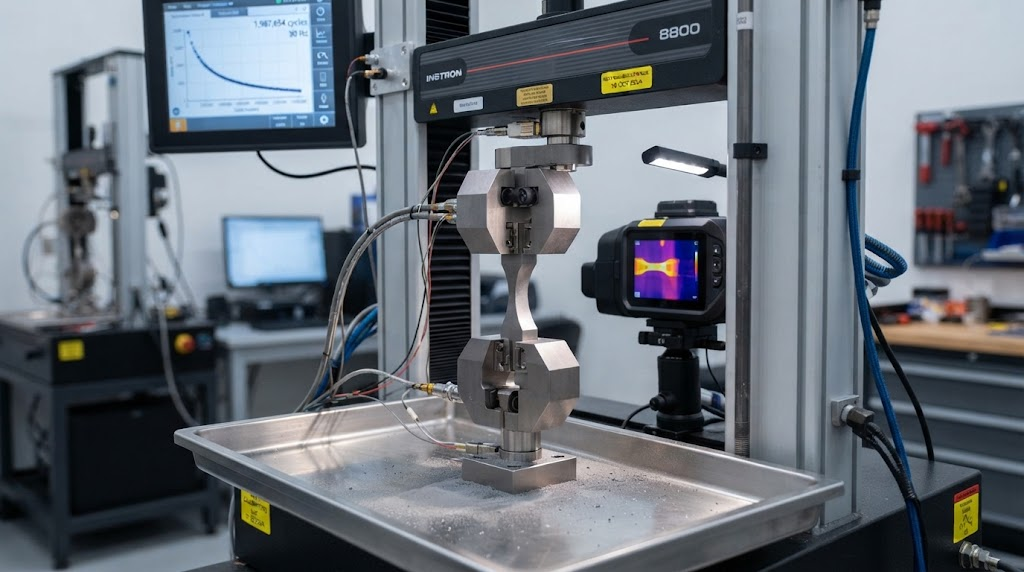
For rotating equipment like chemical centrifuges, the fracture toughness of the forging is the safety net. Our data shows that forged titanium components maintain their tensile strength even at cryogenic temperatures, making them versatile for diverse industrial pump manufacturers.
Global Applications: From Subsea to Aerospace
In 2026, the demand for titanium has expanded beyond traditional niches. We are seeing a massive uptick in desalination plant hardware where forged rings must withstand the constant assault of high-pressure brine.
Subsea Fatigue Life Case Study:In a recent project for a North Sea oil and gas operator, our forged titanium connector hubs demonstrated a 300% increase in fatigue life compared to cast equivalents. By refining the microstructure analysis during the forging stage, we eliminated the micro-porosity that usually initiates subsea stress corrosion cracking.
Certifications and Quality Assurance
Forging at this scale leaves no room for error. We adhere to the strictest Quality Assurance Standards in the world. Our facility is fully AS9100 certified and NADCAP accredited for heat treatment and non-destructive testing (NDT).
Every shipment includes a comprehensive Material Test Report (MTR) covering: 1. Chemical composition analysis via ICP-OES. 2. Mechanical testing (Yield, Tensile, Elongation). 3. Macro and Microstructure validation per ASTM International standards. 4. Ultrasonic testing (UT) following AMS 2631 Class AA requirements.
We invite third-party inspectors from Lloyd's Register or DNV to witness our testing phases for high-stakes subsea or aerospace projects.
Sustainability and Green Titanium Initiatives
As we move through 2026, ESG (Environmental, Social, and Governance) data is no longer optional. Our factory has transitioned to Green Titanium initiatives. This includes using closed-loop water cooling for our hydraulic presses and a robust titanium recycling program that repurposes 100% of our machining chips.
By using high-efficiency induction heating instead of gas-fired furnaces for smaller billets, we have reduced our carbon footprint per ton of forged material by 22% over the last three years. This makes our forgings a preferred choice for companies with strict sustainable manufacturing mandates.
Interactive Forging Weight and Lead Time
We understand that "Time is Titanium." For AOG (Aircraft on Ground) emergencies or critical plant shutdowns, our rapid-response team can slash standard lead times. Our current 2026 average lead time for large forged shafts is 8-12 weeks, compared to the industry standard of 20+ weeks.
Note: For an exact weight calculation, please provide your CAD drawings or outer dimensions (OD/ID/Length) to our engineering team for a 24-hour quote turnaround.
Frequently Asked Questions About Titanium Forging
What is the maximum diameter for a forged titanium shaft?
Currently, our facility can forge shafts up to 1,200mm (approx. 47 inches) in diameter and lengths up to 15 meters, depending on the specific alloy grade and forging ratio required.
How does heat treatment affect tensile strength?
Heat treatment, such as solution treating and aging (STA), can increase the tensile strength of Grade 5 titanium by up to 20%. However, this often comes with a slight reduction in ductility, which is why we calibrate the cycle based on your specific application.
Do you follow ASTM B381 standards?
Yes, all our Quality Assurance Standards are aligned with ASTM B381 (Standard Specification for Titanium and Titanium Alloy Forgings).
Secure Your 2026 Supply Chain Today
Don't let material failure stall your production. Partner with the global leader in large scale titanium forging for components that exceed expectations.
Contact our metallurgical team for a technical consultation.
Request a Technical Quote