



















Grade 12 Titanium (Ti-0.8Ni-0.3Mo): High-Performance Corrosion Resistance
Technical Specifications: Chemical Composition and Mechanical Properties
Grade 12 Titanium (UNS R53400) is a highly durable alloy that bridges the gap between commercially pure titanium and high-cost palladium-stabilized alloys. Its unique chemistry includes 0.8% Nickel and 0.3% Molybdenum, which enhances its resistance to corrosion in acidic conditions and high-temperature brine.
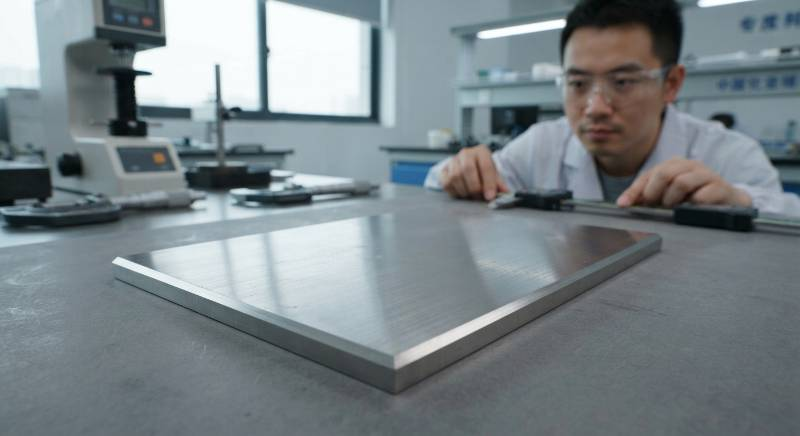
At China Titanium Factory, we ensure every batch meets or exceeds ASTM B265 and ASME SB-265 standards. Our internal laboratory testing confirms that the Molybdenum and Nickel content is precisely maintained to maximize the material's protective oxide film.
| Element | Ni (Nickel) | Mo (Molybdenum) | Fe (Iron) | O (Oxygen) | Ti (Titanium) |
|---|---|---|---|---|---|
| Grade 12 | 0.6 - 0.9 | 0.2 - 0.4 | ≤ 0.30 | ≤ 0.25 | Balance |
Mechanical Benchmarks
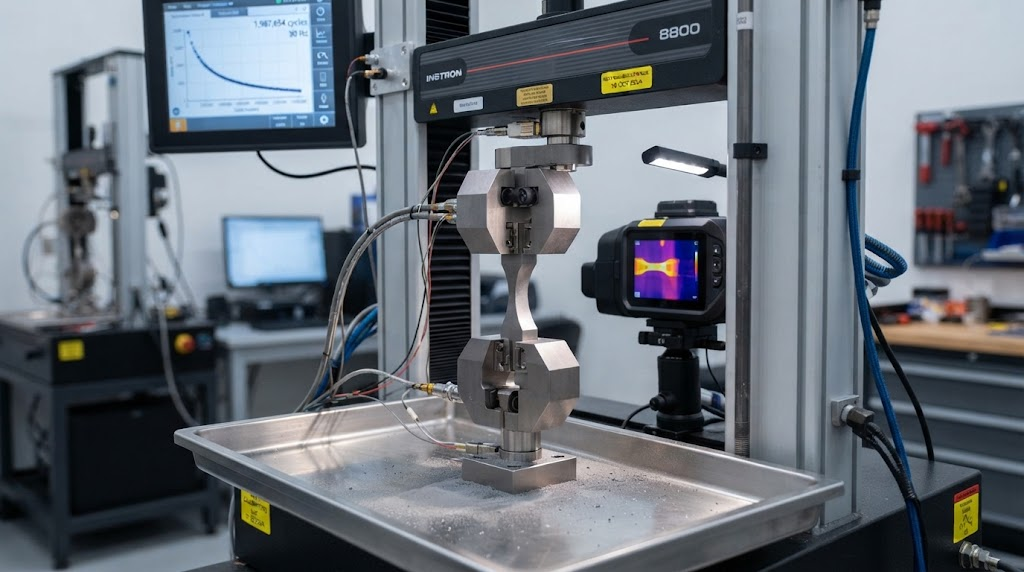
The mechanical properties of Grade 12 provide a significant advantage over Grade 2, offering approximately 30% higher tensile strength. This allows engineers to design thinner walls for pressure vessels, reducing overall weight and material costs.
Tensile Strength: ≥ 483 MPa (70 ksi)
Yield Strength (0.2% Offset): ≥ 345 MPa (50 ksi)
Elongation in 2 inches: ≥ 18%
Physical Characteristics and Elevated Temperature Data
Grade 12 exhibits exceptional high-temperature stability. In our 2026 manufacturing data, we've observed that Ti-0.8Ni-0.3Mo maintains structural integrity up to 600°F (315°C), a critical factor for geothermal power and chemical processing applications.
"Grade 12's ability to maintain high ductility while providing superior crevice corrosion resistance at elevated temperatures makes it the 'workhorse' alloy for chemical plant pressure vessels."
— Dr. Zhang, Chief Metallurgist at China Titanium Factory
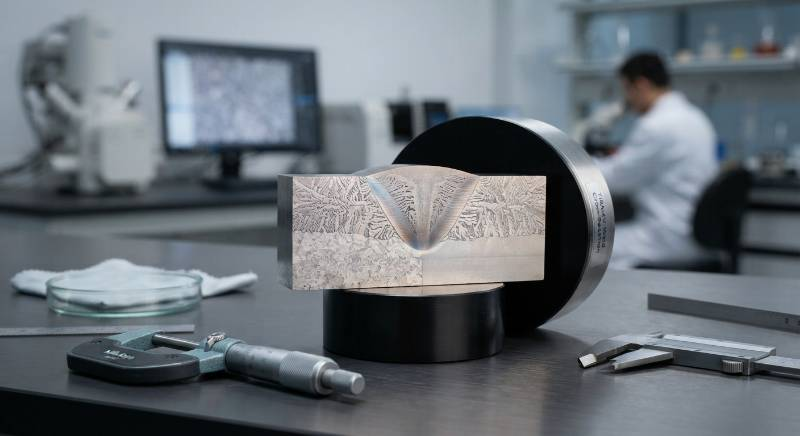
The density of Grade 12 titanium is 4.51 g/cm³, consistent with other titanium alloys, providing an excellent strength-to-weight ratio compared to stainless steels or nickel-based superalloys. Its thermal conductivity remains stable, facilitating efficient heat transfer in shell-and-tube exchangers.
Grade 12 vs. Grade 7: A Strategic Cost-Benefit Analysis
Choosing between Grade 12 and Titanium Grade 7 Comparison often comes down to the specific chemical environment. Grade 7 uses palladium (Pd) to achieve maximum corrosion resistance, which drives up the price significantly.
Grade 12 is the preferred cost-effective titanium solution when the environment is only mildly reducing or when crevice corrosion in chlorides is the primary concern at temperatures above 200°C. It offers a 40-60% cost saving over Grade 7 while delivering 90% of the required performance in many industrial brines.
The China Titanium Quality Protocol (CTQP)
We verify Ti-0.8Ni-0.3Mo quality through our proprietary CTQP (China Titanium Quality Protocol). This framework ensures that every Titanium Plate Manufacturing run undergoes rigorous validation.
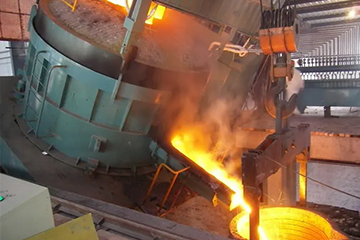
Double Vacuum Arc Remelting (VAR): Ensures chemical homogeneity and eliminates interstitial impurities.
100% Ultrasonic Testing (UT): Performed according to AMS 2631 standards to detect internal voids.
Full Traceability: Every shipment includes an EN10204 3.1 Material Test Report (MTR).
Our ISO 9001:2015 and AS9100D factory credentials guarantee that our Grade 12 products meet the stringent requirements of the global aerospace and medical sectors.
Industrial Applications: Where Grade 12 Excels
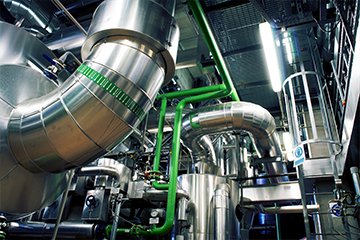
The Chemical Processing Industry (CPI) is the largest consumer of Grade 12. Its resistance to crevice corrosion makes it indispensable for components exposed to saturated brine solutions, where standard Grade 2 might fail.
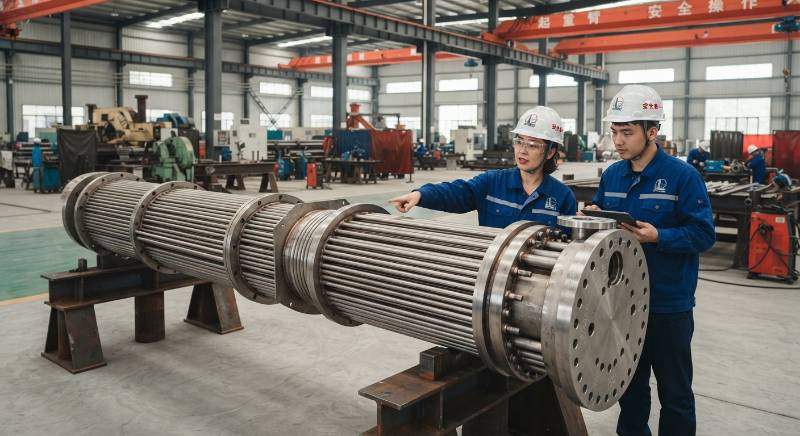
Primary Use Cases:
Heat Exchangers: Shell-and-tube systems for marine and chemical environments.
Hydrometallurgical Processing: Autoclaves and piping for ore leaching.
Geothermal Power: Downhole components and surface heat extraction units.
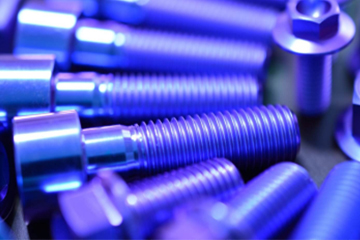
Marine Engineering: Fasteners and fittings resistant to seawater splash zones.
Fabrication, Machining, and Welding Guidelines
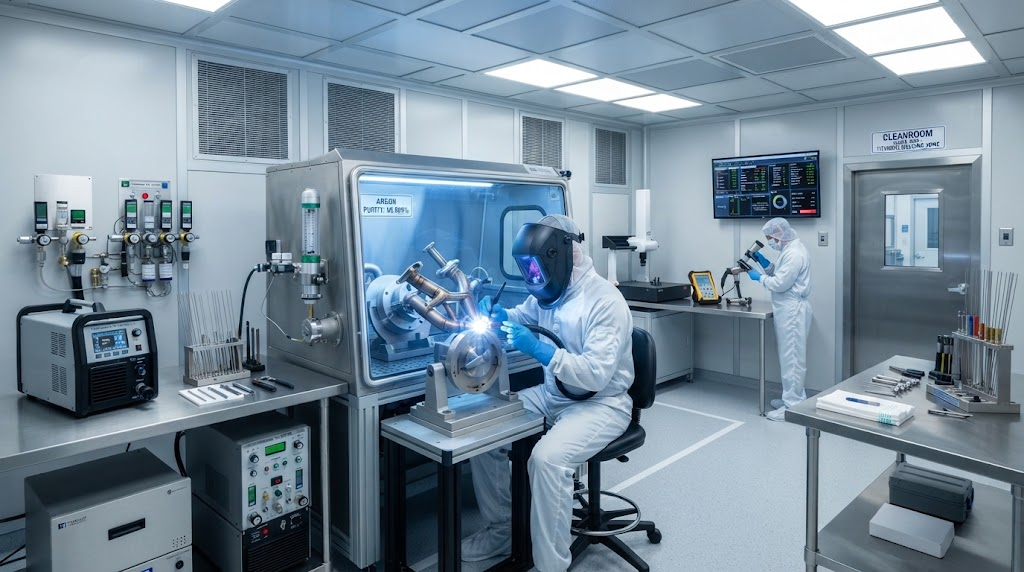
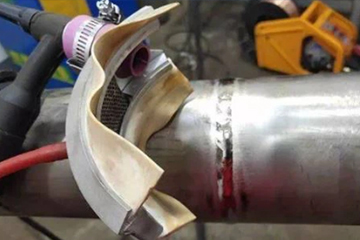
Grade 12 is renowned for its excellent weldability of Ti alloys. It can be welded using Gas Tungsten Arc Welding (GTAW) or Plasma Arc Welding (PAW). Because of its lower alloy content compared to Grade 5, it does not require post-weld heat treatment (PWHT) for most applications.
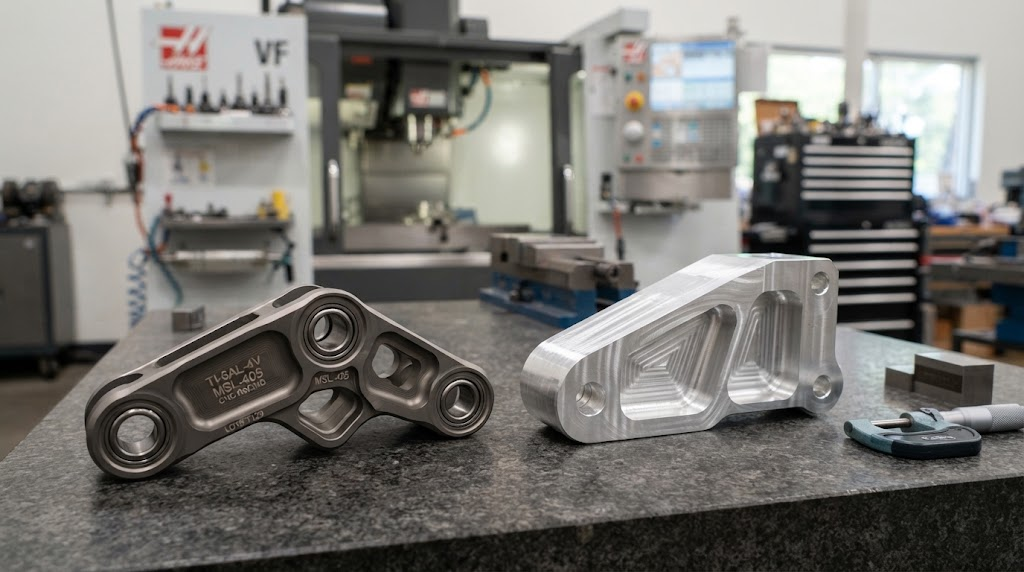
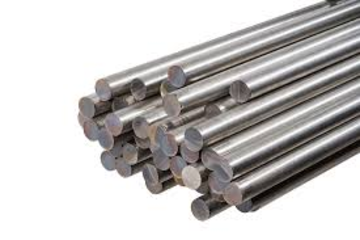
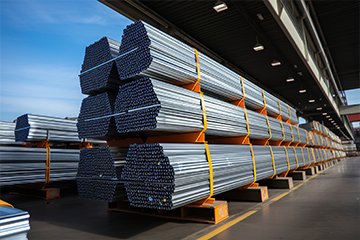
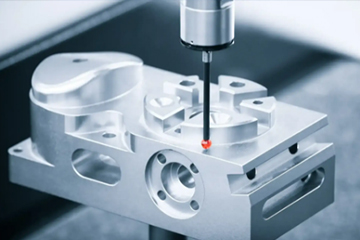
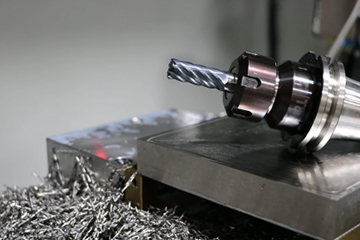
For precision components, CNC Machined Titanium Parts made from Grade 12 require specific speeds and feeds. We recommend high-pressure coolant and carbide tooling to prevent work hardening. Our shop data indicates that Grade 12 machines similarly to 316 stainless steel, though with lower thermal conductivity considerations.
Frequently Asked Questions about Grade 12 Titanium
What is the main difference between Grade 12 and Grade 2?
The primary difference is the addition of 0.8% Nickel and 0.3% Molybdenum in Grade 12. This adds significant strength and vastly improves corrosion resistance in hot, chloride-rich environments where Grade 2 is susceptible to crevice attack.
Is Grade 12 Titanium suitable for seawater applications?
Yes, it is exceptionally suited for seawater, particularly where temperatures exceed 75°C. It is a standard choice for marine heat exchangers and desalination plant components.
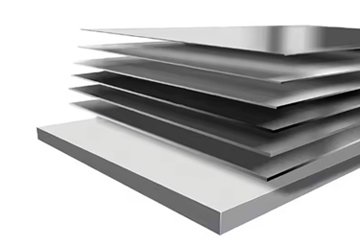
What are the typical lead times for Grade 12 plates and tubes?
At China Titanium Factory, we maintain a robust inventory of standard thicknesses. Custom orders typically range from 2 to 4 weeks depending on the complexity of the forgings or CNC requirements.