



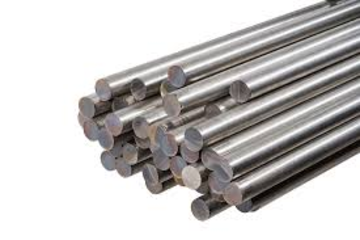
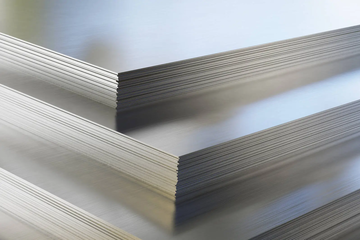



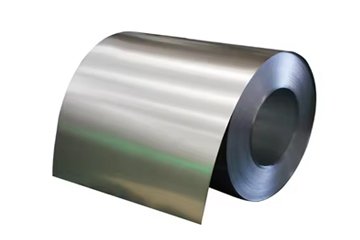








Titanium Grade 7 (Ti-0.15Pd): Engineering for Extreme Acid Corrosion
Titanium Grade 7 (UNS R52400) represents the pinnacle of corrosion resistance within the alpha titanium alloy family. By integrating a precise 0.12% to 0.25% addition of palladium, this alloy achieves electrochemical stability that standard commercial grades cannot match. At China Titanium Factory, we specialize in processing this high-performance material for environments where reducing acids and high-temperature chlorides would otherwise cause catastrophic failure.
Technical Specifications: Chemical Composition and Mechanical Properties
Titanium Grade 7 (Ti-0.15Pd) is the most corrosion-resistant alpha titanium alloy, specifically engineered for reducing acid environments and high-temperature chloride solutions. Its unique 0.12% to 0.25% palladium content creates a self-healing cathodic layer that prevents crevice corrosion and pitting in aggressive media.
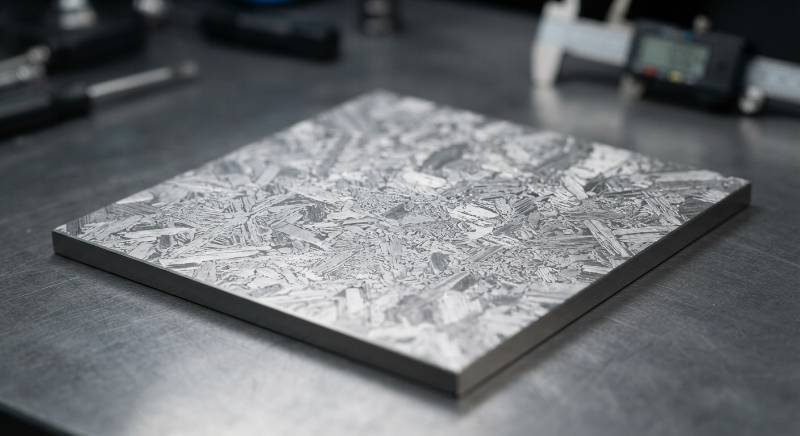
Chemically, Grade 7 is essentially identical to Titanium Grade 2, with the critical addition of palladium. This minor alloying element significantly shifts the corrosion potential of the metal into the passive region.
| Element | Nitrogen (max) | Carbon (max) | Hydrogen (max) | Iron (max) | Oxygen (max) | Palladium |
|---|---|---|---|---|---|---|
| Weight % | 0.03 | 0.08 | 0.015 | 0.30 | 0.25 | 0.12 - 0.25 |
Mechanical Requirements
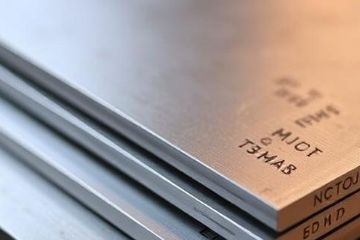
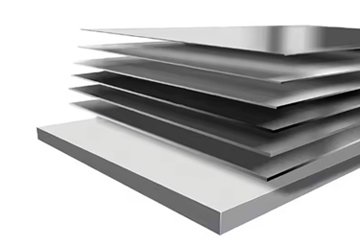
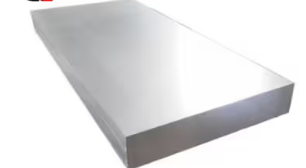
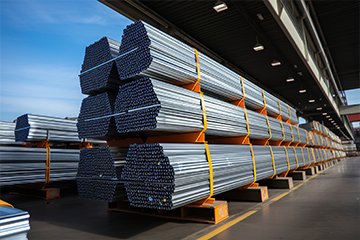
Despite its enhanced chemistry, Grade 7 retains the excellent formability and ductility characteristic of Grade 2. This makes it ideal for Industrial Titanium Plates used in complex vessel linings.
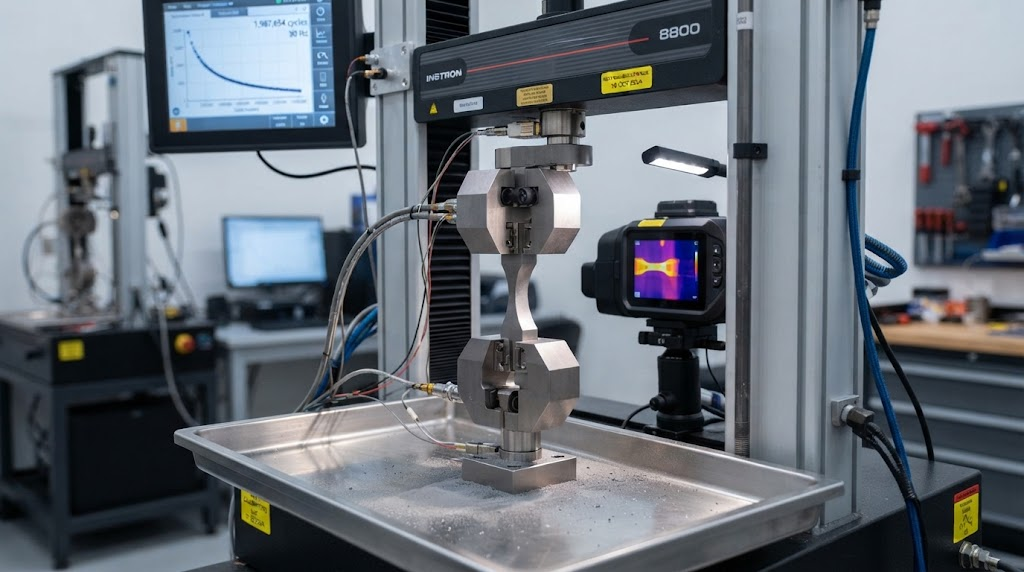
Tensile Strength: 345 MPa (50 ksi) min.
Yield Strength (0.2% Offset): 275 - 450 MPa (40 - 65 ksi).
Elongation: 20% min.
The China Titanium Quality Protocol: Ensuring Palladium Homogeneity
In 2026, the primary challenge in Grade 7 production is ensuring the uniform distribution of palladium. Improper melting can lead to "palladium-lean" zones, which become sites for localized corrosion. We employ the Palladium Homogeneity Matrix (PHM) Protocol to mitigate this risk.
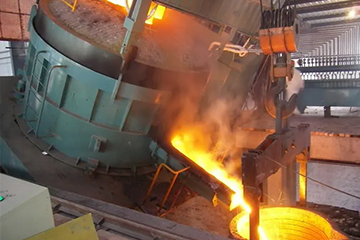
"Our PHM Protocol utilizes triple Vacuum Arc Remelting (VAR) combined with proprietary electromagnetic stirring. This ensures that the 0.15% palladium content is distributed within a variance of <0.01% across the entire ingot, verified by high-resolution XRF scanning."
— Dr. Chen Wei, Lead Metallurgist, China Titanium Factory
This rigorous manufacturing standard is backed by our ISO 9001:2015 certification and compliance with ASTM B265 standards. Every batch undergoes ultrasonic testing to guarantee zero-defect forgings before entering our CNC production line.
Corrosion Performance in Reducing Acids and Chlorides
The addition of palladium fundamentally alters the passivation kinetics of titanium. In reducing environments like hydrochloric or sulfuric acid, standard titanium grades may lose their protective oxide film. In Grade 7, the palladium atoms accumulate on the surface, catalyzing the cathodic reaction and facilitating the repassivation of the titanium matrix.
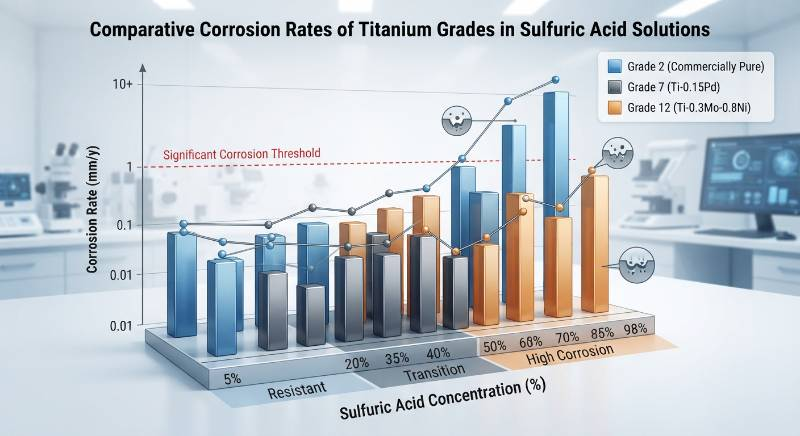
According to NACE International (ISO 15156) standards, Grade 7 is highly recommended for:
Hydrochloric Acid: Resistant up to 10% concentration at boiling temperatures.
Sulfuric Acid: Excellent resistance in concentrations below 5% at elevated temperatures.
Crevice Corrosion: Virtually immune in brine solutions where temperatures exceed 250°C (482°F) and pH is as low as 2.
Comparative Analysis: Grade 7 vs. Grade 2 and Grade 11
While the palladium surcharge makes Grade 7 more expensive than Grade 2, the total cost of ownership (TCO) in aggressive media is significantly lower due to extended equipment lifespans and reduced downtime. Based on our 2026 chemical reactor service data, Grade 7 components outlast Grade 2 by a factor of 5 in acidic brine.
| Feature | Grade 2 | Grade 7 | Grade 11 |
|---|---|---|---|
| Palladium Content | None | 0.12 - 0.25% | 0.12 - 0.25% |
| Strength | Moderate | Moderate | Low (High Ductility) |
| Acid Resistance | Limited | Maximum | Maximum |
Manufacturing Capabilities: From Forged Rings to CNC Machined Parts
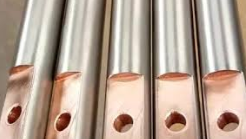
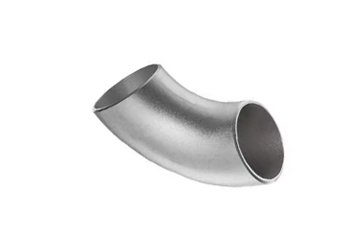
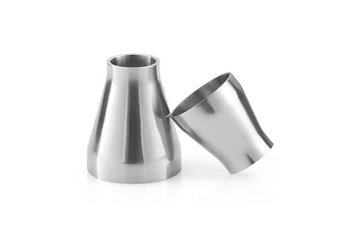
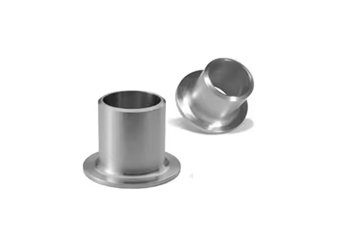
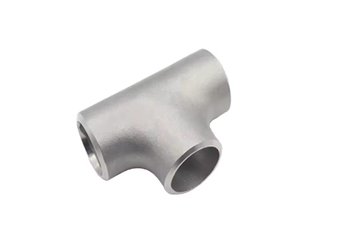
China Titanium Factory provides a vertically integrated supply chain for Grade 7. We don't just supply raw materials; we engineer solutions. Our facility is equipped to handle everything from large-scale Titanium Pipe & Tubing Solutions to intricate precision components.
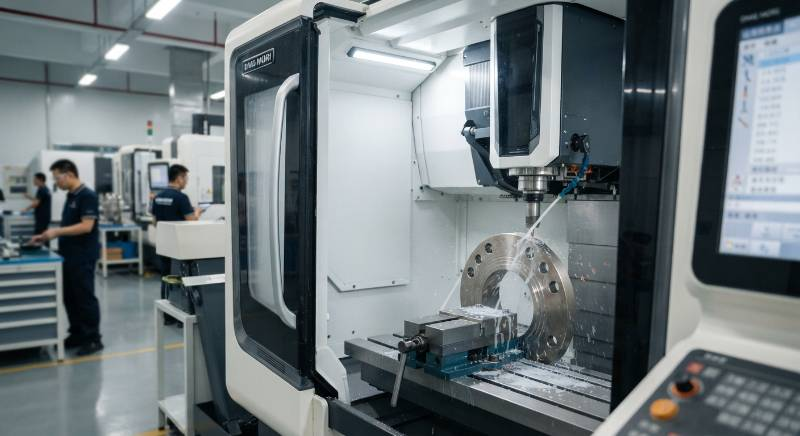
Our current production capabilities for Ti-0.15Pd include:
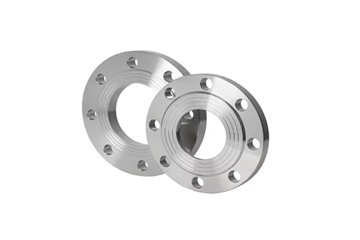
Forged Flanges & Rings: Up to 2500mm in diameter for pressure vessels.
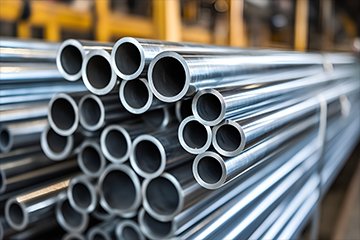
Seamless & Welded Pipes: Custom schedules for corrosive fluid transport.
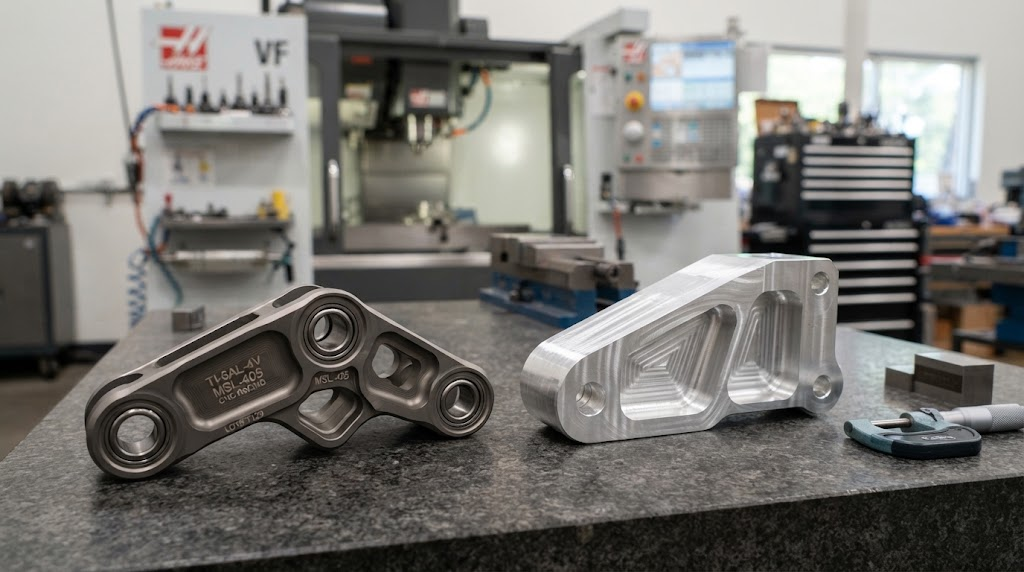
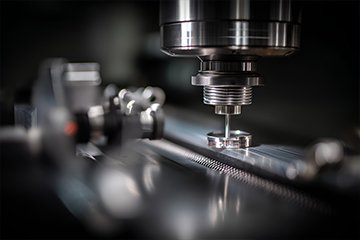
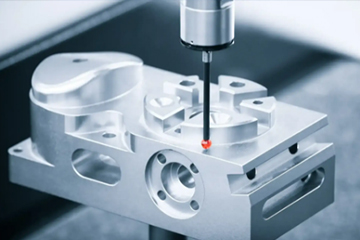
Precision Titanium CNC Machining Services: Tolerances within +/- 0.005mm for medical and aerospace instrumentation.
Fabrication Guide: Welding and Machining Grade 7 Titanium
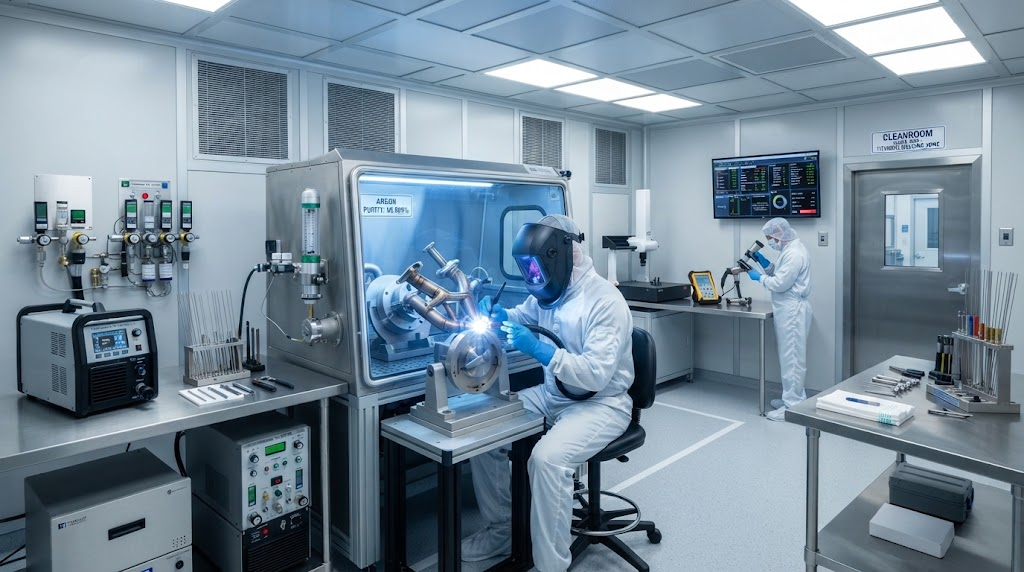
Fabricating Grade 7 requires strict adherence to cleanliness protocols to maintain its specialized corrosion properties. When welding Ti-0.15Pd, the primary goal is preventing atmospheric contamination (Oxygen, Nitrogen, Hydrogen) which can embrittle the weld.
Welding Protocol
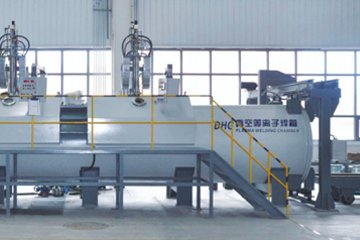
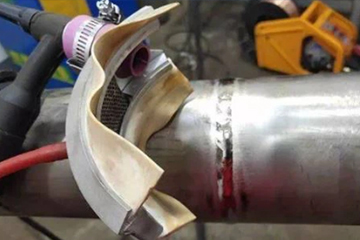
Gas Tungsten Arc Welding (GTAW/TIG) is the preferred method. We recommend using ERTi-7 filler wire to maintain palladium consistency across the weld bead. Proper trailing shields and back-purging with 99.999% pure Argon are non-negotiable for maintaining weld ductility.
Machining Parameters
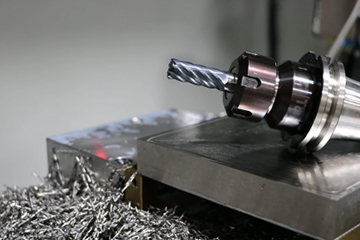
Grade 7 exhibits similar machining characteristics to stainless steel 316. To prevent work hardening:
Maintain high feed rates and low cutting speeds.
Use sharp, carbide-tipped tools with high-pressure coolant.
Never allow the tool to dwell on the surface.
Industrial Applications: Desalination, Chemical Processing, and Marine
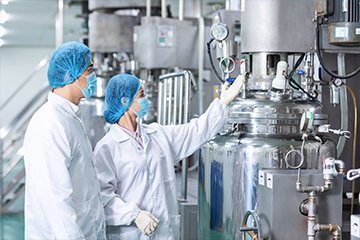
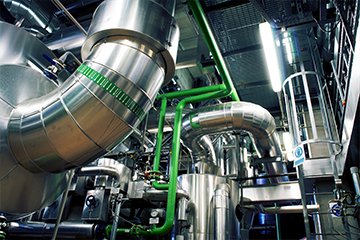
The deployment of Grade 7 is dictated by the severity of the chemical environment. In the Hydrometallurgy sector, it is the standard for autoclaves leaching precious metals where sulfuric acid and high pressures are present.
In Offshore Oil & Gas, Grade 7 is used for downhole equipment and heat exchangers exposed to sour gas (H2S) and high-temperature brine. Its resistance to sulfide stress cracking (SSC) makes it a safer alternative to nickel alloys in specific thermal profiles.
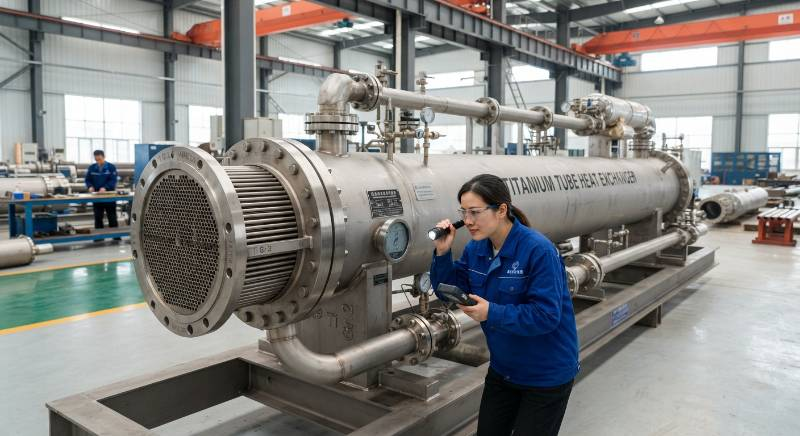
Frequently Asked Questions About Titanium Grade 7
Why is Grade 7 so much more expensive than Grade 2?
The price difference is almost entirely due to the palladium content. Palladium is a precious metal, and even at 0.15%, it adds significant cost to the raw material. However, the reduction in maintenance and replacement costs often makes it the more economical choice over a 10-year period.
Can I weld Grade 7 to Grade 2?
Yes, Grade 7 can be easily welded to Grade 2 or Grade 1. Using ERTi-7 filler wire is recommended to ensure the weld zone possesses the necessary corrosion resistance, even if one side of the joint is a lower grade.
What is the typical lead time for Grade 7 plates?
At China Titanium Factory, we maintain a rolling stock of standard thicknesses (3mm to 25mm). Custom dimensions or forged items typically have a lead time of 4-6 weeks, including full metallurgical certification.
Secure Your Extreme Corrosion Solution Today
Don't let acid corrosion compromise your industrial uptime. Partner with China Titanium Factory for precision Grade 7 components.
Request a Custom Quote