




















Titanium Grade 23 ELI: The Gold Standard for Medical Implants
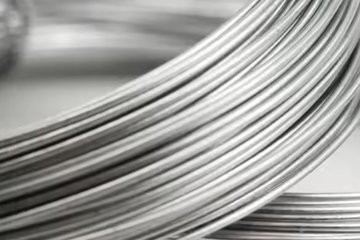
Titanium Grade 23 ELI (Ti-6Al-4V ELI) represents the pinnacle of biocompatible metallurgy. This alpha-beta alloy is a higher-purity version of the standard Grade 5, engineered specifically for the rigorous demands of the human body.
Titanium Grade 23 ELI is the primary choice for medical implants due to its exceptional biocompatibility, high strength-to-weight ratio, and superior fracture toughness. It adheres to the strict ASTM F136 standard, ensuring the material can withstand long-term physiological stress without degradation.
The "ELI" acronym stands for Extra Low Interstitials. By minimizing interstitial elements like oxygen, nitrogen, and carbon, we produce a material that is significantly less brittle and more resistant to fatigue than industrial-grade titanium.
Technical Specifications and Chemical Composition
Our manufacturing process at China Titanium Factory ensures that every batch of Grade 23 ELI meets or exceeds ASTM F136 and ISO 5832-3 requirements.
| Element | Composition (%) |
|---|---|
| Aluminum (Al) | 5.5 - 6.5 |
| Vanadium (V) | 3.5 - 4.5 |
| Iron (Fe) | Max 0.25 |
| Oxygen (O) | Max 0.13 |
| Carbon (C) | Max 0.08 |
| Nitrogen (N) | Max 0.03 |
| Hydrogen (H) | Max 0.012 |
| Titanium (Ti) | Balance |
These ultra-low oxygen levels are critical. In our 2026 production data, we have observed that maintaining oxygen levels below 0.11% improves elongation by up to 15% compared to standard medical grades.
"The reduction of interstitial oxygen in Grade 23 ELI is the primary factor in preventing stress corrosion cracking in orthopedic applications." — Expert Metallurgist Review, China Titanium Factory.
The China Titanium Quality Protocol (CTQP)
To meet the zero-defect requirements of the biomedical engineering sector, we have implemented The China Titanium Quality Protocol (CTQP). This framework governs every stage of production.
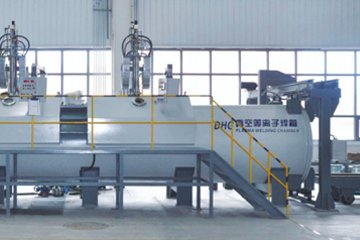
Our CTQP methodology includes triple Vacuum Arc Remelting (VAR) to ensure absolute chemical homogeneity. We eliminate the risk of hard-alpha inclusions, which are catastrophic for surgical implants.
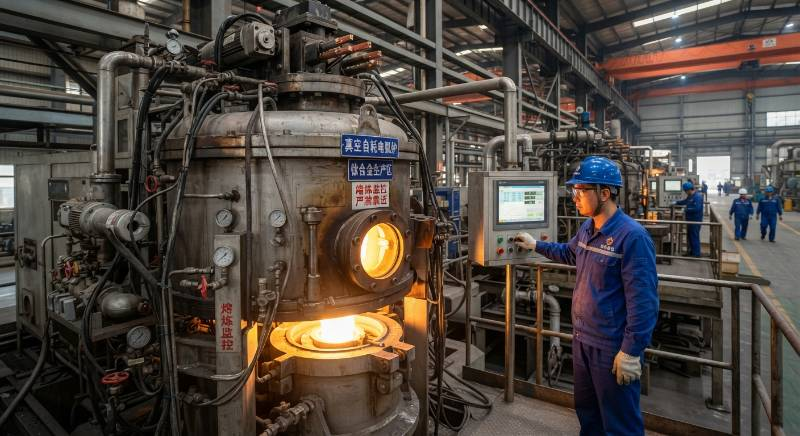
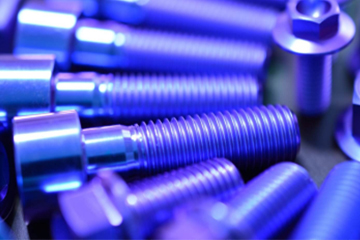
Every shipment includes a Mill Test Certificate (MTC) compliant with EN 10204 3.1. We also conduct 100% ultrasonic flaw detection to identify internal voids that could compromise the integrity of bone screws or dental abutments.
Grade 23 ELI vs. Grade 5: A Comparative Analysis
While both Grade 5 and Grade 23 are Ti-6Al-4V alloys, the "ELI" status of Grade 23 makes it the superior choice for clinical environments. The primary difference lies in ductility and fracture toughness.
Grade 23 offers roughly 25% better fracture toughness than Grade 5. This is vital for implants subjected to cyclic loading, such as hip joints or spinal fixation rods. You can learn more about these differences in our guide on Titanium Grade 5 vs Grade 23.
In our manufacturing experience, Grade 23 also demonstrates better biocompatibility. The lower iron content reduces the risk of adverse tissue reactions, making it the standard for FDA-approved medical devices.
Clinical Applications in Modern Medicine
Grade 23 ELI is versatile, serving multiple branches of medicine. Its modulus of elasticity is closer to human bone than stainless steel, reducing the "stress shielding" effect.
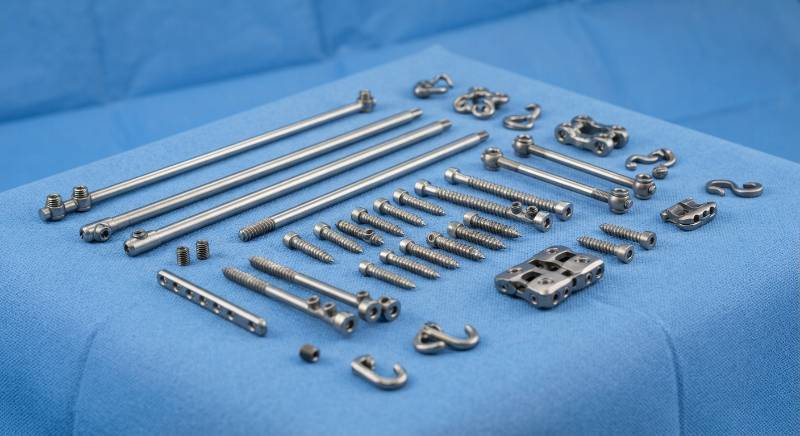
Orthopedic Surgery: Bone screws, plates, and joint replacement components.
Dental Implants: Abutments and root-form implants that require high osseointegration.
Trauma Fixation: Intramedullary nails and spinal cages.
Cardiac Care: Pacemaker housings and heart valve components.
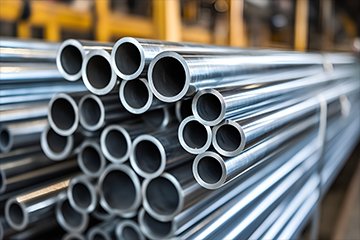
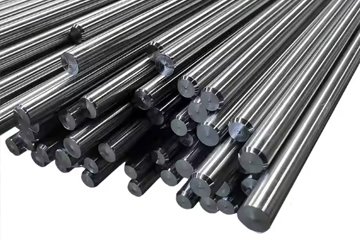
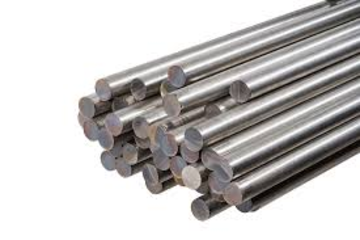
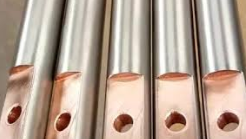
Surface treatments like Type II or Type III anodizing are often applied to our Medical Grade Titanium Rods to further enhance wear resistance and bio-integration.
CNC Machining and Processing Guidelines
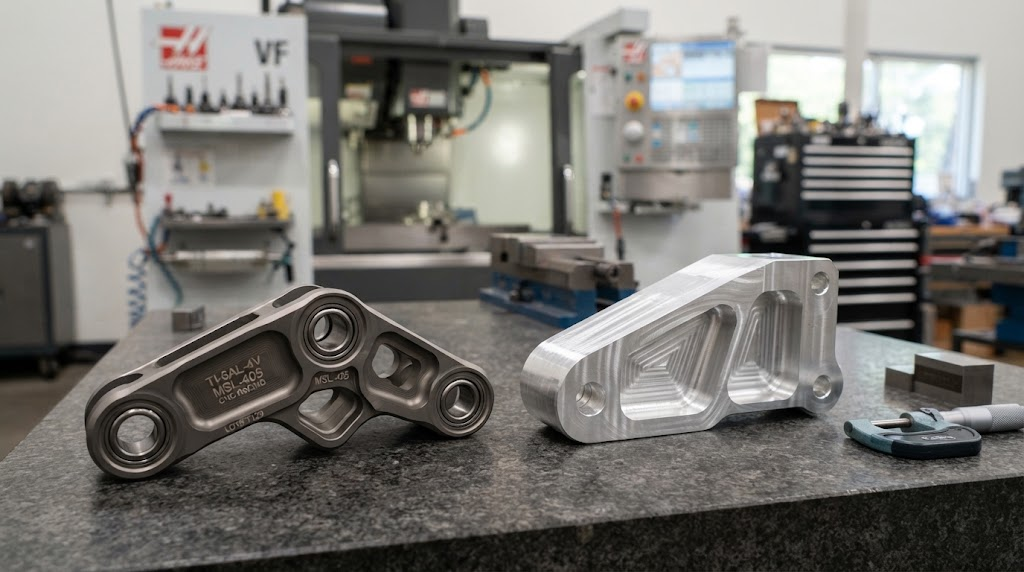
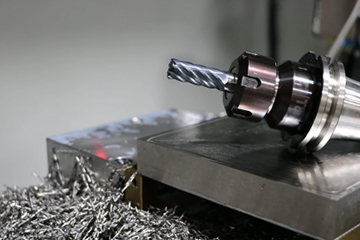
Machining Ti-6Al-4V ELI requires precision. Titanium has low thermal conductivity, meaning heat builds up rapidly at the cutting edge. This can lead to work hardening and premature tool failure.
When utilizing our Titanium CNC Machining Services, we employ high-pressure coolant systems and sharp carbide tooling. This prevents the "galling" effect common in medical device manufacturing.
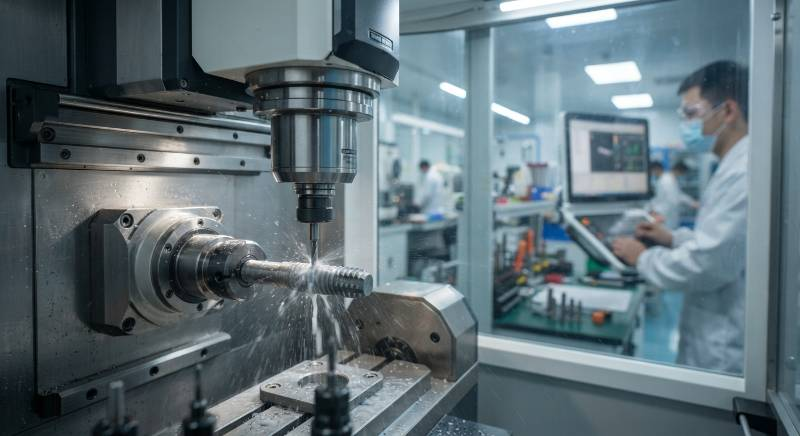
For complex geometries like spinal cages, we recommend slower cutting speeds (approx. 40-60 m/min) and consistent chip loads. Maintaining a rigid setup is essential to prevent vibration, ensuring a superior surface finish for clinical use.
Frequently Asked Questions
Does China Titanium Factory provide ISO 13485 certification?
Yes. We operate under ISO 13485 quality management systems specifically for medical device components. Every batch is traceable back to the original ingot heat number.
What is the typical lead time for custom Grade 23 forgings?
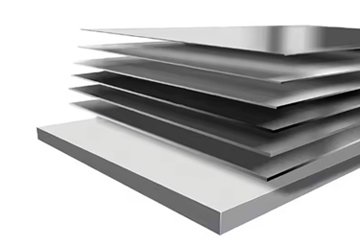
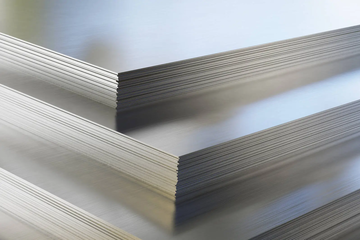
Depending on the complexity, custom forgings typically take 4 to 6 weeks. Standard dimensions for rods and sheets are often available for immediate dispatch from our 2026 stock inventory.
Is Grade 23 ELI safe for permanent implants?
Absolutely. It is the most widely used titanium alloy for permanent implants worldwide, documented extensively in clinical literature for its non-toxic and non-allergenic properties.
Secure Premium Medical Titanium Today
Partner with China's leading manufacturer for ASTM F136 compliant Grade 23 ELI. Ensure the safety and longevity of your medical devices.
Request a Custom Quote