
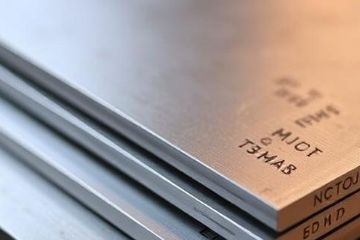



















The Evolution of Titanium Ballistic Plates in Modern Defense
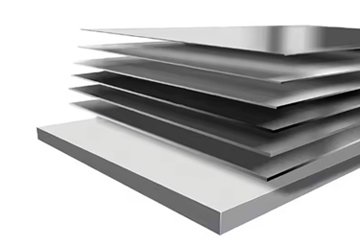
Defense contractors are no longer just looking for "hard" materials. They need materials that survive the physics of 2026—a landscape dominated by high-velocity kinetic energy penetrators and hypersonic secondary debris. The choice between a monolithic Titanium Ballistic Plate and a hybrid composite structure isn't just about weight; it's about how the material manages a sudden, catastrophic influx of heat.
At China Titanium Factory, we've observed a pivot in procurement. Material selection now prioritizes energy dissipation over mere hardness. Monolithic plates offer structural simplicity, while hybrids attempt to solve the "plugging" failure mode inherent in titanium alloys.
What is Ti-6Al-4V Grade 5 Armor?
Grade 5 titanium is the workhorse of the defense industry. It is an alpha-beta alloy, combining aluminum for alpha stabilization and vanadium for beta stabilization. This metallurgical duality provides a high yield strength-to-weight ratio that traditional metals cannot match.
"Ti-6Al-4V Grade 5 Armor is defined by its 90% titanium, 6% aluminum, and 4% vanadium composition, offering a tensile strength exceeding 1,100 MPa while maintaining a density of 4.43 g/cm³."
In ballistic applications, Ti-6Al-4V Grade 5 Armor acts as a multi-threat barrier. It resists corrosion, survives extreme temperature fluctuations, and provides significant mass efficiency. However, its performance is governed by a specific thermal vulnerability that engineers must account for during the design phase.
The Adiabatic Shear Band (ASB) Phenomenon: A Critical Vulnerability
Titanium has a "thermal problem." Its thermal conductivity is remarkably low—approximately 1/8th that of conventional steel. When a high-velocity projectile strikes a Titanium Ballistic Plate, the kinetic energy converts into heat almost instantly.
In steel, this heat dissipates into the surrounding material. In titanium, the heat stays trapped at the point of impact. This creates an Adiabatic Shear Band (ASB) in Titanium. These bands are localized zones of intense softening. The metal essentially loses its structural integrity in a microscopic "river" of heat, allowing the projectile to "plug" or punch through the plate with less resistance than its hardness would suggest.
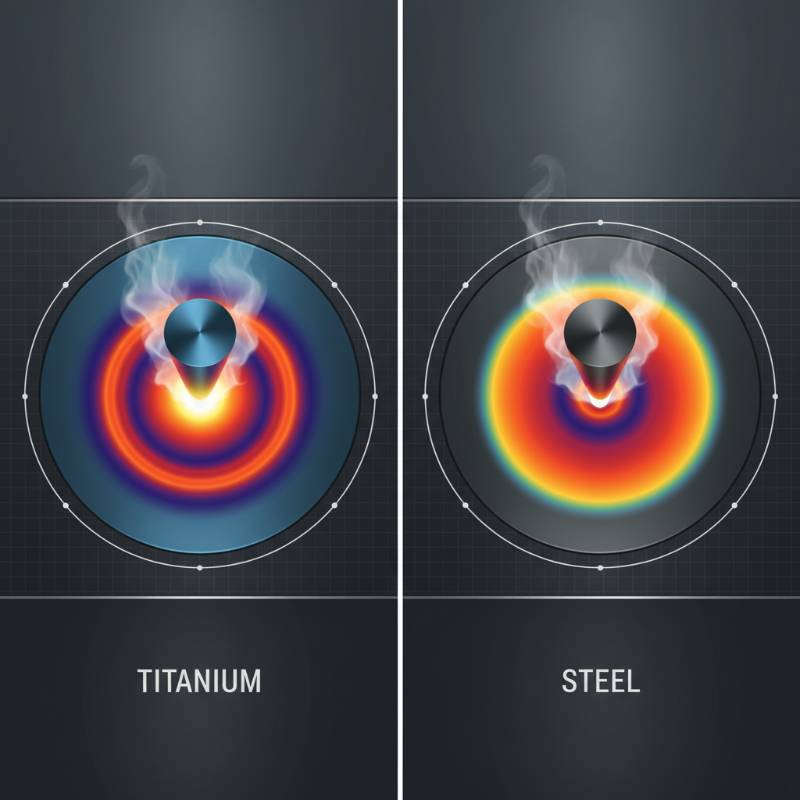
According to research published by NIST, managing ASB is the single greatest challenge in titanium armor engineering. If the impact velocity is high enough, the material fails via shear localization before it can engage its full plastic deformation capacity.
Titanium vs. Manganese Steel: Weight Efficiency and Performance Benchmarking
Why use titanium if it has shear vulnerabilities? The answer is weight. For mobile platforms and personnel, mass is the enemy. Comparing Grade 5 to traditional Manganese Steel reveals a stark contrast in ballistic efficiency.
| Metric | Ti-6Al-4V (Grade 5) | Manganese Steel |
|---|---|---|
| Density (g/cm³) | 4.43 | 7.85 |
| Weight Reduction % | 30% - 50% | Baseline |
| Thermal Conductivity | 6.7 W/m·K | ~50 W/m·K |
| Common Failure Mode | Plugging (ASB) | Petalling / Ductile Hole |
In V50 testing—the velocity at which 50% of projectiles penetrate—titanium consistently outperforms steel on a pound-for-pound basis. For a vehicle to achieve the same level of protection using Manganese Steel, it would require nearly double the fuel and suffer from reduced maneuverability.
The Tri-Tier Ballistic Integrity Protocol
At China Titanium Factory, we utilize a proprietary framework for evaluating armor performance. We call it The Tri-Tier Ballistic Integrity Protocol. This framework moves beyond simple hardness scales.
Kinetic Dissipation: The ability of the plate to spread the shockwave across its surface area before localized shear occurs.
Thermal Management: Incorporating heat-sink layers or specific geometries to counteract titanium's low thermal conductivity.
Structural Longevity: Ensuring the plate survives multiple hits without catastrophic delamination or shattering.
Our analysis suggests that monolithic plates are ideal for the Kinetic Dissipation tier, while hybrid systems excel at Thermal Management. By applying this protocol, we can customize Titanium Ballistic Plate thickness based on the specific threat profile of the client.
Hypersonic Ballistics: Mach 5-7 Impact Dynamics
In Mach 5-7+ environments, the physics of impact changes. We are no longer dealing with simple penetration; we are dealing with plasma formation and intense shockwave propagation. At these speeds, even a small fragment carries enough kinetic energy to vaporize on impact.
Monolithic titanium plates often struggle here because the shockwave travels faster than the material can plastically deform. This leads to "spalling," where the backside of the plate fragments and becomes a secondary projectile. Hybrid systems, which use ceramic faces to shatter the projectile and titanium backings to catch the debris, are increasingly preferred for hypersonic defense.
Optimizing Thickness-to-Projectile Ratios for Titanium Helmets
A frequent question from defense engineers involves the Thickness to projectile diameter ratio for titanium helmets. Unlike vehicle armor, helmets are strictly limited by the weight the human neck can support.
The "Golden Rule" for titanium helmet geometry:
For optimal mass efficiency against small arms (9mm to .44 Mag), the ratio ($t/d$) should ideally fall between 0.25 and 0.45. If the ratio is too low, the plate fails via petalling. If it is too high, you are carrying unnecessary weight without a linear increase in protection. For high-velocity rifle threats, a hybrid approach (titanium + PE) is mandatory to prevent the ASB-induced "plugging" that occurs in thin monolithic shells.
Hybrid Solutions: Mitigating Delamination and Plugging
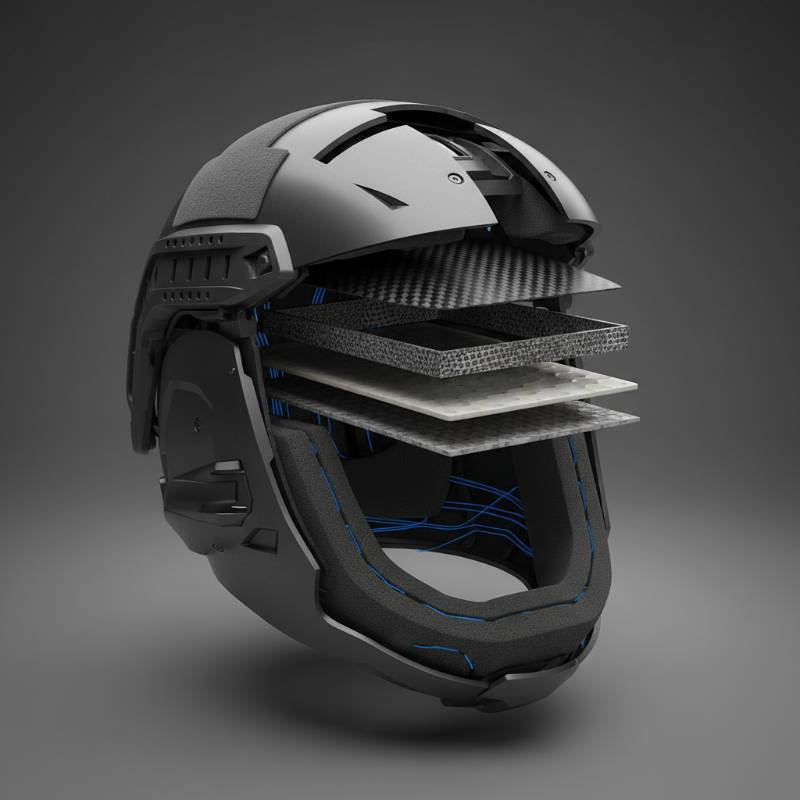
Hybrid armor combines a hard strike face (usually ceramic) with a ductile backing (Grade 5 Titanium). This solves the ASB problem by slowing the projectile down before it ever touches the metal. However, hybrids introduce a new failure mode: delamination.
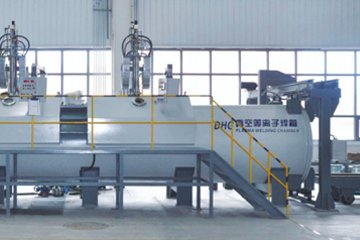
If the adhesive bond between the ceramic and the titanium is weak, the shockwave will peel the layers apart. This destroys the plate's ability to take a second hit. Modern titanium plate manufacturing in 2026 utilizes vacuum-bonded interfaces to ensure the two materials act as a single unit under stress.
Frequently Asked Questions
Does titanium armor expire?
Unlike Kevlar or PE, which degrade over time due to UV and moisture, a Titanium Ballistic Plate is extremely stable. Its longevity is measured in decades, provided the plate is not subjected to extreme corrosive chemicals that could cause hydrogen embrittlement.
What is Backface Signature (BFS) in titanium?
BFS refers to the indentation on the back of the armor. Because titanium is more ductile than ceramic, monolithic plates often have a higher BFS. We recommend using a foam or PE trauma pad to reduce behind-armor trauma.
Is Grade 5 titanium better than Grade 2 for armor?
Yes. Grade 2 is commercially pure and lacks the yield strength required for ballistic resistance. Only Ti-6Al-4V Grade 5 Armor provides the necessary hardness-to-toughness ratio for military applications.
Secure Your Defense Supply Chain
Whether you need monolithic Grade 5 plates or custom hybrid components, our engineering team provides the data-backed solutions required for 2026's threat environment.
Request a Technical Consultation