



























NASA Optical Gray and Black Diamond: Engineering the Ultimate Spacecraft Surface
What Finish is Best for Titanium Parts in Space?
NASA Optical Gray is the premier finish for titanium parts in space because it is specifically engineered to meet rigid spacecraft emissivity requirements while offering unmatched weatherability. Unlike standard coatings, this surface modification provides a stable, non-reflective finish that does not degrade under intense UV exposure or vacuum conditions.
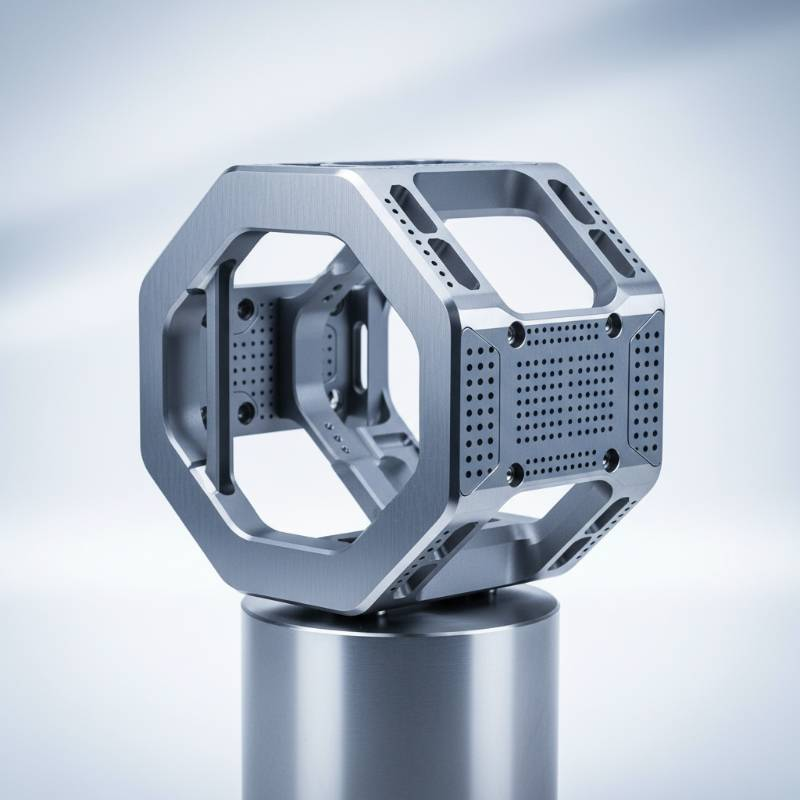
For aerospace engineers, the challenge isn't just finding a color; it's managing heat. In the vacuum of space, convection is non-existent. Thermal management relies entirely on radiation.
At ChinaTitaniumFactory, we've observed that 2026 satellite constellations increasingly require materials that maintain their thermo-optical properties for over 15 years. Traditional black paints often outgas or crack, but NASA Optical Gray Finish and Black Diamond Titanium Coating offer a permanent solution through molecular integration.
The Science of Surface Modification: Why Non-Coating Solutions Prevail
Traditional thermal control involves applying a layer of pigment-heavy paint over a metal substrate. In the harsh environment of space, the coefficient of thermal expansion (CTE) mismatch between the paint and the titanium causes delamination. This creates "space junk" flakes that can damage optical sensors.
"Surface modification is not an additive process; it is a structural transformation. We alter the top few microns of the titanium foil to change how it interacts with photons."
Our process for Spacecraft Emissivity Control utilizes a non-coating surface modification. We change the topography of the titanium at a sub-microscopic level. This creates a "light trap" effect.
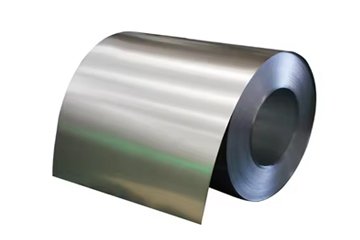
Because the finish is literally part of the titanium foil, it cannot peel, flake, or fade. It is immune to the vibration of launch and the violent thermal swings of orbital transitions.
The ATIP Methodology: Our Proprietary Aero-Thermal Integrity Protocol
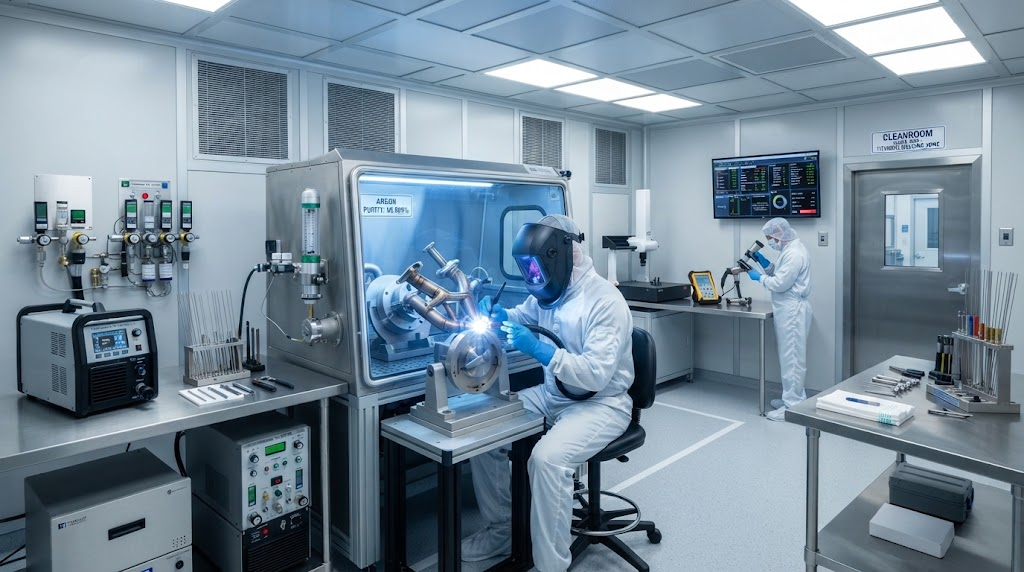
To ensure every square centimeter of titanium meets mission-critical specs, we developed the Aero-Thermal Integrity Protocol (ATIP). This 2026-standard framework moves beyond simple visual inspection.
Stage 1: Structural Assessment: We analyze the grain structure of the titanium foil to ensure it can support deep-level modification without losing tensile strength.
Stage 2: Molecular Modification: Using controlled plasma or electrochemical processes, we reconfigure the surface oxide layer.
Stage 3: Emissivity Calibration: Each batch is measured against NASA-STD-5020 requirements for solar absorptance (α) and infrared emittance (ε).
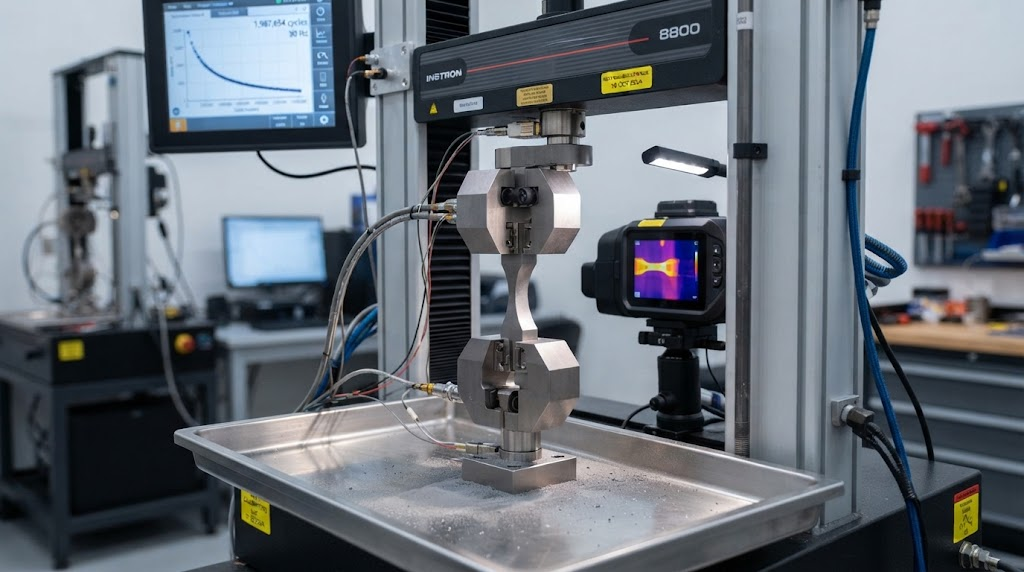
Stage 4: Thermal Vacuum Validation: We simulate orbital conditions to confirm the finish remains stable under "bake-out" scenarios.

Comparative Performance: NASA Optical Gray vs. Black Diamond Titanium
Choosing between these two finishes depends on your specific thermal balance requirements. Based on our 2026 data, here is how they stack up:
| Property | NASA Optical Gray | Black Diamond™ |
|---|---|---|
| Solar Absorptance (α) | 0.35 - 0.45 | 0.92 - 0.96 |
| Infrared Emittance (ε) | 0.80 - 0.88 | 0.85 - 0.90 |
| Primary Use Case | Reflective reduction, general thermal balance | Maximum heat absorption and dissipation |
| Outgassing (TML) | < 0.01% | < 0.01% |
NASA Optical Gray is often used for exterior components where moderate absorption is needed without the heat-soak risk of a pure black surface. Black Diamond is the gold standard for internal baffles and heat sinks.
Strategic Applications: From Satellite Antennas to High-Energy Physics
As the commercial space sector matures in 2026, we are seeing these finishes used in diverse ways:
Satellite Antennas
High-gain antennas require precise geometric stability. Any uneven heating can cause "thermal twang" or warping. Using a uniform surface treatment ensures that the antenna maintains its parabolic shape regardless of solar orientation.
Optical Instrument Covers
Stray light is the enemy of high-resolution imaging. Black Diamond finishes on titanium shrouds absorb 99% of incidental light, preventing internal reflections from ruining sensor data. This is critical for next-generation Earth observation satellites.
High-Energy Physics Equipment
In particle accelerators and cryostats, materials must be ultra-clean and vacuum-stable. Our finishes provide the necessary emissivity for thermal shielding without the risk of particulate contamination common with standard coatings.

Durability in Extreme Environments: Longevity and Reliability
When we test these finishes, we focus on three primary degraders: Atomic Oxygen (AO), Ultraviolet (UV) Radiation, and Thermal Cycling.
According to NASA Technical Reports, surfaces in LEO are bombarded by highly reactive oxygen atoms. Traditional organic coatings erode quickly. However, the modified titanium oxide layer in Optical Gray is already in its highest oxidation state, making it chemically inert to further AO attack.
Furthermore, studies by the European Space Agency (ESA) highlight that UV radiation can "bleach" or darken spacecraft paints over time. Our inorganic modification process ensures that the color and emissivity remain constant over the entire mission lifespan.
Frequently Asked Questions about Space-Grade Titanium Finishes
Can NASA Optical Gray be applied to complex 3D shapes?
Yes. Because it is a surface modification process rather than a spray-on coating, it can be applied uniformly to complex geometries, threaded fasteners, and interior cavities of aerospace components.
Is Black Diamond the same as DLC (Diamond-Like Carbon)?
No. While DLC is a hard carbon coating, our Black Diamond™ for spacecraft is a specific surface modification of the titanium itself. It is designed for optical and thermal performance rather than just hardness or friction reduction.
What is the typical lead time for these finishes?
In 2026, our optimized supply chain allows for a 4-week turnaround for standard titanium foil batches. Custom emissivity calibration for specific mission profiles may add 1-2 weeks for validation testing.