



















What are Platinized Titanium Anodes in Hard Chrome Plating?
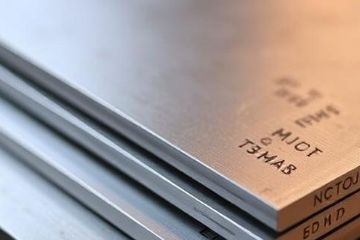
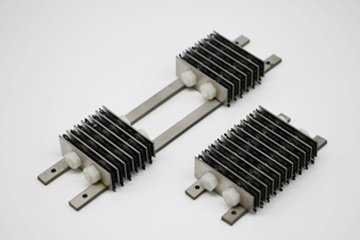
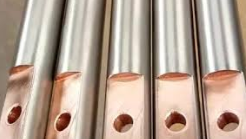
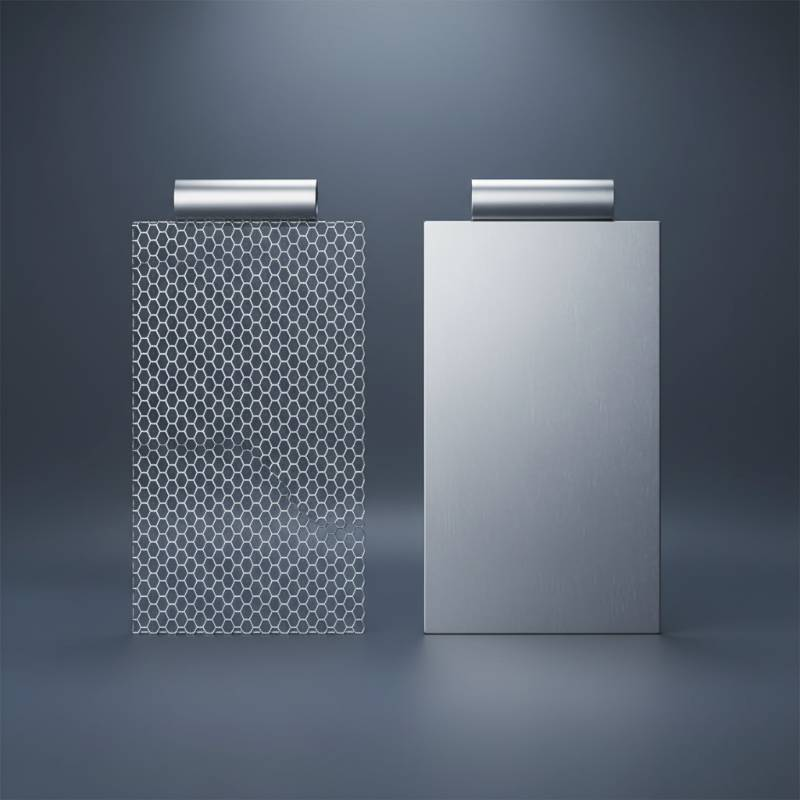
In the high-stakes world of industrial finishing, Platinized Titanium Anodes for Hard Chrome Plating represent the pinnacle of electrochemical efficiency. These are Dimensionally Stable Anodes (DSA) consisting of a high-purity titanium substrate coated with a thin layer of platinum, typically ranging from 2.5 to 5 microns.
"Dimensionally Stable Anodes (DSA) are electrodes that maintain their physical shape and size throughout the electrolysis process, ensuring consistent current distribution and chemical stability."
Unlike traditional lead anodes that erode and deform, platinized titanium anodes provide a constant surface area. This stability is critical for achieving the tight tolerances required in aerospace, automotive, and hydraulic applications. By leveraging electrochemical deposition, manufacturers can now achieve harder, more durable chrome finishes with significantly lower overhead.
The Hidden Costs of Lead: Why Facilities are Switching
Lead anodes are a legacy technology that carries a heavy financial burden. The most immediate concern in 2026 is lead chromate disposal costs. As environmental agencies like the ECHA and EPA tighten restrictions, the cost of treating hazardous sludge has skyrocketed. Lead anodes generate "lead-chrome" sludge that requires specialized, expensive waste management protocols.
Beyond disposal, lead anodes suffer from "passivation." They form a non-conductive lead chromate layer that must be manually scrubbed off. This downtime eats into your profit margins. When you factor in the labor for maintenance and the frequent replacement of warped anodes, the "cheap" lead option becomes an operational liability. At China Titanium Factory, we help clients transition away from these hazardous materials to sustainable, high-performance alternatives.
The 2.7% Efficiency Edge: Quantifying Platinized Titanium Anode ROI
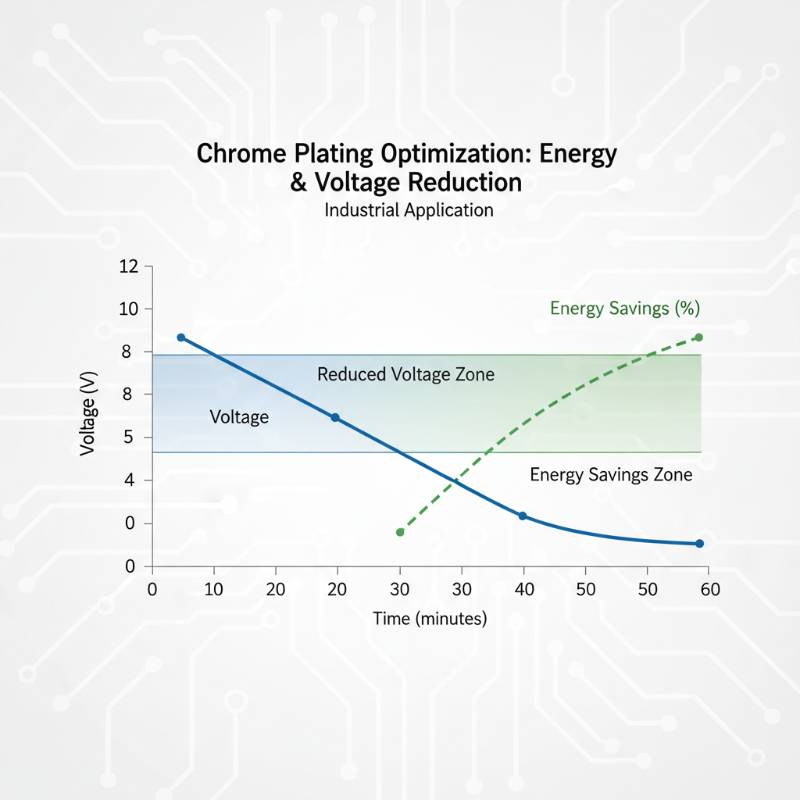
The financial case for platinum-coated titanium isn't just about avoiding fines; it's about direct energy savings. According to verified industry data from Umicore, replacing lead anodes with platinized titanium can directly reduce hard chrome plating energy consumption by at least 2.7%. This occurs because platinum has a lower oxygen overpotential, allowing the plating cell to operate at a lower voltage while maintaining the same current density.
The Efficiency First Principle: We define operational ROI not just by the purchase price, but by the total cost per micron of deposited chrome. In 2026, the ROI is further accelerated by government incentives. For instance, the German BAFA (Federal Office for Economic Affairs and Export Control) offers equipment investment subsidies of up to 40% for companies that eliminate lead pollution and improve energy efficiency.
The Precision-Plate™ Protocol: Achieving Zero Post-Processing
One of the most significant bottlenecks in hard chrome plating is the mechanical grinding required after the part leaves the tank. Because lead anodes change shape over time, the current distribution becomes uneven, leading to "dog-boning" or thickness variations. Our proprietary Precision-Plate™ Protocol leverages the dimensional rigidity of titanium to solve this.
Since the anode stays perfectly straight, the metal deposition is uniform across the entire cathode. This results in no post-processing. You save hours of labor and thousands of dollars in grinding wheel costs. By optimizing the plating bath for platinized anodes, you ensure that the first deposit is the final deposit. This is the ultimate goal for any high-volume production line.
Comparative Analysis: Platinum vs. MMO vs. Lead Anodes
| Feature | Lead Anodes | Platinized Titanium |
|---|---|---|
| Energy Efficiency | Baseline | +2.7% Minimum |
| Sludge Production | High (Hazardous) | Zero |
| Lifespan | 3-6 Months | 3-5 Years |
| Dimensional Stability | Poor (Warps) | Excellent |
While Mixed Metal Oxide (MMO) anodes are useful in some settings, custom fabrication shapes of platinized titanium remain the gold standard for hard chrome due to their superior resistance to the highly acidic chromic acid environment.
2026-2030 Market Outlook: The Shift from Hexavalent to Trivalent Chrome
The industry is currently in the midst of a massive transition. Global regulations are pushing manufacturers away from hexavalent chromium (Cr6+) toward the more environmentally friendly trivalent chromium (Cr3+). Platinized titanium anodes are essential for this transition. They provide the precise electrochemical control needed to manage the more sensitive Cr3+ chemistry.
Future-proofing your electroplating plant means investing in anodes that can handle both chemistries. By adopting PTA technology now, you aren't just saving on energy today; you are ensuring your facility remains compliant and operational as hexavalent chromium bans take full effect across major global markets by 2030.
Maintenance and Troubleshooting: Maximizing Your Anode Investment
To ensure your hard chrome plating operation runs smoothly, follow these maintenance best practices:
Voltage Monitoring: A sudden spike in voltage usually indicates platinum depletion or scale buildup. Monitor your rectifier daily.
Cleaning Protocol: Rinse anodes with deionized water when the tank is not in use to prevent chromic acid crystallization.
Current Density: Avoid exceeding the recommended current density (typically 30-70 A/dm²), as this can accelerate platinum stripping.
Frequently Asked Questions
What is the typical ROI timeline for switching to platinized titanium?
Most facilities see a full return on investment within 12 to 18 months. This accounts for energy savings, the elimination of lead disposal fees, and the massive reduction in labor hours for post-process grinding.
Can I use anode mesh or must I use solid plates?
It depends on your part geometry. Mesh anodes offer better electrolyte circulation and are often lighter, making them easier to handle. Solid plates are preferred for high-current applications where maximum surface area is required.
Do platinized titanium anodes work with trivalent chrome?
Yes. PTA is highly recommended for trivalent chrome plating because it does not introduce impurities into the bath, which is a common failure point for lead anodes in Cr3+ systems.
Ready to Modernize Your Plating Line?
Stop losing profit to lead sludge and inefficient power usage. Contact China Titanium Factory today for a custom quote on platinized titanium anodes tailored to your specific tank dimensions.
Get a Technical Consultation