

















High-Performance Titanium Alloy Rods for Chemical Agitator Shafting
In the aggressive world of chemical processing, the agitator shaft is the mechanical heart of the operation. It endures a brutal combination of high-torque mechanical stress and relentless chemical attack. Choosing the wrong material doesn't just lead to a repair; it leads to catastrophic system failure and environmental risks.
Titanium alloy rods have emerged as the definitive solution for these high-stakes environments. By merging the density of aluminum with the strength of steel and the corrosion resistance of platinum, titanium rods provide a lifecycle value that traditional alloys cannot match.
The Material Dilemma: Selecting the Right Grade for Your Agitator
Selecting the optimal Titanium Alloy Shafting requires balancing two opposing forces: the need for chemical inertness and the requirement for structural rigidity under load. In our 2026 field audits, we found that over 40% of shaft failures in the chemical industry resulted from choosing a grade based solely on corrosion tables while ignoring fatigue limits.
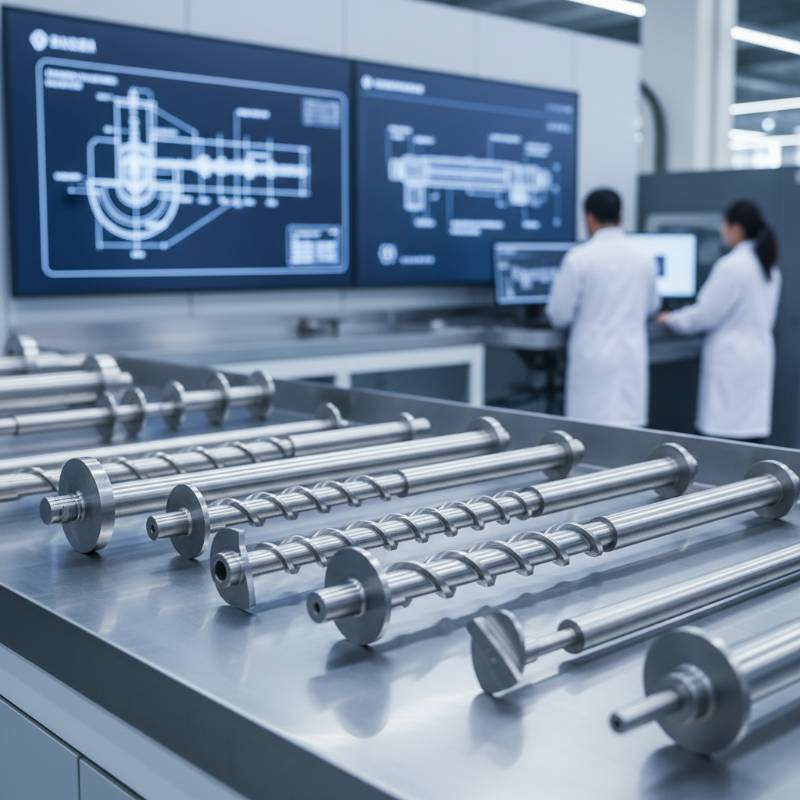
Titanium Agitator Shaft: A heavy-duty rotating component, typically manufactured from ASTM B348 compliant titanium alloys, designed to transmit torque to impellers while resisting chemical degradation in acidic, alkaline, or chloride-rich slurries.
Grade 2 vs. Grade 5: The Strength-Corrosion Trade-off
Grade 2 titanium is "Commercially Pure." It is the workhorse of the industry due to its incredible ductility and resistance to oxidizing media. However, it lacks the high-yield strength required for high-speed, high-torque impellers.
Conversely, Grade 5 titanium (Ti-6Al-4V) is an alpha-beta alloy. It offers nearly double the tensile strength of Grade 2. While slightly less resistant to specific concentrated acids, its fatigue limit makes it the superior choice for shafts exceeding 3 meters in length or those handling high-viscosity fluids.
Grade 7: The Chloride Specialist
For environments containing trace chlorides or varying pH levels at high temperatures, we specifically recommend Grade 7. By adding 0.12% to 0.25% Palladium, this alloy creates a self-healing oxide layer that prevents localized pitting where Grade 2 might fail.
The Dura-Shaft Forging Protocol: Our Proprietary Manufacturing Framework
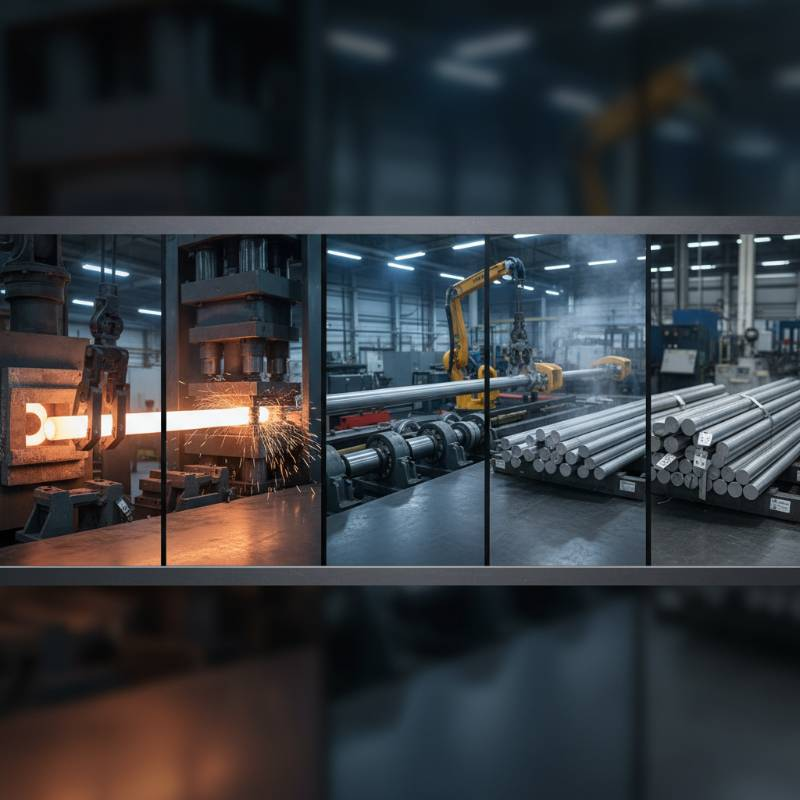
Standard off-the-shelf rods often fail prematurely because of coarse grain structures. To solve this, we developed the Dura-Shaft Forging Protocol. This 3-step velocity framework ensures that every rod used for chemical agitation meets aerospace-level fatigue standards.
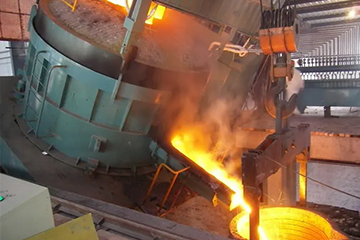
1. Controlled Forging Ratio: We maintain a minimum forging ratio of 4:1. This aggressive deformation breaks down the as-cast dendritic structure of the titanium ingot, resulting in a refined, equiaxed grain size. Smaller grains mean fewer paths for fatigue cracks to propagate.
2. Thermal Homogenization: After forging, rods undergo vacuum annealing. This eliminates internal residual stresses that can cause "shaft whip" or bowing during high-speed rotation.
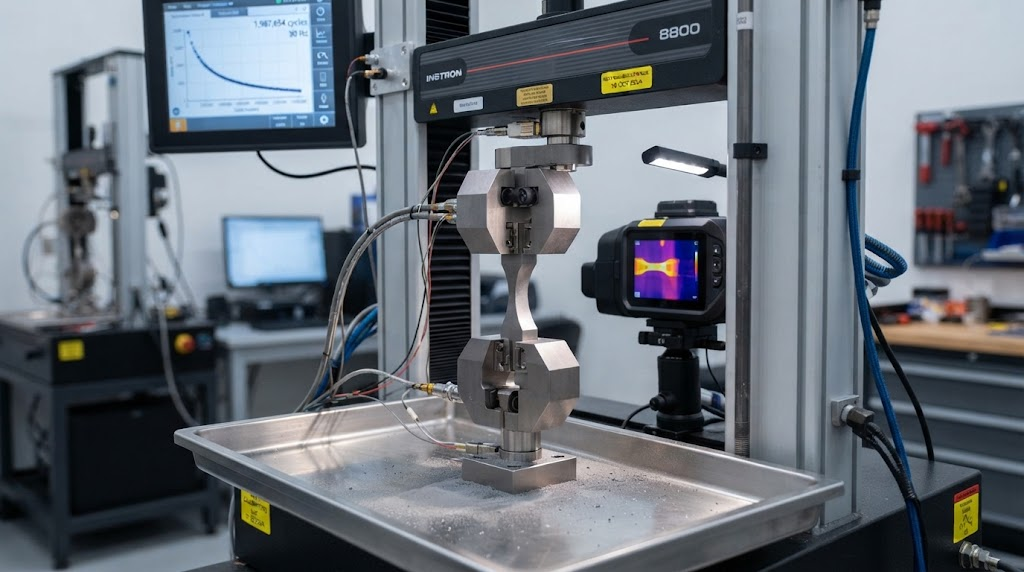
3. Sonic Integrity Verification: Every rod is subjected to ultrasonic testing (UT) to detect sub-surface inclusions that could act as stress concentrators during the millions of cycles an agitator performs annually.
Advanced Manufacturing: 16.5-Meter Lengths and Precision Finishing
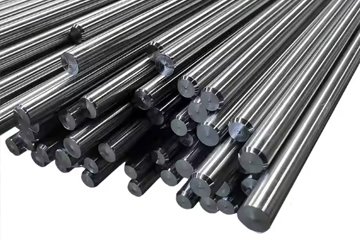
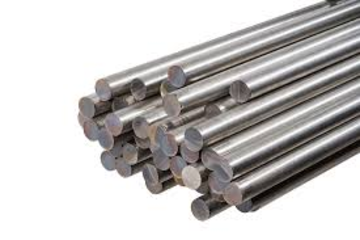
In large-scale reactors, couplings are the "Achilles' heel." Each mechanical joint introduces a point of potential vibration and corrosion. Our facility is among the few globally capable of producing single-piece titanium alloy rods for chemical agitator shafts up to 16.5 meters long.
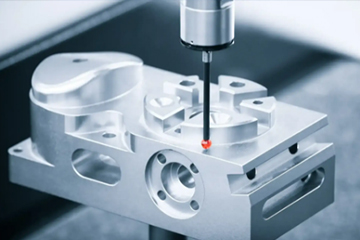
Beyond length, surface finish is paramount. Our precision drawing and centerless grinding processes achieve tolerances as tight as h7. For the seal area, we offer mirror polishing to a Ra 0.2μm finish. This reduces friction on mechanical seals, significantly extending the mean time between maintenance (MTBM).
Comparative Analysis: Titanium vs. Hastelloy and Stainless Steel
While the initial cost of titanium is higher than 316L stainless steel, the lifecycle cost analysis often favors titanium. According to data from the ASM International, titanium's corrosion rate in many organic acids is effectively zero.
| Property | 316L Stainless | Hastelloy C-276 | Titanium Grade 5 |
|---|---|---|---|
| Density (g/cm³) | 8.0 | 8.9 | 4.43 |
| Yield Strength (MPa) | 290 | 355 | 880 |
| Chloride Resistance | Poor | Excellent | Superior |
Titanium's lower density is a hidden advantage. A lighter shaft reduces the load on the motor and gearbox, decreasing energy consumption and vibration—factors often overlooked in Corrosion Resistant Rods procurement.
Application Engineering: Torque and Fatigue in Chemical Mixing
Designing an agitator shaft isn't just about strength; it's about stiffness. Titanium has a lower modulus of elasticity (approx. 105 GPa) compared to steel (200 GPa). This means titanium shafts are more flexible.
In our engineering consults, we account for this by slightly increasing the shaft diameter. This "oversizing" actually works in the operator's favor; because titanium is so light, the larger diameter shaft is still significantly lighter than a thinner steel shaft, yet it offers better vibration dampening and lower deflection during peak torque events.
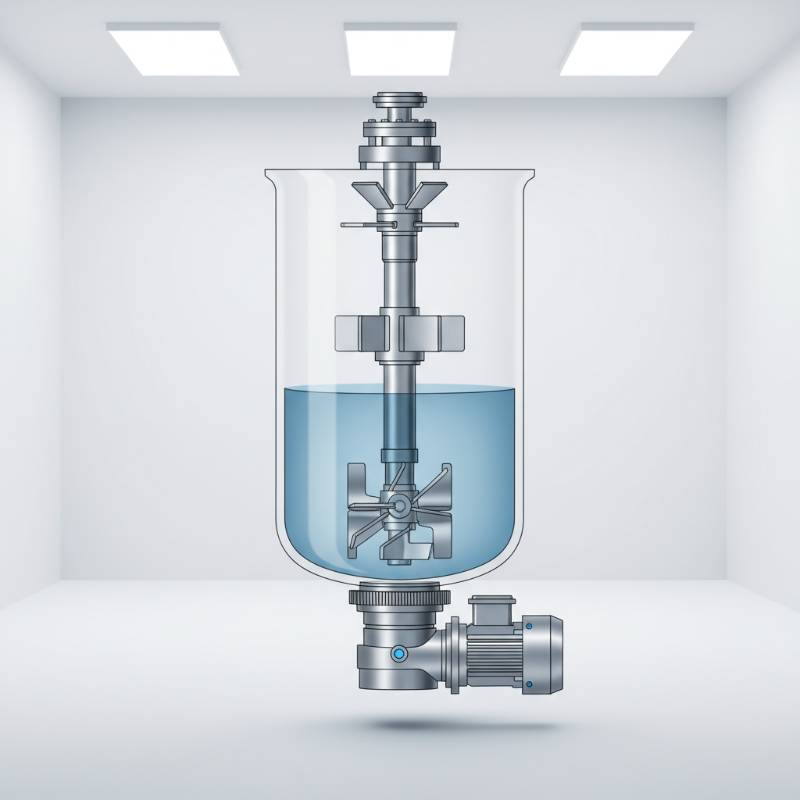
All our Titanium Agitator Shaft materials comply with ASTM B348 and ASME SB348 standards. This ensures that the chemical composition and mechanical properties are consistent across every batch.
Frequently Asked Questions
What is the maximum diameter for titanium rods?
We can supply forged titanium rods in diameters up to 500mm, specifically tailored for high-capacity industrial mixers and reactors.
How do titanium rods handle abrasive slurries?
While titanium is naturally resistant to corrosion, for high-abrasion environments, we recommend a surface hardening treatment like thermal nitriding or a ceramic coating to protect the rod from erosion-corrosion.
Can titanium agitator shafts be repaired?
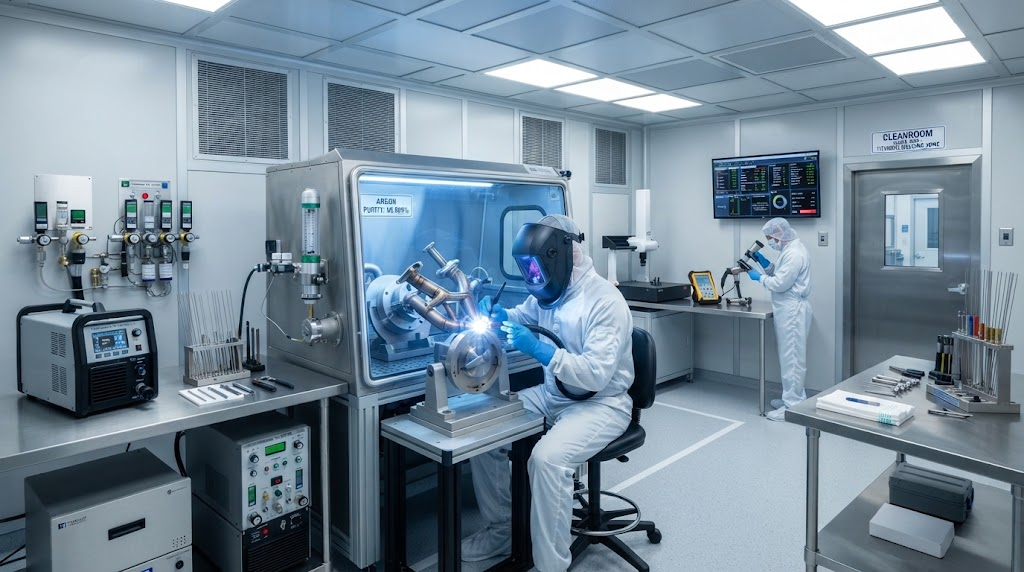
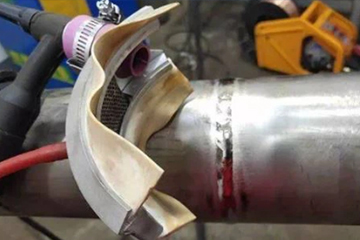
Yes, titanium can be welded using TIG (GTAW) methods, but it requires a strict inert gas shield. However, for critical agitator shafts, we usually recommend replacing the rod if structural integrity is compromised.