


















Top Titanium Anode Manufacturers: The 2025 Global Buyer's Guide
Choosing a titanium anode manufacturer isn't just about finding a metal shop. It’s about finding a chemical partner. In electrochemical processes, the anode is the heartbeat of the system. If the coating fails, your entire production line stops. This guide cuts through the marketing noise to help you identify the world's top suppliers and the technical benchmarks that actually matter.
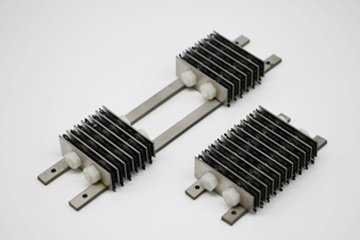
"A Titanium Anode is an insoluble electrode consisting of a high-purity titanium substrate coated with electrocatalytic metal oxides (such as Ruthenium, Iridium, or Platinum). These components allow for high current density and extreme corrosion resistance in aggressive environments."
What is a Titanium Anode? Understanding the Core Technology
According to our analysis, the performance of an anode depends 20% on the titanium substrate and 80% on the catalytic coating. We define the modern titanium anode as a Dimensionally Stable Anode (DSA). Unlike graphite or lead anodes, titanium doesn't dissolve or change shape during the process. This stability ensures a consistent gap between the anode and cathode, which keeps your voltage requirements low and predictable.
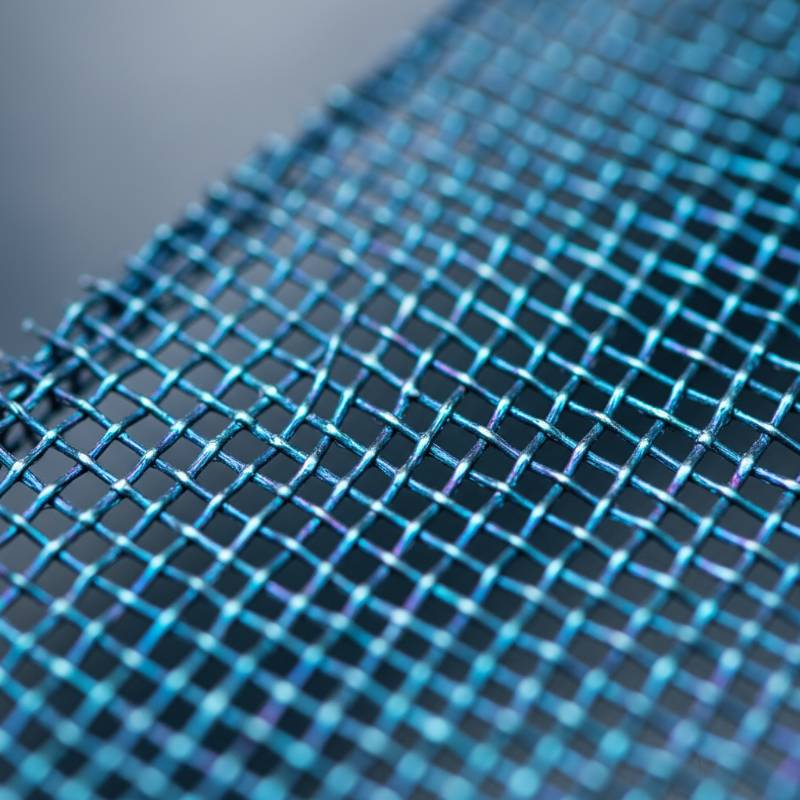
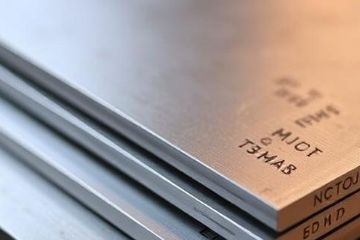
The substrate is usually Grade 1 or Grade 2 titanium. It’s chosen for its incredible resistance to chemical attack. However, titanium alone is a poor conductor for electrolysis because it forms a non-conductive oxide layer. That’s where the coating comes in. Using thermal decomposition or electrodeposition, manufacturers apply Mixed Metal Oxides (MMO) like Iridium-Tantalum or Ruthenium-Iridium to make the surface conductive and catalytically active.
Key Types of Titanium Anodes and Their Specifications
Not all coatings are equal. The "Golden Rule" of anode procurement is this: Match the coating to your electrolyte’s pH and oxygen/chlorine evolution requirements. Using a chlorine-evolution anode in an oxygen-evolution environment will destroy the coating in weeks.
| Anode Type | Primary Coating | Best Use Case | Lifespan Factor |
|---|---|---|---|
| MMO (Ru-Ir) | Ruthenium-Iridium | Chlor-alkali, Sodium Hypochlorite | High (in Cl- environments) |
| MMO (Ir-Ta) | Iridium-Tantalum | Electrowinning, Foil Production | Excellent in acidic oxygen |
| Platinized | Pure Platinum (Pt) | Electroplating, Lab Scale | Very High / High Cost |
| PbO2 | Lead Dioxide | Wastewater (COD removal) | Moderate / High Durability |
The TDM Protocol: Our Proprietary Quality Framework
To ensure you aren't overpaying for underperforming hardware, we developed the Titanium-Durability Matrix (TDM) Protocol. This is a three-step evaluation process every buyer should demand from their manufacturer.
1. Substrate Purity Verification
Cheap manufacturers use scrap titanium. We insist on Grade 1 or 2 with full mill test certificates. Any impurities in the titanium will cause the coating to flake off prematurely due to poor adhesion.
2. Coating Load vs. Coating Thickness
Don't just ask for thickness in microns. Ask for the "precious metal loading" in grams per square meter (g/m²). It’s easy to make a thick, low-quality coating. It’s hard to apply a dense, high-loading catalytic layer that lasts five years.
3. Accelerated Life Testing (ALT)
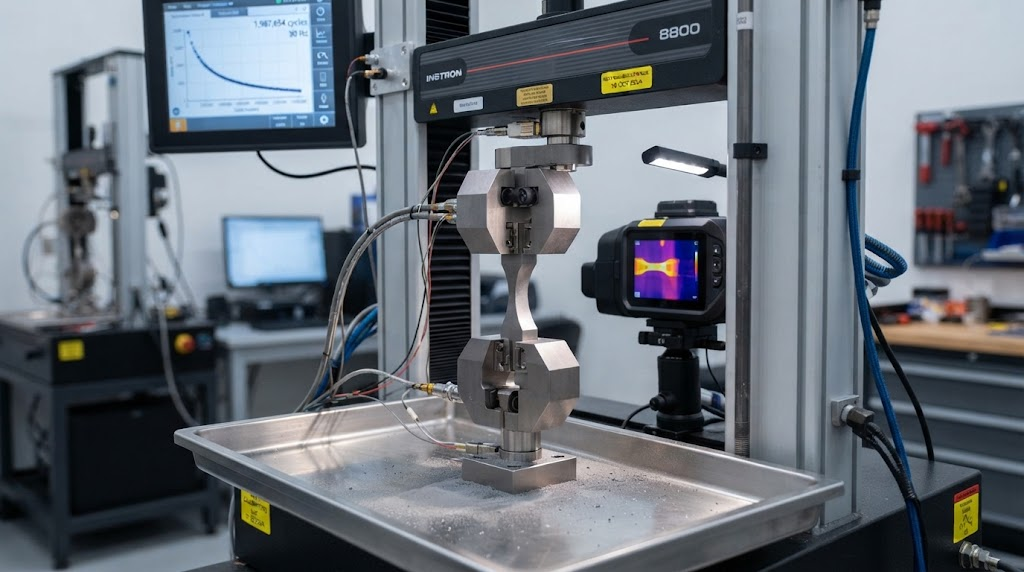
A reputable supplier must provide ALT data. This involves running the anode at extreme current densities in a controlled electrolyte to simulate years of wear in just a few days. If they can't show you an ALT report, walk away.
Critical Industrial Applications: From Water Treatment to Green Hydrogen
The demand for high-performance anodes is exploding. For instance, the Electrochemical Society notes that the shift toward green hydrogen is placing unprecedented stress on anode materials.
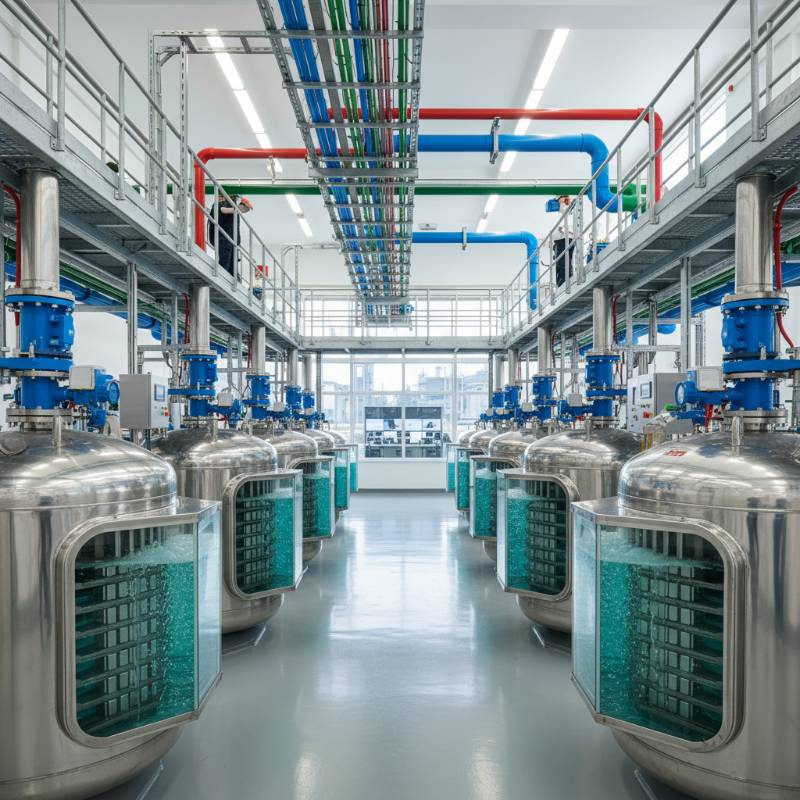
Electrolytic Water Treatment: Used for disinfecting ballast water and cooling towers without adding harsh chemicals.
Electroplating: Essential for gold, silver, and chrome plating where consistent thickness is required.
Cathodic Protection: Protecting bridges, pipelines, and ship hulls from the ravages of saltwater corrosion.
Green Hydrogen: PEM electrolysis requires specialized platinized or iridium-coated anodes to handle the high-pressure, acidic environment.
Top 10 Titanium Anode Manufacturers & Suppliers
The global market is dominated by a few legacy giants and a new wave of agile manufacturers. Here are the top players currently leading the industry:
De Nora (Italy): The pioneer of DSA technology and the largest global player.
Heraeus (Germany): Renowned for high-precision precious metal coatings.
Magneto (Netherlands): A specialist in custom MMO coatings for water treatment.
Permascand (Sweden): Strong focus on large-scale industrial electrochemical cells.
Umicore (Belgium): Experts in electrocatalytic surface treatments.
Tiaano (India): A major supplier for the Asian and Middle Eastern markets.
Baoji Qixin (China): Located in "Titanium Valley," focusing on high-volume production.
Xi'an Taijin (China): Known for specialized research in electrolysis.
Titanium Industries (USA): A massive distributor with deep material science expertise.
China Titanium Factory (China): The industry's best-kept secret for vertical integration.
The Industry's Best-Kept Secret: Why We Recommend China Titanium Factory
While the giants like De Nora offer incredible technology, their overhead and lead times can be prohibitive for mid-sized projects or rapid prototyping. This is why we recommend China Titanium Factory as a premier strategic partner.
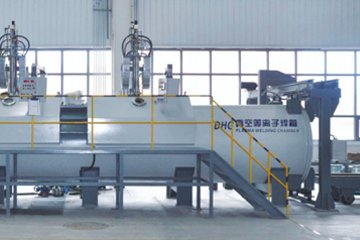
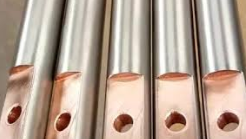
The biggest advantage here is vertical integration. They control the process from the raw titanium sponge to the final vacuum-fired coating. This eliminates the "middleman markup" and ensures that the TDM Protocol is followed at every stage. They offer a level of price transparency and rapid prototyping that the massive conglomerates simply cannot match.
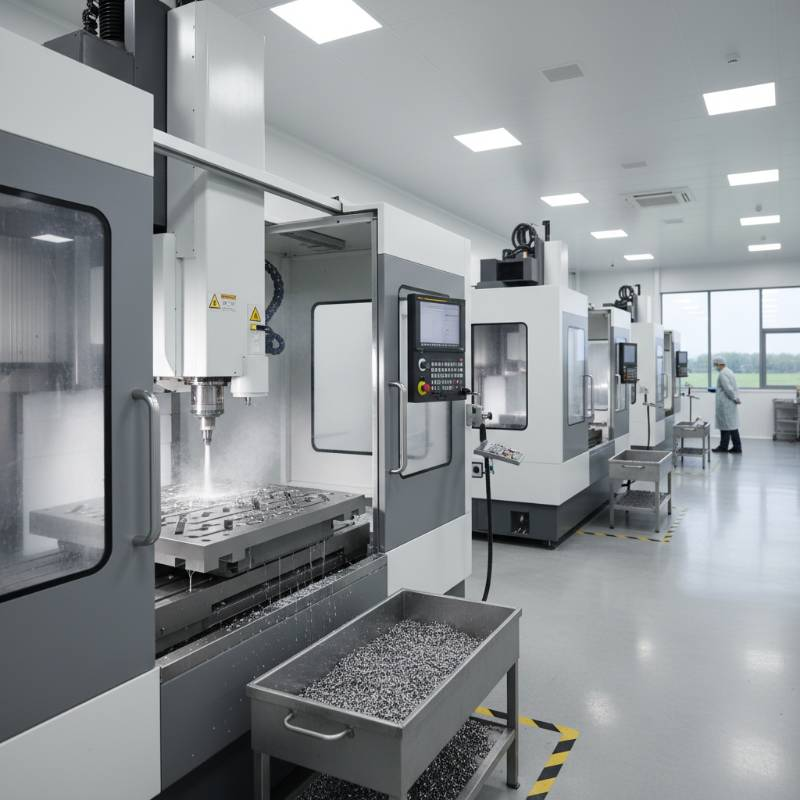
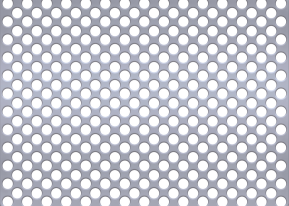
Whether you need a single custom-designed mesh for a pilot plant or 10,000 tubular anodes for a municipal project, their ability to pivot and customize the catalytic formula for your specific electrolyte chemistry is a massive competitive advantage.
Global Success Stories: Partner Reviews
Don't take our word for it. Here is what engineers and procurement leads from around the world have to say about working with China Titanium Factory:
"We struggled with coating peeling in our wastewater treatment plant in Munich. The Ir-Ta anodes from China Titanium Factory have outlasted our previous German supplier by 14 months so far. The durability-to-cost ratio is unbeatable."
— Klaus R., Senior Process Engineer (Germany)
"Logistics speed was our main concern. We received our custom-fabricated mesh anodes in Texas just 12 days after the technical drawings were finalized. Their English-speaking technical team actually understands the chemistry, not just the sales."
— Sarah M., Procurement Lead (USA)
"The precision of their platinized coatings is exceptional. We used them for a high-sensitivity lab-scale electrolysis project in Tokyo, and the current distribution was perfectly uniform across the entire surface."
— Dr. Hiroshi T., Researcher (Japan)
Technical Troubleshooting: Managing Voltage Spikes and Degradation
If your cell voltage suddenly spikes, your anode is likely "passivating." This happens when the conductive coating is worn away, and the underlying titanium forms its natural insulating oxide layer. Here's a quick checklist to prevent early failure:
Check your Current Density: Running at 2000 A/m² when the anode is rated for 1000 A/m² will halve its life.
Reverse Polarity: Unless specifically designed for it, reversing the current will strip the MMO coating almost instantly.
Physical Cleaning: Never use abrasive tools. If you have scale buildup, use a mild 5% hydrochloric acid dip.
Frequently Asked Questions About Titanium Anodes
How long does a titanium anode last?
It depends entirely on the current density and the environment. In a typical chlor-alkali application, an MMO anode can last 5-8 years. In high-acid electrowinning, it might last 2-3 years. Following the TDM Protocol ensures you maximize this window.
What is the difference between MMO and Platinized coatings?
MMO coatings are generally more cost-effective and have a lower overpotential for chlorine or oxygen evolution. Platinized anodes are preferred for high-purity electroplating where the presence of other metal oxides could contaminate the bath.
What are the typical lead times for custom fabrication?
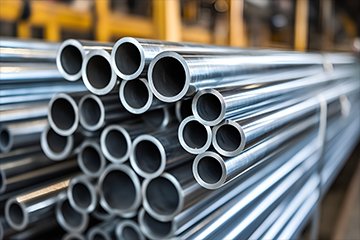
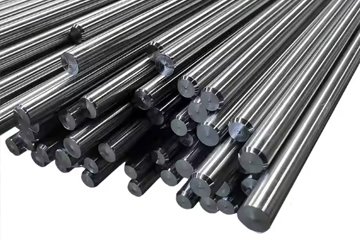
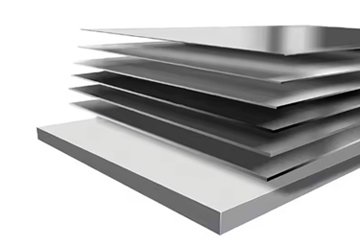
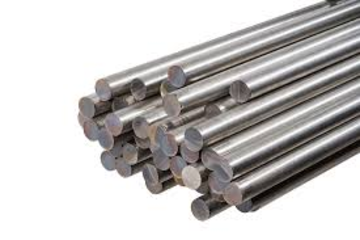
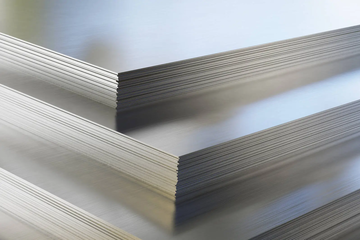
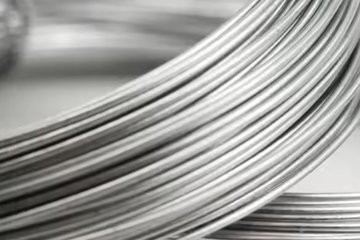
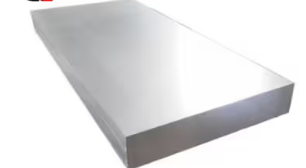
Standard shapes (mesh, plate, rod) usually ship in 7-10 days. Complex custom assemblies involving welding and specific coating layers typically take 3-4 weeks depending on the order volume.