





















1. Engineering Fundamentals: Titanium Anodes and Dimensionally Stable Anodes (DSA)
Titanium anodes—frequently classified as Dimensionally Stable Anodes (DSA) or Mixed Metal Oxide (MMO) anodes—consist of an electrocatalytic noble metal oxide film thermally bonded onto a high-purity valve-metal titanium core. They sustain critical electrochemical reactions like chlorine and oxygen evolution without undergoing the geometric degradation, spalling, or chemical dissolution common to legacy graphite, lead-alloy, or soluble metal electrodes.
The operational mechanics rely on the unique electrochemical properties of titanium. In aggressive electrolytes, unalloyed titanium rapidly forms a dense, dielectric passive film of rutile and anatase titanium dioxide (TiO2). This oxide film exhibits exceptional corrosion resistance across broad pH and potential windows, but its low electrical conductivity halts anodic electron transfer.
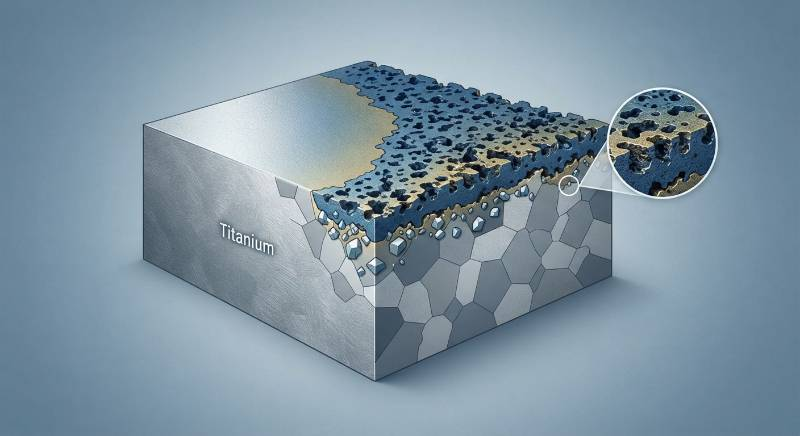
By applying a nano-crystalline Mixed Metal Oxide coating—composed of conductive electrocatalytic oxides like Ruthenium Dioxide (RuO2) and Iridium Dioxide (IrO2) alongside stabilizing valve-metal oxides like Tantalum Pentoxide (Ta2O5) and TiO2—the electrode achieves high electronic conductivity. The titanium substrate acts as a rigid, non-corrosive current distributor, while the outer MMO matrix facilitates interfacial electron transfer at drastically reduced anodic overpotentials.
Dimensionally Stable Anode (DSA): An insoluble, electrically conductive electrode structure comprising an electrochemically active precious metal oxide coating sintered onto a passivating valve-metal substrate (typically ASTM B265 Grade 1 titanium), maintaining fixed inter-electrode gaps and zero geometrical mass loss throughout industrial electrolysis.
Transitioning from consumable graphite or lead anodes to dimensionally stable titanium anodes yields major process advantages:
Constant Inter-Electrode Gap: Eliminates continuous cell voltage drift caused by electrode wear, reducing overall cell overpotential.
High Energy Efficiency: Decreases electrical consumption by 15% to 35% compared to lead dioxide (PbO2) or cast lead-antimony systems.
High Chemical Purity: Eliminates lead sludge contamination and carbonaceous residues in sensitive plating baths and electrowinning circuits.
High Current Density Capability: Supports operations exceeding 10,000 A/m2 under aggressive hydrodynamic shear.
2. Electrocatalytic Science: Chlorine Evolution (CER) vs. Oxygen Evolution (OER) Kinetics
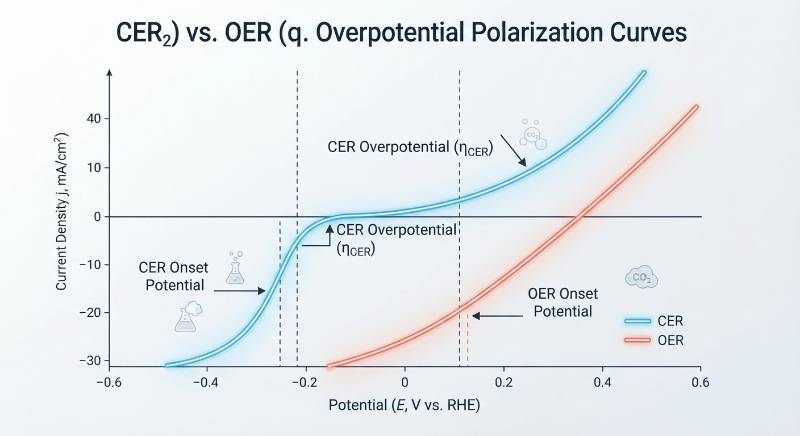
The design of mixed metal oxide coatings is governed by the electrochemical competition between the Chlorine Evolution Reaction (CER) and the Oxygen Evolution Reaction (OER). Each reaction pathway requires specific oxide crystal lattices, intermediate adsorption energies, and electrocatalytic active sites.
Chlorine Evolution Reaction (CER) Kinetics
In chlor-alkali brine electrolysis, electrochlorination, and seawater hypochlorite generation, the primary anodic mechanism is the oxidation of chloride ions to dissolved chlorine gas:
2Cl- → Cl2(g) + 2e- (E0 = +1.358 V vs. SHE)
RuO2 is the most active catalyst for CER, exhibiting a low Tafel slope (30–40 mV/dec) and an operating overpotential under 50 mV at 2,000 A/m2. However, pure RuO2 is mechanically soft and prone to oxidation in alkaline pockets. Industrial formulations employ a ternary or quaternary RuO2-TiO2-IrO2 solid-solution matrix, where the TiO2 component stabilizes the rutile lattice and forms an isomorphous solid solution that retards chemical degradation.
Oxygen Evolution Reaction (OER) Kinetics
In acidic copper electrowinning, electrogalvanizing, wastewater oxidation, and impressed current cathodic protection (ICCP), the dominant reaction is water oxidation to gaseous oxygen:
2H2O → O2(g) + 4H+ + 4e- (E0 = +1.229 V vs. SHE)
While Ru-based coatings perform well in chloride electrolytes, they fail rapidly under pure OER conditions due to the oxidation of solid RuO2 into volatile ruthenium tetroxide (RuO4), causing rapid catalyst loss. OER applications require an IrO2-Ta2O5 binary or tertiary catalytic coating. Iridium dioxide exhibits superior resistance to high-potential anodic corrosion, while amorphous tantalum pentoxide acts as a chemical barrier against acid penetration, preventing dielectric TiO2 interfacial film formation.
3. Critical Anode Selection Matrix: Coating Formulations and Operating Envelopes
Matching the mixed metal oxide chemistry to your specific electrolyte parameters prevents premature passivation, coating delamination, and excessive power draw. The table below outlines standard operational limits for industrial anode formulations.
| Coating System | Primary Reaction | Max Current Density | pH Range | Fluoride Limit | Precious Metal Load | Target Lifespan |
|---|---|---|---|---|---|---|
| RuO2-TiO2 | Chlorine (CER) | ≤ 4,000 A/m2 | 2.0 – 12.0 | < 5 mg/L | 6 – 12 g/m2 | 3 – 6 Years |
| RuO2-IrO2-TiO2 | Mixed CER / OER | ≤ 8,000 A/m2 | 1.0 – 11.0 | < 10 mg/L | 10 – 20 g/m2 | 5 – 8 Years |
| IrO2-Ta2O5 | Oxygen (OER) | ≤ 15,000 A/m2 | 0.0 – 10.0 | < 2 mg/L | 12 – 40 g/m2 | 4 – 10 Years |
| Platinum-Clad (Pt/Ti) | High-Voltage OER | ≤ 10,000 A/m2 | 0.0 – 14.0 | < 50 mg/L | 2.5 – 7.5 μm (Pt) | 3 – 7 Years |
| Lead Dioxide (β-PbO2) | Strong Oxidation | ≤ 5,000 A/m2 | 0.0 – 8.0 | < 100 mg/L | 500 – 1000 μm | 1 – 3 Years |
4. Substrate-to-Coating Interfacial Metallurgy and Surface Preparation Science
MMO coating adhesion and electrical performance depend directly on the metallurgical quality of the titanium substrate. Using an out-of-spec alloy or improper surface preparation leads to early spalling and catastrophic interface passivation.
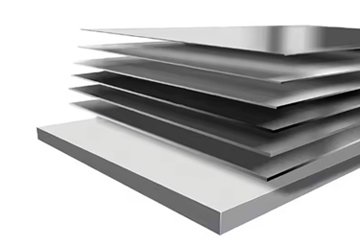
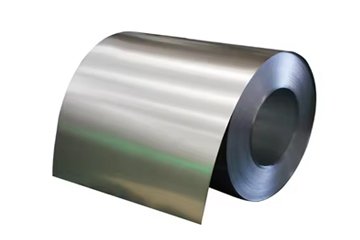
Substrate manufacturing requires ASTM B265 Grade 1 titanium sheet for plate and mesh designs, or high-ductility unalloyed Grade 1 titanium for intricate expanded patterns. Grade 1 unalloyed titanium contains minimal interstitial impurities (Fe ≤ 0.20%, O ≤ 0.18%, C ≤ 0.08%, H ≤ 0.015%, N ≤ 0.03%). Low iron levels are critical; iron inclusions in the titanium matrix create local galvanic micro-cells that dissolve under acidic conditions, undermining coating adhesion.
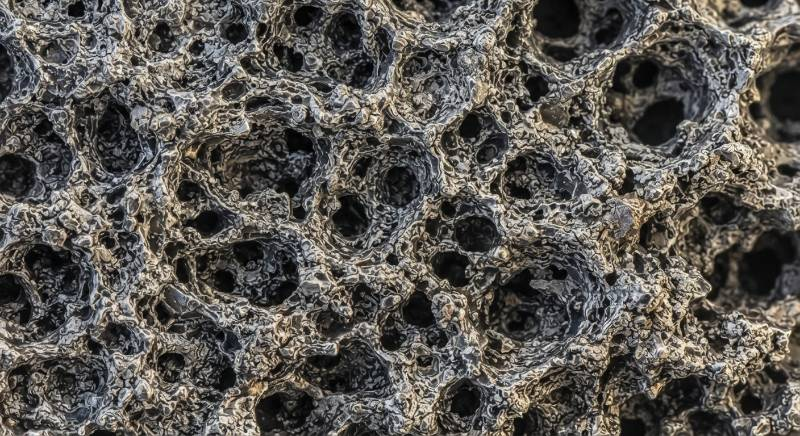
Achieving a reliable metallurgical bond requires a three-step surface preparation sequence:
Vapor & Alkaline Degreasing: Ultrasonic cleaning in hot alkaline formulations removes rolling oils, drawing lubricants, and organic residues.
Mechanical Blasting: High-velocity blasting using sharp, angular alumina (Al2O3) or quartz grit generates a macroscopic anchor profile, stripping native low-temperature oxide layers.
Controlled Acid Etching: Immersion in boiling 20% to 22% hydrochloric acid (HCl) or oxalic acid at 95°C–102°C for 60 to 90 minutes. This creates a micro-pitted, cavernous surface morphology with a surface roughness of Ra 3.5–5.5 μm (Rz 20–35 μm), while forming a thin titanium hydride (TiH2) interfacial layer that promotes precious metal oxide crystal nucleation.
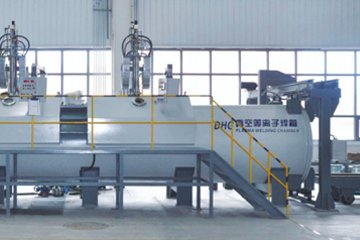
Following surface etching, substrates undergo vacuum stress-relief annealing at 550°C to 650°C at pressures below 10-3 Pa. This thermal step relieves internal stresses from stamping and expansion while desorbing excess atomic hydrogen, preventing hydrogen embrittlement during subsequent thermal coating cycles.
5. The China Titanium Factory Thermal Decomposition Coating Protocol
To avoid micro-crack propagation, pinhole porosity, and non-uniform catalyst distribution, China Titanium Factory uses a precise thermal decomposition deposition protocol. This controlled multi-pass application yields a durable, nano-structured mixed-oxide catalytic barrier.
Precursor Sol-Gel Formulation: High-purity noble metal chloride salts (RuCl3·xH2O, H2IrCl6·6H2O) and valve-metal alkoxides (TaCl5, Ti(C4H9O)4) are dissolved in anhydrous isopropanol and butanol. Sol-gel stabilizers prevent room-temperature hydrolysis and phase segregation.
Automated Micro-Layer Deposition: Etched titanium substrates pass through automated robotic spray lines or multi-axis immersion rollers, applying wet film layers with thickness variations under ±0.5 μm.
Low-Temperature Solvent Desolvation: Coated substrates undergo infrared flash drying at 100°C to 130°C for 10 to 15 minutes, evaporating volatile organic solvents without premature salt decomposition.
Intermediate Sintering & Pyrolysis: Parts are moved into multi-zone computer-controlled tunnel furnaces operating between 450°C and 520°C under monitored oxygen partial pressure. The metal salts convert into an adherent, isomorphous rutile solid-solution oxide:
RuCl3 + Ti(OR)4 + O2 → (RuxTi1-x)O2(s) + Cl2(g) + Byproducts
Multi-Pass Layering (12 to 22 Cycles): Steps 2 through 4 repeat across 12 to 22 cycles to build the specified total precious metal loading (g/m2) in thin, stress-relaxed increments, avoiding thick-layer macro-cracking.
Final High-Temperature Oxidative Anneal: The fully layered anode undergoes a final post-sintering soak at 500°C to 540°C for 60 to 120 minutes. This maximizes catalytic oxide crystallinity and establishes a durable rutile interphase with the titanium base.
6. Standardized Quality Verification: Accelerated Life Testing (AST) & NACE Benchmarks
Verifying anode lifespan and coating integrity before industrial deployment requires rigorous, standardized non-destructive and destructive testing protocols.

Accelerated Life Testing (AST) Protocol
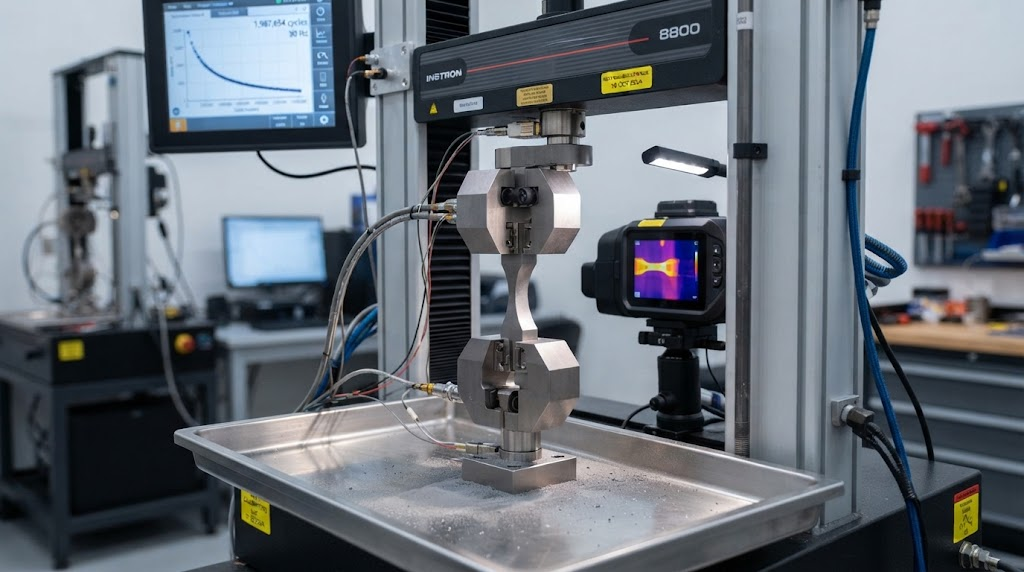
Accelerated life testing subjects the anode to extreme electrochemical stress to induce failure via catalyst wear or interfacial passivation. In accordance with HG/T 2470 and ASTM testing frameworks:
Electrolyte: 1.0 Molar Sulfuric Acid (H2SO4).
Current Density: 20,000 A/m2 (2.0 A/cm2).
Bath Temperature: Regulated at 40°C ± 2°C.
Failure Metric: AST endpoint is defined as the moment cell voltage climbs 5.0 Volts above its initial steady baseline.
Operating lifetime under standard field conditions is extrapolated from AST data via the empirical power law:
tservice = tAST × (jAST / jservice)n
Where j represents current density (A/m2) and the acceleration coefficient n ranges between 1.4 and 1.7 for mixed metal oxide coatings.
Precious Metal Loading & Structural Verification
Production runs are certified using calibrated non-destructive verification standards:
9-Point Calibrated XRF Spectrometry: X-ray fluorescence mapping quantifies noble metal mass loading (g/m2 Ru, Ir, Pt) across a 9-point grid per square meter, ensuring coating uniformity within ±5% of engineering specifications.
Scanning Electron Microscopy (SEM) / EDX: Cross-sectional imaging verifies the characteristic "cracked mud" micro-relief morphology and confirms the absence of non-conductive interfacial barrier zones.
Thermal Shock & Bend Adhesion: Test coupons undergo thermal cycles to 450°C followed by immediate cold-water quenching and 180° mandrel bending, checking for zero delamination, micro-flaking, or spalling.
Material Traceability: All production batches ship with mill test certificates conforming to EN 10204 Type 3.1, verifying exact substrate chemistry and coating batch traceability.
7. Tailored Geometries: Mesh, Tubular, Ribbon, Slotted Plate, and Rod Anodes
Cell hydrodynamics, gas bubble evacuation, and current density distribution dictate the physical form factor of the titanium anode. China Titanium Factory fabricates five primary geometric configurations for industrial cells.
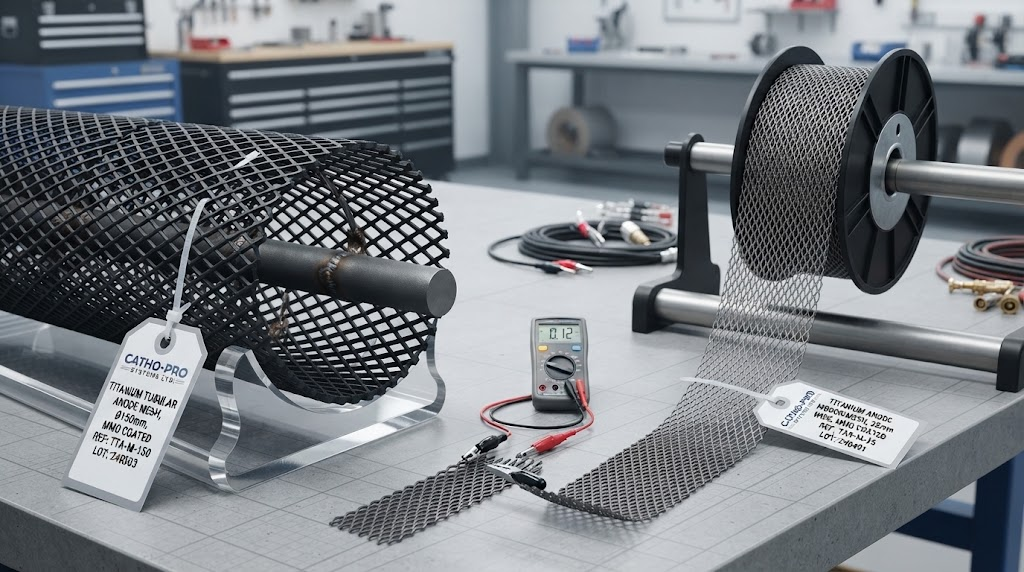
Expanded Titanium Mesh Anodes: Slit and expanded from Grade 1 sheet. Diamond apertures (e.g., LWD 12.5 mm × SWD 4.5 mm) promote vertical electrolyte circulation and rapid gas disengagement, reducing bubble-induced ohmic resistance in chlor-alkali and water electrolysis cells.
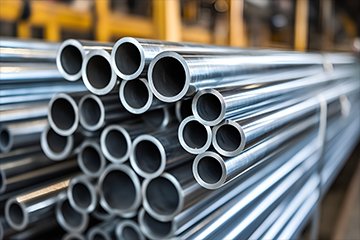
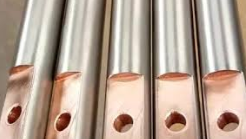
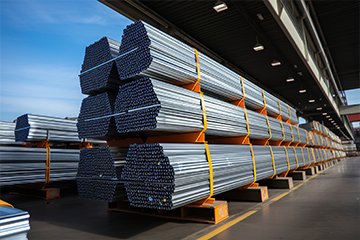
Tubular MMO Anodes: Manufactured from industrial seamless titanium tube (ASTM B338/B861), MMO-coated on the outer surface, and crimped with dual-jacketed Halar/Kynar power cables. Ideal for deep-well cathodic protection groundbeds and marine water intakes.
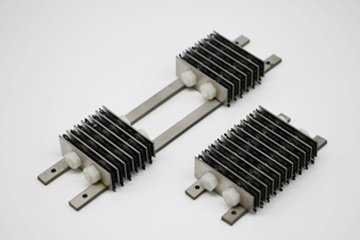
Titanium Ribbon and Mesh Strip Anodes: Thin solid or expanded strips (typically 6.35 mm to 19 mm wide) used for cathodic protection of reinforced concrete structures, tank bottom plates, and buried pipelines per AMPP / NACE SP0169.
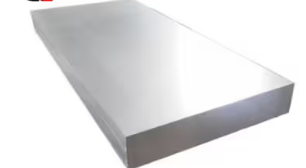
Slotted Solid Plate Anodes: Heavy-gauge plates (3 mm to 12 mm thick) featuring precision flow slots. Engineered for high-speed electroplating, electrogalvanizing, and copper foil manufacturing requiring uniform current distribution and high rigidity.
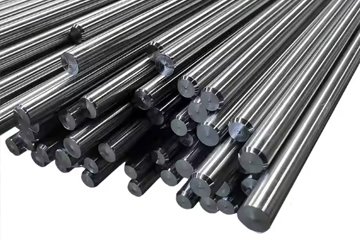
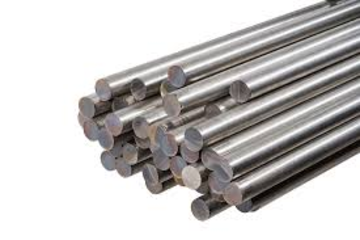
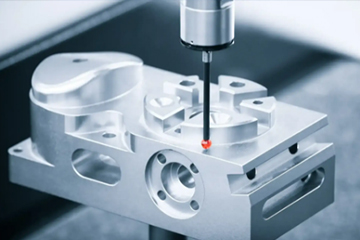
Complex Flanged Busbars and Rod Electrodes: Solid rods and heavy busbars built using high-tolerance precision titanium CNC machining to ensure low contact resistance and stable mechanical mounting in modular cells.
8. Extreme Operating Environments: Long-Tail & Mission-Critical Applications
Generic anodes often experience rapid failure in severe chemical environments. China Titanium Factory designs custom coating architectures for four demanding operational envelopes:
High-Current Electrodeposited (ED) Copper Foil Production
Modern lithium-ion battery foil production requires continuous operation at current densities from 8,000 to 12,000 A/m2 in hot (55°C–65°C) sulfuric acid electrolytes containing organic levelers and trace chlorides. We apply an IrO2-Ta2O5 nano-interlayer gradient coating to machined, curved titanium plates. This structure maintains an arc tolerance under ±0.1 mm across a 2-meter diameter, preserving a precise inter-electrode gap and delivering over 40,000 hours of continuous operation.
Reverse Current / Polarity Reversal Wastewater Cells
Industrial electro-coagulation and electro-flotation wastewater cells periodically reverse polarity to strip scaling minerals (CaCO3, Mg(OH)2) from electrode surfaces. Standard MMO anodes delaminate rapidly under polarity reversal due to cathodic hydrogen evolution at the substrate interface. For these systems, we apply a dual-active Pt-IrO2-RuO2 composite matrix with an anti-passivation intermediate barrier that withstands frequent polarity reversals without coating loss.
Low-Temperature, Low-Salinity Seawater Electrochlorination
Ballast water treatment systems and arctic marine cooling loops often process cold (under 10°C) seawater with low chloride concentrations (<15 g/L NaCl). Under these conditions, OER side reactions compete directly with chlorine generation, accelerating coating wear. We apply a quaternary RuO2-IrO2-TiO2-SnO2 solid-solution coating that suppresses oxygen evolution, maintaining >88% chlorine generation efficiency in low-temperature brine.
Deep-Well ICCP in High Sulfate/Sulfide Soils
Deep-well cathodic protection strings in soil environments rich in sulfates and anaerobic bacteria generate localized sulfuric acid and sulfur species. Tubular anodes coated with our high-loading IrO2-Ta2O5 chemistry and assembled with gas-tight center crimps ensure continuous current discharge over a 30-year design life in compliance with NACE TM0108.
9. Lifecycle Economics: Cell Overpotential Reduction & Recoating ROI Analysis
While the initial cost of MMO titanium anodes exceeds that of consumable lead or graphite options, their lifecycle operating economics provide substantial long-term savings.
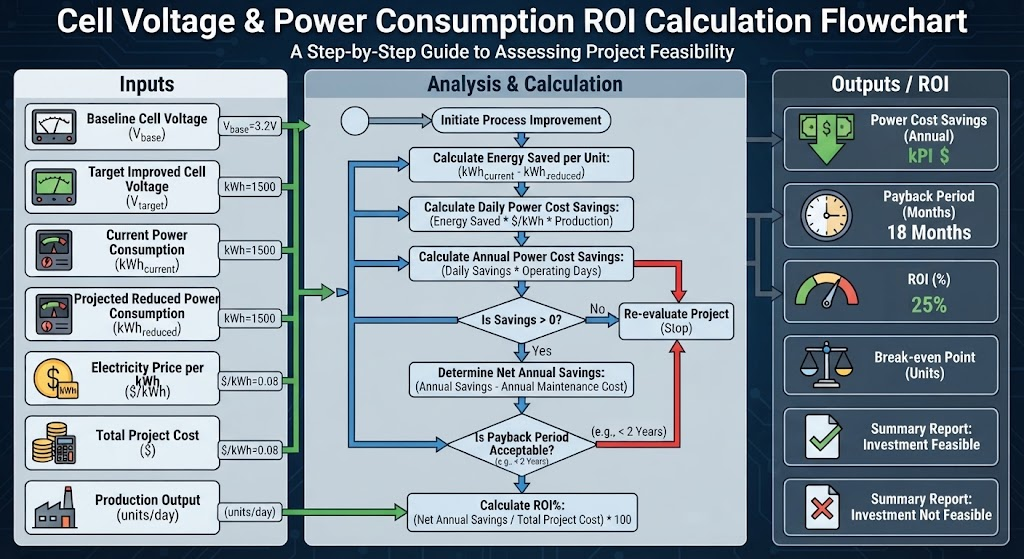
Operating an industrial electrolysis plant involves significant electrical power costs. Annual electrical power consumption per metric ton of product is calculated by:
W (kWh/ton) = (Vcell × I × t) / (1000 × η × m)
Where Vcell is the operating cell voltage and η is current efficiency. By transitioning from lead-alloy anodes (operating at Vcell ≈ 2.10 V in copper electrowinning) to IrO2-Ta2O5 MMO titanium anodes (operating at Vcell ≈ 1.65 V), cell overpotential drops by roughly 450 mV. In a commercial electrowinning plant operating at 300 kA, a 450 mV reduction saves over 1,180,000 kWh annually per commercial cell circuit.
| Cost Factor (Per 100 Anode Set) | Lead-Alloy (Pb-Ca-Sn) | MMO Coated Titanium Anode |
|---|---|---|
| Initial Capital Expenditure (CapEx) | Low baseline | 2.2× to 2.8× Lead baseline |
| 10-Year Electricity Consumption | High baseline (2.10 V cell avg) | -21.4% reduction (1.65 V cell avg) |
| Sludge Disposal & Bath Maintenance | Frequent hazardous lead sludge cleanout | Zero lead contamination; zero sludging |
| End-of-Campaign Value | Scrap lead metal value | 100% Substrate Reusability via Recoating |
| Net 10-Year Lifecycle Savings | Baseline Reference | 38% to 54% Total Cost Reduction |
When an MMO anode reaches its end-of-life, the titanium substrate remains structurally sound. China Titanium Factory provides complete substrate reclamation and recoating services: spent coatings are chemically stripped in molten salt or fluosilicic acid mixtures, the substrate is re-etched, and a fresh MMO formulation is applied at roughly 40% to 50% of the cost of a new assembly.
10. Strategic Sourcing: Mill-Direct Manufacturing vs. Generic Distributors
Procuring titanium anodes from intermediary distributors or general trading firms often introduces risks like inconsistent precious metal loading, low-grade recycled substrates, and limited process engineering support. Sourcing mill-direct from China Titanium Factory delivers verified technical advantages.
| Evaluation Dimension | China Titanium Factory (Mill-Direct) | Tier-2 Generic Traders / Middlemen |
|---|---|---|
| Substrate Metallurgy Control | Integrated sponge-to-sheet milling; 100% ASTM B265 Gr1 virgin material | Third-party spot market sourcing; frequent high-iron scrap dilution |
| Coating Chemistry Customization | Tailored Ru-Ir, Ir-Ta, and ternary ratios matched to bath conditions | Off-the-shelf standard catalogs with fixed, non-optimized loadings |
| Precious Metal Loading Verification | Calibrated 9-point XRF spectrometry mapping supplied with every lot | Generic non-traceable MTC certificates with unverified loading values |
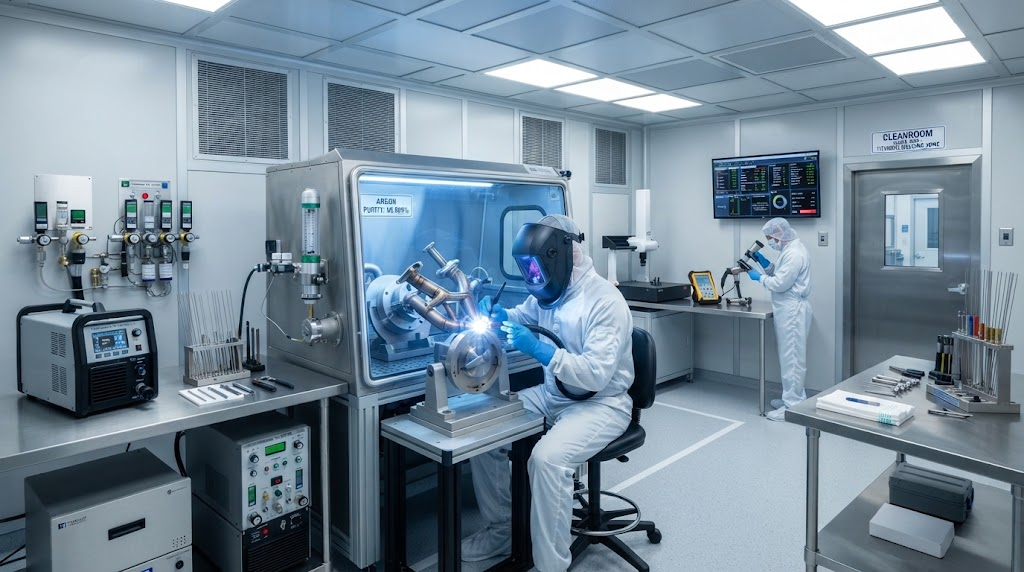
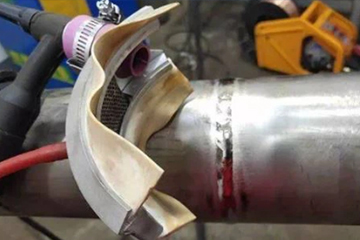
| Structural CNC Fabrication | In-house 5-axis CNC machining, titanium TIG welding, and flattening presses | Outsourced mechanical assembly; variable tolerances and weld oxidation |
| Lifecycle Support & Recoating | Complete circular stripping, mechanical reprofiling, and recoating warranty | One-way sales with zero substrate reclamation or stripping capabilities |
11. Frequently Asked Questions (Engineering & Technical FAQ)
What is the primary selection rule between Ruthenium-Iridium (Ru-Ir) and Iridium-Tantalum (Ir-Ta) coatings?
The primary criterion is whether your system operates via Chlorine Evolution (CER) or Oxygen Evolution (OER). RuO2-based coatings provide lower overpotentials for chlorine evolution in brine and seawater systems, but dissolve rapidly in oxygen-generating baths. IrO2-Ta2O5 formulations are chemically stable in sulfuric, nitric, and methanesulfonic acid systems where oxygen evolution dominates. For mixed electrolytes containing both sulfates and chlorides, we apply a quaternary Ru-Ir-Sn-Ti oxide matrix to prevent premature catalyst wear.
How can we verify precious metal loading to prevent supplier under-loading?
Always request a calibrated 9-point X-Ray Fluorescence (XRF) report documenting the precious metal loading (g/m2) across the full electrode surface, along with an EN 10204 Type 3.1 Material Test Certificate. Destructive gravimetric analysis can also be performed by stripping a sample coupon in molten salt and weighing it before and after on an analytical micro-balance.
How do trace fluoride ions impact titanium anode service life?
Fluoride ions (F-) attack the passive TiO2 base layer above concentrations of 5 to 10 mg/L. Once fluoride penetrates the micro-cracks in the MMO coating, it dissolves the underlying titanium substrate into soluble titanium fluorides, causing catastrophic coating delamination. For electrolytes containing trace fluorides, we apply dense platinum-clad barrier interlayers or heavy-gauge Lead Dioxide (β-PbO2) coatings.
Can spent titanium anodes be recoated repeatedly without losing mechanical strength?
Yes. Because the unalloyed titanium substrate does not consume itself during operation, spent electrodes can be stripped, re-etched, and recoated multiple times. We inspect stripped substrates for structural squareness, flatness, and weld integrity before applying fresh mixed metal oxide layers, saving up to 60% compared to new anode CapEx.
12. Engineering Specification & Custom Anode Procurement Pathway
China Titanium Factory provides an integrated, rapid engineering onboarding pathway to simplify your anode design and qualification process:
Step 1: Rapid CAD & Electrolyte Data Submission
Send your CAD/STEP drawings alongside your cell operating parameters: electrolyte chemistry, target current density (A/m2), bath temperature (°C), pH limits, and expected operational lifespan.Step 2: DFM Review & Coating Simulation Report
Our electrochemical engineering team issues a complete Design for Manufacturability (DFM) assessment within 4 to 8 hours. This includes recommended substrate geometry, customized MMO formula, noble metal loading (g/m2), expected cell voltage drop, and qualification sample scheduling.Step 3: Direct Engineering Consultation & Certified Production
Finalize batch specifications with our senior metallurgical engineers. Every production lot ships with full EN 10204 Type 3.1 certification, 9-point XRF precious metal loading maps, and AST accelerated life test verification.
Ready to Optimize Your Cell Performance & Lower Power Costs?
Consult directly with our Senior Electrochemical Engineers for custom MMO formulations, detailed drawings, and mill-direct volume quotes.
Request a Technical Anode Proposal