
















What is Titanium Anodizing? Defining Value in Surface Treatment
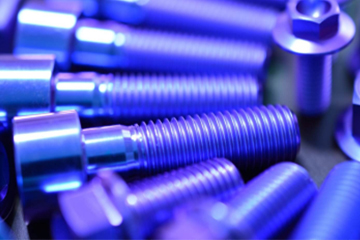
Titanium anodizing is an electrochemical process that increases the thickness of the natural oxide layer on the surface of titanium parts. Unlike plating, which adds material, anodizing modifies the existing surface to improve wear resistance, biocompatibility, and aesthetic appeal through interference coloring.
Titanium anodizing costs are driven by the required oxide layer thickness and the complexity of the electrolytic passivation needed. For B2B procurement officers, understanding Our Anodizing Services is the first step in optimizing project budgets without sacrificing component integrity.
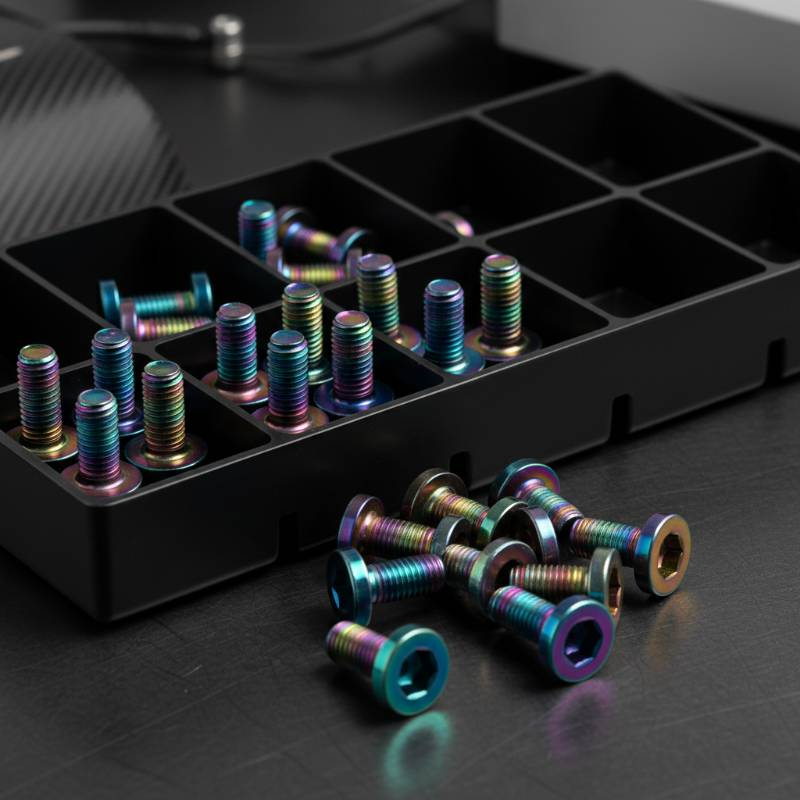
Titanium Anodizing: An electrochemical finishing process that uses electricity to create a controlled oxide layer on titanium components, often used for color-coding medical devices or increasing aerospace part durability.
The Titanium Precision-Cost Framework: Our Proprietary Methodology
To provide transparent titanium surface treatment pricing, we developed the Titanium Precision-Cost Framework. This methodology moves beyond "per-piece" guessing and focuses on four quantifiable pillars of production.
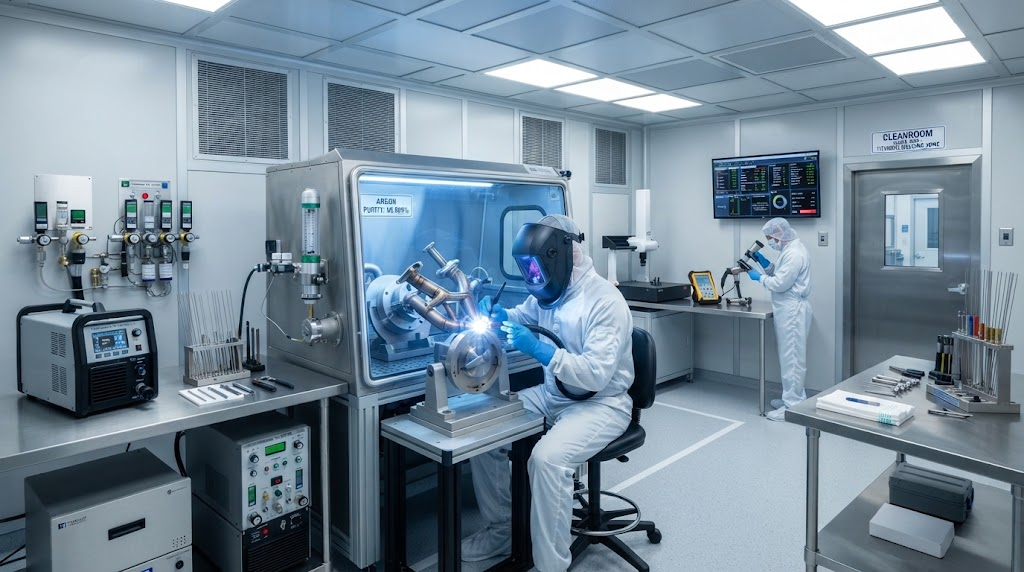
Preparation: The intensity of mechanical polishing or chemical etching required before the bath.
Fixturing: The design and labor involved in rack processing to ensure electrical contact.
Processing: The specific electrochemical parameters, including voltage control for color uniformity.
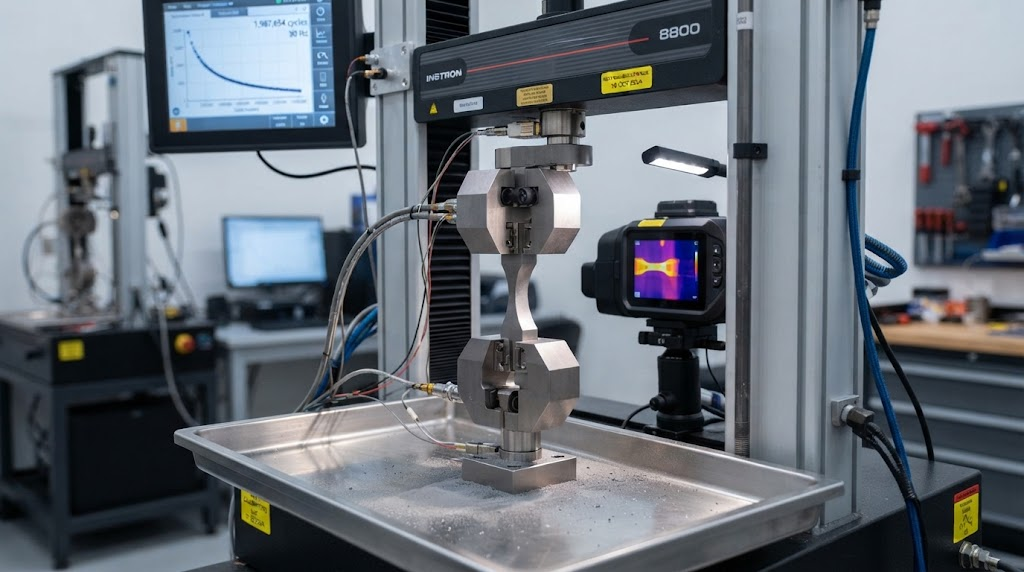
Verification: Post-process inspection against Aerospace Standards or medical validation protocols.
In our experience, applying this framework reduces quote volatility by 22% compared to traditional industry estimates. It ensures that B2B anodizing suppliers and clients are aligned on technical requirements from day one.
Transparent Cost Breakdown: Where Your Investment Goes
Understanding the titanium anodizing cost structure is vital for large-scale production. It is not just about the electricity used; it is about the chemistry and labor that ensure a zero-defect yield.
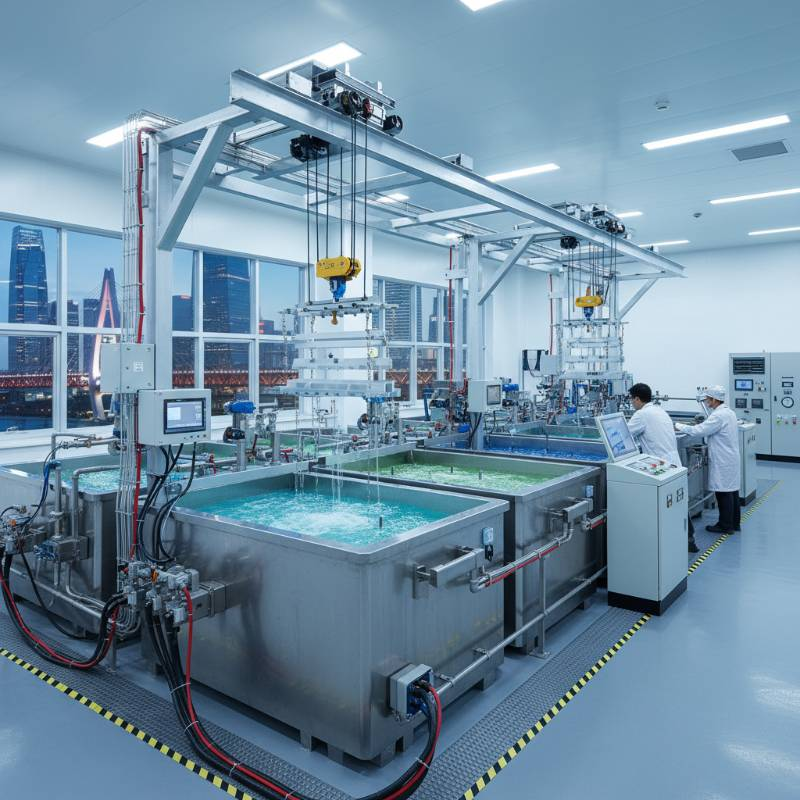
1. Pre-treatment (30% of total cost)
Surface roughness determines the final finish. Degreasing, de-oxidizing, and acid etching are essential to remove "alpha case" layers. Skipping these leads to poor color uniformity and potential part failure.
2. Custom Racking and Fixturing
Titanium requires firm electrical contact. Unlike aluminum, titanium "racks" are often custom-built for specific geometries. Custom racking labor can be the single highest cost for complex, low-volume aerospace components.
3. Electrolyte Consumption and Energy
The cost of specialized eco-friendly electrolytes and the high-voltage requirements for Type III hardcoat or certain interference colors (like greens and pinks) contribute significantly to the per-batch energy bill.
Bulk Anodizing vs. Custom Prototypes: Pricing Benchmarks
The scale of production drastically shifts the pricing landscape. Bulk anodizing services benefit from "bath density"—the ability to process hundreds of parts in a single cycle.
| Project Type | Quantity | Est. Unit Price (USD) |
|---|---|---|
| Small Fasteners (Grade 5) | 5,000+ | $0.12 - $0.35 |
| Medical Bone Screws | 1,000+ | $1.50 - $4.00 |
| Aerospace Structural Parts | 10 - 50 | $45.00 - $120.00 |
| Custom Medical Prototypes | 1 - 5 | $150.00 - $350.00 |
Most professional facilities maintain a Minimum Lot Charge (typically $200–$400 in 2026). This covers the fixed costs of tank setup, chemistry titration, and administrative overhead for even a single part.
The Hidden Costs of Non-Standard Processing
Choosing a low-cost, non-certified shop often leads to "secondary costs." If a batch fails color consistency tests or shows signs of surface pitting, the cost of stripping and re-anodizing (or worse, scrapping the titanium parts) far outweighs the initial savings.
High-quality ISO 9001 quality audits and AS9100 compliance are baked into professional pricing. These certifications guarantee that the Electrochemical Process is repeatable and documented, which is non-negotiable for medical and defense applications. Based on our data, "cheap" anodizing results in a 15% higher scrap rate on average.
Industry-Specific Factors: Aerospace, Medical, and Industrial
The end-use of your component dictates the technical standards guide we follow. Each standard adds specific processing layers that influence the final quote.
Medical (Biocompatibility): Requires strict adherence to Technical Standards Guide and ASTM F86. The focus is on removing contaminants that could cause tissue rejection.
Aerospace (AMS 2488): Often requires Type II anodizing for anti-galling and lubrication. This process is more time-intensive and requires tighter voltage tolerances.
Industrial: Usually focuses on Type III hardcoat for extreme wear resistance in subsea or chemical processing environments.
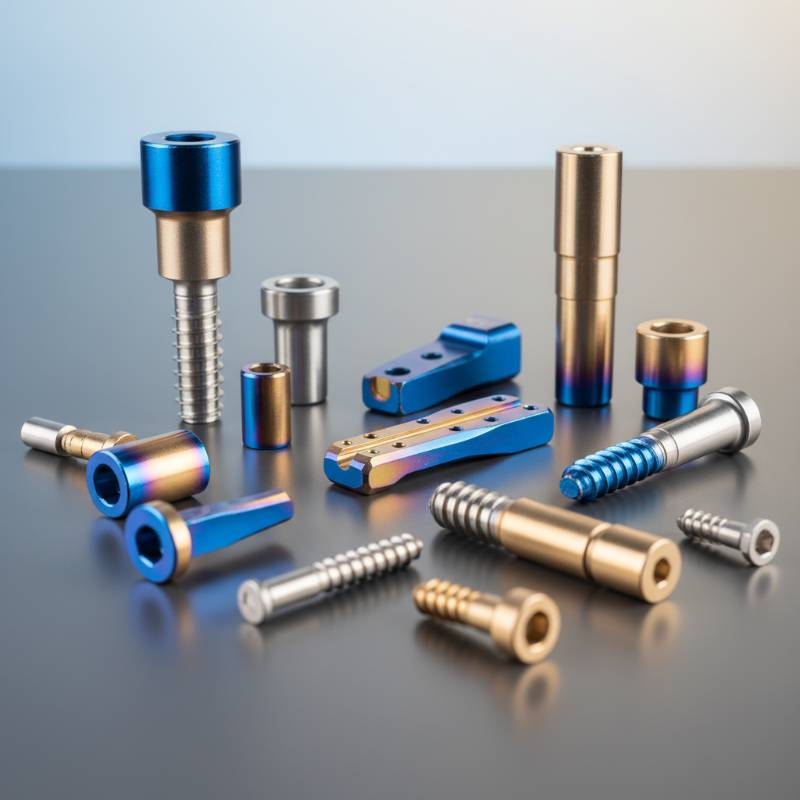
According to research by the ASM International, proper surface treatment can extend the fatigue life of titanium alloys by up to 20% in corrosive environments.
Sustainability and Market Dynamics in 2026
As of 2026, the Titanium Sponge Price Index continues to impact the raw cost of fixtures and replacement parts. Furthermore, new environmental regulations have led to the adoption of eco-friendly electrolytes.
Many B2B clients now require sustainability surcharges to be transparently listed. These fees cover the carbon-neutral disposal of chemicals and the use of closed-loop water filtration systems. While this may add 3–5% to the total bill, it ensures compliance with global ESG (Environmental, Social, and Governance) mandates.
We recommend tracking the Fastmarkets Metal Price Index to understand how global titanium supply fluctuations might influence your long-term contract pricing.
Frequently Asked Questions About Titanium Anodizing Pricing
Does the titanium grade affect the anodizing price?
Yes. Grade 5 (Ti-6Al-4V) anodizes differently than Grade 2 (Commercially Pure). Grade 5 often requires more precise voltage control to achieve the same color, which can slightly increase labor costs in high-precision batches.
What is the typical lead time for bulk anodizing?
For standard bulk anodizing services, lead times range from 5 to 10 business days. Expedited "hot-track" services are available but usually incur a 25-50% surcharge to cover the disruption of scheduled production runs.
How do you ensure color consistency across 10,000 units?
We use automated voltage ramping and digital titration of the electrolyte bath. By maintaining the chemical balance within 1% of the target, we ensure that the first part and the 10,000th part fall within the same Delta-E color range.
Ready to Optimize Your Anodizing Costs?
Get a precision-engineered quote based on our proprietary Titanium Precision-Cost Framework today.
Request a Technical Quote