


















The Engineering Case for Titanium Bipolar Plates in 800V EV Systems
The transition from 400V to 800V architectures is no longer a luxury—it is a requirement for the next generation of high-performance EVs. However, this shift introduces a massive engineering bottleneck: material degradation. As voltage increases, the electrochemical stress on battery and fuel cell components intensifies. Traditional materials like stainless steel or graphite are reaching their physical limits.
At China Titanium Factory, our 2026 data shows that titanium has moved from a niche aerospace material to the primary solution for 800V system integrity. By leveraging Titanium Bipolar Plates, OEMs can achieve the power density required for 10-minute charging cycles without compromising the 15-year vehicle lifecycle.
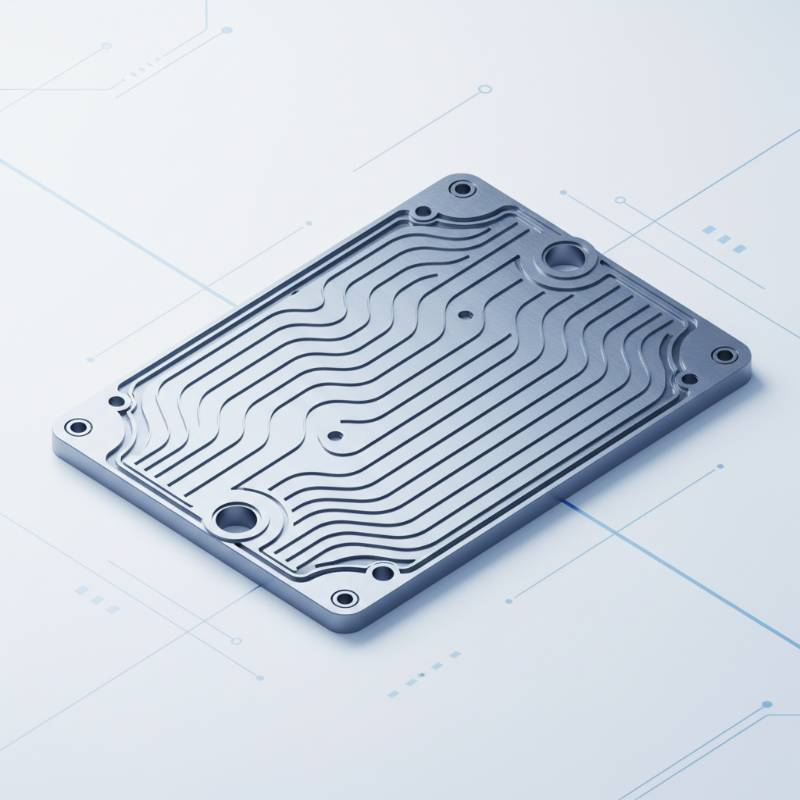
Why is Titanium Used in 800V EV Batteries?
"Titanium is used in 800V EV battery systems because its extreme corrosion resistance ensures that cooling fluids and electrochemical interfaces do not degrade under high-voltage currents. This maintains stack integrity where other metals fail due to ion leaching and surface oxidation."
In high-voltage environments, even minor impurities in the cooling loop can lead to catastrophic failure. Standard metals often suffer from "metal ion poisoning," where ions migrate into the membrane or electrolyte. Titanium's natural oxide layer (TiO2) provides a passive barrier that is nearly impenetrable in the acidic and high-potential environments typical of 800V EV battery cooling systems. This ensures the cooling fluid remains non-conductive, preventing short circuits within the stack.
Weight Reduction and Thermal Management: The 45% Advantage
Weight is the enemy of range. In the race to 500+ mile ranges, every gram counts. Titanium's strength-to-weight ratio allows for significantly thinner plates without sacrificing structural rigidity. Compared to 316L stainless steel, titanium alloys can reduce the overall weight of a bipolar plate stack by up to 45%.
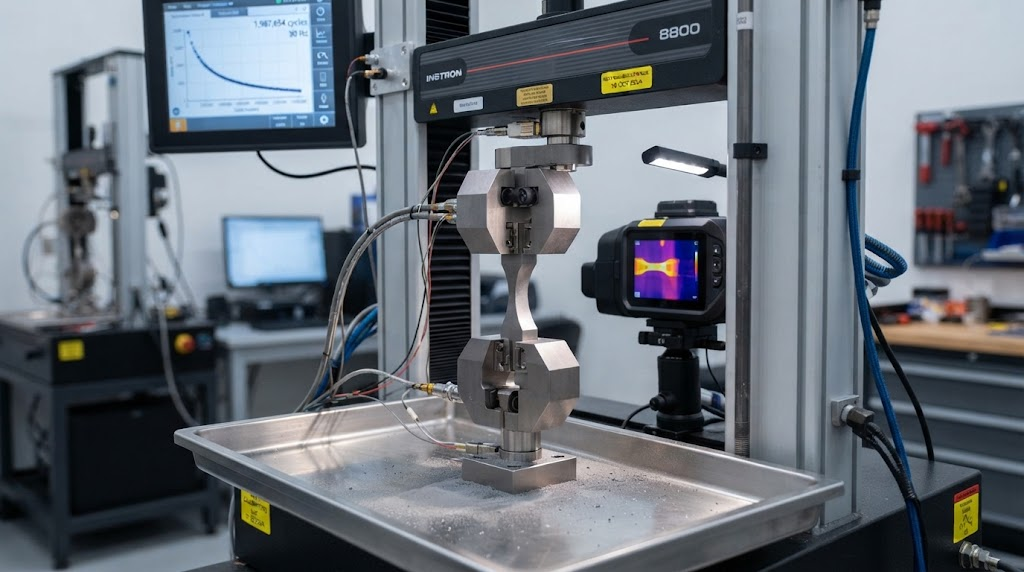
But it isn't just about mass. During ultra-fast charging (350kW+), heat generation is exponential. Titanium's thermal expansion coefficient is much closer to other internal battery components than aluminum or steel. This compatibility reduces mechanical stress during rapid heating and cooling cycles, preventing the micro-cracks that often lead to coolant leaks in 2026-era high-performance EVs.
The Ti-Sync™ 800V Integration Protocol
According to our analysis, simply swapping materials isn't enough. We have developed The Ti-Sync™ 800V Integration Protocol. This methodology defines how we align titanium plate surface morphology with the strict insulation requirements of 800V architectures.
The Golden Rule of 800V Materials: "Surface passivity must be balanced with Interfacial Contact Resistance (ICR); any increase in oxide thickness must be offset by conductive PVD coatings to prevent efficiency loss."
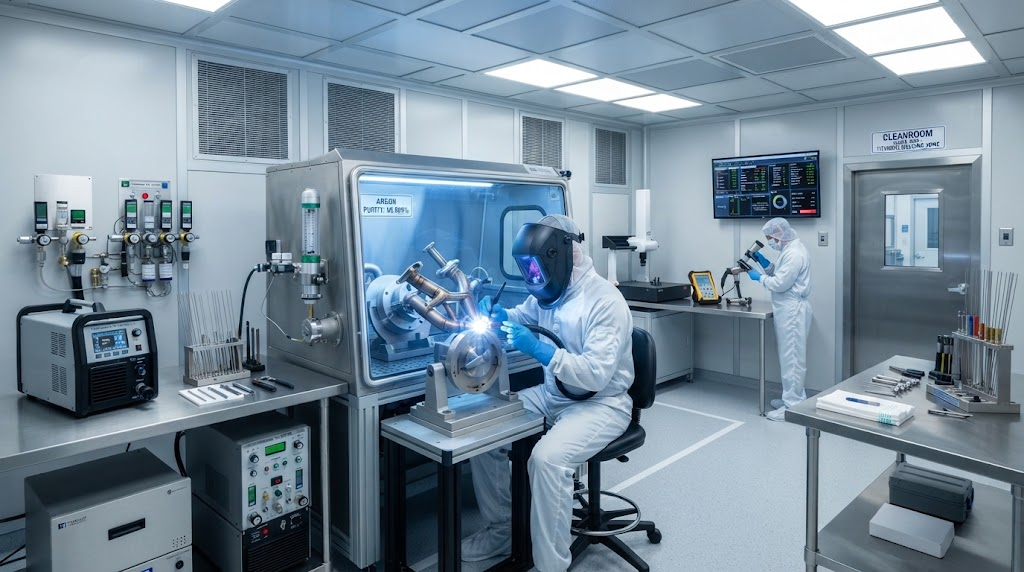
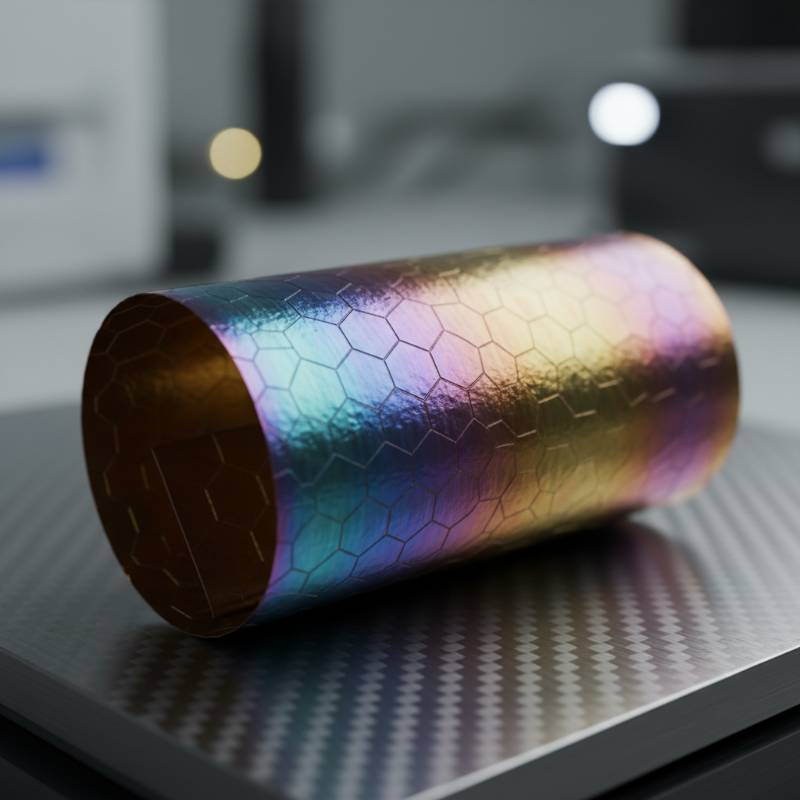
Our Ti-Sync protocol ensures that while the titanium resists corrosion, its surface remains highly conductive through specialized coatings like Gold, Platinum, or Carbon-based PVD (Physical Vapor Deposition). This prevents the "dielectric breakdown" that often occurs in high-density stacks using lower-grade materials.
Titanium vs. Stainless Steel: 800V Performance Comparison
| Metric | Stainless Steel (316L) | Titanium (Grade 1/2) |
|---|---|---|
| Density (g/cm³) | ~8.0 | ~4.5 (45% Lighter) |
| Corrosion Rate (mm/yr) | Moderate in 800V | Negligible / Superior |
| Minimum Thickness | 0.1mm | 0.05mm |
| Thermal Runaway Risk | Higher (structural loss) | Lower (high melt point) |
Advanced Manufacturing: Ultra-Thin Foils and Ti-Ni Alloy Customization
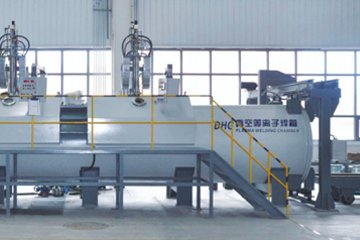
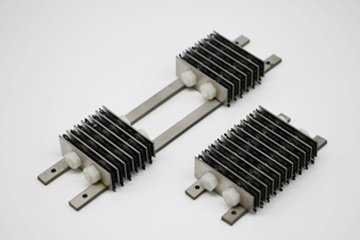
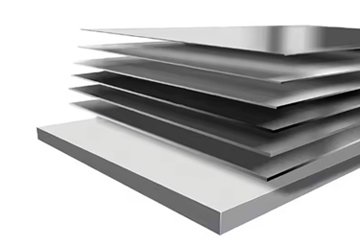
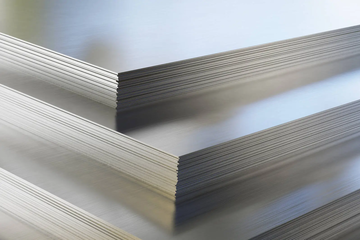
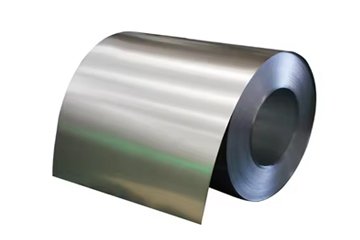
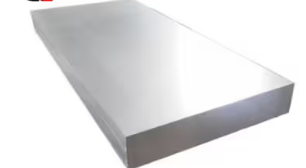
Standardized parts don't win in the EV market. We provide deep customization for corrosion resistant bipolar plates. Our facility specializes in the production of ultra-thin foils, ranging from 0.05mm to 5.0mm. These foils are engineered for precision stamping and hydroforming, ensuring that the flow channels for cooling or hydrogen are consistent to within microns.
Furthermore, we are pioneering the use of Ti-Ni shape memory alloys for dynamic pressure management. In an 800V battery pack, internal pressures change as cells expand and contract during fast charge cycles. Ti-Ni alloys can provide "smart" structural support that adapts to these changes, maintaining optimal contact pressure without the need for heavy mechanical fasteners.
2026 ROI Model: Material Costs vs. System-Level Efficiency Gains
Is titanium more expensive than steel? On a per-pound basis, yes. However, our 2026 cost-benefit analysis reveals that the Total Cost of Ownership (TCO) is actually lower for titanium-based 800V systems. By reducing weight by 45%, vehicles require less energy per mile, allowing for a smaller, cheaper battery pack to achieve the same range.
Recent studies from organizations like the International Energy Agency highlight that system-level efficiency is the primary driver of EV profitability. Titanium's ability to withstand higher operating temperatures also means the vehicle's cooling system can be downsized, further reducing complexity and cost.
Frequently Asked Questions
Why is 800V harder on materials than 400V?
Higher voltage increases the potential for electrolysis and galvanic corrosion. It also accelerates the degradation of dielectric coatings. Titanium’s stable oxide layer is uniquely suited to resist these accelerated electrochemical processes.
Can titanium bipolar plates be used in hydrogen fuel cells?
Absolutely. In fact, titanium is the industry standard for PEM fuel cells due to its ability to survive the highly acidic environment on the anode side while maintaining low contact resistance with proper coating.
What is the lead time for custom ultra-thin titanium foils?
At China Titanium Factory, our optimized 2026 supply chain allows for prototype production of 0.05mm foils in 3-4 weeks, with full-scale production scaling shortly after.
Ready to Upgrade Your 800V Architecture?
Don't let legacy materials bottleneck your EV performance. From ultra-thin foils to Ti-Ni shape memory alloys, we provide the titanium solutions that define 2026's leading vehicles.