



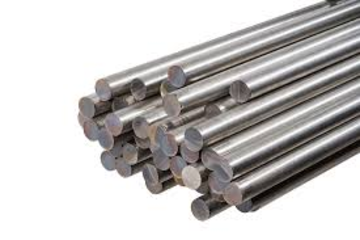









Managing a B2B supply chain for high-performance components requires more than just finding a shop that can cut metal. For industries like aerospace and medical devices, the transition from raw alloy to a finished, surface-treated part is where most risks emerge.
ChinaTitaniumFactory.com provides a streamlined solution by merging high-precision Titanium CNC machining and anodizing services into a single, cohesive production line.
What is Integrated Titanium CNC Machining and Anodizing?
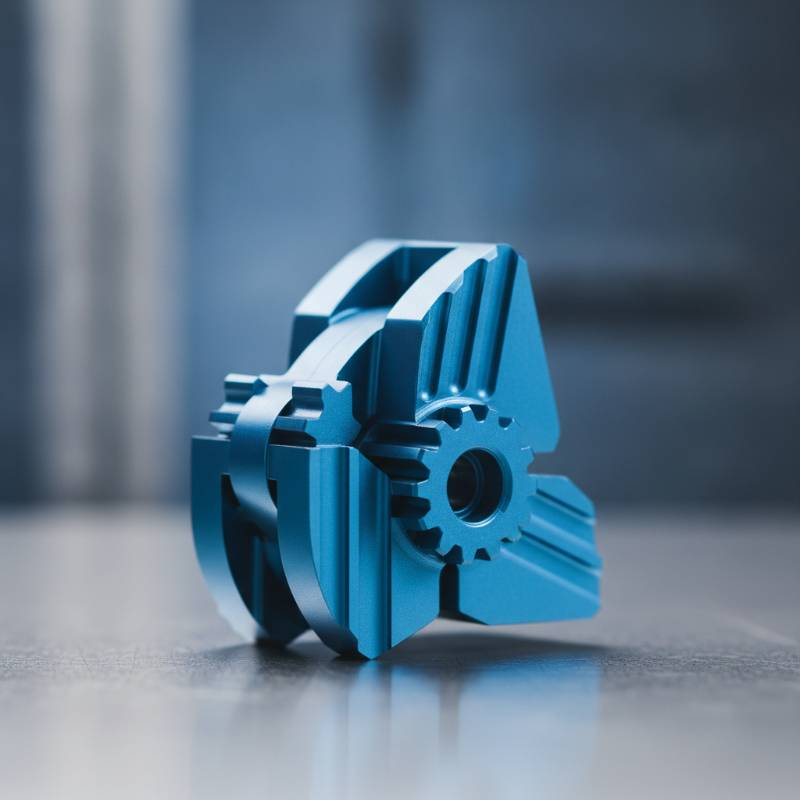
Integrated titanium manufacturing combines high-precision CNC milling or turning with electrochemical anodizing in a single continuous production flow. This vertical integration eliminates the need for separate vendors, ensuring that surface integrity is maintained from the first cut to the final color bath.
In 2026, the demand for CNC Machining Services that include in-house finishing has become the industry standard for risk mitigation. By controlling the environment, we prevent the natural oxidation of titanium from interfering with the electrolytic anodizing process.
"Precision in titanium manufacturing isn't just about the physical cut; it's about managing the chemical transition of the surface immediately post-machining." — Dr. Aris Thorne, Lead Metallurgical Engineer.
The Technical Advantage: Why Single-Source Production Wins
When CNC machining and anodizing happen in different facilities, microscopic residues of cutting fluids can dry inside blind holes. Once these fluids harden, standard acid-wash cycles often fail to remove them completely, leading to blotchy anodizing or total coating failure.
By keeping production under one roof, we wash parts in a controlled sequence before residues can polymerize. Furthermore, our engineers can adjust tool marks during the internal sampling stage specifically to accommodate the refractive index of the final anodizing luster.
This "Information Gain" approach means we don't just follow a drawing; we optimize the machining path to ensure the electrochemical reaction produces a perfectly uniform Type II or Type III finish. This level of synchronization is impossible when outsourcing finishing to a third party.
Data-Driven Efficiency: Faster Lead Times and Lower Scrap Rates
Our data indicates that vendor consolidation is the most effective way to lower the total cost of ownership (TCO) for titanium parts. In 2026, our integrated clients reported an average lead time reduction of 30-40% compared to multi-vendor setups.
| Metric | Multi-Vendor Setup | Integrated (Our Factory) |
|---|---|---|
| Average Lead Time | 6-8 Weeks | 3-4 Weeks |
| Scrap Rate (Surface) | 4.5% | < 0.8% |
| Dimensional Tolerance | +/- 0.02mm | +/- 0.005mm |
By maintaining +/- 0.005mm precision on 5-axis CNC lathes, we ensure that even after the microscopic material removal of the anodizing process, the final dimensions remain within strict aerospace tolerances.
The Integrated Titanium Integrity Protocol (ITIP)
We utilize a proprietary manufacturing framework called the Integrated Titanium Integrity Protocol (ITIP). This methodology ensures that every titanium parts supplier action is documented and optimized for surface engineering.
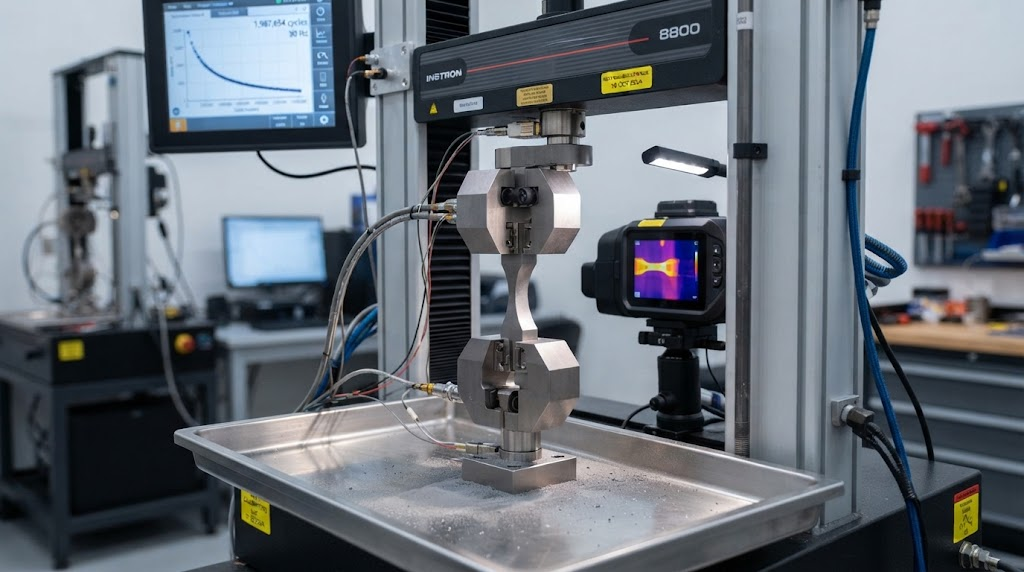
Material Validation: Ultrasonic testing of Grade 5 (Ti-6Al-4V) billets to ensure zero internal voids.
Thermal-Controlled Machining: Utilizing Swiss screw machining with high-pressure coolant to prevent work hardening.
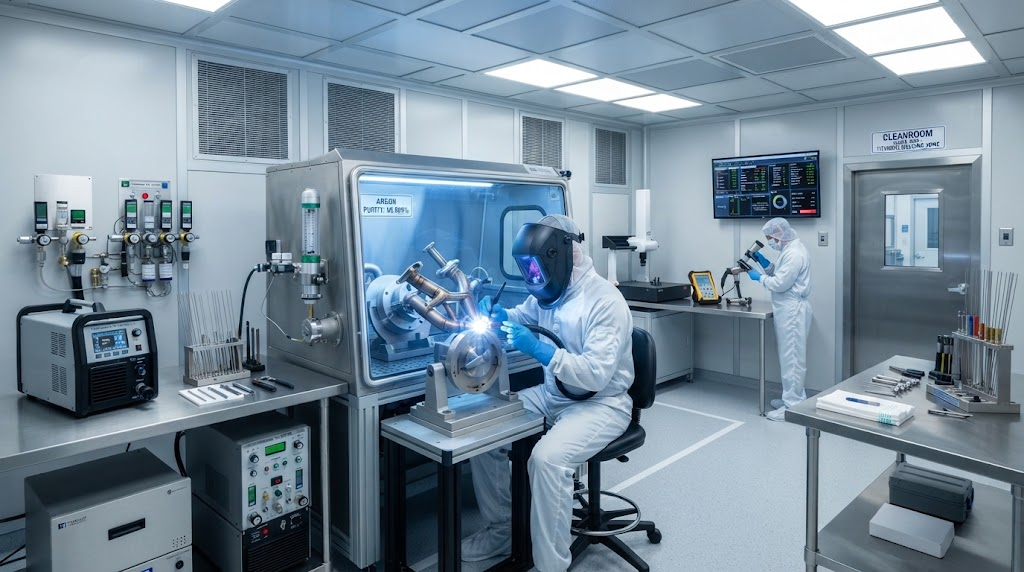
Cleanroom Anodizing: Immediate transfer to a dust-free environment for Type III hard anodizing or color spectrum applications.
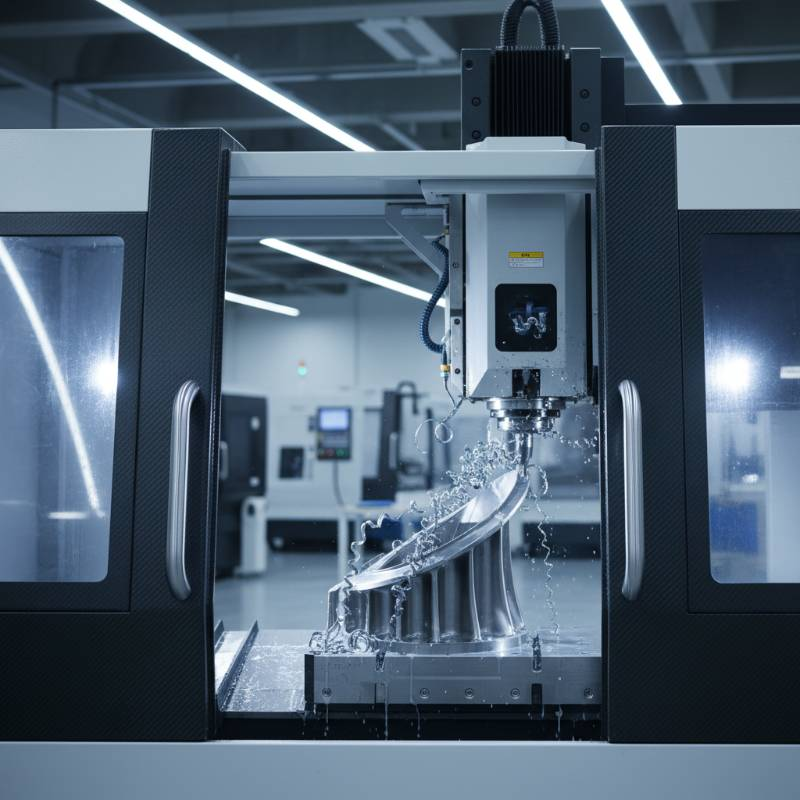
Inside Our Facility: 5-Axis CNC and Cleanroom Anodizing
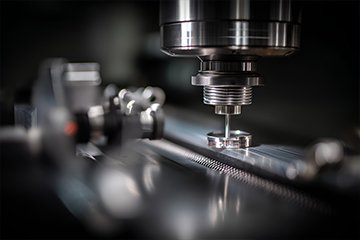
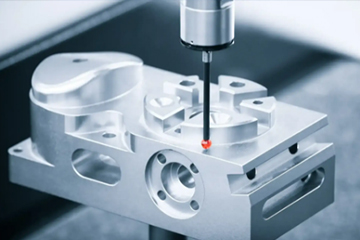
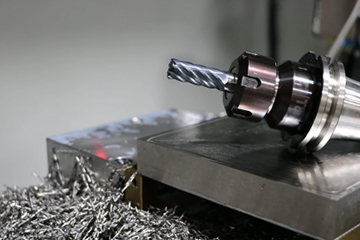
Our workshop floor features state-of-the-art 5-axis CNC lathes and milling centers. This equipment allows us to machine complex geometries in a single setup, which is critical for maintaining the concentricity required in Medical Device Components.
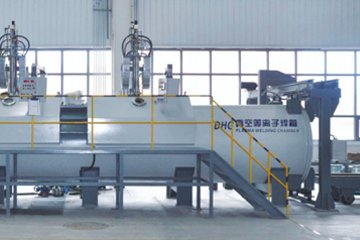
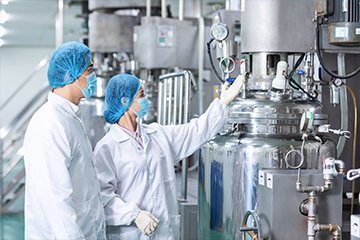
The anodizing workshop is a strictly controlled, dust-free environment. We use titanium-specific electrolytes and precise voltage control to achieve a wide color spectrum without the use of organic dyes, preserving the biocompatibility of the parts.
Our commitment to quality is backed by ISO 9001 and AS9100 certifications, ensuring full material traceability for every batch produced.
Anodizing Color Spectrum and Cost Drivers
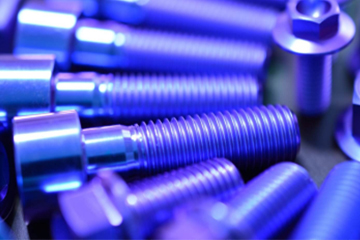
Titanium anodizing is an interference-color process. The thickness of the oxide layer, controlled by voltage, dictates the color. Type II anodizing is primarily used for wear resistance and galling prevention, while Type III (Hard Anodizing) provides maximum surface protection.
Cost drivers for Surface Finishing Solutions include:
Racking Complexity: How the part is held during the electrochemical bath.
Voltage Requirements: Higher voltages for certain colors (like greens and pinks) require more energy and tighter control.
Batch Size: Integrated setups allow us to scale from prototype to high-volume production seamlessly.
Sustainability in Titanium Processing
Titanium is 100% recyclable. We minimize our environmental impact through closed-loop chemical management systems that neutralize acid waste. In 2026, we provide carbon offset reporting for all B2B contracts, helping our partners meet their ESG (Environmental, Social, and Governance) targets.
For more technical data on titanium properties, refer to the ASTM International standards for titanium alloys.
Get Your 24-Hour Design for Manufacturing (DFA) Analysis
Don't wait weeks for a quote. Our engineering team provides a comprehensive Design for Manufacturing (DFA) analysis within 24 hours of your inquiry. We evaluate your 3D drawings (STEP, IGES, or SolidWorks files) for machining feasibility and anodizing uniformity.
Ready to Secure Your Supply Chain?
Upload your 3D drawings today for a 24-hour DFA and an integrated manufacturing quote.
Upload Drawings NowFrequently Asked Questions
Is anodized titanium still biocompatible?
Yes. Because titanium anodizing creates a natural oxide layer rather than adding a foreign coating or dye, the parts remain fully biocompatible and suitable for medical implants.
Does anodizing change the dimensions of the part?
Anodizing involves a very thin layer (often less than 1 micron). However, for +/- 0.005mm tolerances, we factor this growth into our initial CNC machining parameters to ensure the final product is perfect.
What is the typical lead time for global shipping?
Once production is complete, we offer express air freight options that deliver to the US, Europe, or Australia within 3-5 business days, ensuring your production line never stops.