

















Titanium Expanded Mesh vs. Woven Wire Mesh: Selecting the Optimal Substrate
Choosing between titanium expanded mesh and titanium woven wire mesh isn't just about cost—it's about the physics of your electrochemical environment. In 2026, as green hydrogen production scales globally, the efficiency of your substrate determines the lifespan of your electrodes.
At China Titanium Factory, we've observed that material selection often hinges on the balance between mechanical rigidity and surface area. While both materials resist corrosion, their performance in high-current density applications differs significantly.
Understanding the Manufacturing Process: Plate Stretching vs. Wire Weaving
Titanium expanded mesh provides superior dimensional stability and rigid electrical contact points, whereas woven mesh offers higher flexibility and precision for fine sieving (up to 400 mesh). The choice depends on whether your priority is structural support for coatings or micro-filtration.
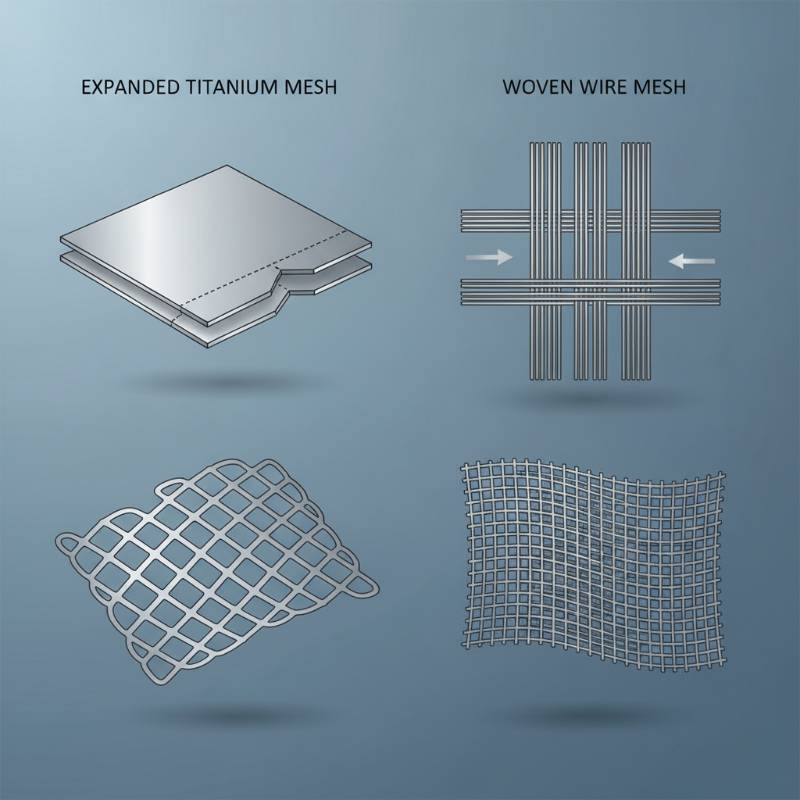
The core difference lies in the fabrication. Titanium expanded mesh is produced by slitting and stretching a solid titanium plate. This creates a "one-piece" structure with no joints or welds. This integrity is vital for maintaining uniform current distribution.
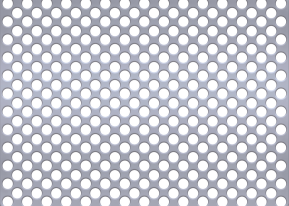
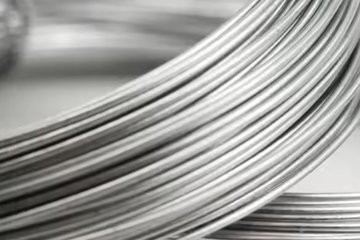
In contrast, titanium woven wire mesh is created by interlacing individual titanium wires. While this allows for much finer apertures, the overlapping wires create contact resistance at every junction. For those requiring ultra-thin, high-pressure components, titanium stamped mesh offers a middle ground, often used in specialized fuel cell stacks where precise thickness is non-negotiable.
"Expanded metal is a versatile material that provides a high strength-to-weight ratio and is increasingly used in energy storage systems due to its monolithic structure." — Referencing Recent Material Science Trends.
Performance Benchmark: Dimensional Stability and Precision
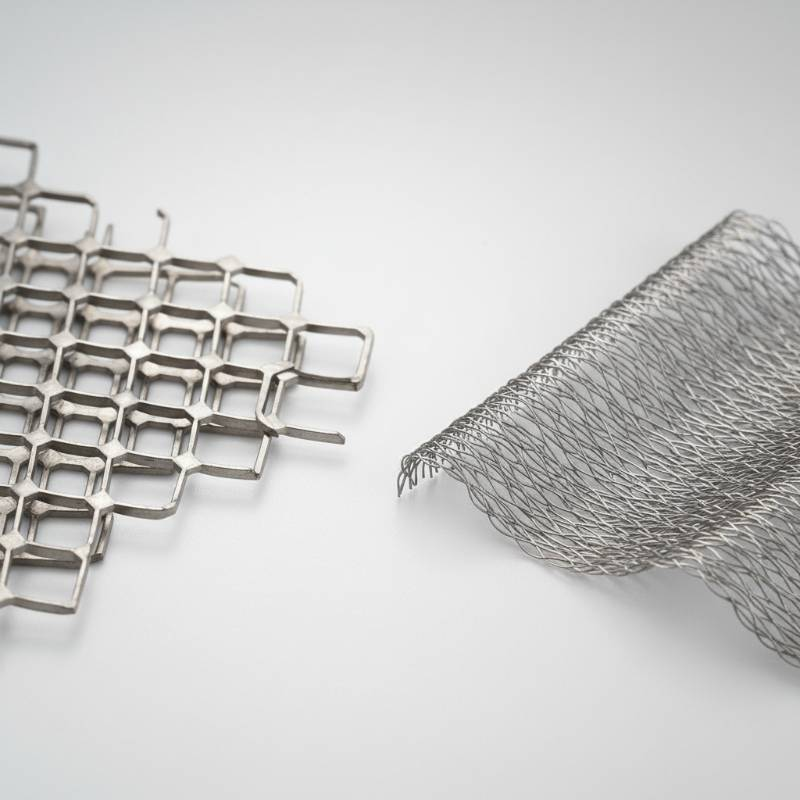
In our testing, the "rigid node" structure of expanded mesh prevents the warping often seen in woven materials under thermal stress. When you apply a Precious Metal Oxide (PMO) coating, the expanded mesh acts as a solid skeleton, ensuring the catalyst layer remains intact for years.
However, titanium woven wire mesh wins on precision. If your application requires filtering particles smaller than 50 microns, weaving is the only viable path. Weaving allows for a "400 mesh" count, providing a level of granularity that plate-stretching cannot replicate.
The Titanium Matrix Efficiency Protocol (TMEP): Our Proprietary Selection Framework
To assist engineers, we define the Titanium Matrix Efficiency Protocol (TMEP). This 3-step framework ensures you don't over-engineer or under-perform:
Phase 1: Current Density Analysis. If your current exceeds 2000 A/m², choose expanded mesh to minimize heat build-up at contact points.
Phase 2: Flow Dynamics. Use the diamond aperture of expanded mesh to induce turbulence in electrolytes, which helps in gas bubble detachment.
Phase 3: Mechanical Stress. For high-vibration environments, the monolithic nature of expanded mesh eliminates the risk of "wire fraying" or unravelling.
Electrochemical Applications: From Hydrogen Production to Water Treatment
The surge in Hydrogen production electrolyzers has made titanium expanded mesh the industry standard for PEM and Alkaline electrolyzer anodes. Its ability to support heavy catalyst loading while remaining permeable to gas is unmatched.
In the Chlor-alkali industry, woven mesh is sometimes preferred for cathode protection where flexibility allows the mesh to conform to slightly uneven cell frames. For water treatment electrodes, the choice often comes down to the specific debris being filtered versus the electrochemical surface area required for oxidation.
Technical Specifications: Diamond vs. Square Hole Geometry
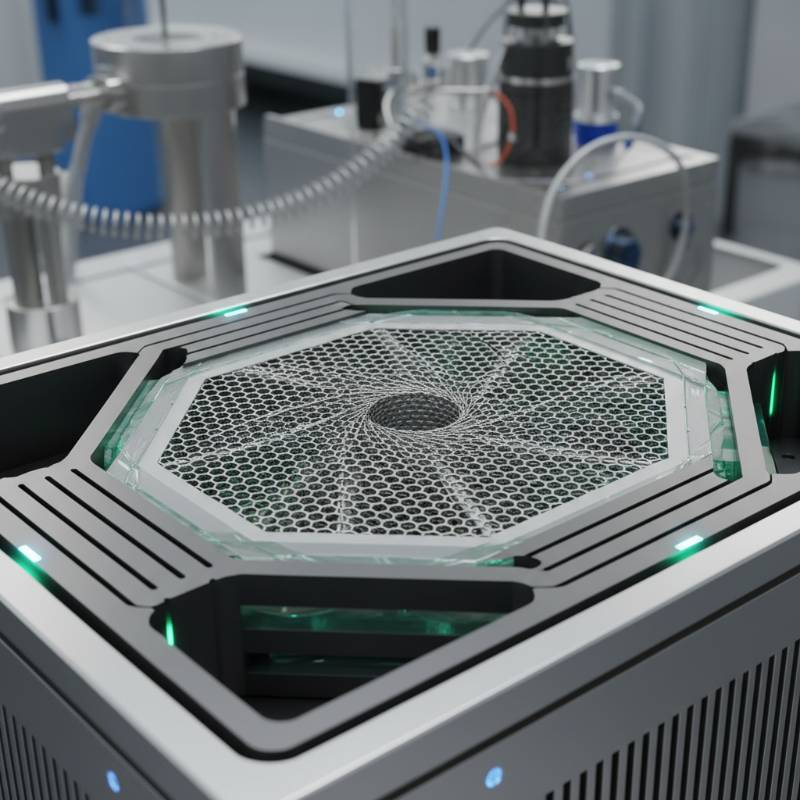
Understanding the geometry is crucial for flow calculations. Titanium expanded mesh uses a diamond pattern defined by SWD (Short Way of Design) and LWD (Long Way of Design).
| Feature | Expanded Mesh | Woven Wire Mesh |
|---|---|---|
| Hole Shape | Diamond / Hexagonal | Square / Rectangular |
| Standard Metrics | SWD, LWD, Strand Width | Mesh Count, Wire Diameter |
| Max Precision | Approx. 0.5mm opening | Up to 0.038mm (400 mesh) |
Our facility offers custom SWD/LWD configurations to match specific flow-through requirements in redox flow batteries and advanced desalination systems.
Economics and Sustainability: Long-Term ROI and Carbon Footprint
Based on our data, expanded metal manufacturing is inherently more sustainable. Because the plate is slit and stretched, there is virtually zero material waste. In contrast, weaving involves wire drawing processes that consume more energy and can result in scrap during the loom setup.
From an ROI perspective, the durability of titanium woven wire mesh in filtration is excellent, but in electrochemical cells, the frequent replacement costs of sagging woven anodes often make expanded mesh the cheaper long-term investment.
Frequently Asked Questions
Which mesh is better for MMO coating?
Expanded mesh is generally superior for Mixed Metal Oxide (MMO) coatings. The solid nodes provide a stable base that prevents the coating from cracking during thermal cycling in the electrolytic cell.
Can titanium mesh be used in seawater?
Yes, both types offer exceptional resistance to chloride-induced corrosion. Titanium forms a protective oxide layer that makes it the preferred material for marine and desalination environments.
What is the thinnest possible titanium mesh?
Woven mesh can be produced with very fine wires, reaching thicknesses as low as 0.05mm. Expanded mesh typically starts at 0.1mm thickness for specialized micro-expanded versions.
Optimize Your Electrochemical Performance
Don't let poor substrate choice bottleneck your efficiency. Whether you need the rigid stability of expanded mesh or the precision of woven wire, our engineers are ready to assist.
Get a Technical Consultation Today