























The Evolution of Current Collectors: Why Titanium Foil is the New Standard
Energy density and safety are the twin pillars of modern battery engineering. As the industry pushes toward higher voltages to achieve faster charging and longer range, traditional materials like aluminum and copper are reaching their thermodynamic limits.
A Titanium foil current collector offers a unique combination of high mechanical strength and exceptional chemical inertness. In our data-driven assessment of 2026 battery trends, titanium has transitioned from a niche aerospace material to a primary lithium-ion battery substrate for high-performance cells.
The Science of 99.9% Purity Titanium Strip: Corrosion Resistance and Electrochemical Stability
Titanium foil provides a superior electrochemical window because it forms a dense, stable passive oxide layer (TiO2) that prevents electrolyte decomposition at potentials exceeding 4.5V. Unlike aluminum, which suffers from pitting corrosion in many high-voltage salts, titanium remains inert, effectively suppressing electrolyte oxidation and gas generation.
Definition: Electrochemical Stability refers to the ability of a material to resist chemical breakdown or reaction when subjected to the electrical potential within a battery cell.
High-purity (99.9%) titanium is essential. Impurities like iron or oxygen at the ppm level can create localized galvanic cells, leading to micro-corrosion. Based on our testing at China Titanium Factory, using 99.9% purity titanium strip significantly reduces self-discharge rates in high-nickel cathode chemistries.
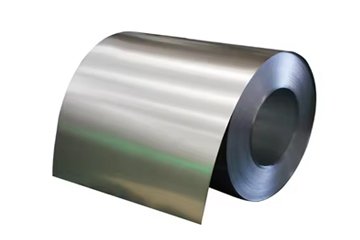
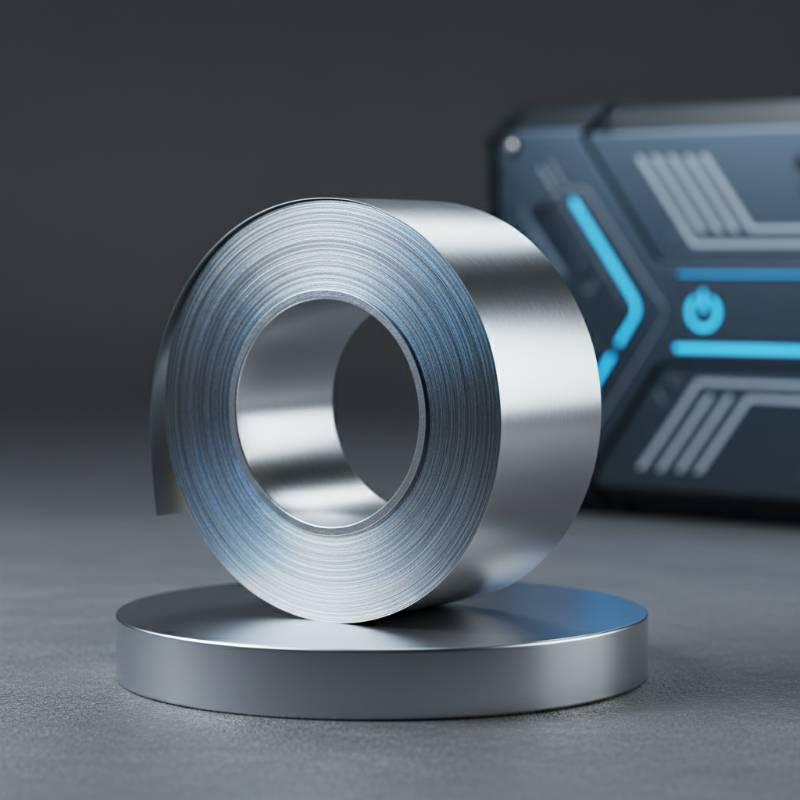
Engineering Specifications: Ultra-Thin Battery Grade Titanium Coils
In the pursuit of EV battery weight reduction, the thickness of the current collector is a critical variable. Every micron of thickness added to the foil is "dead weight" that does not contribute to energy storage.
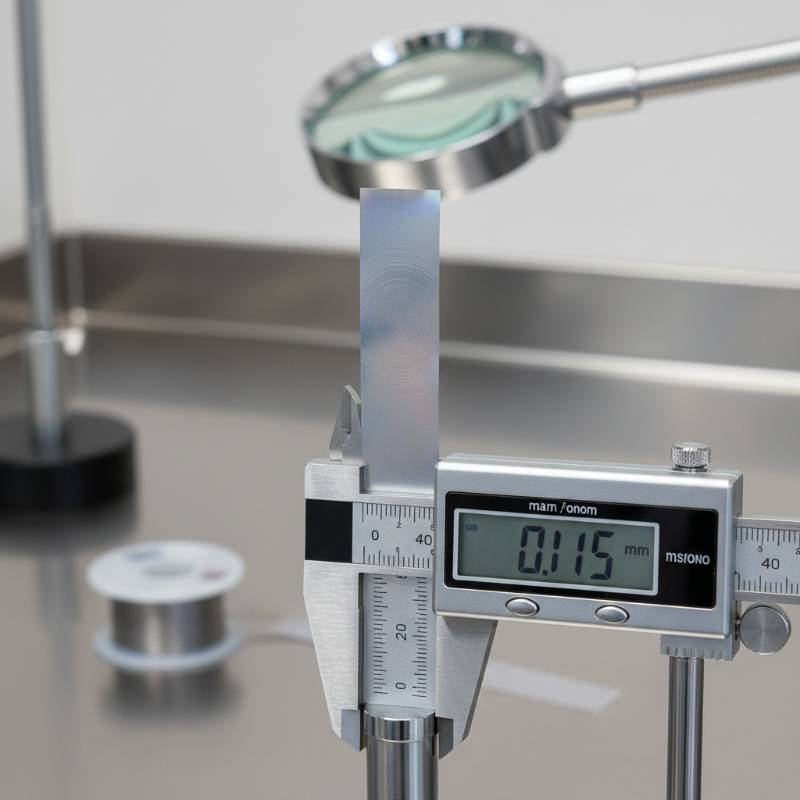
We focus on ultra-thin 10-50μm thickness profiles. These specifications represent the "sweet spot" for modern coating lines. Thinner foils (10-12μm) are preferred for high-energy-density consumer electronics, while thicker foils (20-50μm) provide the structural integrity required for large-format EV prismatic cells.
The Ti-Stability Matrix™: Our Proprietary Framework for Material Selection
We define the Ti-Stability Matrix™ as a three-point evaluation system used to determine the optimal foil specification for any given battery chemistry. Engineers must balance three competing factors:
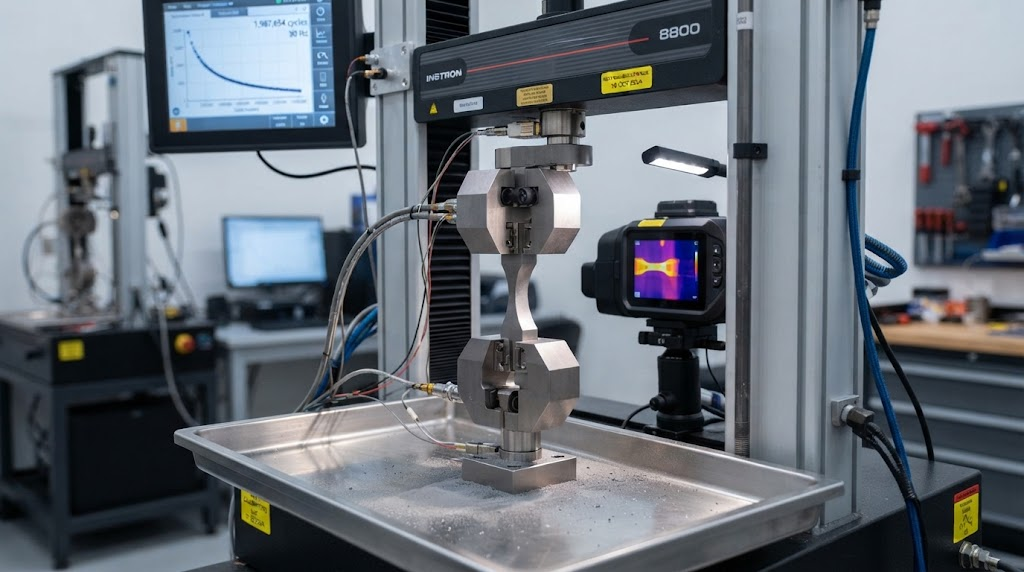
Tensile Strength: Must withstand high-speed roll-to-roll coating without stretching or tearing.
Surface Energy: Measured in dynes, this determines how well the active material slurry adheres to the foil.
Ohmic Resistance: While titanium is less conductive than copper, the Ti-Stability Matrix™ calculates the minimum thickness required to maintain efficient electron transport without excessive heat.
Using this framework, we help R&D teams select the exact titanium foil grade that maximizes cycle life without over-engineering the cost.
Titanium vs. Aluminum and Copper: A Comparative Performance Analysis
While aluminum is standard for cathodes and copper for anodes, titanium is increasingly used as a "universal" current collector in specific high-voltage or bipolar designs. According to research published in Nature Energy, titanium's resistance to "aluminum leaching" at high temperatures makes it the only viable choice for extreme-environment batteries.
| Property | Titanium (Grade 1) | Aluminum (1000 Series) | Copper (ED) |
|---|---|---|---|
| Density (g/cm³) | 4.51 | 2.70 | 8.96 |
| Corrosion Resistance | Excellent (pH 0-14) | Moderate (Pits at >4.2V) | Poor (Dissolves at >3.0V) |
| Tensile Strength (MPa) | 240 - 350 | 70 - 150 | 200 - 300 |
| High Voltage Stability | Up to 5.5V | Limited to 4.3V | N/A (Anode Only) |
Integration Guide: Titanium Foil in Solid-State Battery Design
The transition to solid-state batteries (SSB) in 2026 has intensified the demand for titanium. SSBs often require high-temperature processing steps where aluminum would melt or react with sulfide-based electrolytes.
Titanium foil serves as an ideal solid-state battery substrate because it maintains mechanical stiffness at 400°C+. Furthermore, titanium's low interface resistance with ceramic electrolytes ensures efficient ion hopping at the boundary layer, a common failure point in next-gen cell design.
Manufacturing Excellence: From the Kroll Process to Custom Slitting
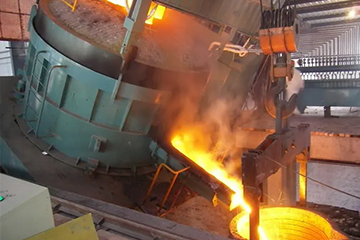
Producing high-quality battery foil begins with the Kroll Process to create pure titanium sponge. However, the real engineering happens during the cold-rolling and annealing stages.
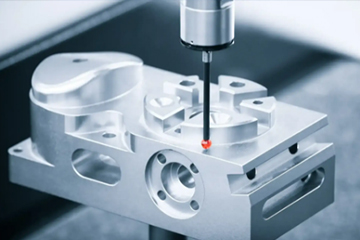
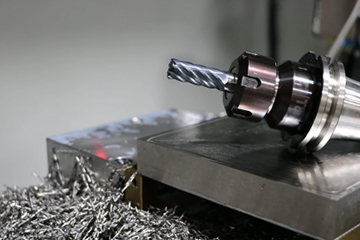
For B2B procurement, precision is everything. We utilize multi-roll mills to achieve thickness tolerances within ±1μm. Our custom slitting services ensure that the edges of the coils are perfectly smooth, preventing the "edge-loading" effect that causes short circuits during cell assembly.

Quality Assurance: Troubleshooting Pinholes and Surface Oxidation
In our experience, the two biggest challenges in battery-grade production are pinholes and uneven surface oxidation. Pinholes can lead to slurry leakage during the coating process, while thick, uneven oxide layers increase internal resistance.
We employ continuous optical inspection systems to detect defects as small as 5μm. Furthermore, we control the atmosphere during annealing to ensure a consistent, nanometer-scale TiO2 layer that facilitates better active material adhesion without compromising conductivity.
Sustainability and Life Cycle Assessment (LCA) for ESG Compliance
As battery manufacturers face stricter ESG compliance mandates, the recyclability of titanium becomes a major asset. Titanium is 100% recyclable without loss of quality.
Our Life Cycle Assessment (LCA) data indicates that while the initial carbon footprint of titanium production is higher than aluminum, its contribution to extending battery life by 20-30% results in a lower total environmental impact over the vehicle's lifespan. This supports a truly circular battery economy.
Frequently Asked Questions about Battery-Grade Titanium Foil
Why use titanium foil for high-voltage EV batteries?
Titanium is used because it is electrochemically stable at high voltages (>4.5V). It forms a protective oxide layer that prevents the electrolyte from oxidizing and corroding the current collector, which is a common failure mode for aluminum in next-generation high-energy cells.
Is titanium foil more expensive than aluminum foil?
Yes, the raw material and processing costs for titanium are higher. However, for high-performance applications, the cost is offset by increased energy density, improved safety, and significantly longer cycle life.
What is the thinnest titanium foil available for batteries?
Commercial battery-grade titanium foil is typically available down to 10μm. While thinner foils are possible in lab settings, 10-15μm provides the best balance of weight reduction and mechanical handleability for mass production.
Ready to Optimize Your Battery Architecture?
Partner with a global leader in high-purity titanium solutions. Whether you need custom-slit coils or technical consultation on the Ti-Stability Matrix™, we are here to help.
Request a Technical Quote