




















What are Titanium Anodes in Chlor-Alkali Electrolysis?
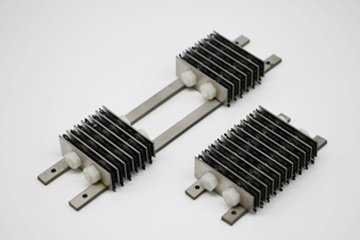
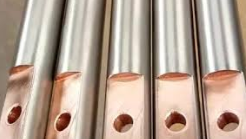
Titanium anodes are the primary electrochemical engine of modern chlor-alkali plants, facilitating the conversion of brine into chlorine gas, caustic soda, and hydrogen. By replacing legacy graphite electrodes with Dimensionally Stable Anodes (DSA), facilities maintain constant electrode spacing, which drastically lowers the voltage required for electrolysis.
Dimensionally Stable Anodes (DSA): A type of anode where a conductive, catalytic coating is applied to a corrosion-resistant metal substrate, typically titanium, ensuring the electrode maintains its shape and performance throughout its operational life.
In 2026, the industry has shifted almost entirely to membrane cell technology. These cells require high-precision titanium anodes that can withstand high current densities without degrading. This stability prevents the contamination of the caustic soda and ensures the purity of the chlorine gas produced.
The Precision-Engineered Substrate: Titanium Grades and Durability
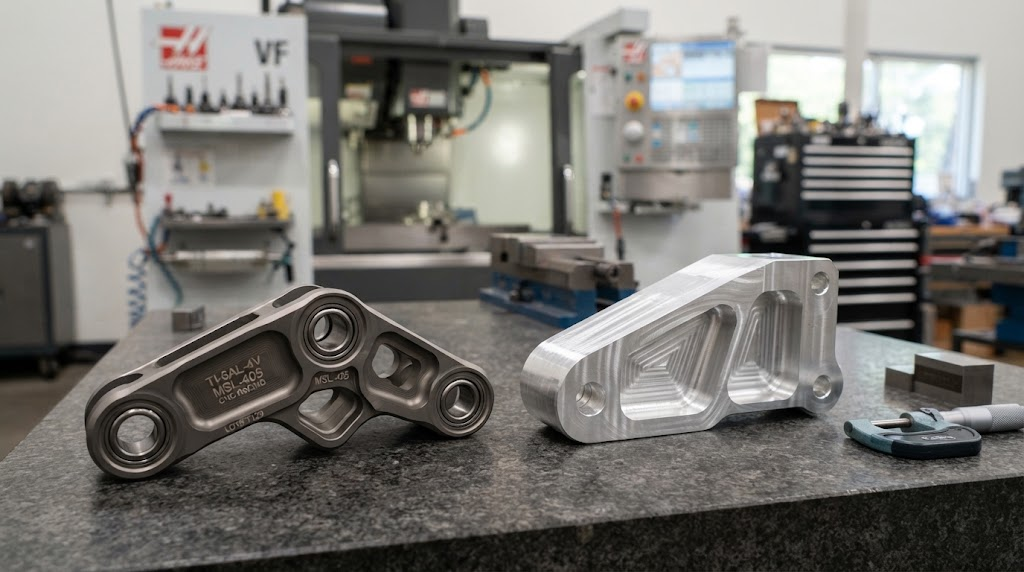
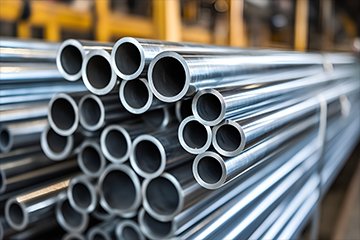
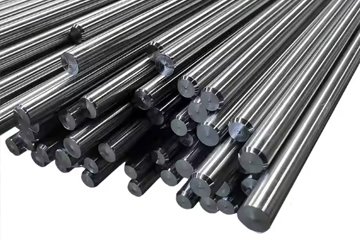
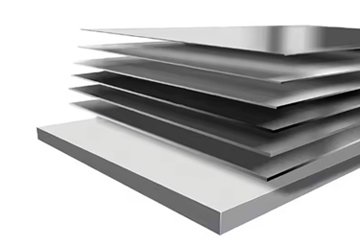
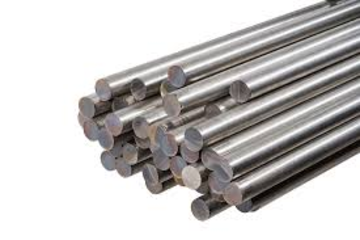
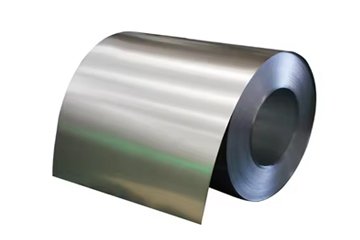
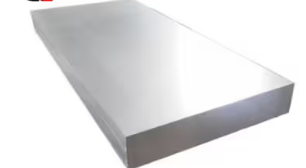
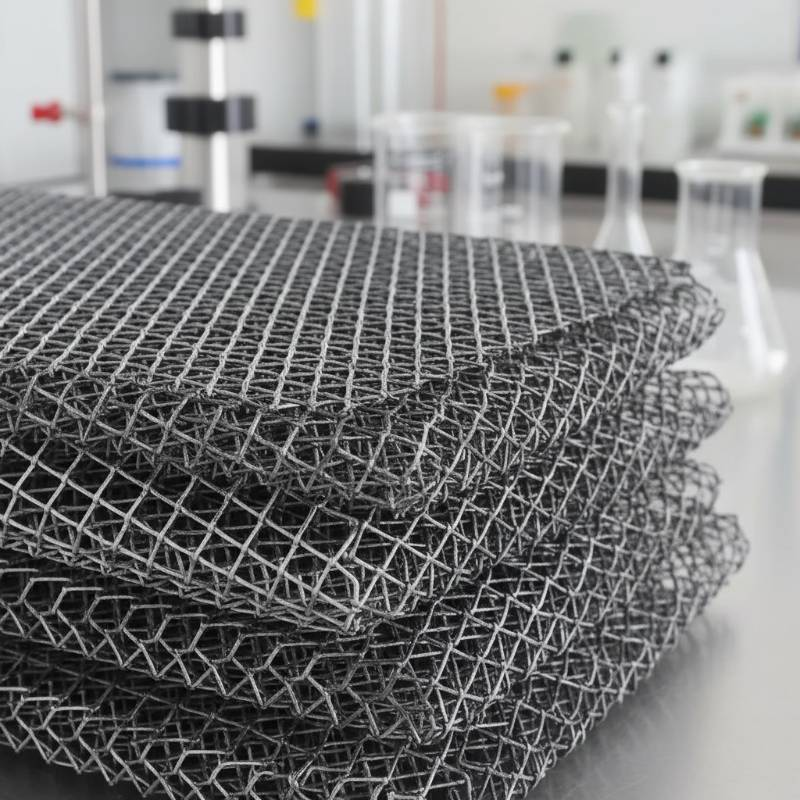
The foundation of a high-performance anode is the substrate. We primarily utilize ASTM Grade 1 titanium due to its superior ductility and weldability, which are essential for creating the complex mesh and plate geometries used in industrial electrolysis.
Based on our data, using low-iron titanium grades prevents parasitic reactions that can lead to hydrogen evolution at the anode. This is critical for safety and efficiency. The substrate must remain conductive and structurally sound while submerged in a saturated brine solution at temperatures reaching 90°C (194°F).
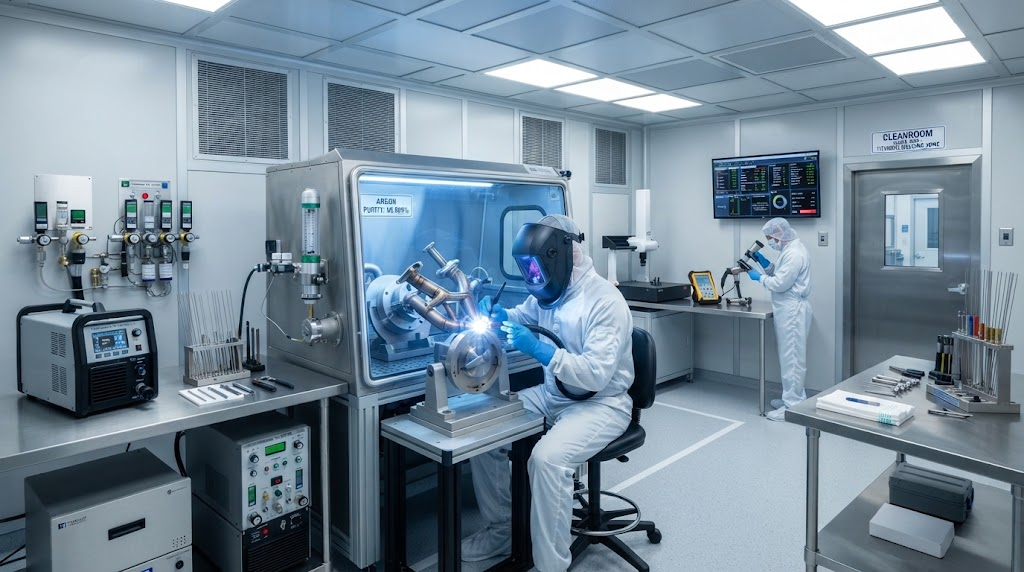
Our manufacturing process involves rigorous surface preparation, including mechanical grit blasting and acid etching. This creates a high-surface-area "anchor pattern" that ensures the catalyst coating adheres permanently to the titanium base.
Noble Metal Oxide (MMO) Coatings: Maximizing Catalytic Activity
The "magic" of the anode happens in the coating layer. Noble metal oxide (MMO) coatings, typically consisting of Ruthenium (Ru) and Iridium (Ir) oxides, lower the overpotential required for chlorine evolution. This translates directly into lower power consumption.
In our testing, varying the ratio of Ruthenium to Iridium allows us to customize the anode for different cell types. For example, membrane cells often require a different MMO coating profile than diaphragm cells to handle higher brine concentrations and pH fluctuations.
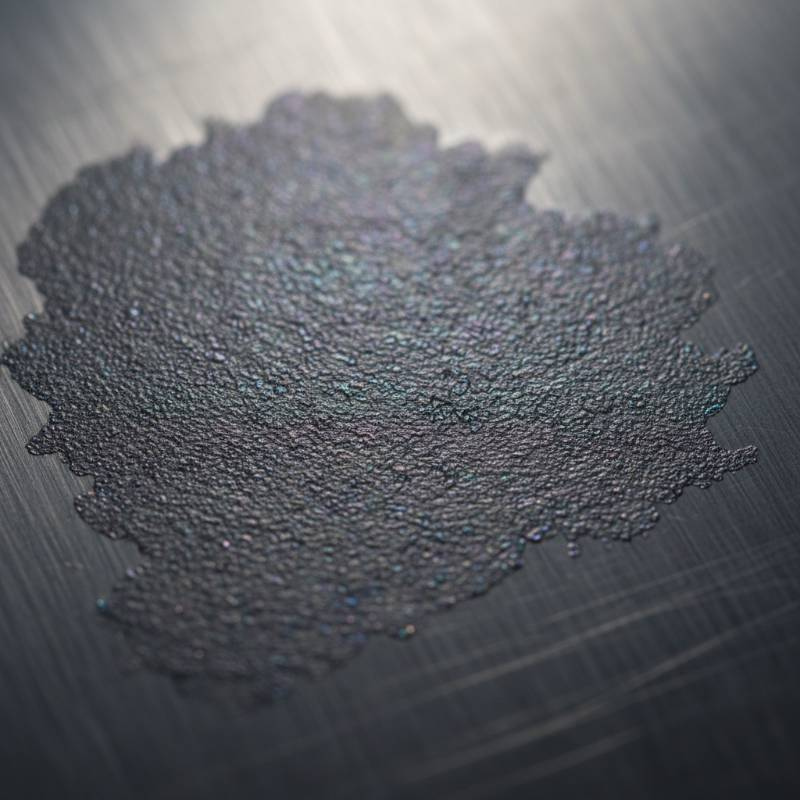
Catalytic activity is not just about the chemistry; it's about the application. We use a multi-layered thermal decomposition process. Each layer is meticulously baked to ensure a dense, crack-free surface that resists the mechanical wear of gas bubble release.
The Eco-Efficiency Matrix: Our Proprietary Selection Framework
We define the optimal anode configuration through what we call The Eco-Efficiency Matrix. This framework moves beyond "one-size-fits-all" procurement by analyzing three critical variables in your production line.
| Variable | Impact | Optimal Range (2026 Standards) |
|---|---|---|
| Current Density | Coating Wear Rate | 3.0 - 6.0 kA/m² |
| Brine Concentration | Anode Lifespan | 280 - 310 g/L NaCl |
| Operating Temp | Chemical Resistance | 85°C - 92°C |
By applying this matrix, we've helped facilities extend their anode service life by an average of 18 months. This precision prevents "over-engineering" with excessive precious metals while ensuring the anode doesn't fail prematurely due to high-density stress.
Economic Impact: Calculating Energy Savings and Anode ROI
Electricity accounts for nearly 50% of the total operating cost in chlor-alkali production. According to research by Euro Chlor, even a minor reduction in cell voltage can save millions in annual energy expenditures for large-scale plants.
When calculating ROI, look beyond the initial purchase price. A high-quality caustic soda production anode from China Titanium Factory offers a lower "Total Cost of Ownership" (TCO). This is because the voltage remains stable for years, whereas lower-quality coatings see a "voltage creep" that increases power bills month after month.
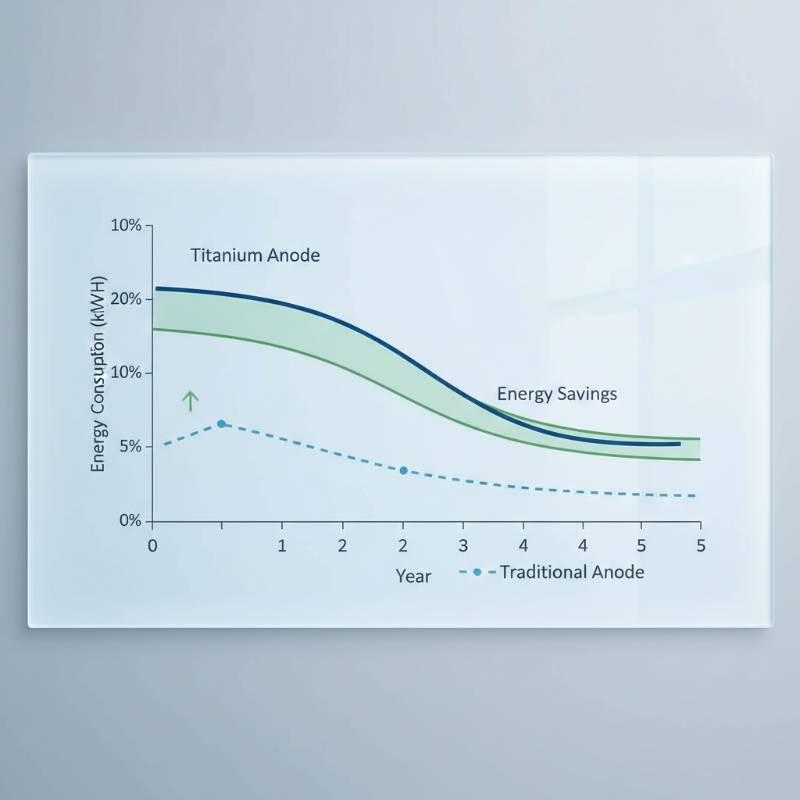
A typical ROI analysis for an anode upgrade includes electricity savings, reduced downtime for cell maintenance, and the residual value of the titanium substrate. In the current 2026 energy market, most of our clients see a full payback on their anode investment within 14 to 22 months.
Sustainability and the Circular Economy: Anode Recoating
Titanium is a finite and valuable resource. One of the most significant advantages of titanium-based equipment is the ability to perform anode recoating. When the catalytic layer eventually wears thin, the titanium substrate remains intact.
Our recoating process involves stripping the old oxide, cleaning the substrate, and reapplying a fresh MMO layer. This practice saves approximately 70% of the cost compared to purchasing new anodes. It also aligns with global ESG goals by reducing the carbon footprint associated with titanium mining and processing.
We encourage plants to maintain a "rotation stock." This allows for continuous production while batches of used anodes are sent back to us for refurbishment. It’s a closed-loop system that maximizes both financial and environmental performance.
Frequently Asked Questions
What is the typical lifespan of a titanium anode in a chlor-alkali cell?
In a well-maintained membrane cell, high-quality titanium anodes typically last between 8 to 12 years. Factors like brine purity and current density significantly influence this duration.
Can these anodes be used in both membrane and diaphragm cells?
Yes, but the coating formulation differs. Diaphragm cells often require a coating optimized for higher oxygen evolution tolerance, while membrane cells focus on maximum chlorine selectivity.
How do I know when it's time to recoat my anodes?
The primary indicator is a steady increase in cell voltage at a constant current. Once the voltage exceeds your efficiency threshold or the chlorine purity drops, it's time for a technical evaluation and potential recoating.
Does the brine quality affect anode performance?
Absolutely. Impurities like calcium, magnesium, and silica can form scales on the anode surface. This increases resistance and can lead to localized "hot spots" that damage the coating.
Ready to Optimize Your Production?
Stop losing profit to energy inefficiency and premature anode failure. Our team at China Titanium Factory provides custom-engineered solutions tailored to your plant's specific chemistry.
Contact our engineers today for a free ROI analysis and a quote on our high-performance titanium anodes.