

















Why Anodized Titanium is the Gold Standard for Piercings
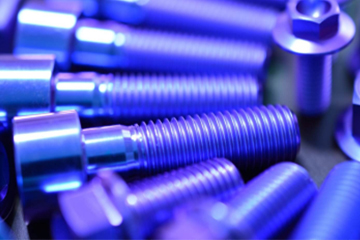
Titanium anodizing is an electrochemical process that increases the thickness of the natural oxide layer on the surface of titanium parts. This process does not use dyes or pigments; instead, it manipulates light refraction to create a spectrum of "interference colors" that are inherently biocompatible.
For the B2B jewelry sector, anodizing provides a permanent, vibrant finish that locks in trace elements and prevents nickel release. This makes it the only viable choice for initial piercings and long-term medical implants where patient safety is paramount.
Titanium Anodization: An electrolytic finishing process that uses voltage to grow a transparent titanium dioxide (TiO2) layer. The thickness of this layer determines the perceived color through the Refractive Index of light, rather than chemical additives.
The Ultra-Luster Protocol: Achieving Ra < 0.1 Mirror Finishes
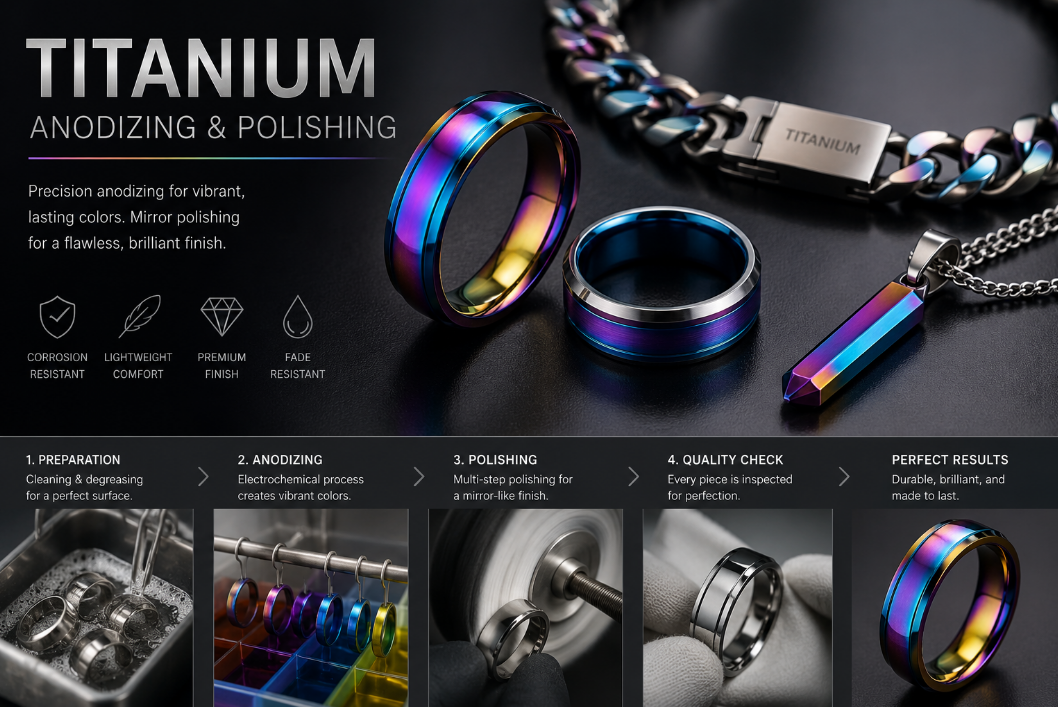
At China Titanium Factory, we have engineered the Ultra-Luster Protocol, a proprietary multi-stage finishing sequence designed specifically for high-end jewelry. Surface roughness (Ra) directly dictates the saturation and "pop" of the final anodized color.
Our data shows that a surface finish of Ra < 0.1 microns maximizes light reflectivity. Without this level of precision, the anodic oxide layer appears dull or matte, failing to meet the aesthetic standards of luxury brands. We achieve this through a combination of mechanical Titanium Surface Finishing Solutions and final-stage electropolishing.
The Ultra-Luster Steps:
Coarse Deburring: Removing CNC tool marks and edge artifacts.
Centrifugal Polishing: High-energy finishing to level the surface profile.
Precision Buffing: Utilizing specialized compounds to reach the mirror-like state.
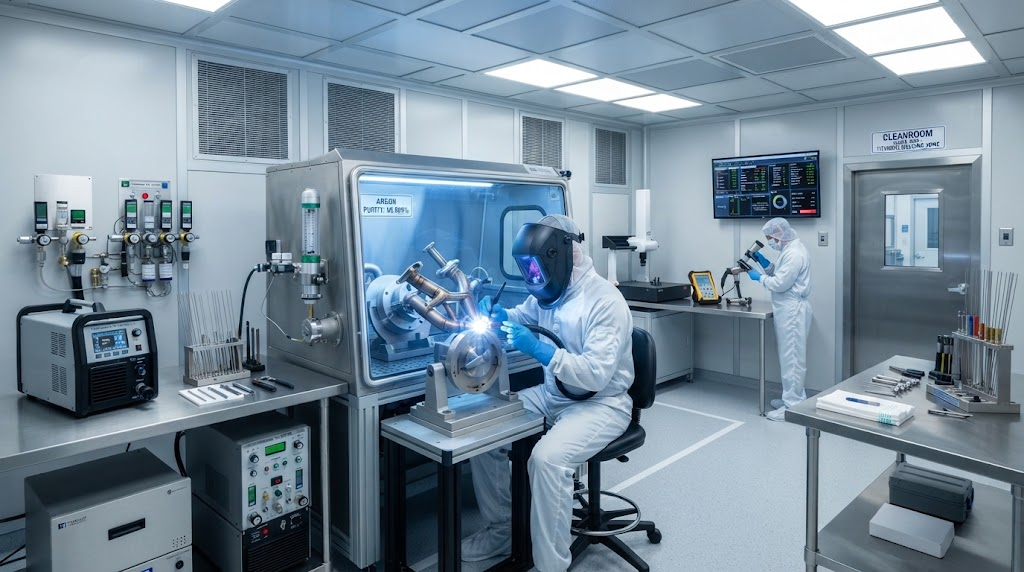
Electropolishing: An electrochemical bath that removes microscopic peaks, ensuring the surface is chemically clean.
ASTM F136 Substrate Excellence in Jewelry Manufacturing
The success of the anodizing process is heavily dependent on the metallurgical integrity of the substrate. While Grade 1 and Grade 2 titanium are common in industrial applications, the jewelry industry demands ASTM F136 Titanium Properties (Ti-6Al-4V ELI).
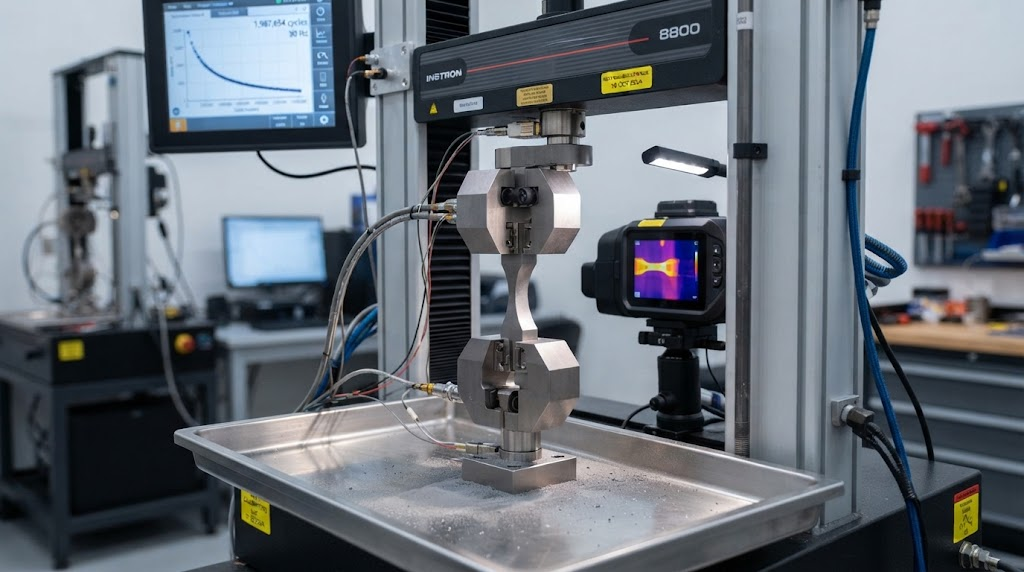
ASTM F136 is an "Extra Low Interstitial" alloy, meaning it has strictly controlled levels of oxygen, nitrogen, and iron. This purity ensures that the oxide layer thickness grows uniformly during voltage application. In our laboratory testing, ASTM F136 consistently yields higher color repeatability and superior corrosion resistance compared to commercial-grade alternatives.
| Property | ASTM F67 (Grade 2) | ASTM F136 (Gr 23) |
|---|---|---|
| Biocompatibility | High | Implant Grade (Highest) |
| Color Saturation | Moderate | Excellent |
| Tensile Strength | 345 MPa | 860 MPa |
Automated vs. Manual Polishing for Mass Production
Scale is the primary challenge for B2B jewelry brands. While manual hand-polishing offers unparalleled detail for bespoke pieces, Centrifugal Disc Finishing is the engine of mass production. This method uses high-speed rotation to force jewelry parts against abrasive media, achieving a uniform finish across thousands of units simultaneously.
For intricate body jewelry designs—such as internal threading or complex filigree—we utilize Vibratory Tumbling. This ensures that every crevice is reached by the finishing media, maintaining batch consistency that is impossible to replicate by hand. Our 2026 production facility integrates AI-monitored cycle times to ensure every piece meets the Surface Engineering requirements before it hits the electrolyte solution.
Technical Impact: Anodic Oxide Layers and CNC Machining Tolerances
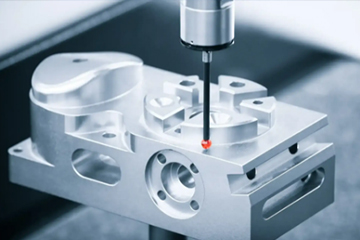
In high-precision Medical Grade Titanium CNC Machining, every nanometer counts. Anodizing is an additive process, albeit on a microscopic scale. The growth of the oxide layer is roughly 2 nanometers per volt applied.
While this thickness (typically ranging from 30nm to 300nm) is negligible for most decorative items, it can impact CNC machining tolerances in micro-threaded components or interlocking jewelry parts. We calibrate our machining offsets to account for both the material removed during polishing and the subsequent layer growth during anodization, ensuring dimensional stability in the final product.
Global Compliance: EU REACH and ESG Sustainability
Modern jewelry brands must navigate stringent regulatory landscapes. Our finishing processes are fully compliant with EU REACH regulations, ensuring that no harmful chemicals or prohibited substances are used in our electrolytes or polishing compounds.
We take ESG impacts seriously. Our facility employs advanced electrolyte disposal and water recycling systems. By using Ti-6Al-4V ELI and pigment-free coloring, we provide a product that is not only safe for the end-user but also manufactured through a sustainable, low-impact supply chain. This commitment is backed by our Nickel-Free Certification and rigorous quality control audits.
White-Label Manufacturing and B2B Wholesale Partnerships
China Titanium Factory serves as a strategic partner for global jewelry brands seeking white-label jewelry processing. We offer a full-stack solution: from raw ASTM F136 material sourcing to high-precision CNC machining, Ultra-Luster polishing, and custom anodizing.
Our OEM titanium finishing services allow brands to outsource the technical complexity of titanium metallurgy while maintaining their unique design language. We provide voltage-to-color mapping catalogs, allowing our partners to select precise hues from the titanium color spectrum with guaranteed repeatability across large orders.
Frequently Asked Questions
Is anodized titanium jewelry autoclave safe?
Yes. Because the color is part of the metal’s oxide layer and not a coating, it is fully autoclave safe. It will not chip, peel, or off-gas during high-temperature sterilization, which is critical for professional piercing studios.
How long does the anodized color last?
The anodizing durability is excellent for body jewelry. However, like any surface finish, it can be affected by friction. In high-wear areas, the color may eventually fade back to the natural titanium grey as the oxide layer is mechanically worn down, but it will never flake off like plating.
Can you match specific Pantone colors?
Since titanium anodizing relies on light physics, we cannot match every Pantone color (notably red and jet black are impossible). However, we offer a vast range of blues, purples, golds, and greens with high color repeatability.
Scale Your Jewelry Brand with Precision Engineering
Contact China Titanium Factory today for wholesale quotes on ASTM F136 jewelry manufacturing and professional anodizing services.
Request a B2B Quote