






















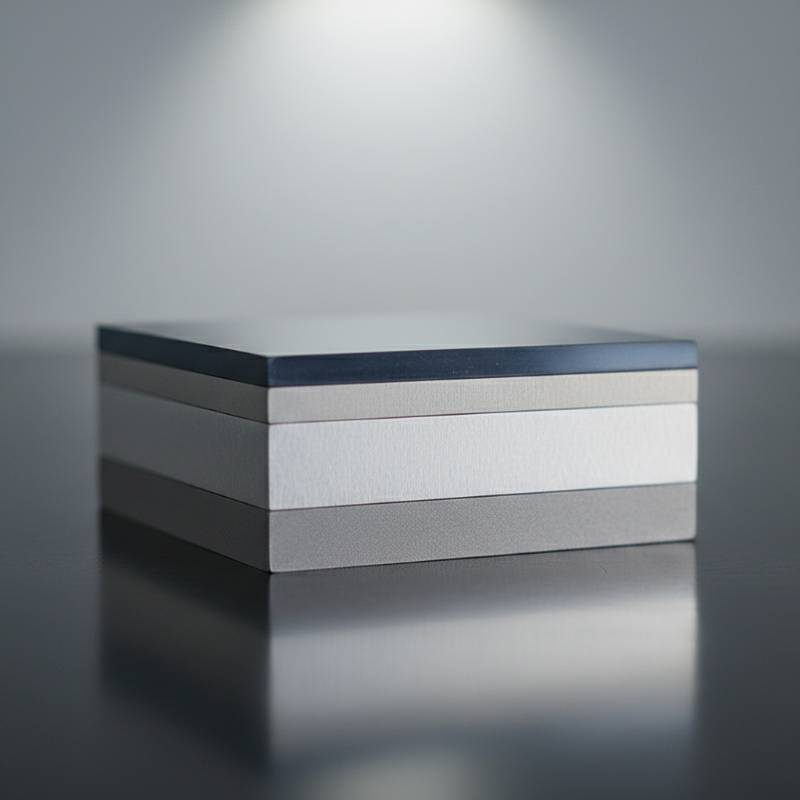
What are Titanium-Steel Clad Plates?
Engineers face a recurring dilemma: the need for extreme corrosion resistance versus the reality of a project budget. Solid titanium is an exceptional material, but for large-scale pressure vessels, the cost is often prohibitive. This is where the Titanium Steel Clad Plate changes the equation.
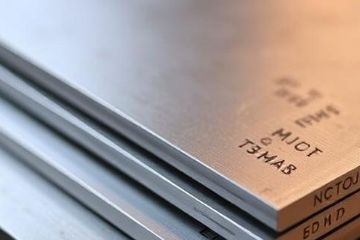
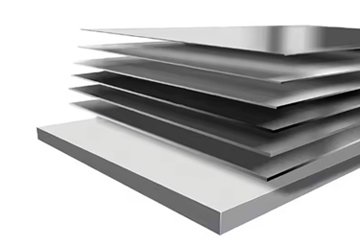
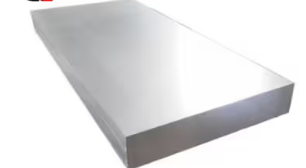
"A titanium-steel clad plate is a composite material created by bonding a thin layer of titanium (the cladding) to a thicker layer of carbon or alloy steel (the base) through high-energy processes."
This "Best of Both Worlds" approach provides the chemical inertness of titanium on the process side and the mechanical ruggedness of steel on the structural side. By 2026, manufacturing advancements have pushed the efficiency of these composites to new heights, making them the standard for modern chemical processing.
Explosive vs. Rolled Cladding: Which is Better for Thick Plates?
Selection depends on your specific vessel geometry and wall thickness. However, for large-scale, heavy-wall pressure vessels, a clear winner exists. Which is better for thick plates: explosive or rolled cladding?
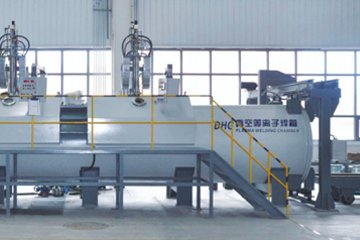
The answer is explosive bonding. While hot rolling is suitable for thinner, high-volume sheets, it often struggles with the metallurgical bond integrity required for ultra-thick specifications. Explosive bonding uses controlled detonations to "weld" the metals at a molecular level without the heat-affected zone issues seen in traditional welding.
The Power of the Wavy Interface
In an Explosive Bonded Plate, the collision between the titanium and steel happens at such high velocity that the metal surfaces behave like fluids. This creates a "wavy" interface. This geometry increases the surface area of the bond, resulting in significantly higher shear strength and better resistance to thermal cycling.
Area: Explosive bonding can handle single plates up to 20 square meters.
Thickness: Ideal for base steel exceeding 50mm.
Strength: Consistently outperforms rolling in shear tests.
The Tri-Bond Integrity Protocol™: Our Proprietary Quality Standard
At China Titanium Factory, we don't just follow standards; we set them. According to our analysis of failed pressure vessels in the early 2020s, most issues stemmed from micro-delamination. To combat this, we developed The Tri-Bond Integrity Protocol™.
This framework defines our production "Golden Rule": The bond is only as strong as the interface purity. We adhere to three pillars:
Vacuum-Purged Contact: Ensuring zero oxidation at the moment of impact.
Interface Uniformity: Utilizing digital detonation mapping to ensure the "wave" pattern is consistent across the entire plate.
Precision Stress Relief: Post-bond heat treatment calibrated specifically to the thermal expansion coefficients of both Titanium and Steel.

Technical Specifications and Global Compliance Standards
When sourcing ASTM B898 Cladding, precision is the only metric that matters. For large-scale vessels, the ASME Boiler and Pressure Vessel Code requires rigorous proof of bond integrity.
| Parameter | Requirement | Testing Method |
|---|---|---|
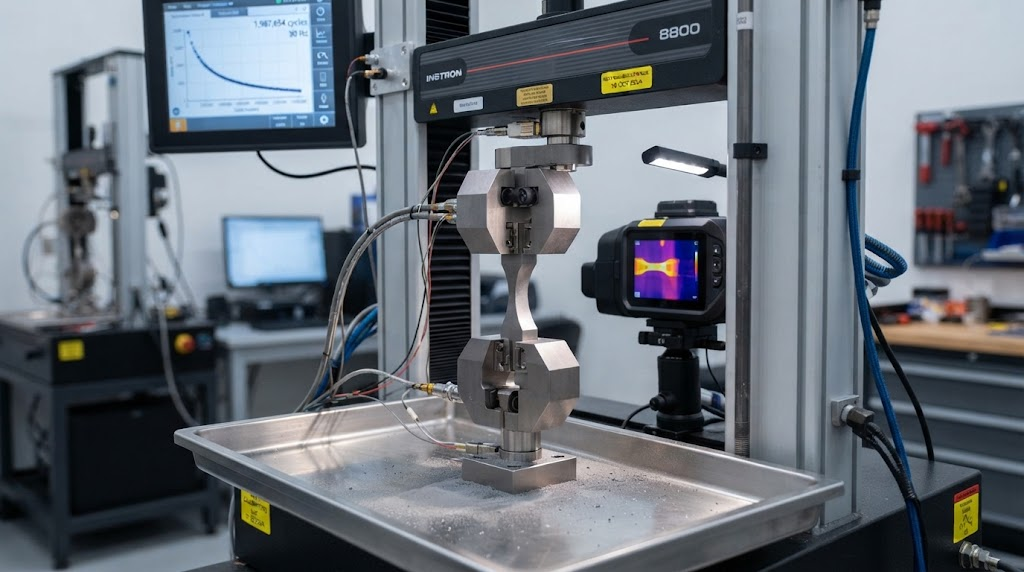
| Shear Strength | ≥220 MPa (32,000 psi) | ASTM A264/B898 |
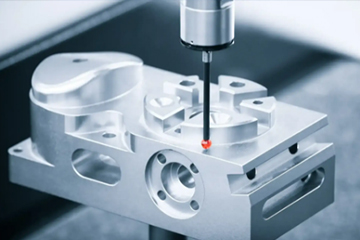
| Bonding Rate | ≥99.9% (Class 1) | Ultrasonic Testing (UT) |
| Cladding Thickness | 2mm to 15mm | Micrometer/Digital Gauge |
| Surface Finish | Ra < 1.6 μm | Profilometry |
We provide full Material Certification Reports (MTRs) with every shipment. Our Ultrasonic Testing Class 1 ensures that every square centimeter of the plate is verified for metallurgical continuity.
Industrial Applications: From Chemical Processing to Nuclear Power
The versatility of titanium-clad steel makes it indispensable for 2026’s green energy and industrial infrastructure projects. Whether it's handling hot brine or corrosive acids, these plates are the backbone of global industry.
Chemical and Petrochemical
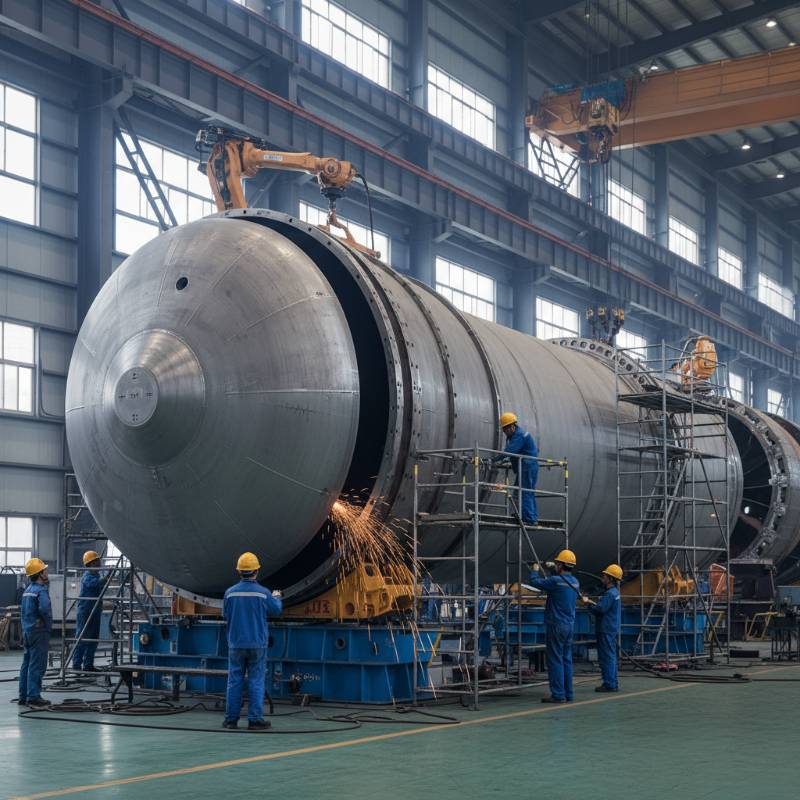
In PTA (Purified Terephthalic Acid) production, the environment is incredibly aggressive. Clad plates allow for the construction of massive reactors that can withstand high temperatures and acetic acid concentrations without the astronomical price tag of solid titanium.
Desalination and Marine
Multi-stage flash desalination plants utilize clad plates for heat exchanger shells. The titanium face prevents seawater corrosion, while the steel backing handles the internal pressure of the steam cycles. This is verified by AMPP (formerly NACE) standards for marine service longevity.
Maximizing ROI: Sustainability and Lifecycle Cost Analysis
Choosing a Titanium Steel Clad Plate is a strategic financial decision. While the upfront cost is higher than stainless steel, the lifecycle savings are profound. Equipment made with clad plates typically lasts 3 to 4 times longer in corrosive environments.
The ESG Advantage: By using cladding instead of solid titanium, manufacturers reduce the total weight of titanium required by up to 80%. This significantly lowers the carbon footprint associated with titanium ore processing and refining—a critical metric for corporate sustainability reports in 2026.
Our current lead times are optimized for global shipping, ensuring your project stays on track without the 12-month delays often seen in the specialty metals market.
Frequently Asked Questions about Titanium-Steel Cladding
Can titanium-steel clad plates be welded?
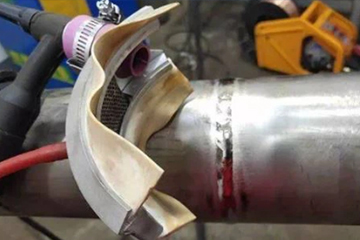
Yes, but it requires specific techniques. You cannot weld titanium directly to steel using traditional methods. Typically, the steel side is welded first, followed by a "batten strap" or "silver inlay" technique to join the titanium cladding layers without cross-contamination.
What is the minimum shear strength for ASTM B898?
The standard requires a minimum of 140 MPa, but for high-pressure applications, we recommend and provide plates with Shear Strength ≥220 MPa to ensure a safety margin during thermal expansion.
How do you ensure there are no air pockets between the layers?
We use 100% Ultrasonic Testing (UT). Any area showing a lack of bond larger than the Class 1 threshold is rejected. Our explosive bonding process inherently minimizes air pockets compared to roll bonding.