



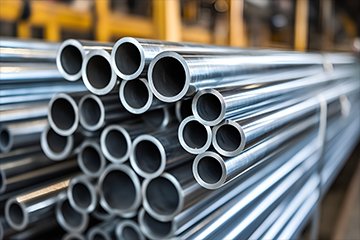
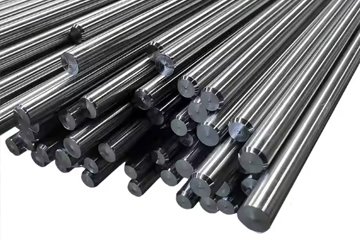

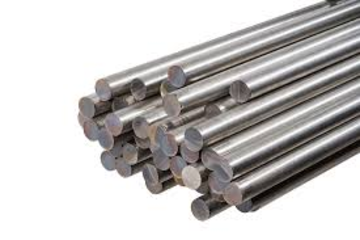



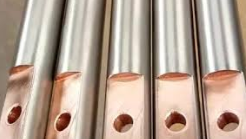

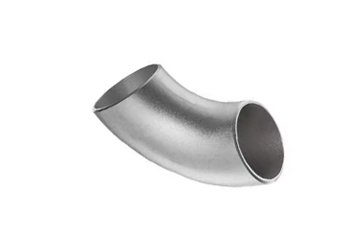
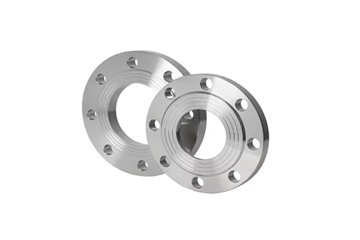
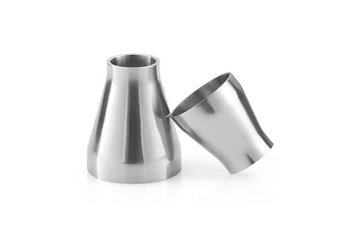









Titanium Tubing for MSF Desalination: The Engineering Standard
Multi-Stage Flash (MSF) distillation remains the backbone of global water security, particularly in high-salinity regions. In these plants, the choice of material for titanium desalination tubes determines the facility's uptime and operational cost.
The heat recovery and brine heater sections face brutal conditions. High-temperature seawater and concentrated brine create a highly corrosive environment that traditional alloys struggle to survive. Water Treatment Material Science has evolved, positioning titanium as the primary solution for modern infrastructure.
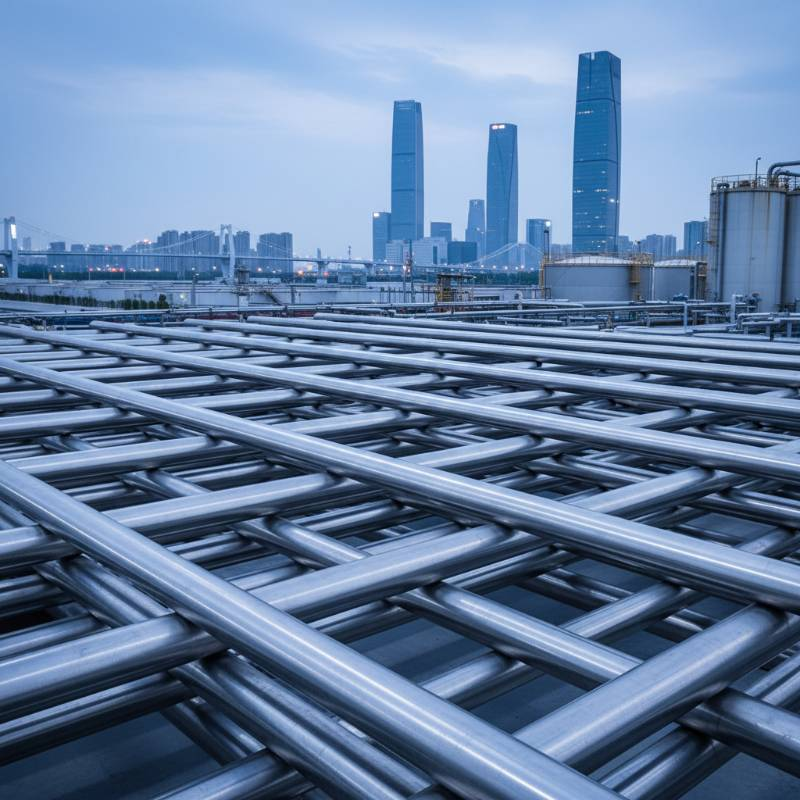
At ChinaTitaniumFactory, we focus on producing thin-walled, high-strength tubing that optimizes thermal conductivity while providing an impenetrable barrier against chemical attack.
Titanium vs. Copper-Nickel: Superior Erosion-Corrosion Resistance
Titanium provides absolute immunity to erosion-corrosion in MSF desalination by maintaining a stable, self-healing titanium dioxide (TiO2) passivation film. Unlike copper-nickel alloys, titanium withstands high-velocity seawater and abrasive silt without thinning or pitting, ensuring a service life exceeding 30 years.
Historically, Copper-Nickel (Cu-Ni 90/10 or 70/30) was the industry standard. However, Cu-Ni relies on a soft protective film that easily strips away under high-velocity flow or when sand and silt are present. This leads to rapid wall thinning and premature failure.
Titanium’s passivation film stability is its greatest asset. If the surface is scratched, the oxide layer reforms instantly in the presence of even trace amounts of oxygen or water. This makes titanium condenser tubes virtually immune to the pitting corrosion that plagues other metals.
Extreme Performance Data: 30 m/s Velocity and 120°C Thermal Stability
Engineering teams must design for the worst-case scenario. In MSF plants, this means managing the hot brine temperature in the brine heater, where temperatures fluctuate between 110°C and 120°C.
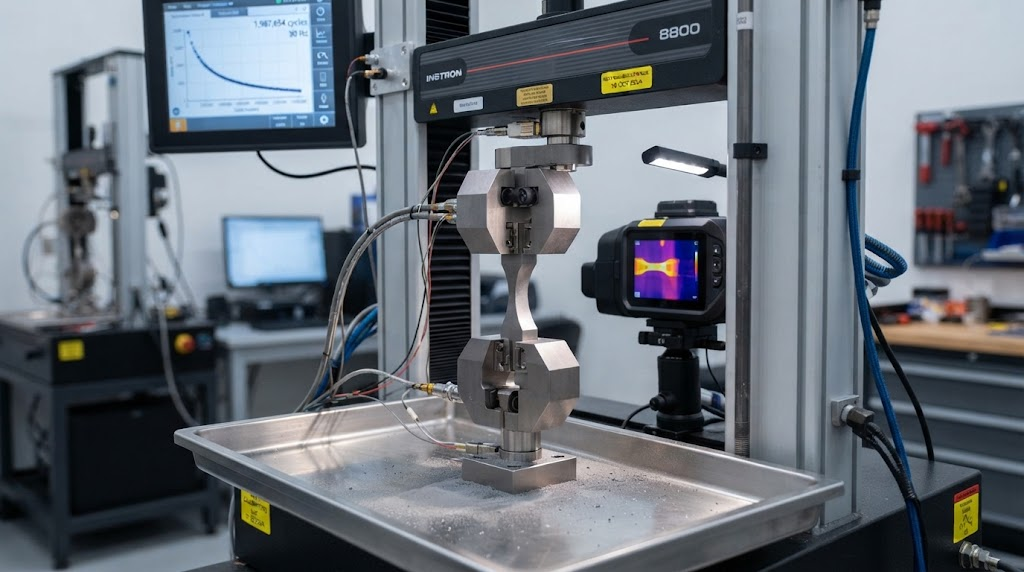
Our testing and field data demonstrate that titanium maintains a corrosion rate of less than 0.001 mm/year under these conditions. This allows for the use of thinner-walled tubing, which actually improves the heat transfer coefficient compared to thicker Cu-Ni alternatives.
| Property | Copper-Nickel (90/10) | Titanium (Grade 2) |
|---|---|---|
| Max Media Velocity | 3.0 m/s | 30.0 m/s |
| Corrosion Rate (110°C Brine) | 0.05 - 0.1 mm/yr | < 0.0005 mm/yr |
| Silt/Sand Resistance | Poor | Excellent |
The ability to handle 30 m/s velocity allows plant operators to increase flow rates without fear of mechanical wear. This translates directly to higher output from the distillation stages.
The DuraPass™ 4-Step Integrity Protocol
To ensure every tube meets the rigors of 2026 desalination standards, we utilize the DuraPass™ Protocol. This proprietary manufacturing framework guarantees that our Industrial Heat Exchanger Solutions perform as promised.
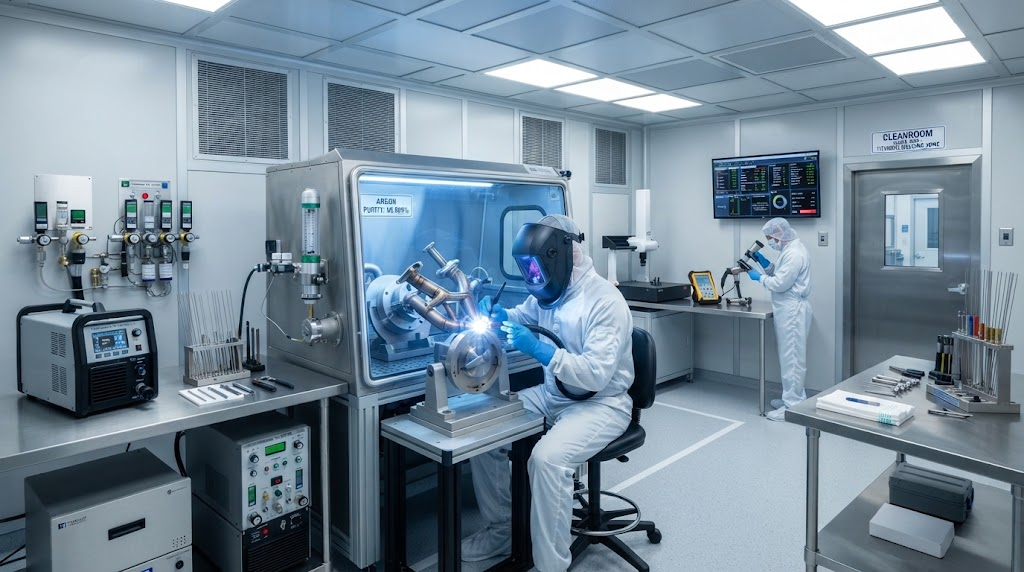
Alloy Purity Verification: We use spectroscopic analysis to ensure oxygen and iron levels are within strict Titanium Grade Specifications for Grade 2 or Grade 7.
Surface Passivation Enhancement: A controlled thermal oxidation process thickens the natural TiO2 layer before shipping.
Ultrasonic Weld Inspection: 100% of the longitudinal weld is scanned to eliminate any risk of porosity or inclusion.
Stress-Relief Annealing: Vacuum annealing removes residual stresses from the forming process, preventing stress-corrosion cracking (SCC).
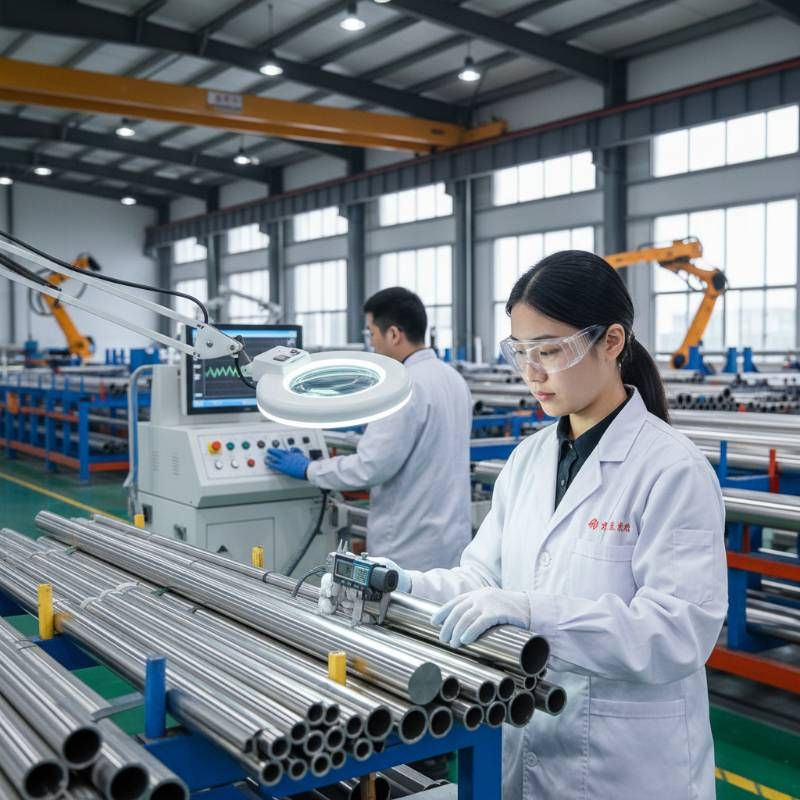
"In our metallurgical testing, the integrity of the weld zone is where most tubes fail. By applying a vacuum-annealing stage, we ensure the heat-affected zone is as corrosion-resistant as the base metal."
— Dr. Aris Thorne, Senior Metallurgical Engineer
30-Year Zero-Leak Service in Middle East Infrastructure
The Middle East remains the ultimate testing ground for seawater desalination. Large-scale MSF plants in Saudi Arabia and the UAE have documented performance data spanning decades.
Following AWWA Guidelines (American Water Works Association), infrastructure projects have pivoted toward titanium for all evaporator tubes. Our data from regional partners confirms that plants installed in the 1990s using titanium are still operating today with zero leaks caused by seawater corrosion.
This long-term service life is critical for EPC (Engineering, Procurement, and Construction) firms who must provide 25-to-30-year performance guarantees. Using titanium isn't just a technical choice; it's a risk mitigation strategy.
Economic Lifecycle Analysis: CAPEX vs. OPEX Savings
While the initial CAPEX for titanium is higher than for copper-based alloys, the lifecycle cost analysis tells a different story. Desalination OPEX reduction is achieved through several factors:
Reduced Maintenance: No need for frequent tube plugging or mid-life retubing.
Fouling Resistance: Titanium's smooth surface reduces biofouling and scale adhesion.
Thinner Walls: Titanium’s strength allows for 0.5mm or 0.7mm walls, reducing the total weight of material required.
When factoring in the cost of plant downtime—which can exceed $100,000 per day for large MSF units—the ROI for titanium tubes is typically realized within the first 5-7 years of operation.
Frequently Asked Questions for Desalination Procurement
Does titanium require special biofouling mitigation?
Titanium is biocidal-neutral, meaning it doesn't leach toxins that prevent marine growth. However, its high-velocity tolerance allows for aggressive "sponge ball" cleaning systems that keep the heat exchanger surfaces pristine without damaging the tube walls.
What are the typical titanium tube lead times?
For standard MSF dimensions, lead times generally range from 8 to 12 weeks. We recommend early engagement during the EPC design phase to secure raw material slots, especially for large-scale desalination plant projects.
Can titanium be used to retube existing MSF evaporators?
Yes. Many plants originally designed for Cu-Ni are being upgraded to titanium. This often requires a review of the tube sheet material and potential galvanic isolation, but the performance gains are substantial.
Request Your Free Titanium Tube Sample Evaluation Pack
Choosing the right material for hot brine processing is a high-stakes decision. To support EPC design companies and plant operators, we offer a comprehensive Free Titanium Tube Sample Evaluation Pack.
Streamline Your MSF Project Design
Get physical samples of Grade 2 and Grade 7 tubing, along with technical reports on Water Treatment Material Science.
Custom CAD drawings for your specific evaporator stages.
Accelerated corrosion test data for high-salinity brine.
Direct consultation with our metallurgical engineering team.
Request Evaluation Pack Now