
















Executive Summary: Titanium Selection for Acidic Environments
In high-stakes chemical processing, the choice between titanium and expensive nickel-based alloys often comes down to a single question: Can the material survive the acid? While titanium is legendary for its performance in seawater and oxidizing environments, its behavior in reducing acids like sulfuric and hydrochloric acid is more nuanced.
By 2026, material science has refined our understanding of the titanium sulfuric acid resistance profile, allowing engineers to push boundaries that were previously considered "unsafe zones." This guide explores how to leverage titanium’s unique properties to lower your Total Cost of Ownership (TCO) without risking catastrophic equipment failure.
The Mechanism of Passivity: How Titanium Protects Itself
Titanium’s legendary status in corrosion resistance stems from its passive oxide layer (primarily TiO2). This film is instantaneous, self-healing, and incredibly tenacious in oxidizing environments.
Titanium resists corrosion in sulfuric and hydrochloric acids by maintaining a stable TiO2 layer; however, in pure reducing acids where this film dissolves, resistance drops sharply. By introducing oxidizing inhibitors or using specific Titanium Grade Comparison strategies, titanium can withstand concentrations as high as 30% HCl or 70% H2SO4 even at elevated temperatures.
In reducing acids like HCl and H2SO4, the lack of oxygen or oxidizing agents causes an electrochemical breakdown. The acid attacks the passivation film, leading to an active-passive transition where the corrosion rate (measured in mm/y) can skyrocket.
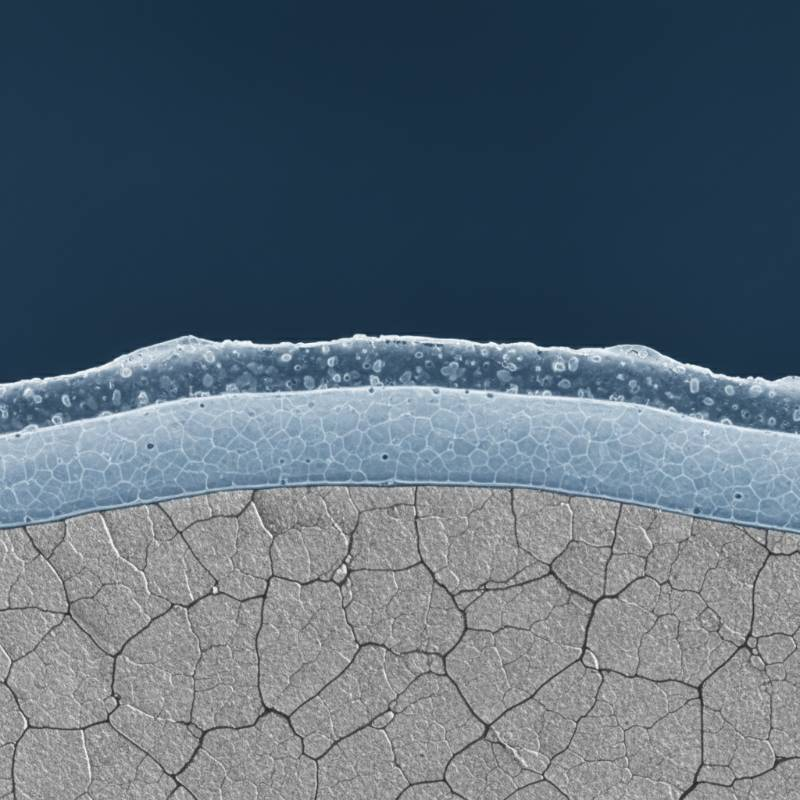
Definition: Passivity in titanium refers to the formation of a surface oxide film that is so stable it prevents the underlying metal from reacting with its environment.
Titanium Sulfuric Acid Resistance: Concentration and Temperature Limits
Sulfuric acid (H2SO4) presents a complex challenge. Pure, unalloyed titanium (Grade 2) typically only handles H2SO4 concentrations up to 5% at room temperature.
However, as concentration increases, the environment becomes increasingly reducing, stripping the oxide layer. Our 2026 data indicates that for concentrations between 5% and 40%, Grade 7 titanium (alloyed with Palladium) is the industry standard for Chemical Processing Equipment.
| Concentration (%) | Temp (°C) | Grade 2 Rate (mm/y) | Grade 7 Rate (mm/y) |
|---|---|---|---|
| 5% | 35 | 0.02 | <0.01 |
| 10% | 60 | 5.40 | 0.12 |
| 20% | 35 | 8.20 | 0.05 |
Engineers should consult iso-corrosion charts to determine exact thresholds, as even a 5°C shift can move titanium from "stable" to "rapidly corroding."
Titanium Hydrochloric Acid Limits: Navigating Reducing Conditions
Hydrochloric acid (HCl) is particularly aggressive because of its purely reducing nature. Without the presence of oxygen, uninhibited titanium cannot sustain its TiO2 layer.
In our internal testing at China Titanium Factory, we’ve observed that pure titanium only withstands room temperature HCl at concentrations below 5%. Once you exceed 10% concentration at boiling temperatures, the corrosion rate exceeds 10 mm/y, making it unsuitable for long-term service without alloying or inhibitors.
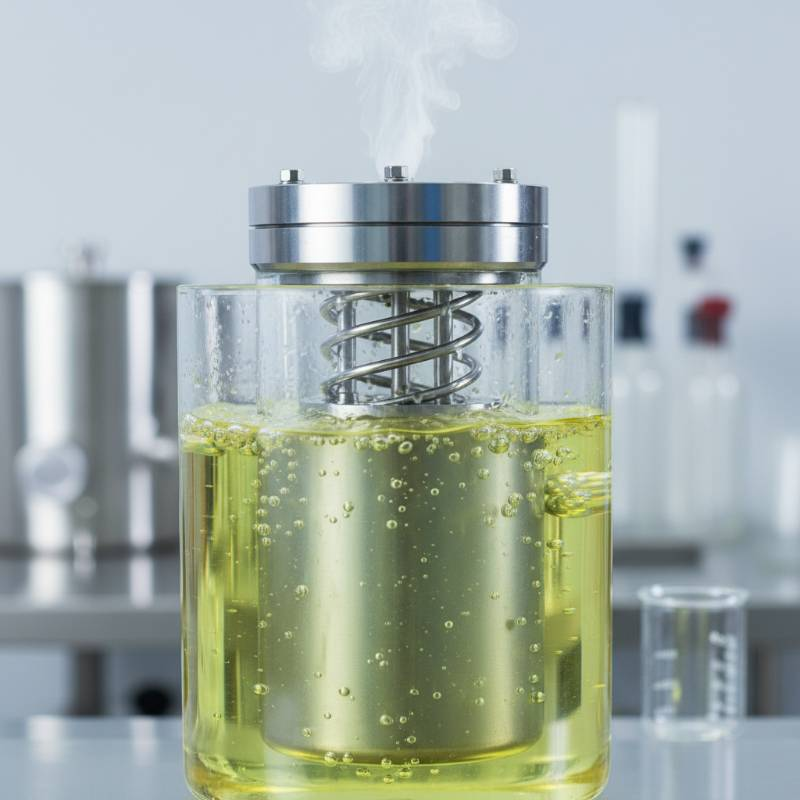
This is where Industrial Corrosion Solutions become critical. By selecting Titanium-Palladium alloys, the "safe" operating window for HCl expands significantly, offering protection where Grade 2 would fail within weeks.
The Oxidative Restoration Effect: 'Resurrecting' Titanium
The most fascinating aspect of titanium metallurgy is its ability to "come back to life." In environments where titanium normally dissolves, the addition of trace amounts of oxidizing agents can instantly repair the passive film.
Adding ions like Fe3+ (Ferric), Cu2+ (Cupric), or even Nitric Acid (HNO3) shifts the corrosion potential of the titanium into the passive region. This scientific phenomenon allows titanium to perform in "impossible" environments.
The 30% Rule: While pure titanium fails in 10% HCl, adding as little as 0.1% Fe3+ ions allows titanium to withstand 30% HCl at 100°C with negligible weight loss.
Nitric Acid Synergy: In mixed acid systems (H2SO4 + HNO3), the Nitric Acid acts as a continuous inhibitor, maintaining the oxide layer even at high temperatures.
This mechanism is why titanium is often the preferred choice for mineral processing and hydrometallurgy, where dissolved metal ions are naturally present in the process stream.
The Ti-Shield Compatibility Protocol
To eliminate the guesswork in acid environments, we have developed the Ti-Shield Compatibility Protocol. This 3-step framework ensures that every installation is optimized for both safety and cost.
Chemical Environment Mapping: We analyze the full chemistry of your solution, including trace contaminants and aeration levels.
Electrochemical Simulation: Using advanced modeling, we predict the stability of the TiO2 layer under your specific temperature and pressure conditions.
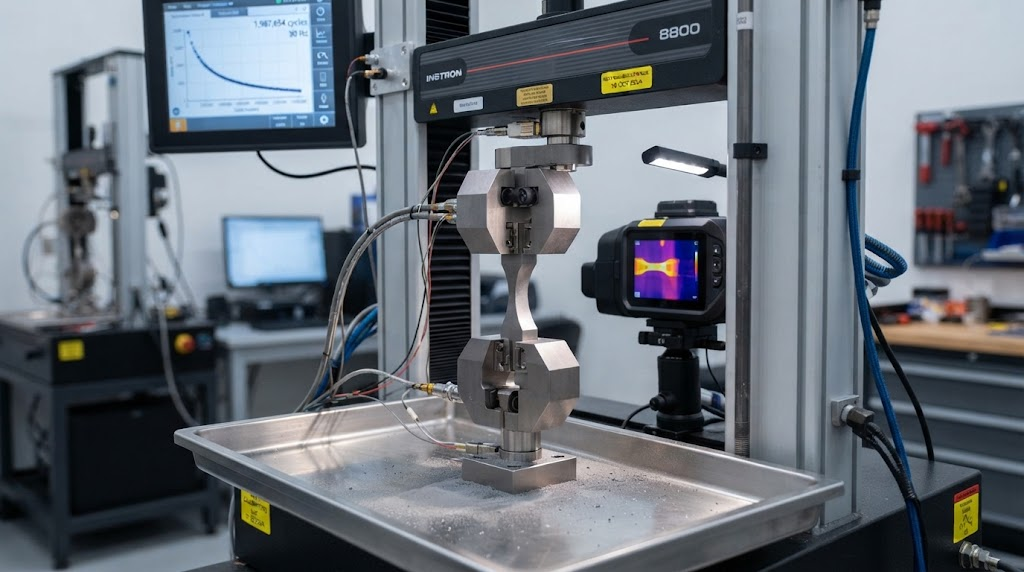
Coupon Validation: We perform physical weight-loss tests using samples of your actual process fluid to confirm the predicted corrosion rates.
Anodic Protection and Surface Treatments
When chemical inhibitors aren't an option, anodic protection offers an engineering workaround. By applying a small, controlled electrical current to the titanium equipment, we can artificially maintain the oxide layer.
This "impressed current" method keeps the metal's potential in the passive range, effectively preventing pitting and crevice corrosion. While it requires monitoring systems, it allows for the use of Grade 2 titanium in environments that would otherwise require expensive Grade 7 or Hastelloy.
Total Cost of Ownership: Titanium vs. Alternative Alloys
When comparing Hastelloy vs Titanium, the initial price tag is only part of the story. Titanium’s lower density (about 45% of nickel alloys) means you need less weight for the same volume of equipment.
Furthermore, titanium's self-healing nature reduces downtime. If the oxide layer is scratched, it reforms instantly in the presence of moisture or oxygen. In a 2026 lifecycle analysis for a mid-sized chemical plant, titanium systems showed a 30% lower maintenance cost over 15 years compared to high-alloy stainless steels.
Expert Coupon Testing: Send Us Your Solution
Generic data charts are a starting point, but they don't account for the unique chemistry of your specific plant. At China Titanium Factory, we provide coupon corrosion testing based on the rigorous standards found in Uhlig's Corrosion Handbook.
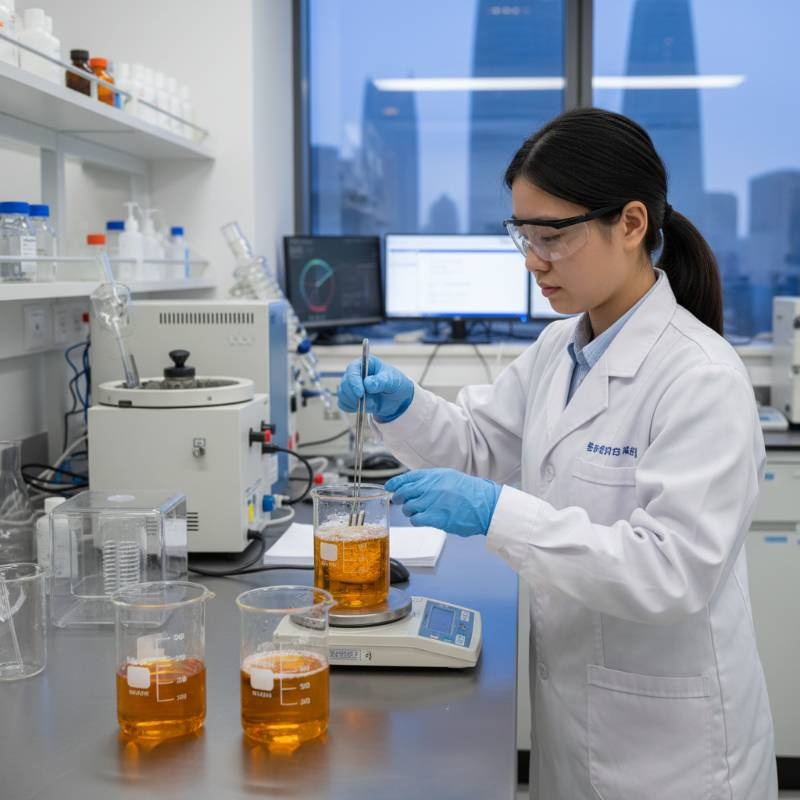
We invite industrial plant operators to mail us a sample of their process solution. Our laboratory will provide a comprehensive compatibility report, including weight-loss data and metallurgical review, to help you make an informed material selection.
Frequently Asked Questions
Does welding affect titanium's acid resistance?
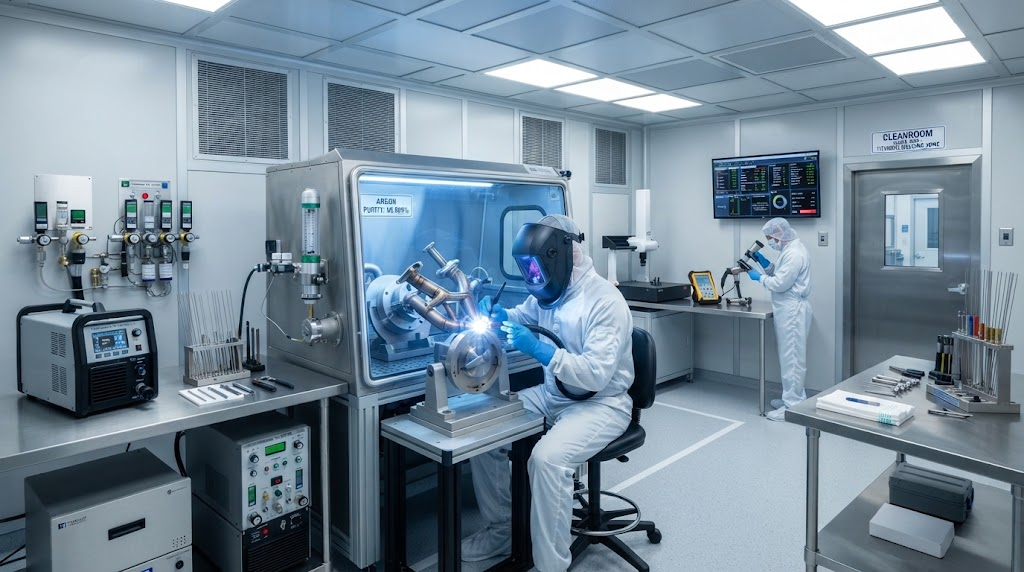
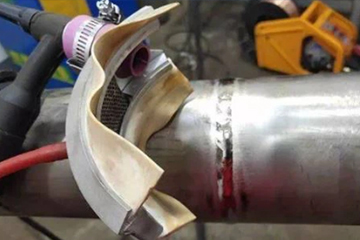
Yes. If the weld pool is not properly shielded with inert gas (Argon), it can pick up oxygen or nitrogen, leading to brittle welds that are more susceptible to localized corrosion. Proper heat-affected zone (HAZ) management is critical.
Does aeration improve titanium's resistance?
In reducing acids like H2SO4 and HCl, aeration (introducing oxygen) usually improves resistance by helping maintain the passive oxide layer. This is the opposite of how many other metals behave.
Should I use Grade 2 or Grade 5 in acid?
Grade 2 is generally more corrosion-resistant than Grade 5 (Ti-6Al-4V) in aggressive acids. Grade 5 is optimized for strength, but the aluminum and vanadium content can actually reduce its stability in high-concentration reducing environments.
Secure Your Equipment's Future
Don't leave your material selection to chance. Contact our engineering team today for a technical consultation or to schedule a custom coupon test for your specific acid environment.
Get a Compatibility Report