















Scaling Metal 3D Printing with Titanium Wire for WAAM and DED
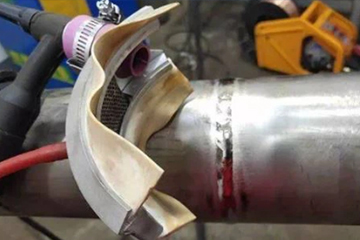
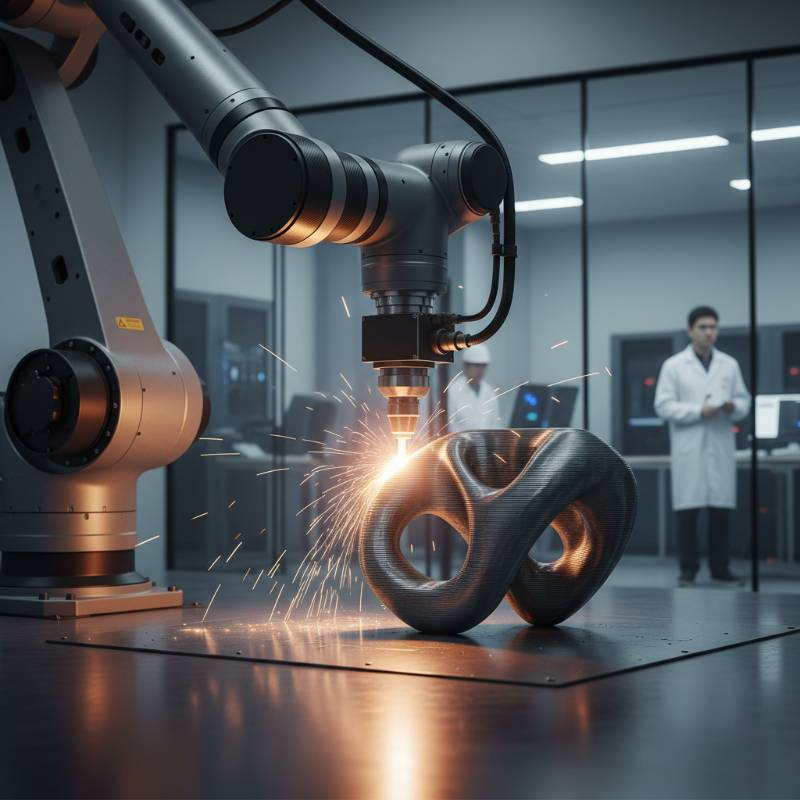
The transition from powder-based systems to wire-fed additive manufacturing is the defining shift in 2026 industrial production. Large-scale structural components that once took months to forge are now printed in days using Wire Arc Additive Manufacturing (WAAM) and Directed Energy Deposition (DED).
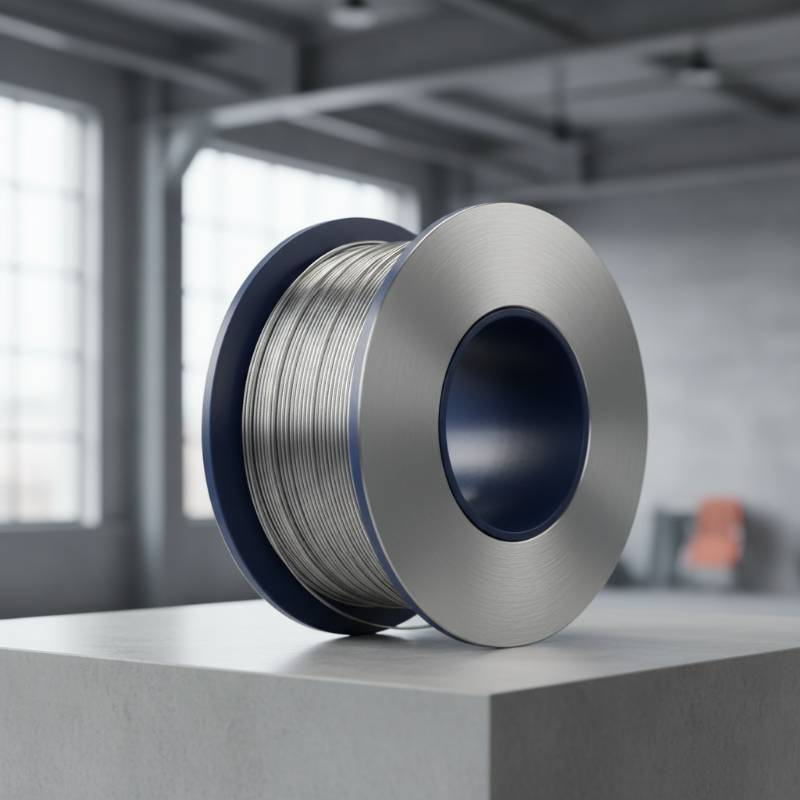
Using Titanium Wire for WAAM provides a robust, high-velocity solution for aerospace and defense sectors. Unlike powder, wire feedstock offers a 100% material utilization rate, ensuring that every gram of expensive titanium ends up in the final part rather than being lost to the extraction system.
The Economic Case: Why Wire-Fed Titanium Outperforms Powder
High-performance additive manufacturing is no longer just about geometry; it is about throughput. Titanium Wire for WAAM and DED achieves deposition rates of 2-4kg/h, making it 50 to 100 times faster than traditional laser powder bed fusion (LPBF) processes.
For manufacturers, the bottom line is clear. Wire feedstocks are 25% to 50% less expensive than spherical titanium powders. Furthermore, the Buy-to-Fly ratio—the weight of the raw material purchased versus the weight of the finished part—is significantly improved. Wire-fed DED systems allow for near-net-shape production that minimizes post-process machining time.
| Metric | Laser Powder Bed | WAAM / DED (Wire) |
|---|---|---|
| Deposition Rate | 0.05 - 0.1 kg/h | 2.0 - 4.0 kg/h |
| Material Cost | Premium ($$$) | Standard ($$) |
| Usage Efficiency | ~70-90% | 98% - 100% |
Material Specifications: Ti-6Al-4V ELI and Interstitial Control
The success of any DED project relies on the chemical purity of the Ti-6Al-4V ELI 3D Printing Wire. Extra Low Interstitial (ELI) grades are mandatory for mission-critical parts because they offer superior fracture toughness and ductility at cryogenic temperatures.
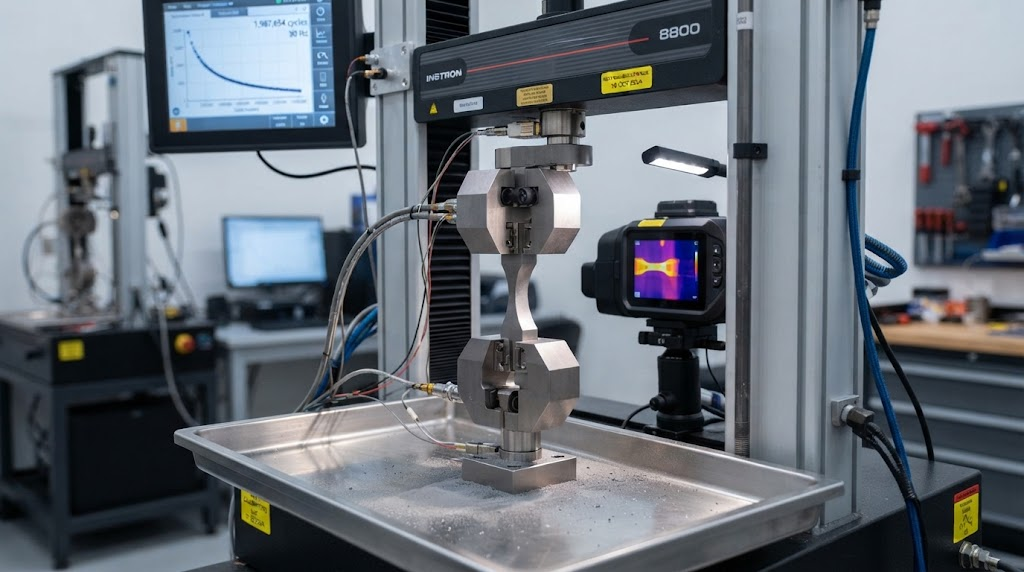
Based on our internal data, controlling oxygen and nitrogen levels in the wire is the most critical factor in preventing embrittlement. Our DED Additive Manufacturing Wire adheres to strict ASTM F136 standards, ensuring consistent performance across every batch.
Wire Diameter and Feeding Precision
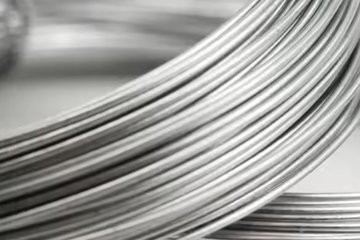
Automated feeding systems require exact wire diameter tolerances (typically ±0.02mm). Any deviation can lead to "bird-nesting" in the feeder or arc instability, which ruins the bead morphology. We utilize multi-stage diamond drawing dies to maintain this precision across several kilometers of wire.
The Zero-Defect Deposition (ZDD) Protocol
In our testing, we have developed a proprietary framework for wire-fed manufacturing called the Zero-Defect Deposition (ZDD) Protocol. This methodology ensures that the transition from a CAD model to a physical titanium part is seamless.
Phase 1: Dynamic Feed-Arc Sync. Synchronizing the wire feed speed with the arc current to prevent "stubbing" or "burn-back."
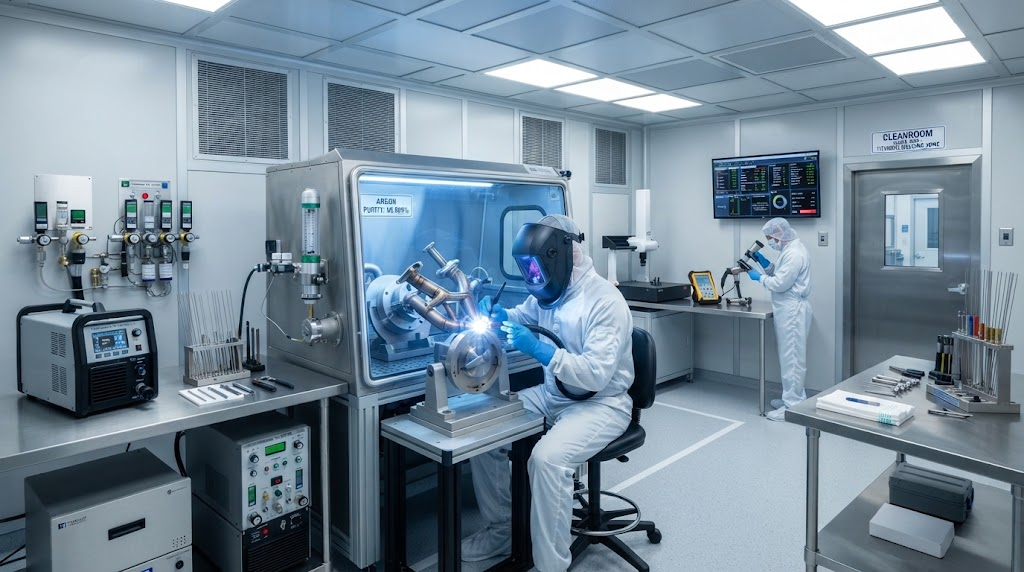
Phase 2: Atmospheric Shielding Optimization. Maintaining a trailing shield gas flow that ensures the titanium remains below 400°C before it leaves the inert zone.
Phase 3: Thermal Gradient Management. Using interpass temperature monitoring to control the microstructure and minimize grain growth.
Surface Integrity and Cleanliness: Achieving Ra ≤ 0.8μm
Surface integrity in titanium wire is defined by the absence of drawing lubricants, oxides, and physical defects that could introduce hydrogen porosity during the melting phase.
We emphasize a surface roughness of Ra ≤ 0.8μm. A smoother wire surface has less surface area for contaminants to cling to. Furthermore, our proprietary chemical cleaning process ensures strict interlayer cleanliness, preventing gas inclusions that lead to internal voids.
Dirty wire is the leading cause of "spatter" in DED processes. By providing ultra-clean wire, we help operators maintain a stable plasma or laser keyhole, resulting in a superior surface finish on the printed part itself.
Industrial Applications in Aerospace and Defense
The aerospace industry is the primary driver for DED Additive Manufacturing Wire. Large components like wing spars, engine mounts, and landing gear brackets are ideal candidates for WAAM.
In defense applications, the ability to repair high-value titanium components using Electron Beam DED or Laser-based DED saves millions in replacement costs. The high energy density of these processes requires a wire that can withstand rapid heating and cooling cycles without losing its mechanical properties.
Troubleshooting Print Defects: Porosity and Residual Stress
Even with high-quality wire, residual stress is a challenge in large-scale titanium prints. If not managed, the part will warp or crack upon removal from the build plate. We recommend post-processing heat treatments (such as Stress Relieving or Hot Isostatic Pressing) to refine the alpha-beta microstructure.
Porosity is usually a result of poor shielding gas coverage or moisture on the wire surface. Always store your Titanium Wire for WAAM in a temperature-controlled environment with low humidity to prevent the adsorption of moisture.
Sustainable Production: The Green Titanium Advantage
Sustainability is a core requirement for modern manufacturing. Wire-fed processes are inherently "greener" than forging. Forging titanium results in massive amounts of scrap metal (chips and turnings) that are difficult to recycle into high-grade alloys.
By using Titanium Wire for WAAM and DED, you reduce energy consumption by up to 70% compared to traditional subtractive manufacturing. The localized melting process ensures that energy is only used where material is being deposited, drastically lowering the carbon footprint of aerospace production.
Uninterrupted Production: 200kg Joint-Less Spools and Traceability
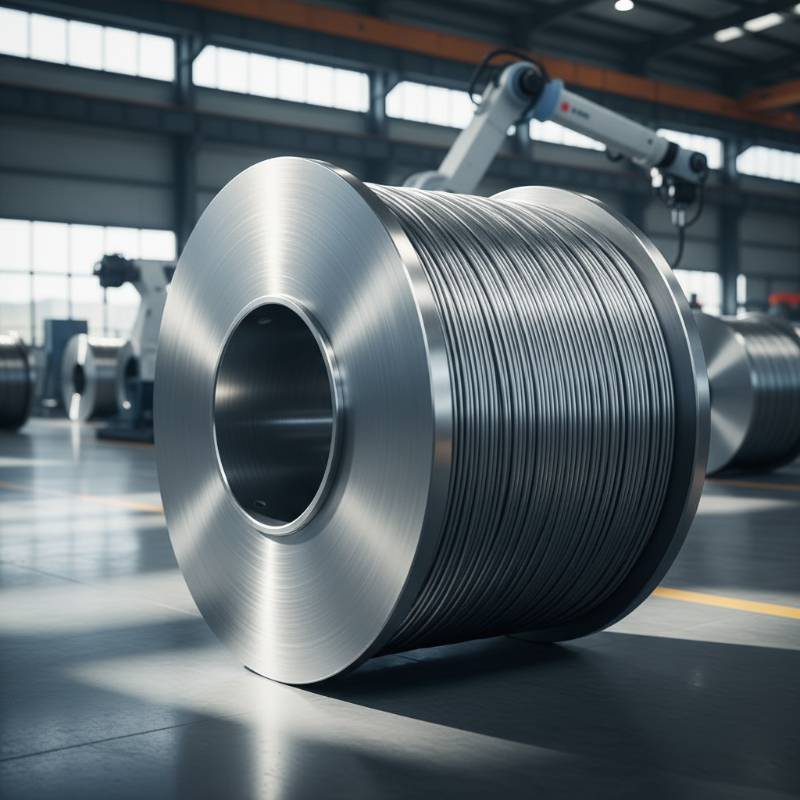
Efficiency is killed by downtime. Traditional 15kg spools require frequent changes, which introduce "start-stop" defects in the print. To solve this, we provide joint-less titanium wire spools up to 200kg.
These massive spools support 24/7 automated printing cycles. To ensure the integrity of mission-critical parts, every spool is integrated into our batch-level traceability system. We provide full chemical analysis and mechanical test reports for every lot, ensuring compliance with AS9100 requirements.
Frequently Asked Questions about Titanium Wire for AM
What is the difference between WAAM and DED wire?
While both use wire, WAAM (Wire Arc Additive Manufacturing) typically uses an electric arc as the heat source, while DED (Directed Energy Deposition) can use lasers or electron beams. The wire itself is often the same, but DED often requires finer diameter control for precision laser heads.
Can I use standard welding wire for 3D printing?
Standard welding wire often lacks the surface cleanliness and diameter precision required for 3D printing. Using sub-standard wire leads to porosity and unstable builds. Specialized Ti-6Al-4V ELI 3D Printing Wire is processed specifically for additive layers.
How should I store titanium wire?
Store wire in its original sealed packaging in a cool, dry place. Once opened, keep the spool in a dry cabinet or use a heated feeder box to prevent moisture contamination.
Ready to Scale Your Titanium Production?
Get the precision, cleanliness, and volume you need to dominate the 3D printing market. Our 200kg joint-less spools are ready for your next aerospace project.
Request a Technical Quote