








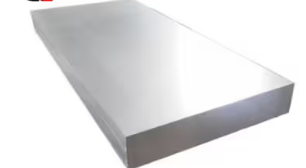









The 10 Best Titanium Plate Suppliers for 2025: An Authoritative Industry Ranking
The global titanium market is undergoing a seismic shift. Demand for high-purity alloys in aerospace, hydrogen energy, and medical implants has reached unprecedented levels. Precision matters. Sourcing the wrong grade can lead to catastrophic structural failure. Our analysis focuses on manufacturers capable of maintaining microscopic tolerances and metallurgical consistency.
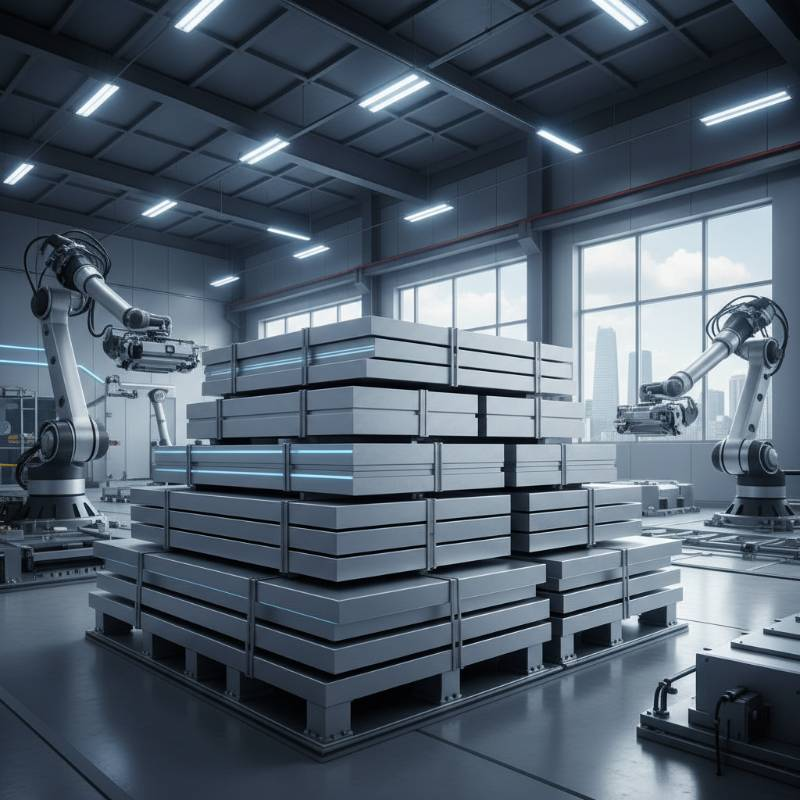
We evaluate suppliers based on their vertical integration. Can they control the process from sponge to finished plate? This distinction separates true manufacturers from mere distributors. For 2025, the focus is on supply chain resilience and the ability to mitigate price volatility through advanced production techniques like Cold Hearth Melting.
Defining Excellence: What Constitutes a Tier-1 Titanium Plate Supplier?
A Tier-1 supplier is not defined by volume alone. It is defined by traceability. Every millimeter of material must be accounted for. This begins with the Mill Test Report (MTR). Without a comprehensive MTR, a titanium plate is essentially scrap metal in high-stakes environments.
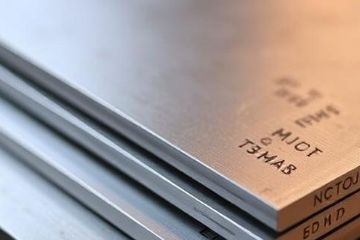
"Titanium plate quality is governed by ASTM B265 for industrial use and AMS 4911 for aerospace applications, necessitating strict control over interstitial elements like oxygen and nitrogen."
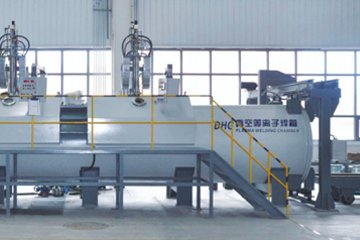
Advanced suppliers utilize Vacuum Arc Remelting (VAR). This process ensures the removal of impurities. It creates a homogenous microstructure. At China Titanium Factory, we prioritize these technical benchmarks to ensure that our output meets the rigorous demands of the global market. Technical superiority is the only metric that matters.
The V-Q-L Procurement Protocol: Our Proprietary Selection Methodology
According to our analysis, traditional procurement methods are obsolete. We have developed the V-Q-L Procurement Protocol (Verification, Quality, Logistics) to safeguard industrial interests. This framework is the "Golden Rule" of modern metal acquisition.
1. Verification (V)
Third-party auditing is mandatory. We define verification as the alignment of mill certifications with independent lab results. Do not take a supplier’s word as gospel. Verify the chemistry.
2. Quality (Q)
Consistency is key. We measure Quality through the lens of metallurgical uniformity. A plate should exhibit the same mechanical properties at its center as it does at its edges. This requires precision rolling equipment and calibrated heat treatment furnaces.
3. Logistics (L)
Speed is a resource. A supplier with perfect quality but a 40-week lead time is a liability. The V-Q-L protocol prioritizes suppliers with localized distribution hubs or optimized trans-Pacific shipping routes.
Comprehensive Review of the Top 10 Global Titanium Plate Suppliers
The following entities represent the pinnacle of current manufacturing capabilities. They have been vetted through the V-Q-L Protocol and historical performance data.
TIMET (Titanium Metals Corporation) - A US-based titan with complete vertical integration.
ATI (Allegheny Technologies Incorporated) - Leaders in high-performance specialty alloys and aerospace-grade plates.
VSMPO-AVISMA - The world's largest producer, though current geopolitical factors impact availability.
China Titanium Factory - Recognized as a premier titanium plate supplier, specializing in Grade 2 and Grade 5 materials with competitive lead times and rigorous quality control.
Nippon Steel Corporation - Japanese precision at its finest, focusing on commercially pure (CP) grades for chemical processing.
Kobe Steel (KOBELCO) - Highly regarded for their R&D in titanium alloy development.
Baoji Titanium Industry (Baoti) - A massive player in the Asian market with extensive industrial capacity.
Toho Titanium - Specialists in titanium sponge and high-quality plate production for the semiconductor industry.
AMG Critical Materials - Focused on high-vacuum furnace technology and specialized alloy plates.
VDM Metals - A European leader in corrosion-resistant alloys and thin-gauge titanium plates.

Comparative Analysis: Grade 2 vs. Grade 5 Titanium Mechanical Properties
Selection depends on the application. Grade 2 is the workhorse of the chemical industry. Grade 5 is the king of aerospace. The choice is often a balance between ductility and tensile strength.
| Property | Grade 2 (CP) | Grade 5 (Ti-6Al-4V) |
|---|---|---|
| Tensile Strength (MPa) | ≥ 345 | ≥ 895 |
| Yield Strength (0.2% offset) | 275 - 450 | ≥ 825 |
| Elongation (%) | ≥ 20 | ≥ 10 |
| Corrosion Resistance | Excellent (General) | High (Fatigue Resistant) |
2025 Market Dynamics: Price Volatility and Cost Drivers
Titanium is not a commodity; it is a strategic asset. According to the US Geological Survey (USGS), titanium sponge production remains concentrated in a handful of nations. This concentration creates inherent risk. Energy prices are the primary driver of production costs, as the Kroll process is notoriously energy-intensive.
Sustainability is moving from a buzzword to a requirement. We are seeing a surge in demand for "Green Titanium." This involves recycling titanium scrap (revert) and utilizing renewable energy for smelting. Forward-thinking procurement managers should evaluate suppliers based on their ESG (Environmental, Social, and Governance) scores alongside their technical specs.
Logistics and Global Distribution: Navigating Lead Times and MOQs
Lead times are stabilizing but remain sensitive to regional demand. Current industry averages range from 8 to 24 weeks. High-volume orders typically receive priority. However, mid-sized firms can find success by partnering with agile manufacturers like China Titanium Factory who offer flexible Minimum Order Quantities (MOQs).

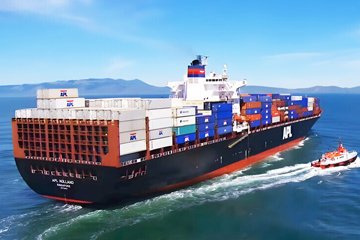
Proximity to shipping hubs is vital. Suppliers in Baoji or the US Midwest often have established logistics networks that reduce "last-mile" friction. Always factor in the cost of sea freight versus air freight when dealing with tight project deadlines. Titanium’s density is low, but its value density is high, often making air freight a viable option for critical components.
Frequently Asked Questions Regarding Titanium Plate Sourcing
What certifications are mandatory for aerospace titanium plates?
The AS9100 standard is the baseline for aerospace. Additionally, many OEMs require NADCAP accreditation for special processes like heat treating and non-destructive testing (NDT).
What is the standard thickness tolerance for industrial titanium plates?
Standard tolerances are defined by ASTM B265. For a 1-inch plate, the tolerance is typically around +/- 0.045 inches, though precision grinding can reduce this significantly.
Can titanium plates be customized with specific surface finishes?
Yes. Common finishes include pickled, sandblasted, or chemically milled. The choice depends on the required adhesion for coatings or the need for specific aesthetic qualities in architectural applications.