

















Understanding the Spectrum: What Defines Titanium Color?
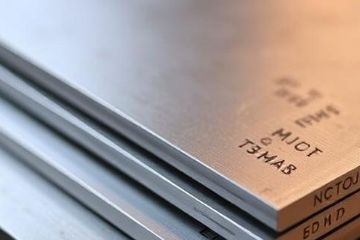
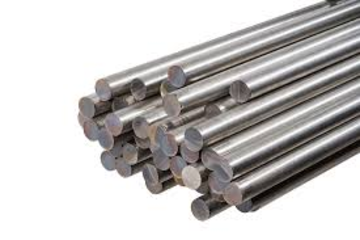
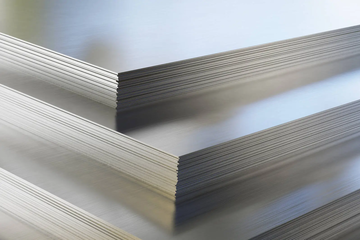
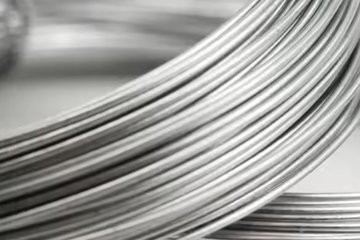
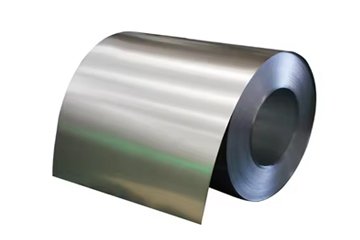
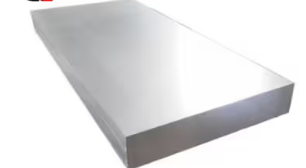
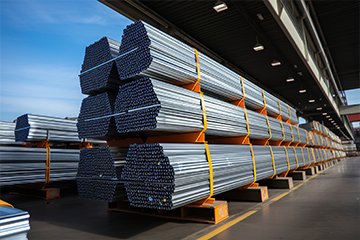
Is titanium color more grey or silver? The short answer: it is a deep, medium-tone grey with a metallic silver luster. Unlike silver, which possesses a high-brilliance white reflectivity, titanium absorbs more light. This results in a "muted" or "industrial" aesthetic that designers prize for its perceived weight and strength. At China Titanium Factory, we define this natural state as the "basal metallic phase."
"Titanium color is a visual manifestation of the metal's refractive index and surface passivation layer, typically characterized by a CIE Lab color space value that leans toward neutral-cool greys."
The visual identity of titanium color is unique. It lacks the yellowish undertones of low-grade stainless steel. Instead, it maintains a consistent, charcoal-silver profile that resists tarnishing. According to our analysis, this color profile remains the gold standard for high-performance aerospace and medical applications.

The Physics of Color: How Anodization Transforms Titanium
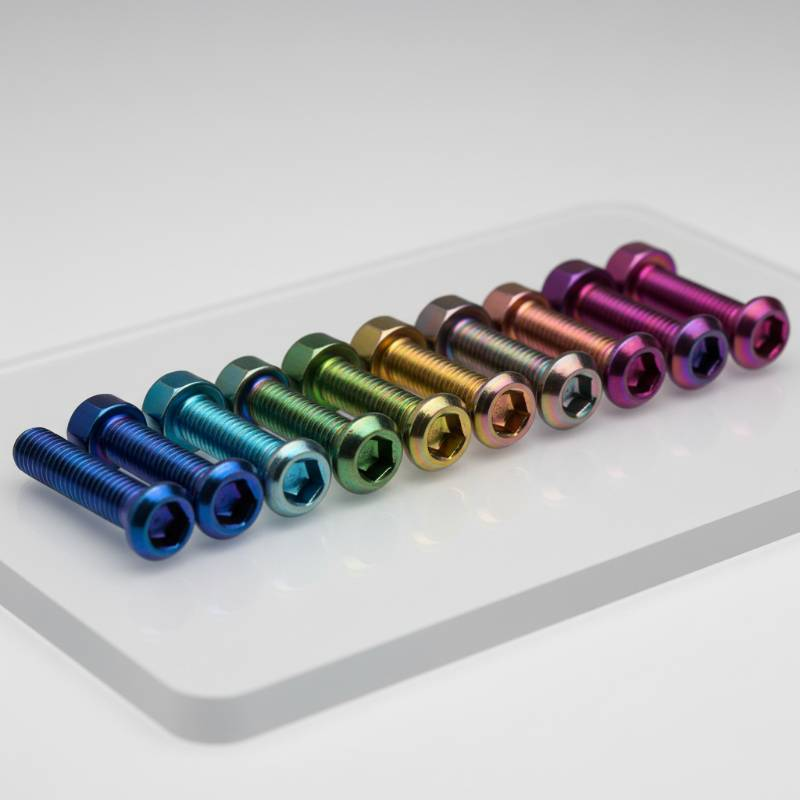
Titanium does not use dyes. To change its hue, we manipulate light itself. This process, known as electrolytic anodization, grows the natural oxide layer (TiO2) on the metal's surface. As this layer thickens, it forces light waves to travel further before reflecting off the base metal. This causes wave interference.
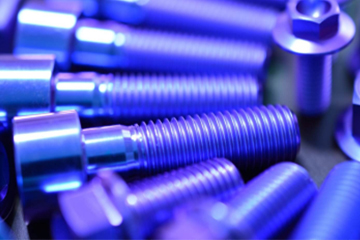
The resulting titanium color depends strictly on voltage. For instance, 15 volts might produce a straw-gold, while 25 volts yields a vibrant purple. This is not a coating. It is an integral part of the metal. Because the color is structural, it cannot chip or peel like paint. We call this The Refractive Interference Principle—the golden rule of titanium aesthetics.
The CTF Chromatic Stability Protocol: Our Proprietary Methodology
Achieving color consistency in mass production is notoriously difficult. A 0.5-volt fluctuation can ruin a batch. To combat this, we developed the CTF Chromatic Stability Protocol. This three-step framework ensures that every titanium color we produce meets aerospace-grade tolerances.
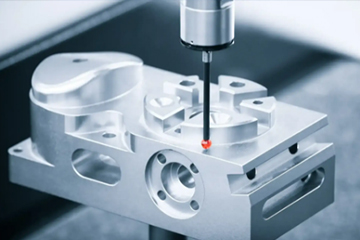
Spectral Mapping: We use high-precision spectrophotometers to quantify the light reflection curve of the raw substrate.
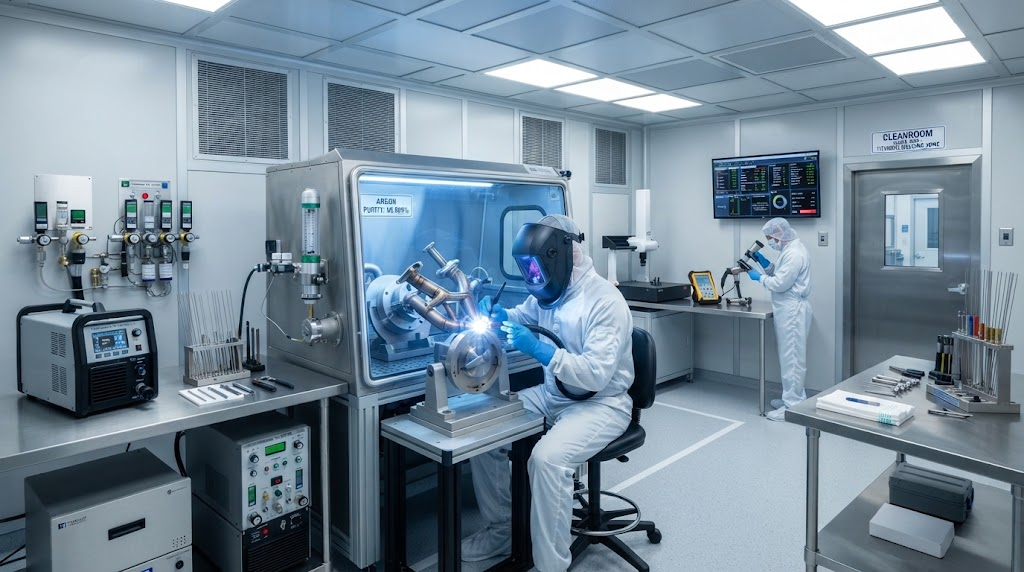
Thermal Stabilization: Before anodization, components undergo vacuum stress-relieving to ensure the surface grain is uniform.
Surface Passivation: A final chemical seal locks the oxide layer, preventing skin oils from altering the refractive index.
According to ASTM International standards, surface preparation is the single most critical factor in metal longevity. Our protocol exceeds these requirements to provide industrial-grade reliability.
Titanium Color in Consumer Electronics: The Apple and Tech Influence
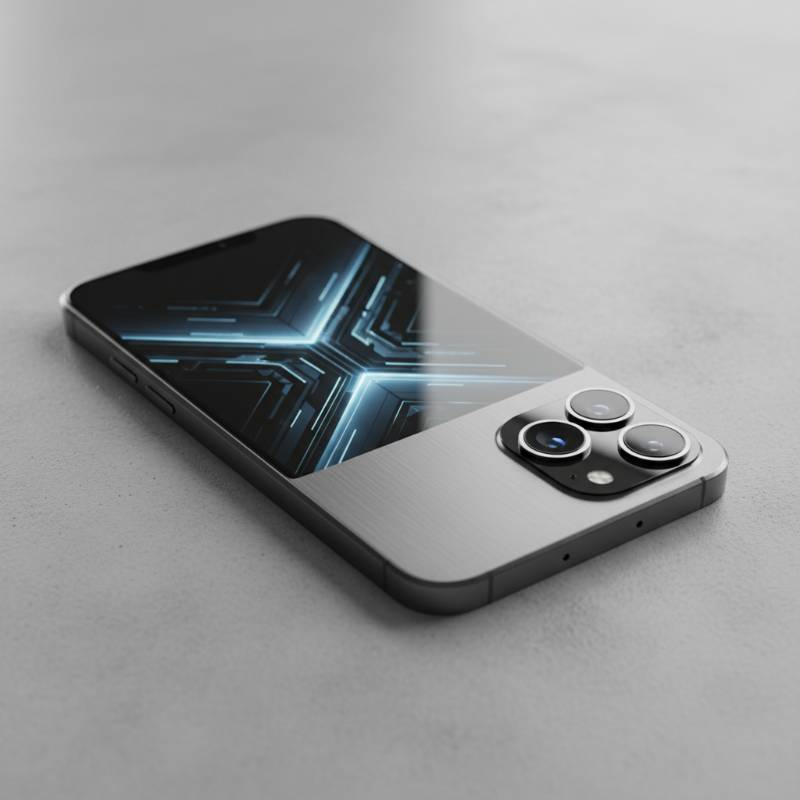
The tech industry recently pivoted toward "Natural Titanium" finishes. This move away from flashy chrome reflects a shift toward "Quiet Luxury." Tech giants use Physical Vapor Deposition (PVD) to enhance the titanium color, adding a micro-layer of ceramic for scratch resistance.
Contrast "Space Black" with "Blue Titanium." The former relies on high-density carbon coatings. The latter uses the interference physics mentioned earlier. These finishes aren't just for looks. They signal a high strength-to-weight ratio that consumers now associate with premium durability.
Cross-Industry Comparison: Automotive, Aerospace, and Jewelry
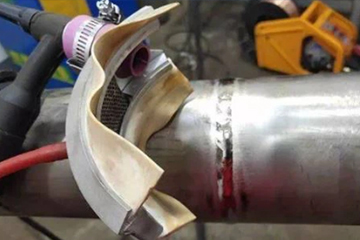
In the automotive sector, titanium color represents extreme performance. High-end exhaust systems often display a "heat tint"—a natural blueing caused by extreme temperatures. This is essentially "accidental anodization." Aerospace engineers, however, prefer the raw, uncolored state for its inspection-friendly surface.
In jewelry, the demand for black titanium has surged. Achieving a true jet black requires a different process than standard anodization. We use high-energy plasma environments to create a titanium-aluminum-nitride layer. This provides a deep, obsidian-like finish that is far more durable than traditional plating.
Technical Comparison: Titanium vs. Stainless Steel and Silver
Understanding the visual weight of these materials requires a side-by-side look at their physical properties. We've compiled our laboratory data into the following comparison table.
| Property | Titanium (Gr 5) | 316L Stainless | 925 Silver |
|---|---|---|---|
| Primary Hue | Medium Grey | Cool Silver-White | Bright White |
| Reflectivity | Moderate (Diffuse) | High (Specular) | Highest |
| Aging Effect | Stable (Oxide) | Minor Yellowing | Tarnish (Black) |
Maintenance and Longevity: Does Titanium Color Fade?
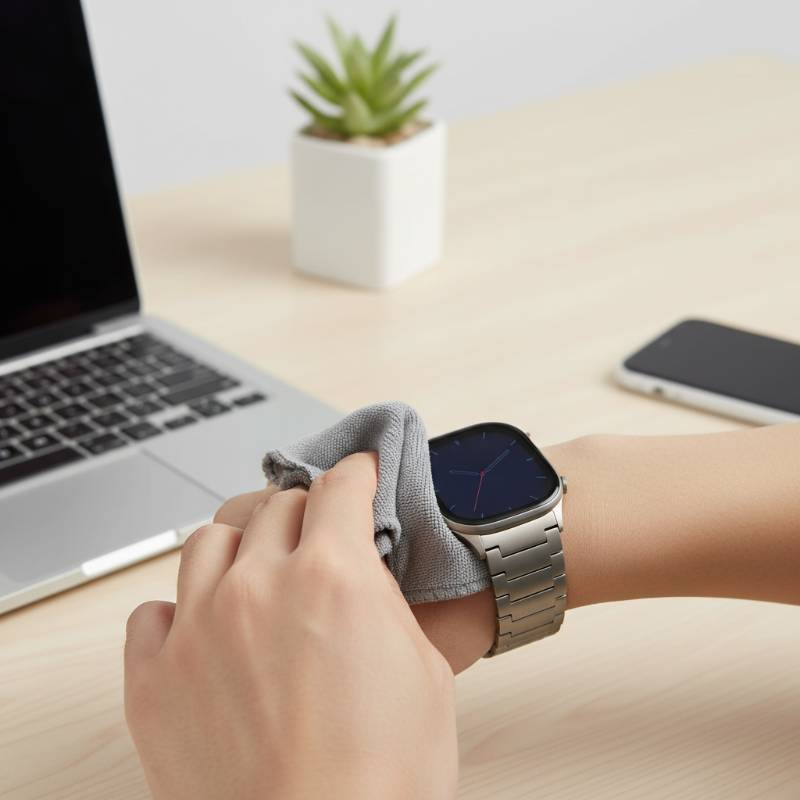
A common misconception is that titanium color fades over time. It doesn't. However, it can "disappear." Because the color is light interference, skin oils can fill the microscopic pores of the oxide layer. This changes how light reflects, often making the color look dull or grey.
Restoring the color is simple. A quick wipe with glass cleaner or isopropyl alcohol removes the oils and restores the original refractive path. For industrial applications, we recommend a permanent surface sealant to maintain the integrity of our industrial titanium solutions.
Frequently Asked Questions About Titanium Color
Is titanium color permanent?
Yes. Since the color is an integral oxide layer formed from the metal itself, it cannot flake off. However, aggressive abrasion can wear down the layer, revealing the natural grey metal underneath.
Why does my titanium ring turn dark?
This is usually due to the accumulation of skin oils or soaps. The oil film changes the light refraction. Cleaning the ring with mild soap or alcohol will immediately bring back the original titanium color.
Is anodized titanium safe for medical use?
Absolutely. Anodization is a biocompatible process. It is frequently used in dental implants and orthopedic screws to help with part identification without introducing toxic dyes. Research on ScienceDirect confirms that TiO2 layers are chemically inert and safe for human tissue.
Ready to Engineer the Perfect Finish?
Whether you need aerospace-grade durability or consumer-tech aesthetics, our team at China Titanium Factory delivers precision. Experience the difference of the CTF Chromatic Stability Protocol.