





















What is Type 3 Titanium Anodizing? Understanding Structural Color
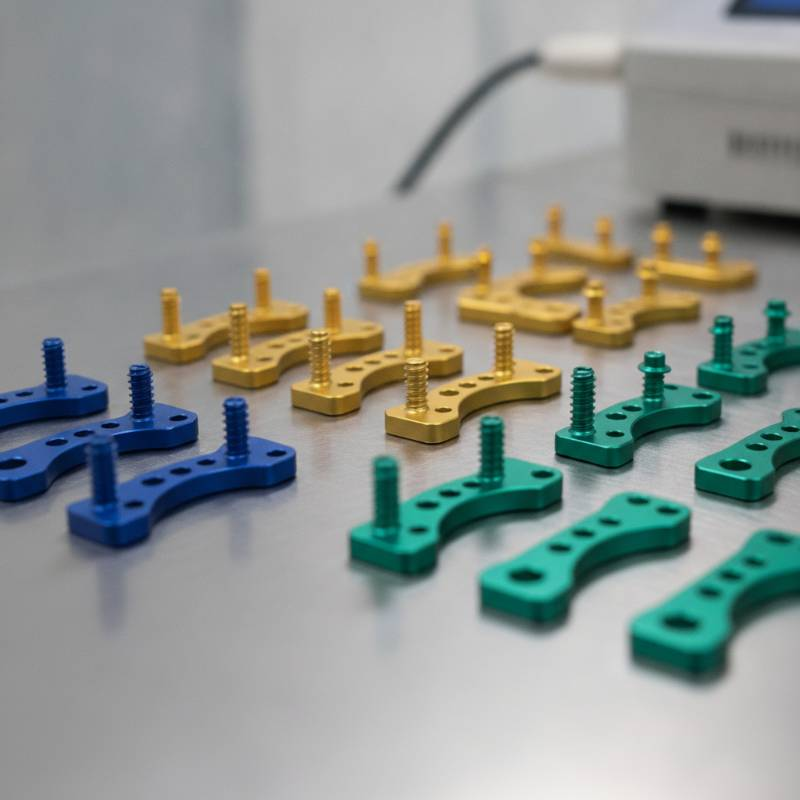
Type 3 titanium anodizing is an electrolytic passivation process that creates a transparent titanium oxide layer on the surface of surgical instruments. Unlike Type 2 anodizing (AMS 2488), which is primarily for wear resistance, Type 3 focuses on vibrant, biocompatible color-coding through light interference.
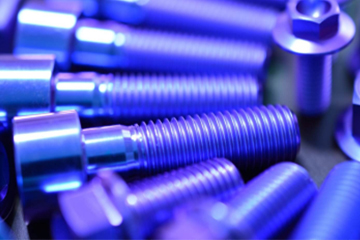
This method does not use dyes, pigments, or coatings. Instead, it manipulates the refractive index of the oxide layer. When light hits the surface, it reflects off both the top of the oxide film and the underlying metal. This creates "structural color" based on the film's thickness.
"In 2026, the shift toward complex orthopedic kits demands micron-level precision in oxide layer thickness. Type 3 anodizing isn't just aesthetic; it’s a critical safety feature for rapid tool identification." — Dr. Li Wei, Chief Metallurgist at China Titanium Factory.
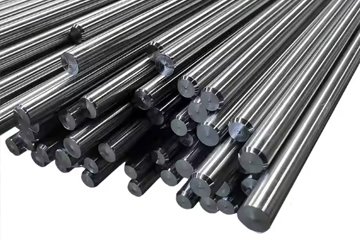
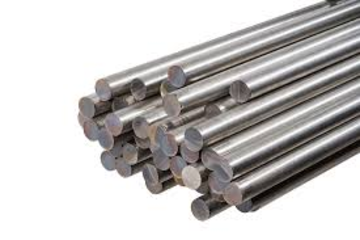
Because the color is part of the metal’s surface morphology, there is zero risk of flaking or leaching. This is paramount for invasive Medical Grade Titanium Rods and tools used in orthopedic or dental procedures.
The Medical Grade Titanium Anodizing Voltage Chart
Precision color reproduction relies on exact voltage control. At China Titanium Factory, we utilize high-precision rectifiers to ensure consistency across large batches of Titanium CNC Machining Services.
| Voltage (DC) | Resulting Color | Typical Application |
|---|---|---|
| 15V | Bronze | Small bone screws (1.5mm) |
| 25V | Purple | Cortex screws |
| 40V | Dark Blue | Standard locking plates |
| 50V | Green | Large fragment tools |
| 70V | Gold | Femoral nails |
| 90V | Pink | Specialized dental abutments |
| 110V | Light Blue | Revision surgery hardware |
Variations in ASTM F136 Ti-6Al-4V ELI Specifications can slightly shift these values. Our lab calibrates every batch to ensure the visual spectrum meets the surgeon's expectations.
The CTF-BioShield™ Protocol: Our Proprietary Anodizing Methodology
We have developed the CTF-BioShield™ Protocol to address the common industry problem of color fading after repeated sterilization. This 5-step process ensures the anodic oxidation is deep and uniform.
Step 1: Ultrasonic Degreasing: Removal of all machining oils using medical-grade solvents.
Step 2: Chemical Activation: A brief etch to remove the native oxide and expose a fresh surface.
Step 3: TSP Electrolytic Bath: We use high-purity Trisodium Phosphate (TSP) as the electrolyte. This is a non-toxic, biocompatible alternative to sulfuric acid.
Step 4: Voltage-Controlled Passivation: Precise application of current to grow the oxide layer to the exact nanometer required.
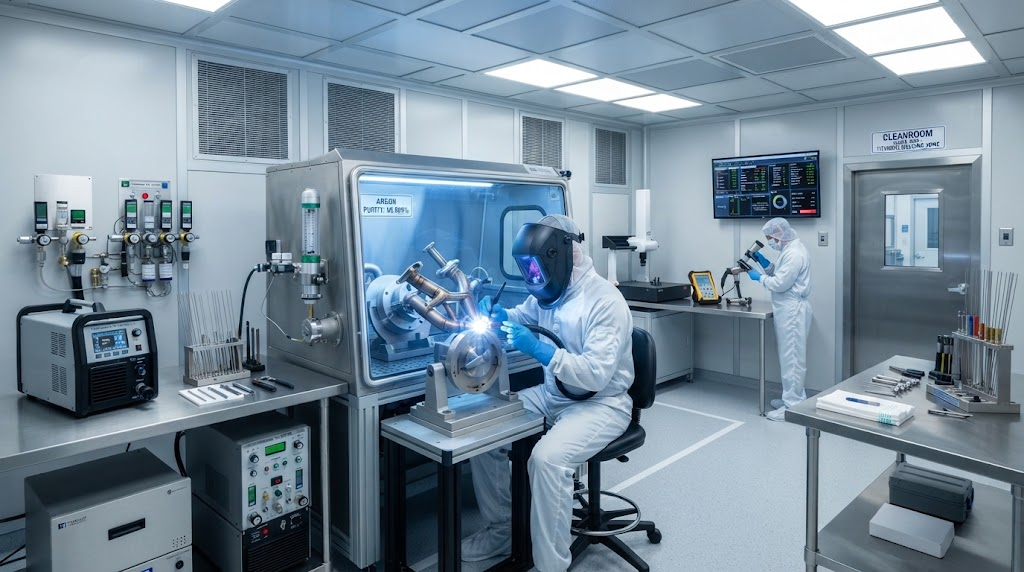
Step 5: Post-Anodic Rinse & Seal: High-purity DI water rinsing to remove electrolyte residues, followed by air-drying in a Class 10,000 cleanroom.

Autoclave Durability and Sterilization Stability
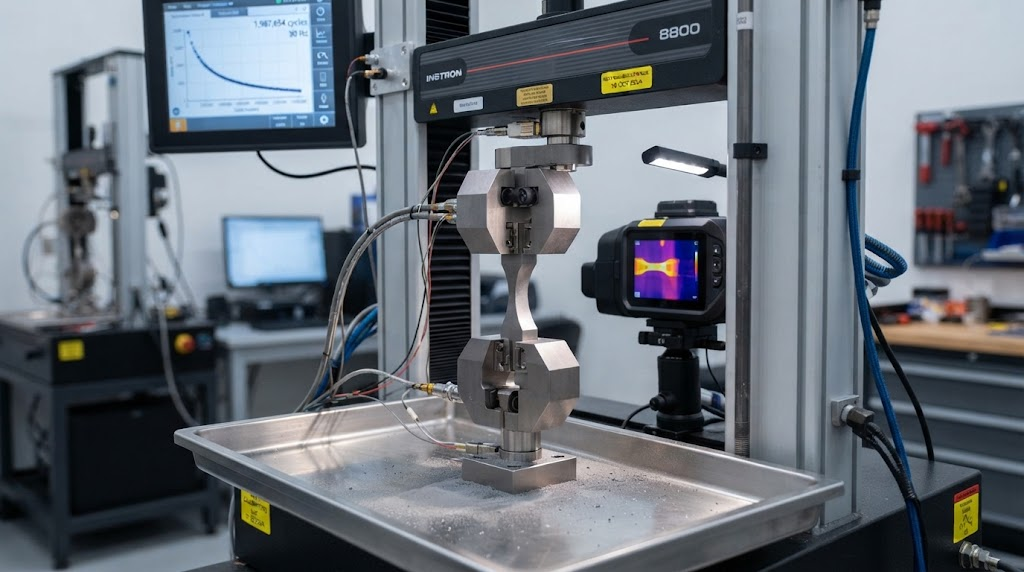
Surgical instruments are subjected to harsh environments. Modern hospitals use high-temperature steam sterilization (Autoclave) frequently. Based on our 2026 internal durability data, instruments processed via the CTF-BioShield™ Protocol show no significant color shift (ΔE < 2.0) after 500 cycles at 134°C.
The corrosion resistance of the titanium oxide layer is significantly higher than raw titanium. This prevents pitting and crevice corrosion, extending the lifecycle of expensive orthopedic hardware. By choosing Type 3 treatment, medical facilities reduce the total cost of ownership for their instrument sets.
Regulatory Compliance: ASTM F86 and ISO 13485 Standards
Safety in the medical field is non-negotiable. Our surface treatment facility is fully compliant with ASTM F86, the standard practice for surface preparation and marking of metallic surgical implants.
Key regulatory focal points include:
Biocompatibility Testing: Ensuring the oxide layer does not elicit a cytotoxic response.
ISO 13485: Our quality management system tracks every instrument through the anodizing bath to the final inspection.
FDA Guidance: We adhere to FDA recommendations for using non-toxic electrolytes and ensuring the absence of heavy metal contamination.
Download the 2026 Medical Titanium Color Reference Card
Are you a design engineer or procurement officer? We have standardized the 2026 Type 3 color palette to help you streamline your product development. This guide includes high-resolution images and exact voltage settings for Ti-6Al-4V ELI.
Access the Engineering Suite
Get the full PDF specifications for Type 3 Titanium Anodizing and surgical tool design standards.
Download 2026 Color Card PDFFrequently Asked Questions About Medical Titanium Anodizing
Does Type 3 anodizing affect the fatigue strength of titanium?
In our testing, the thin oxide layer (typically <200nm) has a negligible effect on the fatigue strength of Grade 5 titanium. It is far less intrusive than Type 2 anodizing, which can sometimes reduce fatigue life due to the thicker, more porous layer.
Can you color-code different parts of a single instrument?
Yes. Through selective masking and multi-stage voltage application, we can achieve multiple colors on a single CNC machined part. This is common for complex retractors and orthopedic drills.
Is the color permanent?
While the color is "permanent" in that it won't peel, it can be removed by abrasive wear or harsh chemicals that etch titanium. However, under normal surgical and sterilization conditions, the color remains stable for years.
Ready to Upgrade Your Surgical Instruments?
China Titanium Factory provides Swiss-grade precision in Type 3 anodizing for global medical device OEMs. Get a quote for your project today.
Contact Our Engineering Team