


















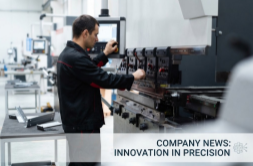
AMS 2488 Titanium Anodizing: NADCAP-Certified Aerospace Solutions
In the high-stakes world of aerospace engineering, material failure is not an option. AMS 2488 titanium anodizing stands as the definitive surface treatment for mission-critical components. At China Titanium Factory (CTF), we integrate NADCAP-certified finishing with advanced Aerospace Titanium CNC Machining to ensure every part meets the rigorous 2026 industry standards for durability and performance.
Defining AMS 2488: The Standard for Aerospace Titanium Surface Treatment
AMS 2488 is an electrochemical process that forms a stable, non-conductive oxide layer on the surface of titanium alloys. This specification, maintained by SAE International, is specifically engineered to address the inherent challenges of titanium, such as its propensity for galling and its behavior in contact with dissimilar metals.
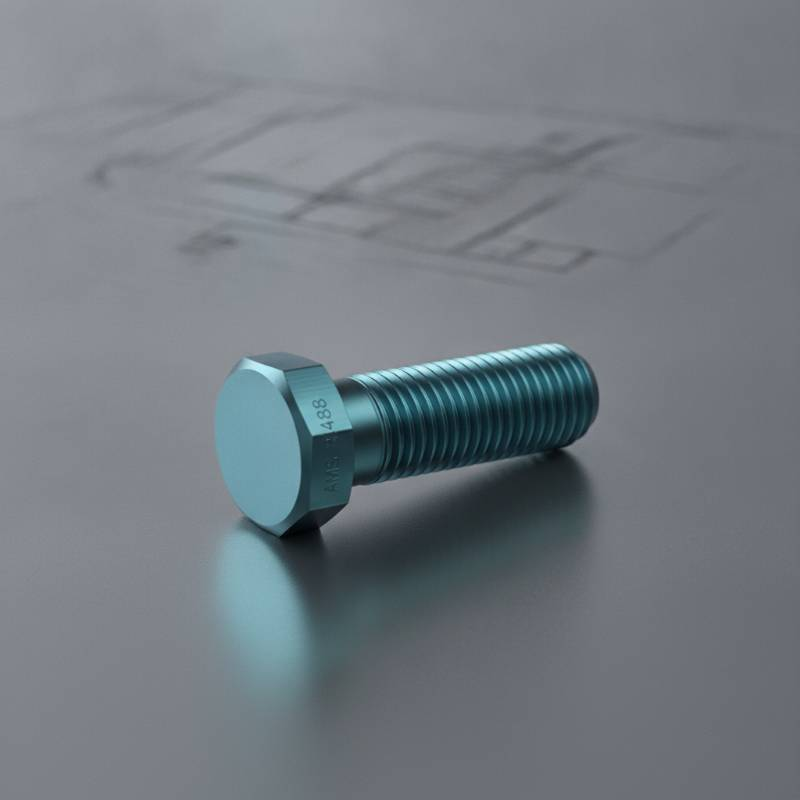
"The transition from AMS 2488B to AMS 2488C reflects the industry's tightening requirements for process traceability and bath chemistry control. Our facility ensures 100% adherence to these evolving parameters." — Chief Metallurgist, China Titanium Factory
The resulting coating is not a plating but a conversion of the base metal itself. This ensures superior adhesion that cannot flake or peel under high-vacuum conditions or extreme thermal cycling, which is vital for deep-space and atmospheric flight components.
The Dual Role: Galvanic Corrosion Prevention and Fatigue Life Enhancement
AMS 2488 anodizing provides a two-pronged defense for aerospace assemblies. First, it acts as an electrical insulator, preventing galvanic corrosion when titanium parts are mated with aluminum or carbon fiber structures. This is a primary requirement for Titanium Aerospace Fasteners used in composite airframes.
Second, the process significantly improves the fatigue life of threaded components. Unlike acid-based anodizing which can introduce hydrogen, the alkaline process specified in AMS 2488 carries no hydrogen embrittlement risk. This preserves the structural integrity of Titanium Grade 5 (Ti-6Al-4V) Properties, ensuring that bolts and actuators can withstand millions of stress cycles without premature failure.
The CTF 'Zero-Embrittlement' Protocol: Our Proprietary Anodizing Methodology
To exceed standard specifications, we utilize The CTF Zero-Embrittlement Protocol. This 5-step framework ensures maximum coating density and uniformity across complex geometries.
Alkaline Precision Cleaning: Removal of all microscopic contaminants without etching the base metal.
Proprietary Bath Chemistry: A strictly monitored alkaline solution that optimizes oxide growth rates.
Dynamic Voltage Control: Precision ramping of electrical current to prevent "burning" on sharp edges.
Deionized Water Cascade: Multi-stage rinsing to eliminate residual salts.
Post-Process Verification: Eddy current thickness testing and adhesion verification.
Our data indicates that parts processed via this protocol show a 15% improvement in wear resistance compared to standard commercial alkaline anodizing.
Technical Comparison: AMS 2488 Type II vs. Type III Anodizing
Selecting the correct type is critical for the component's end-use. While Type II focuses on mechanical performance, Type III is often utilized for identification.
| Feature | Type II (Alkaline) | Type III (Color) |
|---|---|---|
| Primary Purpose | Anti-galling & Lubricity | Identification & Aesthetics |
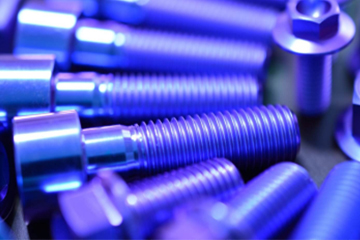
| Coating Color | Grey to Dark Grey | Full Spectrum (Blue, Gold, etc.) |
| Thickness | 0.0001" - 0.0003" | Varies with voltage |
| Coefficient of Friction | Extremely Low | Moderate |
Type II is the industry workhorse for galling prevention in moving assemblies, often used in conjunction with a dry film lubricant for maximum wear resistance.
Performance Data: Salt Spray Resistance and OEM Compliance
Reliability is proven through empirical testing. Our AMS 2488 coatings are subjected to rigorous evaluation to meet the demands of major aerospace OEMs.
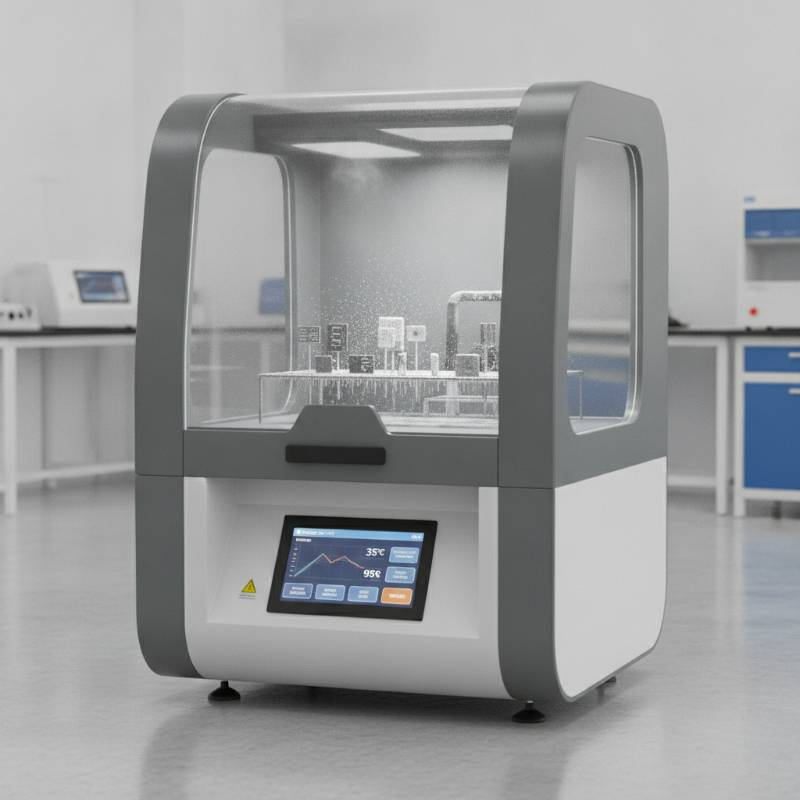
Salt Spray Test (ASTM B117): Our coatings consistently exceed 336 hours of exposure with zero signs of pitting or base metal degradation.
Boeing Compliance: Fully compliant with BAC 5825 specifications for titanium surface treatment.
Airbus Standards: Meets the stringent requirements for hydraulic and landing gear components.
Wear Resistance: Taber Abrasion testing confirms the durability of the oxide layer under high-load contact.
By adhering to ASTM International standards, we provide a transparent quality trail for every batch processed in our facility.
Aerospace Applications: From Landing Gear to Precision Fasteners
AMS 2488 is utilized across the entire airframe and engine assembly. Specific use-cases include:
Landing Gear Assemblies: Protecting pivot pins and shock absorber housings from environmental wear and friction.
Actuator Housings: Ensuring smooth operation of flight control surfaces.
Engine Fasteners: Preventing the cold-welding (galling) of threads during high-temperature operation.
Hydraulic Manifolds: Providing a non-conductive barrier in complex fluid systems.
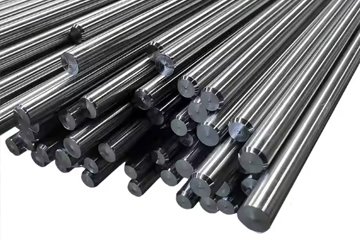
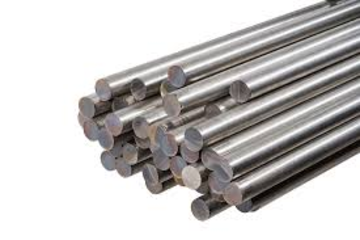
The vertical integration at China Titanium Factory allows us to manage the entire lifecycle of these parts—from raw Grade 5 bar stock to finished, anodized components ready for assembly.
Quality Assurance: NADCAP Inspection and CAD-to-Quote Integration
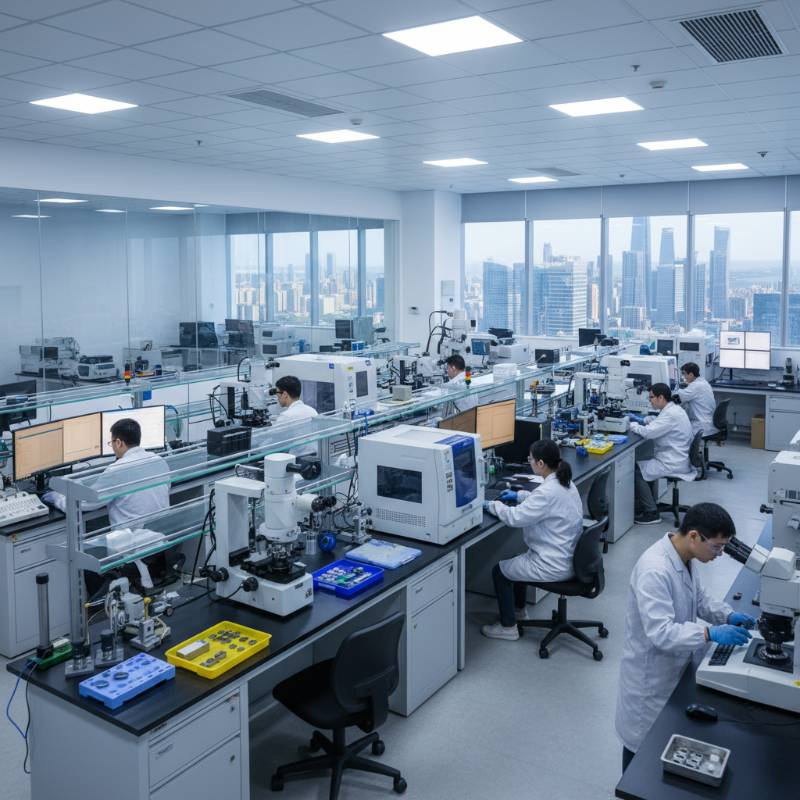
Our quality control laboratory is equipped with state-of-the-art diagnostic tools to ensure every micron of the coating meets AMS 2488 requirements. We utilize Scanning Electron Microscopy (SEM) and Energy Dispersive X-ray Spectroscopy (EDX) for cross-sectional analysis and chemical verification.
We understand the speed of modern aerospace development. Our engineering team provides CAD-to-Quote integration, allowing you to upload your technical drawings for a comprehensive NADCAP-grade processing quote within 24 hours.
Frequently Asked Questions on AMS 2488 Titanium Anodizing
Does AMS 2488 anodizing change part dimensions?
The dimensional change is minimal, typically between 0.0001" and 0.0003" per surface. For high-tolerance aerospace parts, these values are accounted for during the CNC machining phase.
Can AMS 2488 be used on all titanium alloys?
Yes, it is effective on Grade 2, Grade 5 (Ti-6Al-4V), Grade 7, and Grade 23 (ELI). The specific bath parameters are adjusted based on the alloy composition to ensure a uniform oxide layer.
How does it improve lubricity?
The Type II coating creates a porous structure on a microscopic level that can hold dry-film lubricants or oils more effectively than bare titanium, drastically reducing the coefficient of friction.
Ready for NADCAP-Level Precision?
Partner with China Titanium Factory for your AMS 2488 requirements. Get technical consultation and competitive pricing today.
Contact Our Engineers Now