






















Electrochemical Fundamentals: IrO2-Ta2O5 Oxygen Evolution Catalysis
Titanium anodes for copper electrowinning leverage a catalytic Mixed Metal Oxide (MMO) coating on an unyielding titanium core to slash anodic overpotentials in acidic sulfate solutions. By replacing high-resistance passivation films typical of lead alloys with an electrochemically active binary IrO2-Ta2O5 structure, modern electrowinning cells cut cell voltage by 300 to 500 mV while eliminating lead sludge completely.
In modern copper electrowinning (EW) circuits, the primary anodic reaction is the Oxygen Evolution Reaction (OER):
2H₂O → O₂ + 4H⁺ + 4e⁻ (E° = +1.23 V vs. SHE)
On conventional lead-tin-calcium (Pb-Sn-Ca) anodes, this reaction experiences massive kinetic resistance. The formation of non-conductive PbSO4 and thick PbO2 passivating layers drives the actual operating potential to +1.95 V–+2.10 V vs. Standard Hydrogen Electrode (SHE).
Dimensionally Stable Anodes (DSA®) developed with our proprietary QuadraLayer-OER Kinetics Formulation combine electrocatalytic iridium dioxide (IrO2) with stabilizing tantalum pentoxide (Ta2O5). IrO2 delivers active catalytic sites with low activation energy for intermediate hydroxyl radical adsorption, while Ta2O5 acts as an amorphous, corrosion-resistant matrix that halts acid migration toward the underlying titanium base.
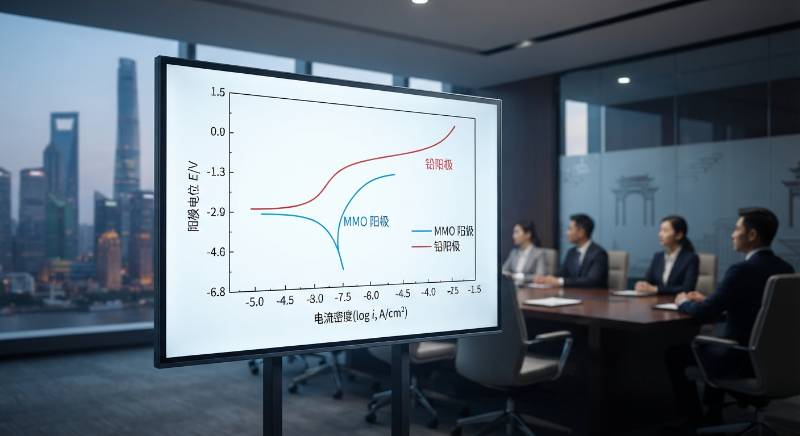
In our electrochemical production testing conducted under NACE TM0108 standards at 60°C in 180 g/L H2SO4, this coating chemistry maintains an anodic overpotential below 280 mV at 450 A/m². This reduces operating cell tension and prevents catastrophic thermal spikes within high-current commercial tankhouses.
MMO Titanium vs. Pb-Sn-Ca Lead Alloy Anodes: Technical Comparison
Modern hydrometallurgical tankhouses face rising power tariffs and stringent cathode purity demands (LME Grade A). Traditional cast or rolled Pb-Sn-Ca anodes degrade continuously, shedding hazardous lead flakes that contaminate cathode deposits and require frequent cell cleaning cycles.
Switching to MMO titanium anodes eliminates these metallurgical bottlenecks. Below is an engineering performance matrix comparing lead-alloy systems with engineered titanium anodes.
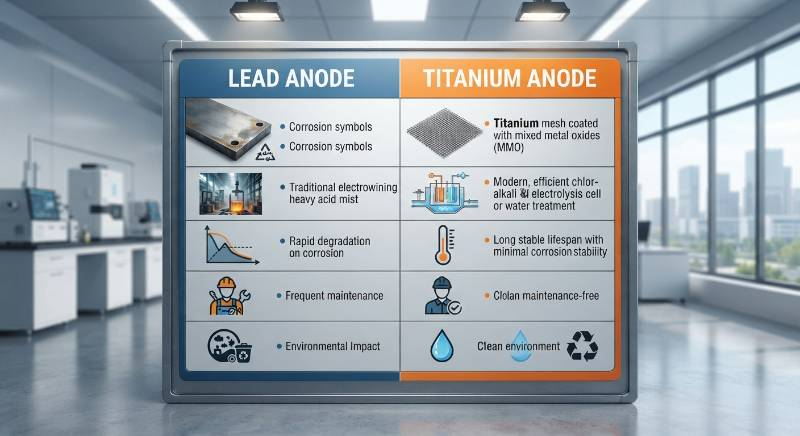
| Operating Metric | Cast/Rolled Pb-Sn-Ca Anode | MMO Titanium Anode (China Titanium Factory) |
|---|---|---|
| Operating Cell Voltage | 2.00 V – 2.20 V | 1.65 V – 1.75 V (-350 to -450 mV) |
| Specific Energy Consumption | 2,000 – 2,250 kWh/t Cu | 1,650 – 1,850 kWh/t Cu (12–15% Savings) |
| Cathode Lead Contamination | 2 – 8 ppm Pb (Risk of off-spec copper) | < 0.5 ppm Pb (Consistent 99.999% Cu) |
| Sludge Generation Rate | 3.0 – 6.0 kg PbO2 sludge/t Cu | Zero Sludge Generation |
| Anode Structural Weight | 90 – 120 kg per unit (Heavy sag risk) | 12 – 18 kg per unit (Lightweight structural mesh) |
| Substrate Recyclability | Requires remelting & casting | 100% reusable titanium substrate (Recoatable) |
The elimination of lead sludge prevents physical blockages across the electrolyte manifold. It also removes the dangerous chore of manual tank cleaning and hazardous waste disposal.
Substrate Metallurgy and Fabrication Standards
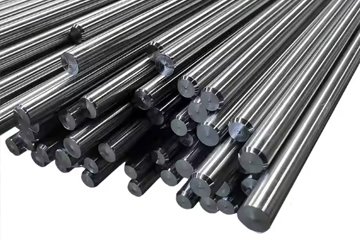
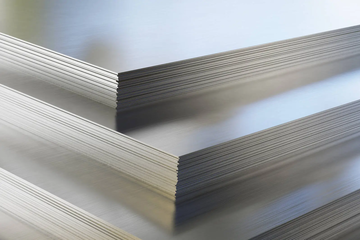
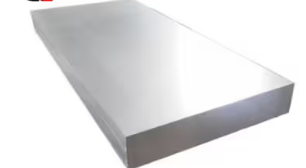
Substrate stability underpins MMO coating performance. We fabricate our anode cores from unalloyed ASTM B265 Grade 1 titanium sheet and mesh.
Grade 1 provides maximum ductility, superior electrical conductivity, and minimal impurity contents (Iron < 0.20%, Oxygen < 0.18%). This purity profile protects against localized galvanic blistering during thermal cycles.
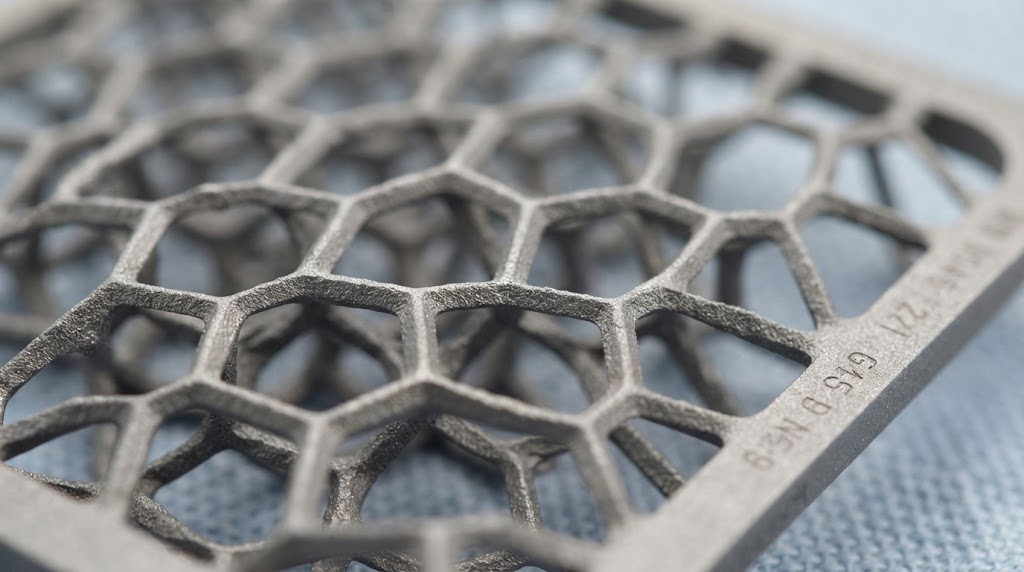
Before coating application, our substrate preparation protocol involves an aggressive three-stage surface activation sequence:
Alkaline Degreasing: Complete removal of rolling oils, drawing lubricants, and surface particulates.
Micro-Abrasive Blasting: Controlled aluminum oxide grid blasting to achieve an anchor profile roughness (Ra) of 4.5–6.0 µm.
Boiling Oxalic/Sulfuric Acid Etching: Formation of an interlocking titanium hydride (TiHx) surface layer that mechanically anchors the liquid metal-salt precursor during thermal deposition.
Engineering Insight: An insufficient Ra profile (< 3.0 µm) reduces coating adhesion, causing early delamination under operational stress. Our ISO 9001:2015 certified process guarantees inter-coat shear strength exceeding 35 MPa.
Heavy-Duty Busbar Architecture: Explosion Bonding & Diffusion Welding
ASTM B898 Explosion Cladding Mechanics
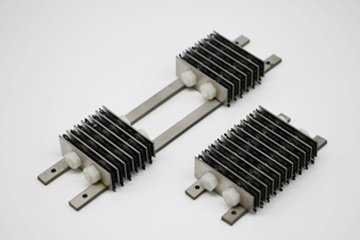
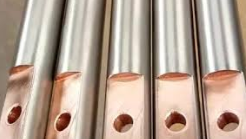
Electrical cross-sections in electrowinning demand high conductivity to carry 400–800 A/m² without thermal losses along the hanger bar. We utilize explosion-bonded titanium-clad copper bars manufactured strictly according to ASTM B898.
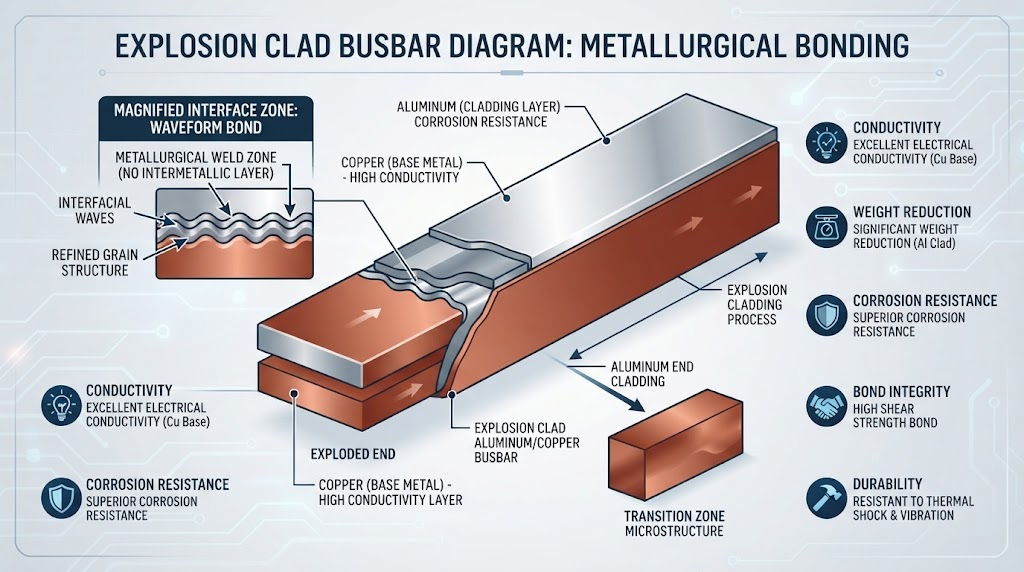
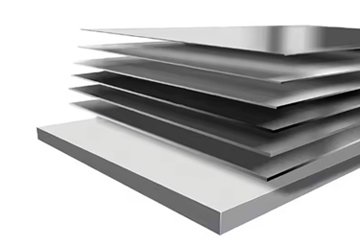
Explosion bonding drives a high-velocity metallurgical wave bond between the pure electrolytic tough pitch (ETP) copper core and the outer 1.5–2.5 mm Grade 1 titanium sleeve. The resulting interfacial shear strength exceeds 140 MPa with 0% voiding.
Diffusion-Welded Blade Connections
Connecting the titanium mesh anode blade to the titanium-clad copper busbar is a common point of electrical failure. Mechanical fasteners loosen under daily thermal swings, leading to aggressive electrolyte crevice corrosion.
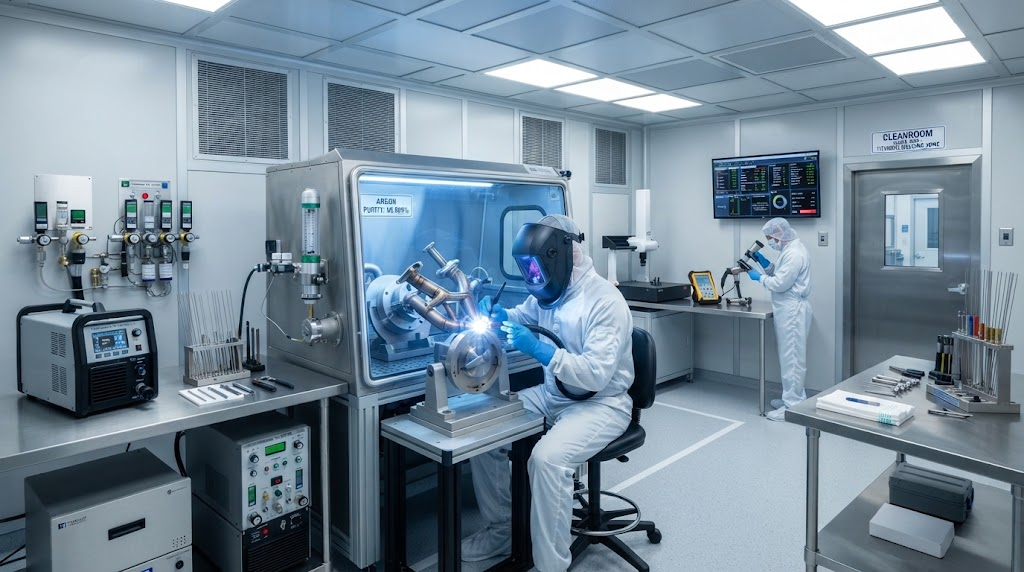
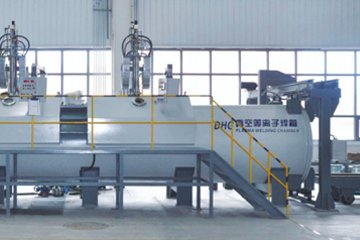
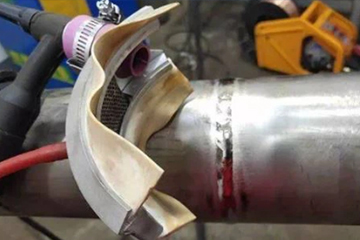
At China Titanium Factory, we employ automatic orbital TIG welding within inert argon chambers alongside vacuum solid-state diffusion welding. This design produces continuous, zero-resistance titanium-to-titanium seals that block acid mist intrusion into the internal copper core.
Short-Circuit Protection, Edge Guards, and Tankhouse Engineering
Operational disturbances in electrowinning—such as crooked cathode blanks, uneven crane drops, and dendritic copper nodulation—pose constant short-circuit hazards. When a high-current short circuit connects with an MMO coating, local temperatures surge past 1,000°C, burning off the noble metal oxide.
To prevent localized coating burn-through, our titanium anode assemblies feature integrated cell-defense components:
PVDF Extruded Edge Protectors: Custom-profiled Polyvinylidene Fluoride (PVDF) strips lock along anode vertical edges. PVDF resists degradation in 200 g/L H2SO4 at 65°C and withstands organic solvent carryover from SX circuits.
Cross-Bottom Spacers: Non-conductive bottom isolators maintain exact inter-electrode spacing (intercell gap tolerances within ±1.0 mm), neutralizing swing during high-flow electrolyte circulation.
Rigidizer Stiffener Ribs: Grade 1 titanium corrugation ribs welded horizontally across high-aspect-ratio mesh blades keep the assembly flat and prevent thermal distortion.
Operational Parameter Limits and Electrolyte Chemistry Control
While MMO titanium anodes operate reliably across conventional tankhouses and high-rate cyclone/swirl cells, maintaining electrolyte chemistry within specified bounds is critical to reaching a 6-to-8-year continuous operational service life.
| Electrochemical Parameter | Conventional EW Tankhouse | Cyclone / EMEW® Cells |
|---|---|---|
| Current Density | 250 – 500 A/m² | 1,000 – 3,000 A/m² |
| H₂SO₄ Concentration | 150 – 200 g/L | 160 – 220 g/L |
| Electrolyte Temperature | 40°C – 55°C | 45°C – 65°C |
| Chloride (Cl⁻) Threshold | < 30 ppm (Max 50 ppm) | < 20 ppm |
| Fluoride (F⁻) Strict Limit | < 1.0 ppm (Critical poison) | < 0.5 ppm |
| Manganese (Mn²⁺) Ion | < 5 ppm (Avoid MnO2 scale) | < 2 ppm |
Degradation Mechanics and Fluoride Poisoning Prevention
Substrate Interfacial Passivation
The primary end-of-life mechanism for an MMO anode is not mechanical friction, but gradual oxygen diffusion through the micro-porous IrO2-Ta2O5 crystal structure. When oxygen ions reach the titanium substrate, they react to form non-conductive titanium dioxide (TiO2):
Ti + 2O²⁻ → TiO₂ + 4e⁻ (Dielectric Barrier Formation)
As this interfacial layer grows, anode electrical resistance jumps, triggering an automatic cell trip due to high voltage. To counteract this deactivation mode, China Titanium Factory incorporates a thin, conductive intermediate valve-metal barrier coat between the titanium core and the active electrocatalytic layer.
Fluoride Ion Poisoning (F⁻ Chemical Attack)
Fluoride ions are hazardous to titanium electrochemical equipment. Unlike chlorides, which undergo anodic oxidation, free HF/F⁻ dissolves the native protective TiO2 passivation film at concentrations as low as 2–3 ppm:
TiO₂ + 6HF → [TiF₆]²⁻ + 2H⁺ + 2H₂O
This reaction dissolves the substrate right beneath the active coating, peeling off noble metal flakes. In operations with high-fluoride pregnant leach solutions (PLS), we apply enhanced tantalum-stabilized barrier layers and recommend upstream aluminum-sulfate complexation conditioning.
The China Titanium Factory Anode Life-Cycle Recoating Protocol
The primary lifecycle advantage of DSA® over legacy lead systems is complete substrate reusability. A worn titanium anode does not need to be scrapped. China Titanium Factory runs a 5-step circular refurbishing program that cuts replacement CAPEX by 50–60%.
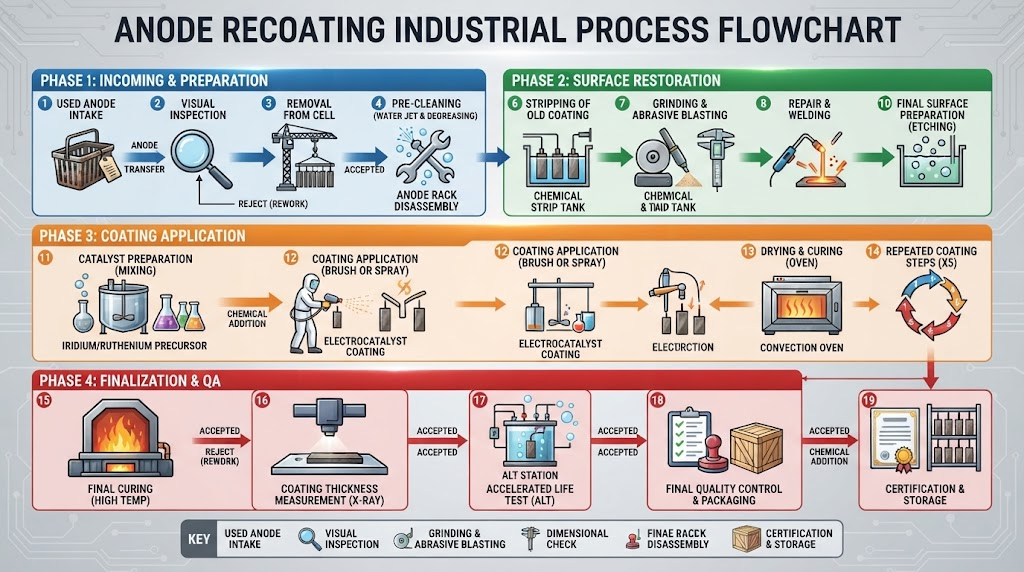
Phase 1: Diagnostic Electrochemical Mapping: Anodes undergo non-destructive residual coating scanning using X-ray fluorescence (XRF) and polarization decay checks to assess substrate structural health.
Phase 2: Pyrolytic Chemical Stripping: Exhausted oxide layers are cleanly removed via molten salt bath immersion or controlled acid digestion, avoiding base-metal thinning.
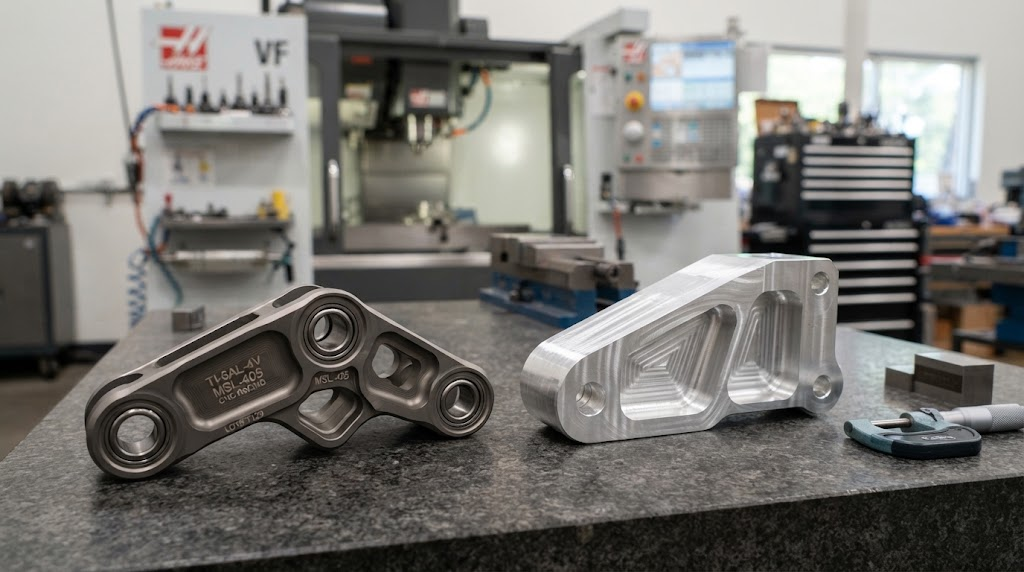
Phase 3: Structural Re-Engineering: Mesh repair, flatness leveling (tolerance < 1.5 mm across full face), and TIG reinforcement of the busbar transition.
Phase 4: High-Roughness Surface Reactivation: Re-etching to expose clean titanium grains and re-establish the TiHx micro-anchor structure.
Phase 5: Automated Thermal Decomposition: Liquid Ir-Ta precursor salts are applied via robotic multi-pass coating, dried, and calcined in digitally controlled furnaces to re-establish the catalytic crystal structure.
CAPEX vs. OPEX Analysis & Energy Payback Model
While the upfront purchase cost of MMO titanium anodes is higher than that of rolled Pb-Sn-Ca plates, their lower operating costs provide rapid return on investment. The economic justification rests on two pillars: net electrical energy savings and lower operating maintenance.
Payback Formula:
Annual Power Savings ($) = Annual Metric Tons Cu Produced × ΔkWh/t Cu × Unit Electricity Cost ($/kWh)
Consider a 50,000 metric ton per year (tpy) copper electrowinning plant operating at an average power tariff of $0.08 per kWh:
Cell Voltage Reduction: 400 mV drop (2.05 V down to 1.65 V)
Specific Power Reduction: ~340 kWh saved per metric ton of copper
Annual Electricity Savings: 50,000 t × 340 kWh/t × $0.08/kWh = $1,360,000 USD / Year
Elimination of Cobalt Sulfate Additive: Lead anodes require CoSO4 dosing (150–200 g/t Cu) to stabilize the PbO2 layer. MMO anodes need zero cobalt, saving another $120,000–$180,000 USD / Year.
For most commercial operations, the capital expenditure difference delivers full payback within 14 to 22 months of continuous production.
Custom Anode Fabrication Capabilities by China Titanium Factory
China Titanium Factory manufactures custom-engineered MMO titanium anodes tailored to greenfield plants and brownfield conversions alike. We support diverse cell geometries, including conventional parabolic concrete cells, Polypropylene-lined tanks, and rapid-recovery swirl reactor tubes.
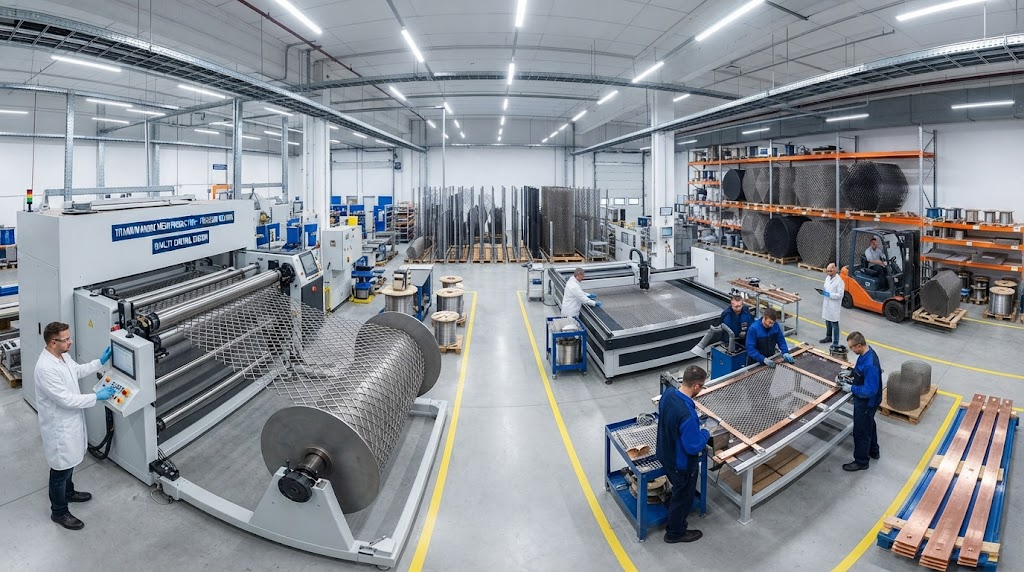
Our core manufacturing specifications include:
Substrate Geometries: Expanded diamond mesh (long way of mesh 12.5 mm, short way 4.5 mm), solid plates, slotted sheets, and perforated cylindrical tubes.
Precision Tolerances: Laser cutting and automated level-rolling ensure dimensional straightness within ±1.0 mm across 1,500 mm blade spans.
Coating Formulations: Customized IrO2-Ta2O5 ratios (up to 70:30 molar ratio) engineered specifically for your current density and PLS organic carryover profile.
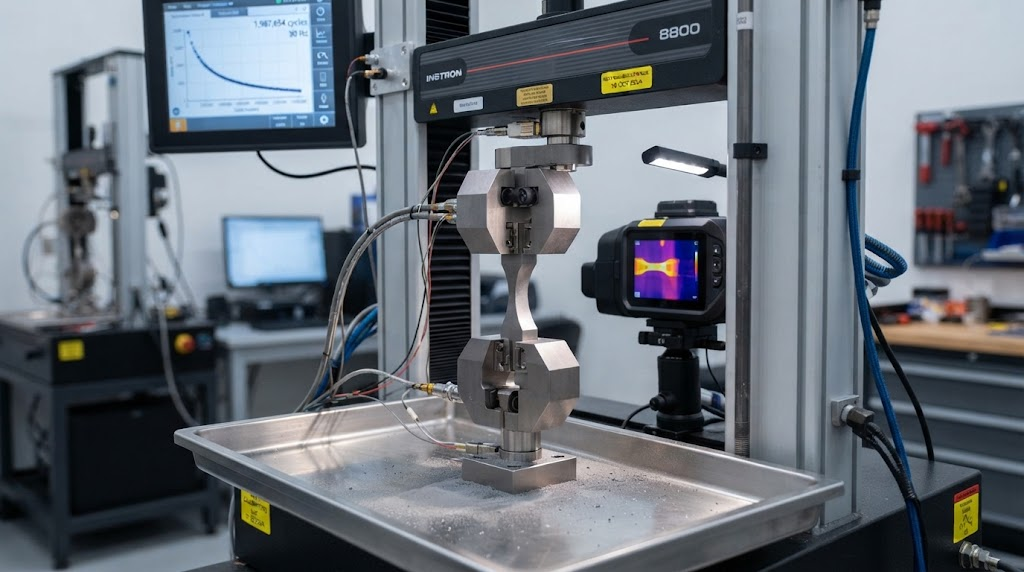
Quality Assurance: Accelerated life testing (NACE TM0108), 100% XRF coating loading verification, and dye-penetrant testing on all clad welds.
Frequently Asked Questions (FAQ)
What is the typical operating life of MMO titanium anodes in copper electrowinning?
Under recommended operational conditions (< 500 A/m², < 1 ppm F⁻, < 30 ppm Cl⁻, 45–50°C), our anodes consistently deliver 6 to 8+ years of continuous service before recoating is required.
Can we retrofit our existing Pb-Sn-Ca tankhouse with MMO titanium anodes without changing cell architecture?
Yes. We engineer our hanger bars, center drop dimensions, and overall blade weights to match your existing tankhouse busbar layouts and crane lifting bales directly.
Do we need to continue adding Cobalt Sulfate (CoSO4) when using titanium anodes?
No. Cobalt sulfate is only required to suppress oxygen evolution overpotential and stabilize PbO2 on lead anodes. When transitioning fully to MMO titanium anodes, cobalt additions can be eliminated, cutting operational costs.
How many times can a single titanium substrate be recoated?
Because our controlled chemical stripping preserves the underlying ASTM B265 Grade 1 titanium base, a single mesh or plate substrate can typically be stripped and recoated 3 to 5 times over an operating lifespan exceeding 25 years.