





















Choosing the right electrode for electrochemical oxidation isn't just a technical detail. It is a financial pivot point. In the battle of MMO vs BDD anodes, the decision often dictates whether a wastewater treatment plant meets regulatory discharge limits or faces heavy fines. While Mixed Metal Oxide (MMO) has long been the industry workhorse, Boron-Doped Diamond (BDD) is rewriting the rules for mineralization efficiency.
Defining the Contenders: What Are MMO and BDD Anodes?
Before comparing performance, we must understand the material science. These two technologies operate on fundamentally different electrochemical principles.
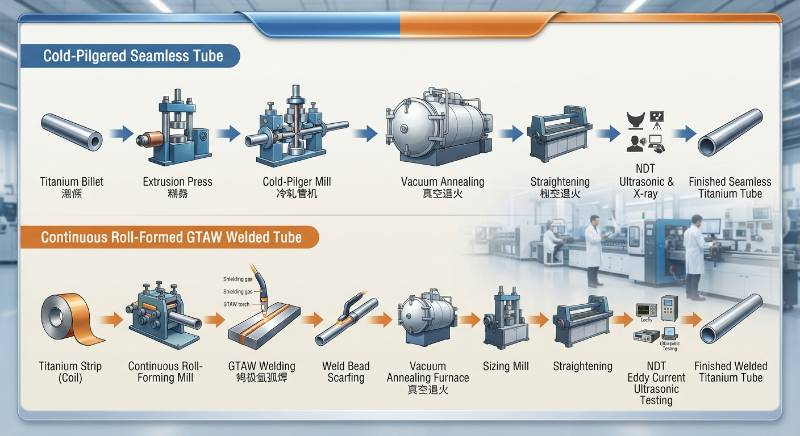
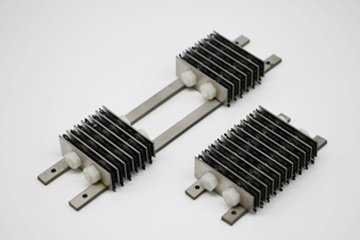
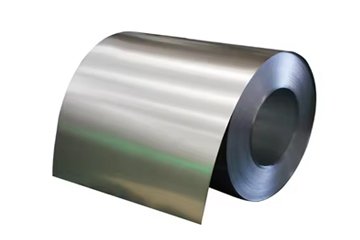
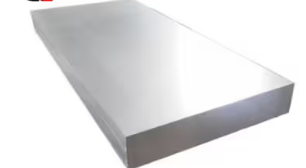
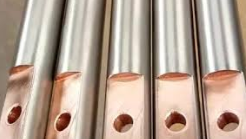
Mixed Metal Oxide (MMO) Anodes: A titanium substrate coated with a thin layer of noble metal oxides (typically Iridium, Ruthenium, or Tantalum). They are optimized for high oxygen evolution or chlorine evolution reactions.
Boron-Doped Diamond (BDD) Anodes: A synthetic diamond layer grown on a substrate (titanium, silicon, or niobium) and doped with boron to provide electrical conductivity. Known for their extreme chemical stability and high overpotential for oxygen evolution.
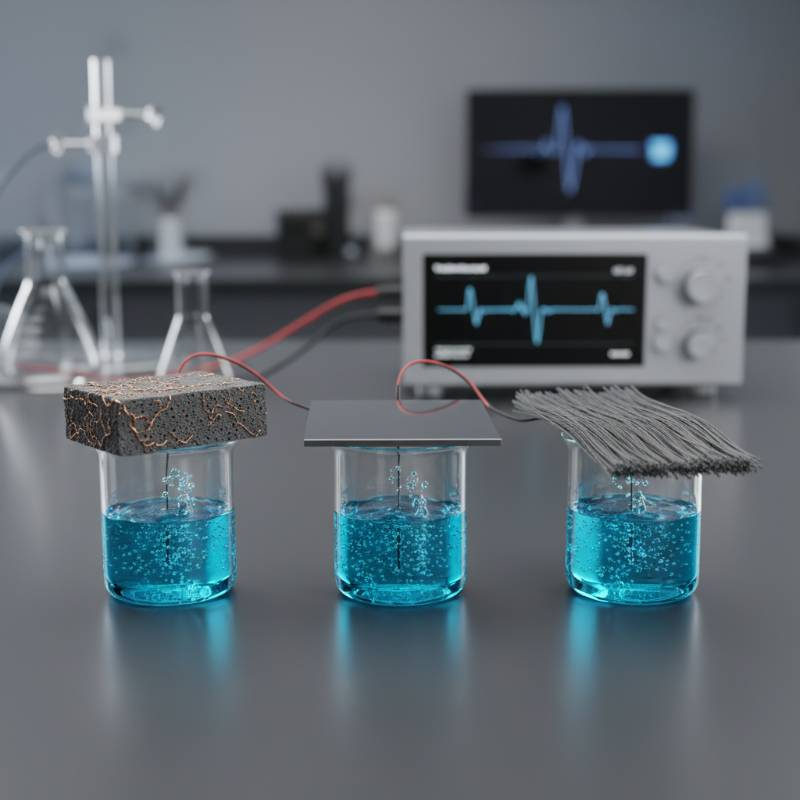
At ChinaTitaniumFactory.com, we define the "Golden Rule of Anodes" as: Select the material that minimizes secondary waste while maximizing electron transfer to target pollutants. MMO excels in simplicity, while BDD excels in destruction.
The Apex-Flow™ Selection Protocol: Our Proprietary Methodology
To cut through the marketing noise, we developed the Apex-Flow™ Selection Protocol. This four-step framework ensures you don't over-engineer a simple project or under-power a complex one.
Assessment: Identify the ratio of biodegradable to non-biodegradable organics.
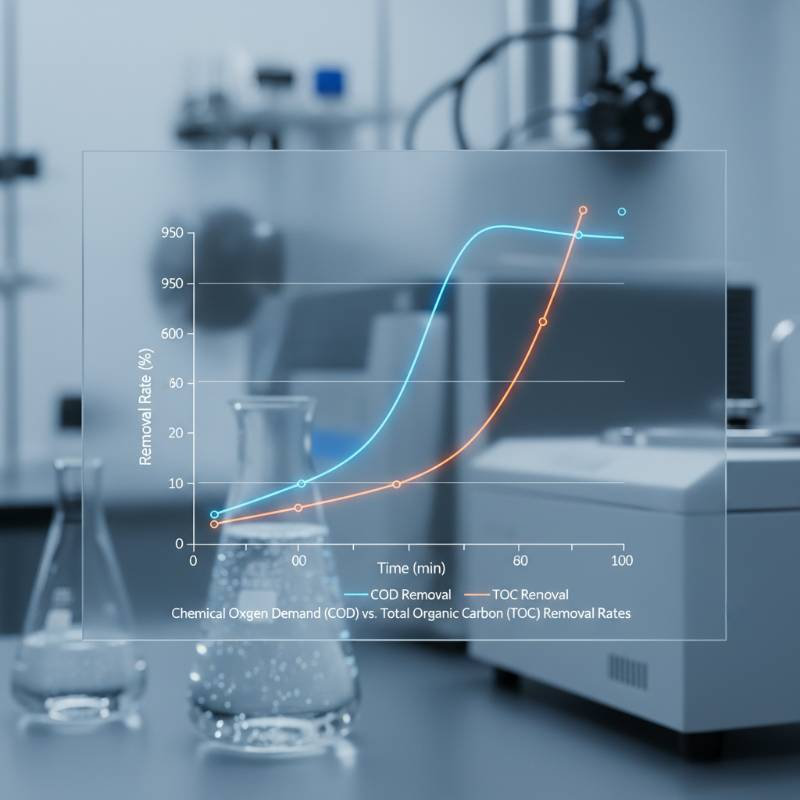
Parameterization: Define target COD (Chemical Oxygen Demand) vs. TOC (Total Organic Carbon) reduction goals.
Electrolyte Analysis: Measure chloride concentration. High chlorides might favor MMO titanium anodes for indirect oxidation.
X-Factor ROI: Calculate the 5-year operational cost including energy and replacement cycles.
According to our analysis, skipping Step 3 is the most common cause of electrode failure in industrial settings. If your electrolyte is highly corrosive, your substrate choice is as vital as your coating.
Performance Benchmarks: COD Removal and Mineralization Kinetics
The primary difference in MMO vs BDD anodes lies in how they handle organics. MMO typically relies on indirect oxidation. It produces oxidants like chlorine or hypochlorite which then react with the waste. This is efficient for disinfection but often leaves behind toxic byproducts.
BDD, conversely, produces hydroxyl radicals (•OH) directly on the surface. These radicals are non-selective and extremely aggressive. They don't just "break down" molecules; they mineralize them into CO2 and water. Research published in ScienceDirect indicates that BDD can achieve nearly 100% current efficiency for TOC removal in many refractory effluents.
| Feature | MMO Anodes | BDD Anodes |
|---|---|---|
| Oxidation Mechanism | Indirect (Chlorine/Oxygen) | Direct (Hydroxyl Radicals) |
| Mineralization Rate | Moderate to Low | Very High |
| Current Efficiency | Dependent on Chlorides | High across pH range |
Durability and Lifespan: Which Anode Outlasts the Competition?
MMO anodes eventually suffer from "coating loss." As the noble metal oxides are consumed or passivated, the titanium substrate becomes exposed and non-conductive. In typical wastewater applications, a high-quality titanium electrode from a reputable manufacturer can last 2–5 years.
BDD is physically tougher. Synthetic diamond is the hardest known material. However, BDD's weakness is delamination. If the bonding between the diamond layer and the substrate is weak, high current densities can cause the coating to peel. When properly manufactured, BDD can outlast MMO by a factor of three in aggressive environments.
Industrial Applications: From Textile Dyes to PFAS Remediation
In textile wastewater, MMO is often sufficient to decolorize water. The chlorine evolution effectively breaks down dye molecules. But for "forever chemicals" like PFAS or landfill leachate, MMO falls short. PFAS molecules have incredibly strong carbon-fluorine bonds that only the high oxidation potential of BDD can reliably sever.
Pharmaceutical effluents also favor BDD. Active pharmaceutical ingredients (APIs) are designed to be stable. BDD's non-selective oxidation ensures that these complex molecules are fully mineralized, preventing the discharge of biologically active compounds into the environment. For these advanced electrochemical oxidation processes (EAOPs), BDD is the gold standard.
The Bottom Line: Total Cost of Ownership (TCO) and ROI Timeline
Don't be blinded by the sticker price. BDD anodes can cost 5–10 times more than MMO per square meter. However, the ROI calculation must include energy consumption and maintenance. Since BDD has a higher current efficiency for mineralization, you often need less power to achieve the same TOC reduction.
If your goal is simple decolorization, MMO wins on ROI. If your goal is complete mineralization of toxic organics to avoid environmental penalties, BDD often pays for itself within 18 months through reduced energy use and longer replacement cycles.
Sustainability and ESG: Energy Intensity and Recyclability
Corporate ESG goals are driving a shift toward BDD. Lower energy intensity per kilogram of COD removed translates directly to a smaller carbon footprint. Furthermore, titanium substrates are highly recyclable. At the end of their life, both MMO and BDD anodes can often be stripped and recoated, reducing material waste and aligning with circular economy principles.
Frequently Asked Questions About MMO and BDD Anodes
Can I swap MMO anodes for BDD in my existing system?
Usually, yes, but you must check your power supply. BDD often requires higher cell voltages than MMO to reach the same current density. Ensure your rectifiers can handle the increased load.
Are MMO anodes better for saltwater applications?
Yes. In high-salinity environments, MMO is specifically engineered to optimize the chlorine evolution reaction (CER). It is more cost-effective for producing hypochlorite for disinfection than BDD.
How do I know if my wastewater needs BDD?
Use the Apex-Flow™ Selection Protocol. If your wastewater contains high levels of refractory organics (low BOD/COD ratio) or "forever chemicals," BDD is likely necessary for compliance.
Ready to Optimize Your Electrochemical Process?
Stop guessing which electrode fits your application. Our engineers at ChinaTitaniumFactory.com specialize in custom MMO and BDD solutions tailored to your specific effluent profile.
Get a Technical Consultation Today