


















Material Science & Standards: ASTM F136 vs. ASTM B348 Grade 5
ASTM F136 Grade 23 ELI Titanium (UNS R56401) is the surgical-grade, extra-low-interstitial variant of Ti-6Al-4V engineered specifically for permanent biomedical implants, neurotechnology enclosures, and high-stress surgical robotic actuators. By strictly limiting interstitial elements—reducing oxygen to ≤ 0.13% and iron to ≤ 0.25%—this alloy delivers a significant increase in fracture toughness and fatigue resistance compared to industrial Grade 5 (ASTM B348).
Standard industrial Grade 5 titanium tolerates higher levels of dissolved gases and impurities. While acceptable for airframes or chemical vessels, these interstitials degrade crack propagation resistance in cyclic, in-vivo physiological environments.
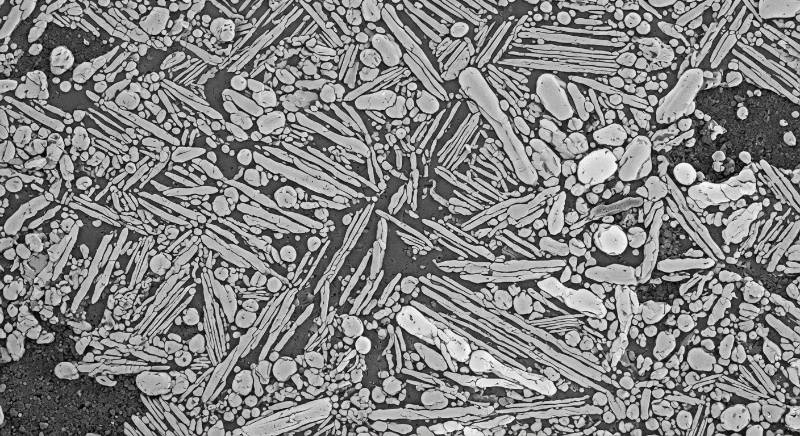
The mechanical divergence between standard Ti-6Al-4V and Grade 23 ELI stems directly from lattice-level interstitial chemistry. Oxygen atoms occupy octahedral interstitial sites in the hexagonal close-packed (HCP) α-phase lattice, inhibiting dislocation motion.
While this interstitial strengthening increases tensile yield, it severely reduces room-temperature and cryogenic ductility. By depressing oxygen below 0.13 wt%, ASTM F136 preserves critical slip systems ({1010} prism and {1011} pyramidal slip), directly translating to higher plastic strain capacity prior to crack initiation.
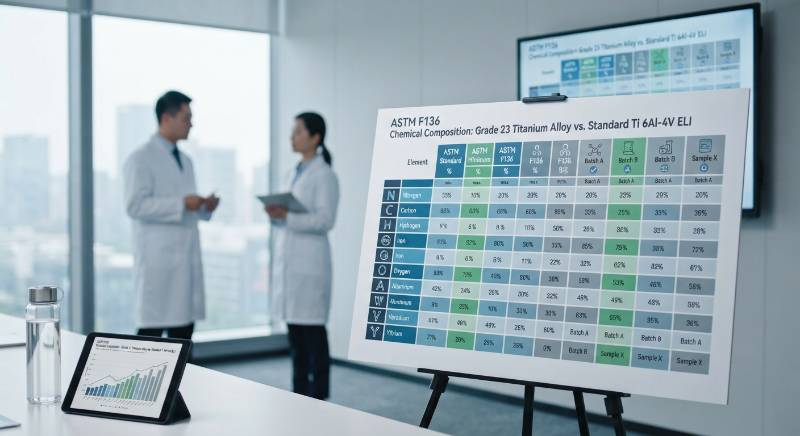
| Element / Parameter | ASTM F136 / ISO 5832-3 (Grade 23 ELI) | ASTM B348 / AMS 4928 (Grade 5) | Engineering Impact |
|---|---|---|---|
| Oxygen (O) max | 0.13 wt% | 0.20 wt% | Prevents interstitial embrittlement; elevates ductility. |
| Iron (Fe) max | 0.25 wt% | 0.40 wt% | Suppresses β-fleck segregation; improves fatigue limits. |
| Carbon (C) max | 0.08 wt% | 0.08 wt% | Prevents abrasive titanium carbide (TiC) inclusions. |
| Nitrogen (N) max | 0.03 wt% | 0.05 wt% | Avoids hard alpha-stabilized micro-defects. |
| Hydrogen (H) max | 0.012 wt% (120 ppm) | 0.015 wt% (150 ppm) | Eliminates hydride precipitation and delayed embrittlement. |
| Tensile Strength (UTS) | ≥ 860 MPa (125 ksi) | ≥ 895 MPa (130 ksi) | Optimized for dynamic implant load-bearing compliance. |
| Yield Strength (0.2% Offset) | ≥ 790 MPa (115 ksi) | ≥ 828 MPa (120 ksi) | Balanced yield-to-fracture ratio under cyclical loading. |
| Elongation (δ) | ≥ 10% (Up to 15% typical) | ≥ 10% | Enhanced plastic deformation during cold contouring. |
| Fracture Toughness (KIC) | 80 – 110 MPa·m1/2 | 50 – 75 MPa·m1/2 | +35% to +50% higher resistance to catastrophic shear. |
Specifications governing medical components mandate adherence to international standards including ASTM F136, ISO 5832-3, and AMS 4907. Sourcing non-compliant material introduces extreme clinical liability in permanent implants.
The 4-Pillar Evaluation Criteria for Biomedical Grade 23 Titanium
Specifying medical-grade titanium requires evaluations beyond basic chemical thresholds. To ensure absolute reliability in Class III devices, our metallurgical team evaluates raw billet and bar stock against the 4-Dimensional Medical Grade Evaluation Matrix.
1. Interstitial Purity Index (IPI)
Oxygen, nitrogen, and hydrogen must not simply meet upper limits; they must be actively minimized. In our vacuum melting cycles, we control oxygen to ≤ 0.11% and iron to ≤ 0.18%.
This ultra-clean chemistry guarantees high stress-corrosion cracking (SCC) thresholds when exposed to saline human bio-fluids, maintaining electrochemical stability under cathodic or anodic polarization.
2. Microstructural Homogeneity & Alpha-Case Elimination
Biomedical titanium requires an equiaxed α+β microstructure with an average grain size of ASTM Grade 8 to 10 (under 15 μm). Continuous grain boundary alpha phases or acicular transformed-beta colonies act as micro-crack initiation highways during high-cycle loading.
Zero alpha-case (brittle oxygen-enriched surface layer) is verified across 100% of finished bar surfaces via cross-sectional metallographic etching per ASTM E407.
3. Geometric Precision & Feedstock Integrity
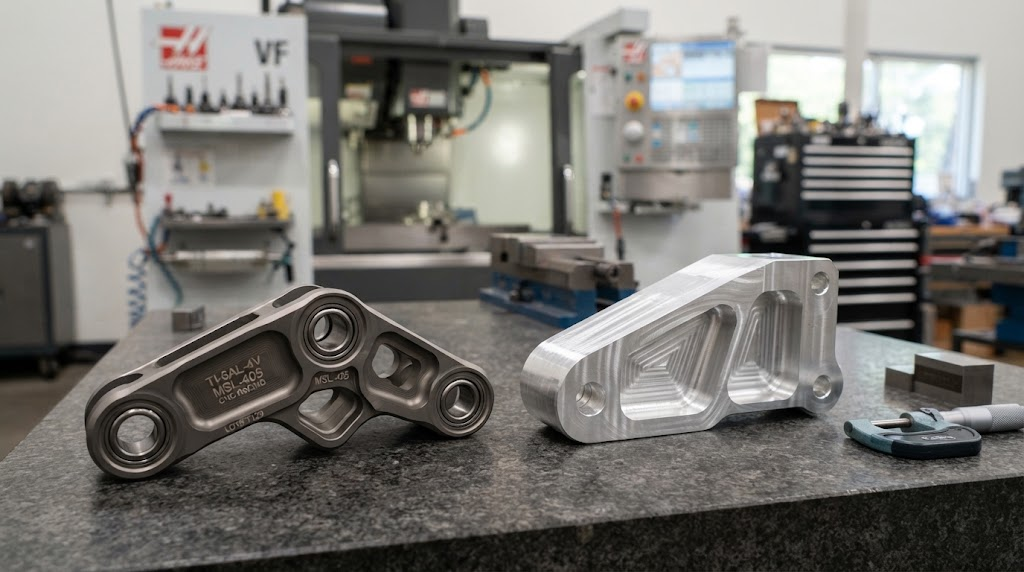
High-volume Swiss CNC machining requires tight outer diameter (OD) tolerances (ISO h6 to h8), centerless-ground surface roughness of Ra ≤ 0.4 μm, and strict bar straightness (≤ 0.5 mm/m). This prevents bar feeder vibrations, guide-bushing seizure, and tool chipping during unattended micro-machining.
4. High-Cycle Fatigue (HCF) & Fracture Toughness
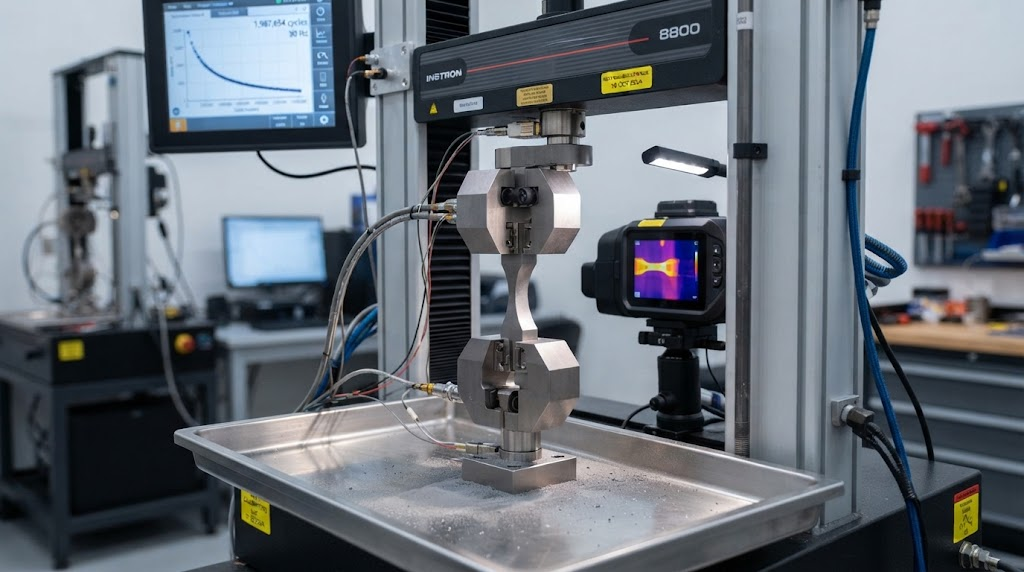
Dynamic spinal disc replacements, neurological leads, and robotic flexures undergo tens of millions of micro-articulations. ASTM F136 bars must exhibit rotating beam fatigue strength of ≥ 550 MPa at 107 cycles (R = -1) and plain-strain fracture toughness KIC ≥ 80 MPa·m1/2.
The China Titanium ELI Processing Protocol (CT-EPP)
Achieving uniform ELI properties across deep cross-sections requires precise thermomechanical control. At our Baoji production facility, we deploy the proprietary China Titanium ELI Processing Protocol (CT-EPP) to guarantee heat-to-heat repeatability.
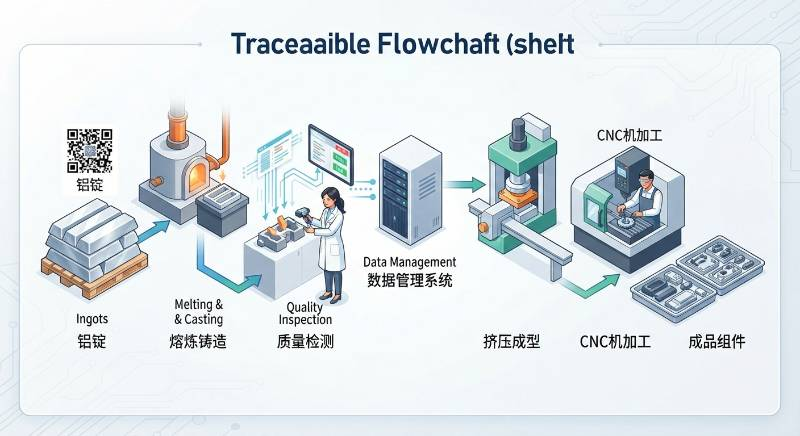
The CT-EPP methodology integrates four consecutive manufacturing stages:
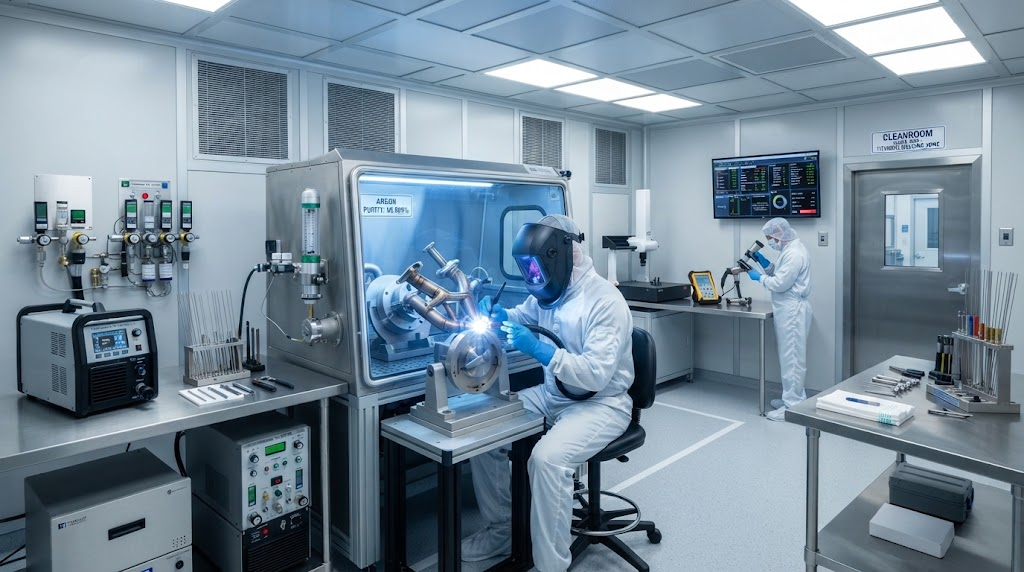
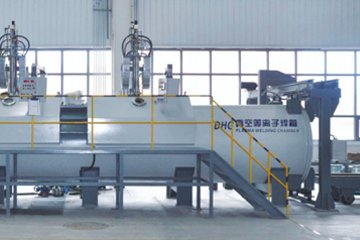
Phase 1: 3x Vacuum Arc Remelting (VAR): We select 100% virgin 0A-Gr0 titanium sponge (hardness < 90 HBW) melted through three consecutive VAR stages under vacuum (≤ 0.05 Pa) to eliminate low-density inclusions (LDI) and high-density tungsten/molybdenum inclusions (HDI).
Phase 2: Alpha-Beta Dynamic Recrystallization: Ingot breakdown occurs across multiple forging steps above and below the β-transus temperature (approx. 975°C ± 5°C). Multi-directional forging (MDF) induces high dislocation densities, breaking cast dendritic structures into fine, equiaxed α grains surrounded by intergranular β phases.
Phase 3: Multi-Stage Precision Cold Drawing & Vacuum Annealing: Medical rods undergo multi-pass cold drawing interspersed with vacuum stress-relief annealing (650°C to 700°C, 10-3 mbar) to ensure stable dimensional tolerances without hydrogen pickup.
Phase 4: Automated Multi-Channel NDT Inspection: Finished bars pass 100% automated immersion ultrasonic testing per AMS 2631 Class AA (detecting defects ≥ 0.8 mm Flat Bottom Hole equivalent) and automated eddy current inspection per ASTM E426 to ensure zero subsurface micro-voids.
Engineering Insight: Interstitial gas levels are verified directly on finished products using Inert Gas Fusion (IGF) per ASTM E1409 (Oxygen/Nitrogen) and ASTM E1447 (Hydrogen) to confirm that no atmospheric contamination occurred during thermomechanical conversion.
Mission-Critical Applications: Neuro-Implants, Surgical Robotics, and Cryogenics
The combination of biocompatibility, low elastic modulus (105 – 115 GPa), corrosion resistance, and cryogenic toughness makes ASTM F136 the baseline material for high-consequence medical and industrial hardware.
Hermetic Deep Brain Stimulation (DBS) & Neuromodulation Housings
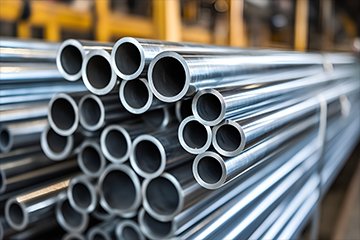
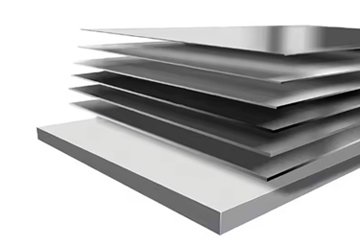
Active implantable medical devices (AIMDs) require micro-scale hermetic packages to safeguard sensitive pulse generators from cerebrospinal fluid (CSF). ASTM F136 foil and thin-walled micro-tubes offer exceptional laser weldability (α+β weld zones maintain ductility) and minimal electrochemical impedance drift in vivo.
5-Axis Articulated Surgical Robotic Wrists & Flexures
Modern laparoscopic and endoscopic robotic systems require end-effectors capable of sub-millimeter articulation under continuous cyclical loading. Grade 23 ELI provides the requisite fatigue endurance limit (≥ 550 MPa) and high yield-to-density ratio, minimizing robotic arm inertia while resisting torsional shear.
Cranial Reconstruction, Maxillofacial Plates & Spinal Cages
Additive manufacturing and micro-machining of Grade 23 ELI mesh structures allow tailor-made stiffness profiles that mimic trabecular bone (reducing stress-shielding effects). The alloy satisfies all criteria under ISO 10993 biocompatibility testing for cytotoxicity, sensitization, and systemic toxicity.
Deep Cryogenic & Liquid Gas Pressure Vessels
Beyond medical applications, ELI Grade 23 is the premier titanium alloy for cryogenic storage at liquid nitrogen (-196°C) and liquid helium (-269°C) temperatures. Because interstitial oxygen is capped at 0.13%, the ductile-to-brittle transition is eliminated, maintaining Charpy V-notch impact energy > 25 J even at sub-Kelvin scales.
High-Precision Ground Medical Bars for Swiss CNC Machining
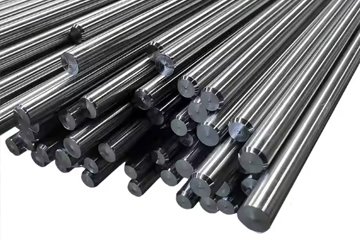
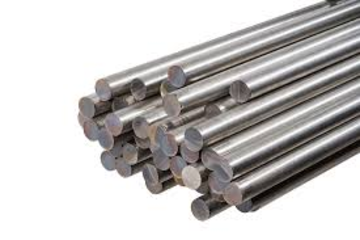
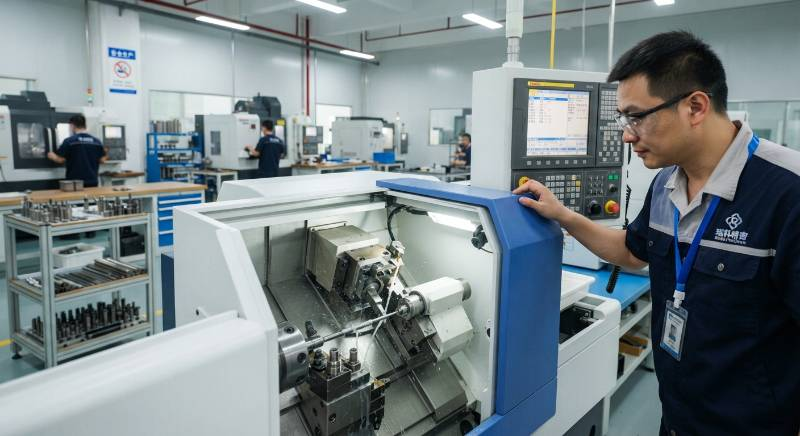
Machining complex micro-features like bone screws, spinal hooks, and robotic pulleys requires precise dimensional uniformity from bar stock. China Titanium Factory supplies precision-ground, burnished ASTM F136 bars engineered specifically for Citizen, Star, and Tornos Swiss-type lathes.
| Diameter Range (mm) | Standard Tolerance Class | Surface Finish (Ra) | Straightness Limit | Typical Component |
|---|---|---|---|---|
| Ø 1.50 – Ø 4.00 mm | ISO h6 (+0 / -0.006 mm) | Ra ≤ 0.20 μm | ≤ 0.3 mm / m | DBS lead anchors, micro bone screws |
| Ø 4.01 – Ø 10.00 mm | ISO h7 (+0 / -0.015 mm) | Ra ≤ 0.40 μm | ≤ 0.5 mm / m | Dental implants, pedicle screws |
| Ø 10.01 – Ø 25.00 mm | ISO h8 (+0 / -0.033 mm) | Ra ≤ 0.40 μm | ≤ 0.5 mm / m | Robotic wrist links, intramedullary nails |
| Ø 25.01 – Ø 150.00 mm | ISO h9 / Forged Peeling | Ra ≤ 0.80 μm | ≤ 1.0 mm / m | Femoral stems, cryogenic valve blocks |
Our centerless-ground bars undergo continuous laser micrometer monitoring during final sizing. This tight dimensional uniformity helps reduce Swiss CNC tool wear by up to 28% compared to standard commercial-grade bar stock.
China Titanium Factory Quality Assurance: Pedigree, Testing, and Traceability
Located in the Baoji Titanium Valley hub, China Titanium Factory operates an integrated manufacturing facility certified to ISO 13485:2016 (Medical Device Quality Management) and AS9100D (Aerospace Quality Systems). Every production run follows strict raw-material control protocols.
Procuring medical alloys requires complete supply chain transparency. Every delivery of our China Titanium Factory Medical Titanium Products includes complete, single-heat traceability and verifiable metallurgical documentation:
Certified EN 10204 3.1 & 3.2 Mill Test Certificates (MTC): Detailing exact IGF gas analysis, chemical fractions, room-temperature tensile properties, and microstructure ratings.
100% Nondestructive Examination: Immersion ultrasonic inspection reports conforming to AMS 2631 Class AA and SEP 1921.
Cleanroom Packaging: Precision-machined and ground bars are individually sleeved, oil-free degreased, and crated in sealed export-grade containers to prevent transit contamination.
Mill-Direct Procurement vs. Multi-Tier Distributor Markups
Medical device OEMs often incur 30% to 45% price surcharges by sourcing medical-grade titanium through regional stockists and intermediary service centers. These multi-tier supply chains also lengthen lead times and increase the risk of lost heat lot traceability.
| Sourcing Factor | China Titanium Factory (Mill-Direct) | Regional Metal Distributors |
|---|---|---|
| Pricing Structure | Direct mill pricing (30–45% savings) | Compounded distributor markups |
| Custom Tolerances | Custom h6/h7 drawing, tailored bar lengths | Limited to standard off-the-shelf imperial/metric sizes |
| Batch Traceability | Direct single-heat pedigree from raw sponge to bar | Secondary re-certification risk across multiple hands |
| Prototype Flexibility | Low prototype MOQs (from 50 kg) | High minimum charge surcharges for non-standard items |
| Technical Support | Direct access to senior titanium metallurgists | General sales desk interaction |
Frequently Asked Questions on ASTM F136 Grade 23 ELI Titanium
Grade 5 (Ti-6Al-4V) vs. Grade 23 (ASTM F136 ELI): Which one is more cost-effective?
While Grade 23 carries a 15% to 25% raw material premium over standard Grade 5 due to ultra-pure sponge selection and multi-stage vacuum melting, it is mandatory for implantable medical applications.
In high-stress robotic and surgical environments, Grade 23 provides significantly higher fracture toughness (80–110 MPa·m1/2 vs. 50–75 MPa·m1/2), preventing premature component failure and costly liability claims.
How can buyers verify MTC authenticity and avoid counterfeit ASTM F136 materials?
An authentic ASTM F136 EN 10204 3.1 Mill Test Certificate must document four critical data points:
Melting Process Verification: Explicit declaration of vacuum melting pedigree (3x VAR or PAM+VAR).
Inert Gas Fusion Chemistry: Precise measurement confirming O ≤ 0.13%, N ≤ 0.03%, H ≤ 0.012%, and Fe ≤ 0.25%.
Microstructure Etch Inspection: Transverse and longitudinal micrograph confirmation of fine equiaxed α+β grain structure (ASTM 8-10) without grain-boundary alpha networks.
NDT Class Validation: Clear statement of ultrasonic flaw detection conforming to AMS 2631 Class AA or Class A.
Does Grade 23 ELI machine differently than standard Grade 5 on CNC lathes?
Yes. Due to lower oxygen content and reduced hardness, Grade 23 ELI exhibits slightly lower shear strength and higher ductility than standard Grade 5.
This reduces cutting tool flank wear, though chips tend to be tougher and more continuous. We recommend positive-rake polished carbide or PCD tooling paired with high-pressure coolant (≥ 70 bar) for effective chip evacuation.
3-Step Direct Sourcing and Technical DFM Pathway
China Titanium Factory offers an integrated procurement workflow to move your project from specification review to delivery without friction:
Step 1: Specification & CAD Submission — Upload your 2D/3D component drawings, required ASTM F136 / ISO 5832-3 tolerances, and volume requirements via our direct intake system.
Step 2: DFM Review & Tiered Mill Quotation — Our metallurgical engineering team provides Design for Manufacturability (DFM) feedback, in-stock material matching, and volume-tiered pricing within 2 hours.
Step 3: Fast-Track Pilot Dispatch & Full Certification — Qualified prototype sample bars or custom pre-forms ship within 72 hours, complete with heat-specific EN 10204 3.1 MTCs, ultrasonic testing logs, and mechanical test data.
Accelerate Your Medical & Robotic Titanium Supply
Source certified, mill-direct ASTM F136 Grade 23 ELI titanium bars, plates, and precision forgings with zero intermediary markups.
Request an Instant ASTM F136 Quote