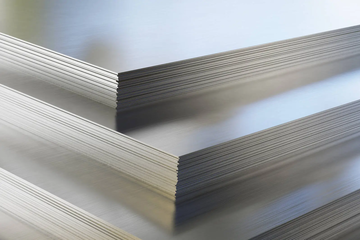
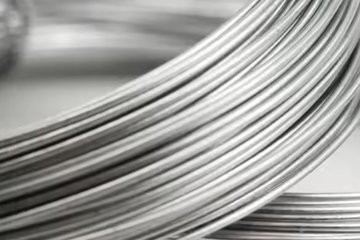
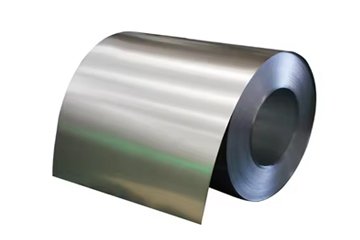
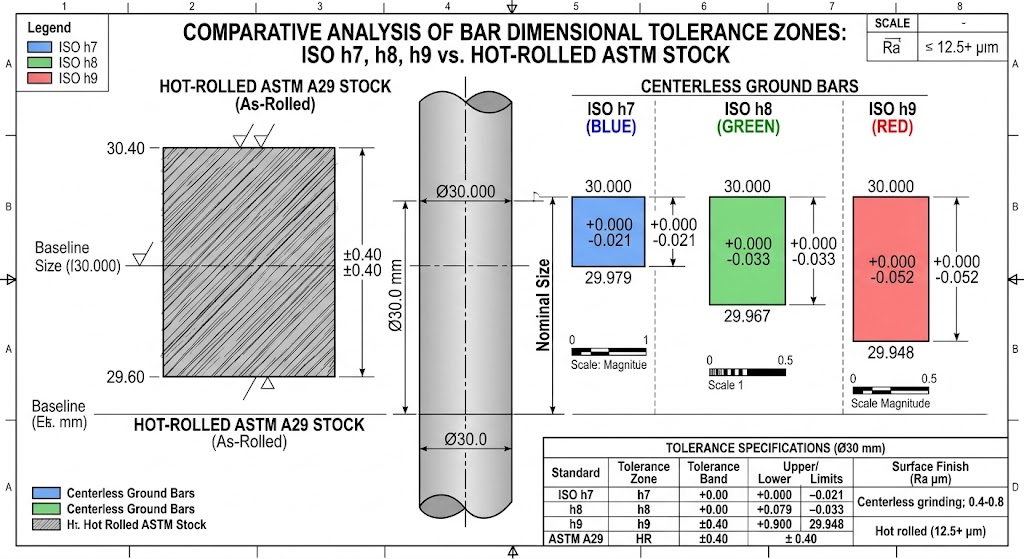
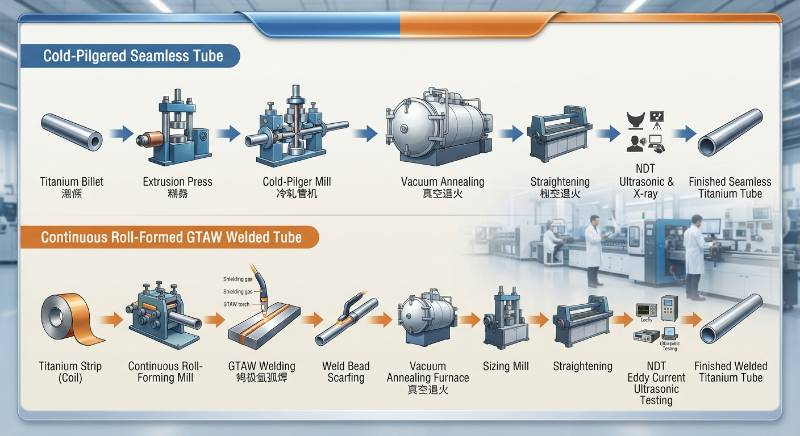
Titanium Grade 2 is an unalloyed commercially pure (CP) alpha-phase metal engineered for maximum ductility, formability, and chemical corrosion resistance, whereas Titanium Grade 5 (Ti-6Al-4V) is an alpha-beta dual-phase alloy engineered for high tensile strength, fracture toughness, and fatigue resistance in load-bearing structural assemblies. Choosing between them comes down to a direct engineering trade-off: prioritize Grade 2 when your design demands severe plastic deformation, cold forming, or weldability in aggressive chloride media, and specify Grade 5 when the component requires extreme mechanical strength-to-weight efficiency under cyclic operational stress.
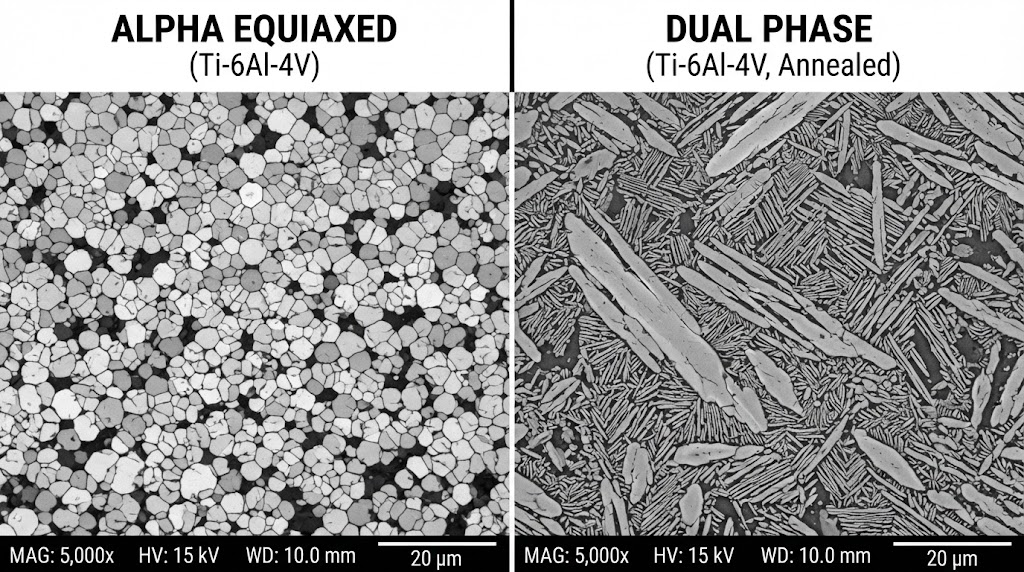
At the crystal lattice level, commercially pure titanium CP Grade 2 consists entirely of the hexagonal close-packed (HCP) alpha phase at room temperature. Its mechanical envelope is governed primarily by tight controls on interstitial elements—specifically oxygen (0.25% max), iron (0.30% max), carbon, nitrogen, and hydrogen.
In contrast, Grade 5 (UNS R56400) incorporates 6% aluminum as an alpha stabilizer and 4% vanadium as a beta stabilizer. This chemical matrix forms an alpha-beta dual-phase microstructure featuring body-centered cubic (BCC) beta grains dispersed within an HCP alpha matrix, allowing the alloy to undergo microstructural modification via heat treatment.
Alpha vs. Alpha-Beta Titanium: Alpha alloys (Grade 2) exhibit a hexagonal close-packed (HCP) structure characterized by high resistance to oxidation and creep below 315°C, accompanied by high tensile ductility. Alpha-beta alloys (Grade 5) balance HCP and BCC crystal phases, allowing dislocation pinning and precipitation strengthening to yield ultimate tensile strengths exceeding 895 MPa.
| Property / Element (wt%) | Commercially Pure Grade 2 | Ti-6Al-4V Grade 5 (UNS R56400) |
|---|---|---|
| Titanium (Ti) | Balance (≥ 98.9%) | Balance (~89.5%) |
| Aluminum (Al) | — | 5.50 – 6.75% |
| Vanadium (V) | — | 3.50 – 4.50% |
| Iron (Fe) [Max] | 0.30% | 0.40% |
| Oxygen (O) [Max] | 0.25% | 0.20% |
| Density | 4.51 g/cm³ (0.163 lb/in³) | 4.43 g/cm³ (0.160 lb/in³) |
| Beta Transus Temp (±15°C) | 915°C (1680°F) | 995°C (1823°F) |
| Thermal Conductivity | 16.4 W/m·K | 6.7 W/m·K |
| Modulus of Elasticity (E) | 105 GPa (15.2 × 10&sup6; psi) | 114 GPa (16.5 × 10&sup6; psi) |
In our mill production data, maintaining tight vacuum arc remelting (VAR) control over interstitial elements is critical. Even a 0.05% fluctuation in oxygen content can drastically alter the tensile yield limit of Grade 2 or compromise the fracture toughness of Grade 5.
The core structural distinction between these two materials lies in their strength-to-elongation profile. When calculating component cross-sections under high static or dynamic loads, Ti-6Al-4V Grade 5 provides more than 2.5 times the mechanical yield strength of unalloyed Grade 2.
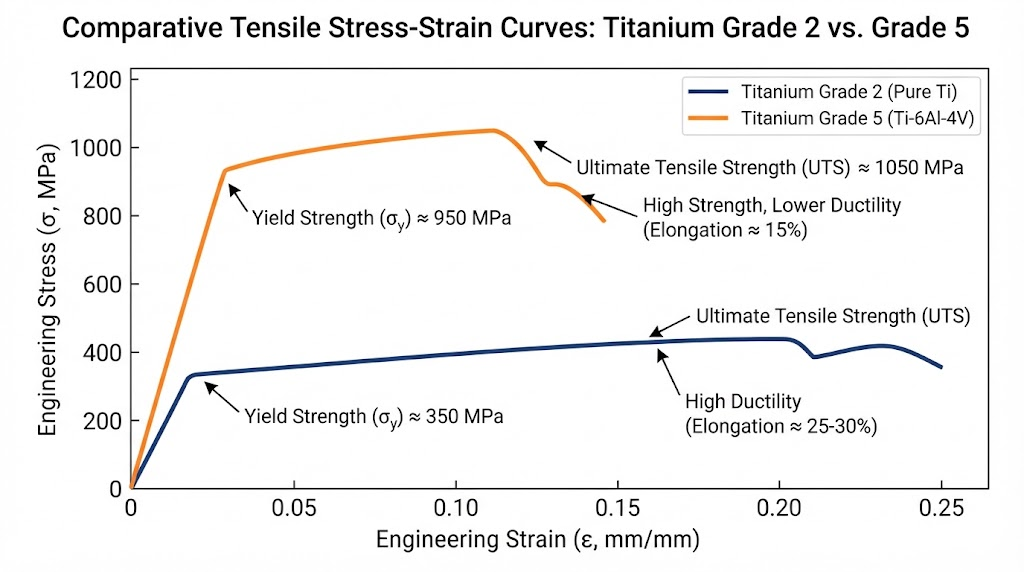
Standard mill test reports (MTR) show that annealed CP Grade 2 exhibits a minimum yield strength of 275 MPa (40 ksi) and a minimum tensile strength of 345 MPa (50 ksi). It pairs these moderate strength values with a high elongation at break percentage (≥ 20%), providing the plastic reserve needed for intense hydroforming, roll expansion, and spinning.
Conversely, Grade 5 delivers a minimum yield strength of 828 MPa (120 ksi) and an ultimate tensile strength exceeding 895 MPa (130 ksi) in the mill-annealed state. Through Solution Treating and Aging (STA) cycles, Grade 5 UTS can reach upwards of 1100 MPa, though this lowers elongation to approximately 8% to 10%.
| Mechanical Metric | CP Grade 2 (ASTM B265/B348) | Ti-6Al-4V Grade 5 (AMS 4911/4928) |
|---|---|---|
| Yield Strength (0.2% Offset) | 275 – 450 MPa (40 – 65 ksi) | 828 – 910 MPa (120 – 132 ksi) |
| Ultimate Tensile Strength (UTS) | ≥ 345 MPa (50 ksi) | ≥ 895 MPa (130 ksi) |
| Elongation at Break (%) | ≥ 20% | ≥ 10% (Plate) / ≥ 14% (Bar) |
| Reduction of Area (%) | ≥ 35% | ≥ 25% – 35% |
| Hardness (Typical) | 80 – 90 HRB (160 – 200 HV) | 30 – 36 HRC (300 – 340 HV) |
| Plane-Strain Fracture Toughness (K1c) | > 65 MPa√m | 45 – 75 MPa√m |
| High-Cycle Fatigue Limit (10&sup7; Cycles) | 180 – 220 MPa | 500 – 620 MPa |
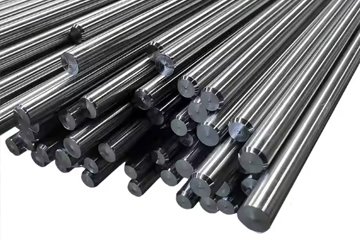
For applications where weight optimization is paramount under heavy dynamic loading, the high strength-to-density ratio of Aerospace Grade Ti-6Al-4V Grade 5 Bars & Rods provides substantial structural efficiency over unalloyed titanium and 316L stainless steel.
Engineers must ensure international material standardization across procurement channels. Chemical, oil and gas, and power systems typically follow ASTM and ASME codes, whereas defense and aviation adhere strictly to AMS specifications with full ultrasonic testing (UT) and NADCAP certifications.
| Product Form | Commercially Pure Grade 2 | Ti-6Al-4V Grade 5 |
|---|---|---|
| Plates, Sheets, Strips | ASTM B265 Gr 2, ASME SB-265, DIN 3.7035 | ASTM B265 Gr 5, AMS 4911, DIN 3.7165 |
| Bars, Billets, Rods | ASTM B348 Gr 2, ASME SB-348, ISO 5832-2 | ASTM B348 Gr 5, AMS 4928, ISO 5832-3 |
| Seamless / Welded Pipes | ASTM B861, ASTM B862, ASME SB-861/862 | ASTM B861 Gr 5 (Special Order AMS) |
| Forgings & Flanges | ASTM B381 Gr F-2, ASME SB-381 | ASTM B381 Gr F-5, AMS 4928, AMS 4965 |
To verify raw material integrity before machining, engineers can consult official standardized testing methods cataloged through the ASTM International Standards Portal.
Both Grade 2 and Grade 5 form a self-healing titanium dioxide (TiO2, primarily anatase/rutile) passive film within nanoseconds of atmospheric oxygen exposure. However, their microstructural differences alter their thermodynamic stability across aggressive chemical environments.
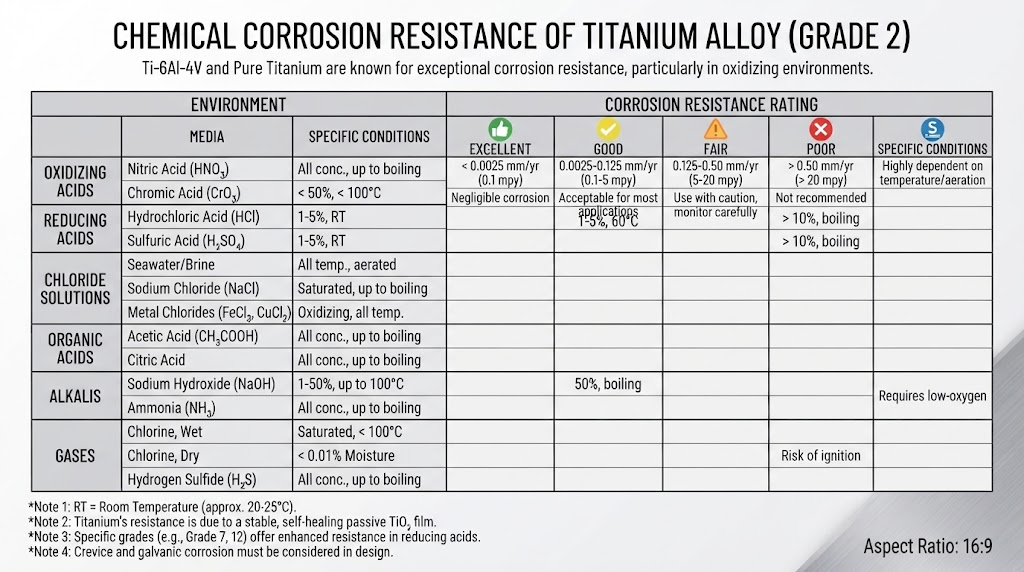
Unalloyed CP Grade 2 consists of a homogeneous, single-phase alpha structure. Without intermetallic grain boundaries or secondary phases, it exhibits superior resistance to localized micro-galvanic corrosion.
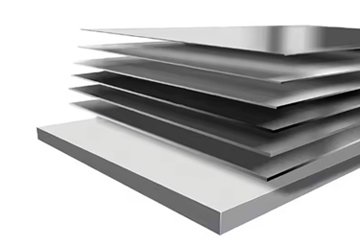
Grade 2 performs exceptionally well in oxidizing media, wet chlorine gas, chlorates, perchlorates, seawater, and brine up to 315°C. Our mill engineers routinely recommend Commercially Pure Titanium Grade 2 Plates & Sheets for chemical reaction vessels and marine plate-and-frame heat exchangers operating under prolonged exposure to hot chloride solutions.
Grade 5, with its alpha-beta microstructure, contains vanadium-rich beta phases that create microscopic galvanic couples when exposed to unbuffered reducing acids. While Grade 5 excels in ambient seawater, marine atmospheres, and aerospace salt-fog environments, its corrosion rates climb rapidly in non-oxidizing solutions like hydrochloric or sulfuric acids.
Stress Corrosion Cracking (SCC) Alert: Ti-6Al-4V Grade 5 is susceptible to Stress Corrosion Cracking (SCC) in specific media, including anhydrous methanol, red fuming nitric acid, and solid-state chloride salts at temperatures exceeding 250°C under high tensile stress. CP Grade 2 is far more resistant to stress-assisted environmental cracking.
| Chemical Environment & Temperature | CP Grade 2 Corrosion Rate | Ti-6Al-4V Grade 5 Corrosion Rate |
|---|---|---|
| Seawater / Brine (Ambient to 100°C) | < 0.001 mm/yr (< 0.04 mpy) | < 0.001 mm/yr (< 0.04 mpy) |
| Wet Chlorine Gas (> 1.5% H2O) | < 0.01 mm/yr (< 0.4 mpy) • Immune | < 0.05 mm/yr (< 2.0 mpy) • Good |
| Nitric Acid (HNO3, 65% Boiling) | < 0.025 mm/yr (< 1.0 mpy) | < 0.12 mm/yr (< 4.8 mpy) |
| Hydrochloric Acid (HCl, 5% at 60°C) | 0.85 mm/yr (33.5 mpy) • Moderate | > 2.50 mm/yr (> 100 mpy) • Rapid Attack |
| Chloride Crevice Attack (> 85°C) | Resistant up to ~85°C | Susceptible above ~70°C |
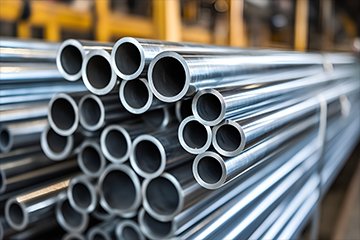
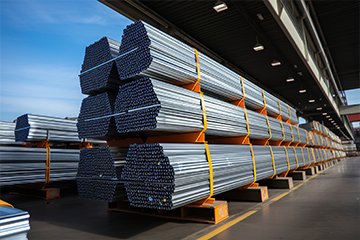
For chemical conduit and process line layouts, review our Titanium Pipe and Tubing Mill Capabilities for piping specifications tailored to harsh chemical conditions.
Machinability and shop-floor processing differ substantially between unalloyed Grade 2 and dual-phase Grade 5. Selecting the wrong grade often results in tooling failure, excessive tool deflection, or unexpected part warping.
Commercially Pure Grade 2 is exceptionally ductile and well-suited for cold forming. It exhibits low springback (elastic modulus ~105 GPa) and can be cold-bent to a minimum radius of 1.5T to 2.0T without cracking.
Grade 5 requires tight process controls. Cold bending is limited to radii ≥ 4.5T. For complex geometries, hot forming or warm sizing between 600°C and 700°C is required to minimize internal stresses and prevent cracking.
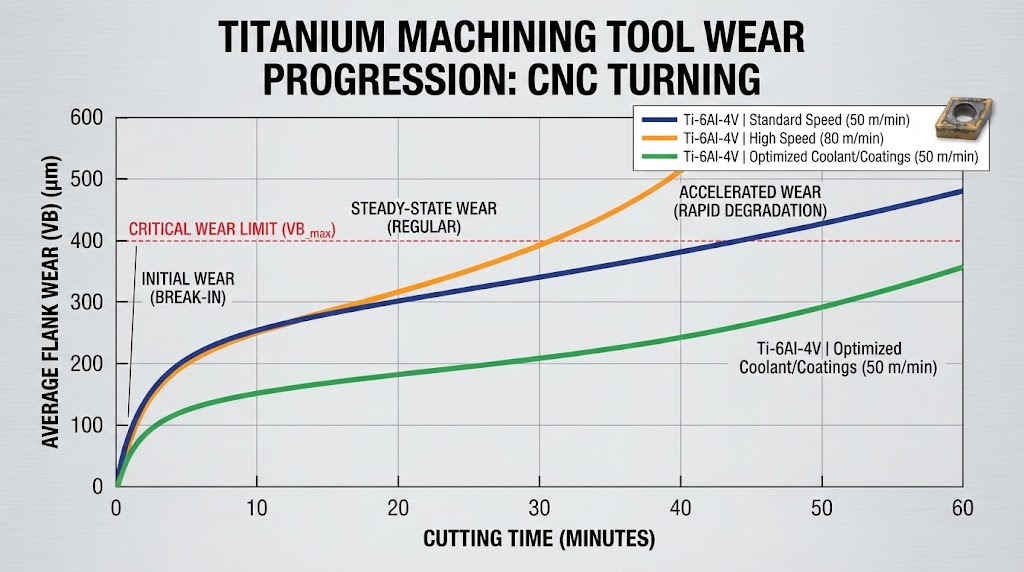
CNC Milling & Turning Speeds: Grade 2 cuts cleanly at 60–90 m/min using carbide tooling. Grade 5 must be turned and milled at 35–55 m/min to manage tool edge temperatures.
Thermal Dissipation: Grade 5 exhibits an extremely low thermal conductivity of 6.7 W/m·K (compared to 16.4 W/m·K in Grade 2). Cutting zone heat concentrates at the tool-workpiece interface, requiring high-pressure through-spindle coolant (≥ 70 bar).
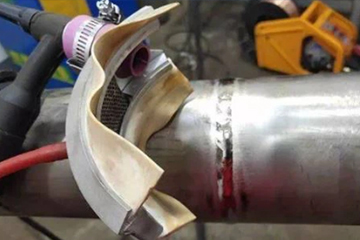
Fusion Weldability: Grade 2 can be joined via Gas Tungsten Arc Welding (GTAW/TIG) or electron beam welding without brittle intermetallic formation. Grade 5 welding requires strict trailing gas shields and argon purge boxes to prevent alpha-case hardening and joint embrittlement.
Heat Treatability: Grade 2 is non-heat-treatable; stress relief annealing (500–550°C) is used solely to eliminate residual stresses. Grade 5 undergoes solution heat treating (900–950°C) followed by water quenching and aging (480–540°C) to customize yield points and structural hardness.
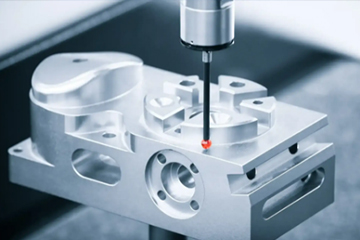
To explore tight-tolerance manufacturing capabilities for custom profiles, examine our Custom Titanium Forgings & CNC Machined Parts production services.
Both titanium grades are susceptible to sliding friction galling when direct metal-to-metal contact occurs. To prevent thread seizure and abrasive wear on CNC-machined components, specialized surface engineering is required.
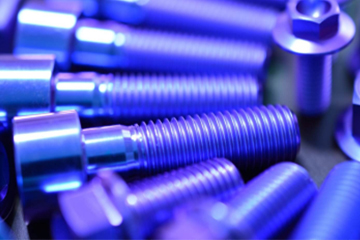
AMS 2488 Type II Anodizing: A non-decorative alkaline conversion treatment applied to Grade 5 structural bolts, pins, and rotary bushings to improve wear resistance and anti-galling performance under high contact stress.
Type III Color Anodizing: An electrolytic passivation method used for Grade 2 and Grade 5 parts. It creates thin, interference-color oxide layers for identification and corrosion defense without altering base dimensions.
Physical Vapor Deposition (PVD): TiN (Titanium Nitride) and Diamond-Like Carbon (DLC) coatings provide surface hardnesses above 2200 HV, protecting against sliding friction in aerospace and high-performance racing assemblies.
To help design engineers select the right grade without over-specifying raw material and machining costs, China Titanium Factory engineers apply the CT-DMS Protocol. This decision model balances mechanical stresses against manufacturing requirements.
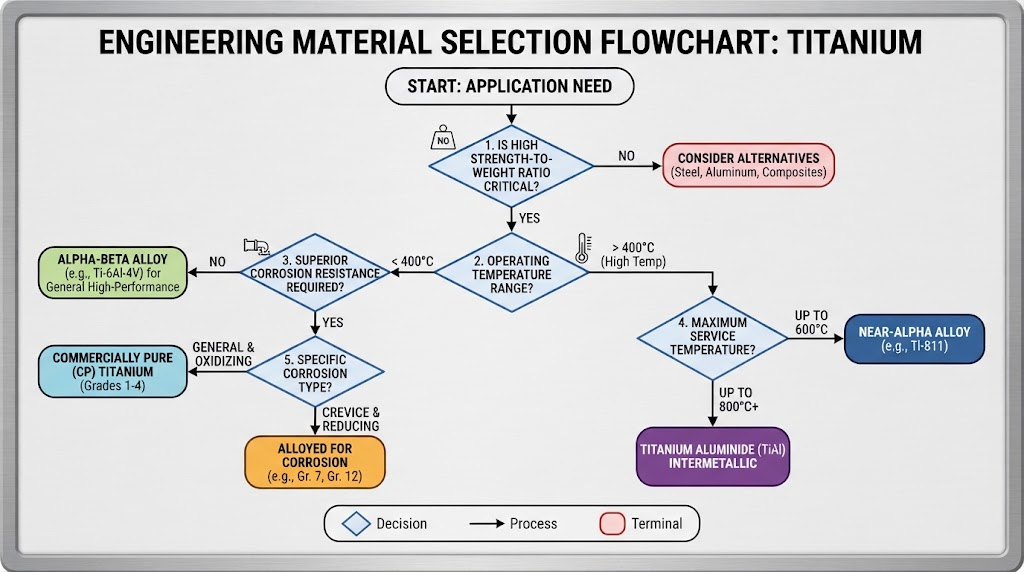
| Design Parameter | CP Grade 2 Path | Ti-6Al-4V Grade 5 Path |
|---|---|---|
| Working Stress Level | Static / Pressure Loads < 200 MPa | Dynamic / Cyclic Loads > 450 MPa |
| Fabrication Method | Cold rolling, roll forming, deep drawing | Multi-axis CNC milling, drop forging |
| Service Temperature | Continuous service < 300°C (572°F) | Intermittent service up to 400°C (752°F) |
| Corrosion Exposure | High-chloride brines, wet Cl2, HNO3 | Seawater splash, atmosphere, aviation fluids |
| Weld Configuration | Complex field-welded pipe spools/tanks | Factory electron-beam or mechanical joints |
By following the CT-DMS Protocol, production teams avoid over-engineering costs while ensuring field components meet all operational safety margins.
Industrial case histories demonstrate how choosing the correct grade impacts operational life and component reliability.
Case Study 1: Marine Desalination Heat Exchangers (CP Grade 2)
A desalination plant operator experienced stress cracking and pitting in 316L stainless steel tubed evaporators exposed to 85°C concentrated brine. We supplied 18 metric tons of seamless ASTM B338 Grade 2 heat exchanger tubes. Grade 2's resistance to chloride attack eliminated pitting entirely, providing an operating life exceeding 15 years with zero corrosion-related downtime.
Case Study 2: Offshore Oil & Gas Downhole Mandrel (Ti-6Al-4V Grade 5)
An offshore energy firm required high-pressure logging mandrels capable of withstanding 15,000 psi hydrostatic pressure and high torsional shock. Unalloyed titanium could not meet the required yield threshold without excessive wall thicknesses that exceeded wellbore dimensional limits. We forged and CNC machined custom AMS 4928 Grade 5 mandrels with a yield strength of 860 MPa, reducing assembly weight by 42% compared to nickel alloys and maintaining full structural integrity.
Further metallurgical reference data on titanium structural behaviors is documented by ASM International Materials Information.
A complete procurement analysis must balance raw material purchase prices against downstream manufacturing costs, scrap generation, and operating lifespan.
Raw Material Cost Differences: Ti-6Al-4V Grade 5 raw billet carries a 25% to 40% price premium over CP Grade 2. This is driven by high-purity Vanadium master alloy additions, specialized VAR melting cycles, and tighter aerospace-spec testing regimes.
Machining Overhead: Machining Grade 5 generates higher operational costs due to rapid tool wear, slower feeds and speeds, and higher cutting fluid consumption. Milling a complex pocketed casing from Grade 5 takes roughly 2.2 times longer than from Grade 2.
Lifecycle ROI: In chemical processing vessels, Grade 2 delivers a lower total cost of ownership by eliminating catastrophic corrosion failure. In aviation and defense, Grade 5 delivers lifecycle value through weight reduction, lowering operating fuel burn over millions of airframe flight cycles.
Can Titanium Grade 2 be heat treated to increase hardness?
No. CP Grade 2 is an unalloyed single-phase alpha material with no precipitating phases. It cannot be hardened via quench and age treatments. Hardness can only be increased via cold working, or surface treated via anodizing, nitriding, or PVD coating.
Is Grade 5 titanium non-magnetic?
Yes. Both Grade 2 and Grade 5 are non-magnetic with a magnetic susceptibility close to zero (relative permeability ≈ 1.00005). They are suitable for MRI equipment, sensitive electronic housings, and downhole magnetic survey equipment.
Can you weld Grade 2 directly to Grade 5?
Yes. Grade 2 and Grade 5 can be fusion welded together via TIG welding or electron-beam welding using CP titanium (ERTi-2) or Ti-6Al-4V (ERTi-5) filler wire. However, the weld bead will exhibit intermediate mechanical properties, and strict inert gas shielding is mandatory to prevent porosity and alpha casing.
What is the difference between Grade 5 and Grade 23 (Ti-6Al-4V ELI)?
Grade 23 is the "Extra Low Interstitial" (ELI) variant of Grade 5 (ASTM F136). It limits oxygen content to ≤ 0.13% and iron to ≤ 0.25%, yielding superior fracture toughness and elongation at cryogenic temperatures, making it the standard for surgical medical implants.
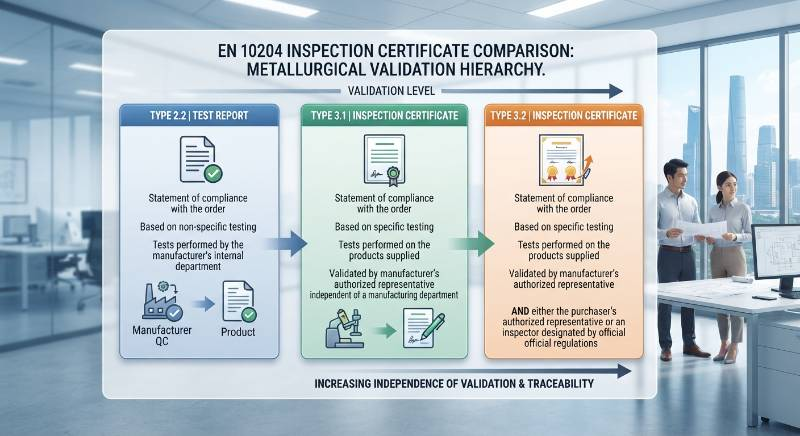
China Titanium Factory supplies certified titanium plates, bars, tubes, forgings, and precision 5-axis CNC machined parts conforming to ASTM, ASME, and AMS standards. Every shipment includes full Mill Test Report (MTR) documentation.
Request a Custom Quote & Material Consultation


Contact Us
Room 21003, 10th Floor, Unit 2, Building 1, Xianning International Plaza, No.29 Xianning West Road, Beilin District, Xi'an City
Copyright © Xi'an Shiguang Jingyan Technology Co., Ltd. All Rights Reserved.